


F-ZJHQ Diaphragm 3-way Control Valve
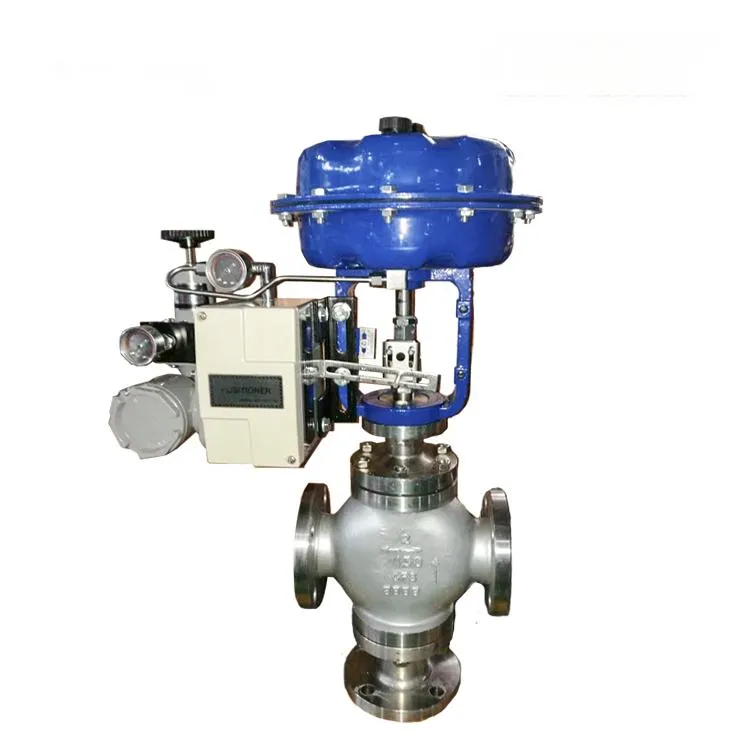
F-ZJHQ Diaphragm 3-way Control Valve
The Diaphragm 3-Way Control Valve uses a pneumatic actuator and three-port body for precise flow control and zero leakage, ensuring efficient mixing or diverting in corrosive or high-temperature systems; its stainless-steel body with PTFE or EPDM diaphragm
| Boyut Aralığı | DN15 – DN300 (½″ – 12″) |
| Çalışma Basıncı Aralığı: | 0.6 MPa – 6.4 MPa (6 – 64 bar) |
| Çalışma Sıcaklık Aralığı: | −20 °C to +220 °C (−4 °F to +428 °F) |
| Gövde Malzemesi: | Carbon Steel / Stainless Steel (SS304, SS316) |
| Bağlantı Türü: | Flanged / Threaded / Welded (per customer requirement) |
| Uygulanabilir Ortam: | Steam, Water, Air, Oil, Corrosive Fluids, Chemical Solutions |
| Aktüatör Türü: | Pneumatic Diaphragm Actuator (with Positioner) |
| Gerilim Seçenekleri | 24 VDC / 110 VAC / 220 VAC |
| Tasarım Standardı | GB/T 12238 / IEC 534 / ANSI B16.34 / DIN EN 1349 |
| Test Standardı | GB/T 13927 / API 598 / EN 12266-1 |
| Yangına Dayanıklı Tasarım | Optional Fire-Safe Construction per API 607 |
| Sertifikasyon | CE / RoHS / ISO 9001 / IP65 (Aktüatör) |
| Özelleştirme | Yukarıda standart parametre örnekleri yer almaktadır. Özel parametreleriniz ve malzemeleriniz varsa, bunların hepsini size göre uyarlayabiliriz. |
| Series | AT | AW | Linear | Pneumatic Cylinder | Hijyenik |
|---|---|---|---|---|---|
| Valf Gövdesi | Ball valve, butterfly valve, plug valve | Gate valve, Global valve | Knife gate valve | Sanitary butterfly valve | |
| Function | Double Acting, Single Acting (Failure Resetting FO or FC) | ||||
| Kontrol Aksesuarları |
• Solenoid Valve, Filter Regulator Lubricator (F.R.L.), Positioner, Limit Switch, Handwheel • Solenoid Valve & Positioner are with Explosion-proof grade and Signal Feedback type for choice | ||||
| Operating Medium |
Clean and dry or lubricated air or inert gas. Any non-corrosive gas that is compatible with the internal parts of the actuator and the lubricant. The dew point temperature of the operating medium is -20°C, and the size of impurity particles is no more than 30u. When selecting a positioner, the impurity particle size should be no more than 5u. | ||||
| Air Source Pressure | 3bar to 8bar | ||||
| Operating Environment Temperature |
• Standard type: -20°C to +80°C • Low-temperature type: -40°C to +80°C • High-temperature type: -20°C to +160°C | ||||
| Lubrication |
Under normal operating conditions, the standard type does not require additional lubricant. For low-temperature or high-temperature environments, special lubricants are required. | ||||
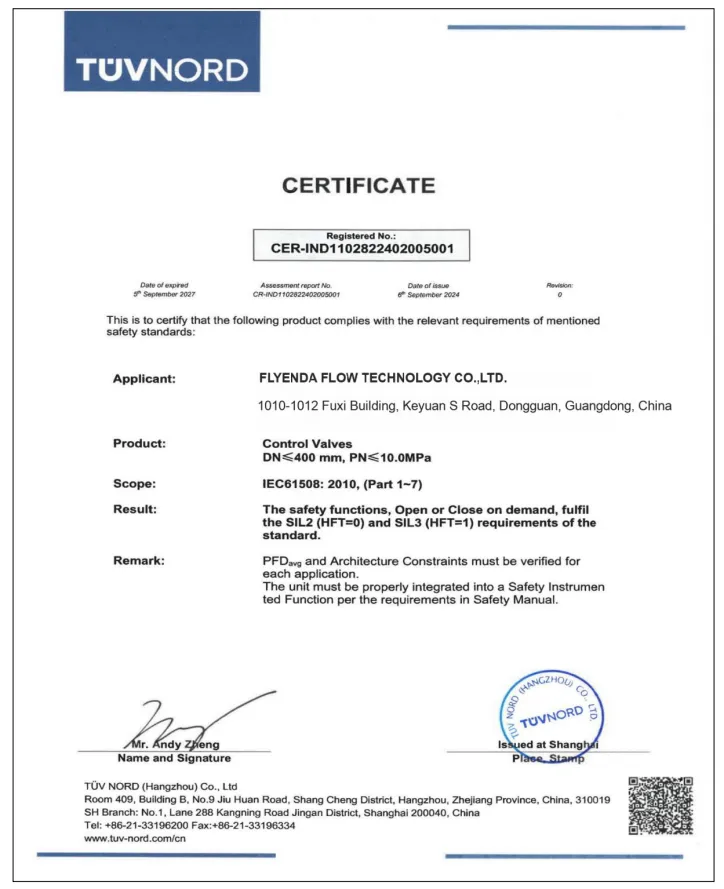
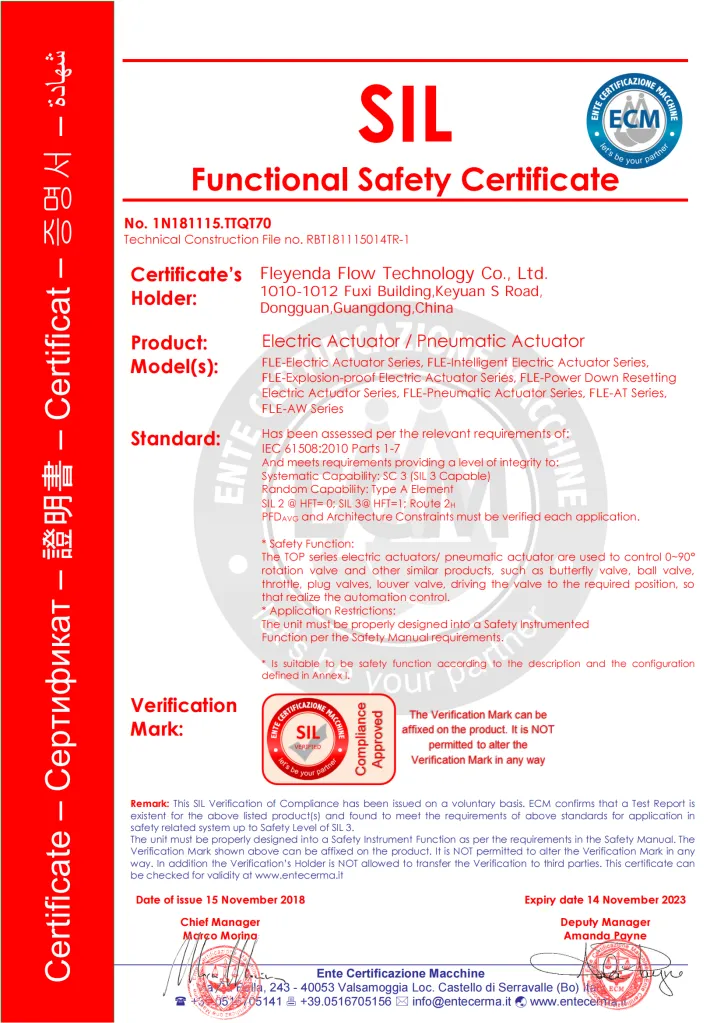
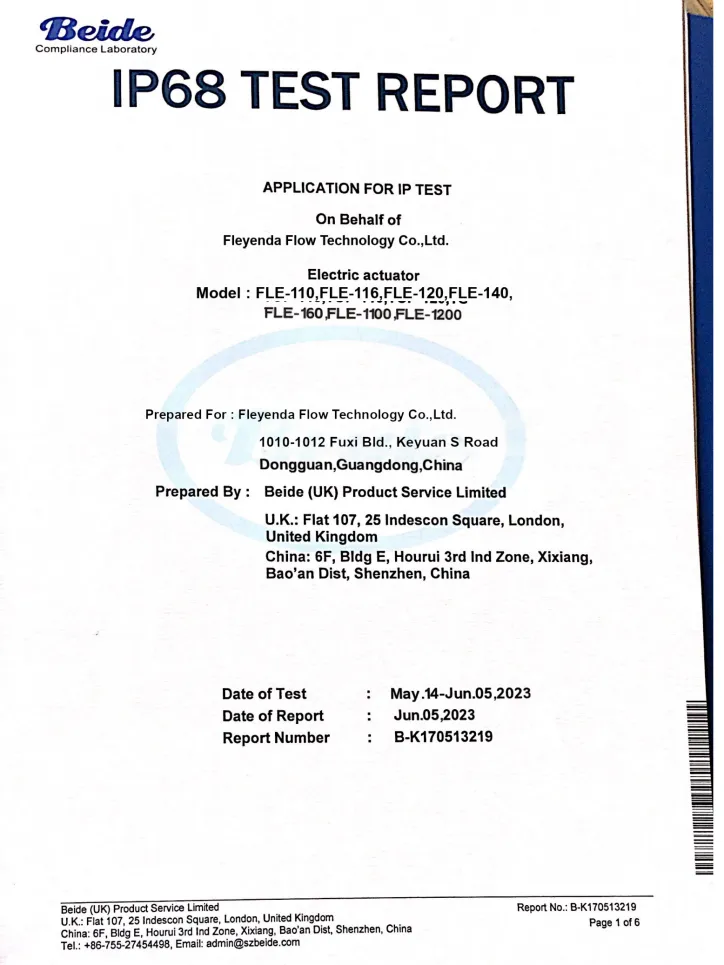
Endüstriyel Vana Uygulamaları için Sertifikalı Kalite
Fleyenda vanaları ve elektrikli aktüatörleri, istikrarlı performans, güvenilir çalışma ve uzun vadeli endüstriyel kullanım için üretilmiştir. Sertifikalı kalite desteği sayesinde, su arıtma, kimyasal işleme, otomasyon ve endüstriyel proses kontrol sistemleri için uygundur.
80% Kullanıcılarının İlgisini Çeken Sık Sorulan Sorular
1. What causes performance issues in a diaphragm 3-way control valve and how can they be avoided?
• Diaphragm wear or fatigue can lead to air leakage and reduced flow accuracy; regular inspection and replacement prevent failure.
• Cavitation and erosion under high differential pressure shorten service life; correct valve sizing avoids this.
• Wrong selection between mixing and diverting types causes unstable flow; confirm configuration before installation.
• Stable air supply and accurate actuator calibration ensure reliable operation.
2. How do I select the correct size and actuator for a 3-way diaphragm control valve?
• Define whether your system requires mixing flow or diverting operation, as this determines port layout.
• Calculate flow coefficient (Cv), pressure range, and temperature to select the proper size.
• Choose a pneumatic actuator for fast response or an electric actuator for precise automation control.
• Match valve body and seat materials with the working medium to improve durability and sealing.
3. Can a 3-way diaphragm valve handle corrosive or high-temperature fluids?
• Yes, the diaphragm-actuated valve isolates the medium from the actuator, ideal for corrosive and clean-in-place systems.
• PTFE, EPDM, or Viton diaphragms provide chemical and thermal resistance.
• Stainless steel or lined carbon steel bodies protect against corrosion in chemical or water treatment applications.
• Proper diaphragm selection ensures tight shut-off and stable operation under extreme conditions.
4. What are the best maintenance practices for a pneumatic 3-way control valve?
• Inspect the diaphragm assembly for cracks or deformation to maintain sealing.
• Check actuator feedback and travel accuracy to prevent positioning errors.
• Monitor for vibration, cavitation, or seat wear as indicators of process imbalance.
• Use genuine spare parts and follow preventive maintenance schedules to reduce downtime.