


F-ZJHQ Diaphragm 3-way Control Valve
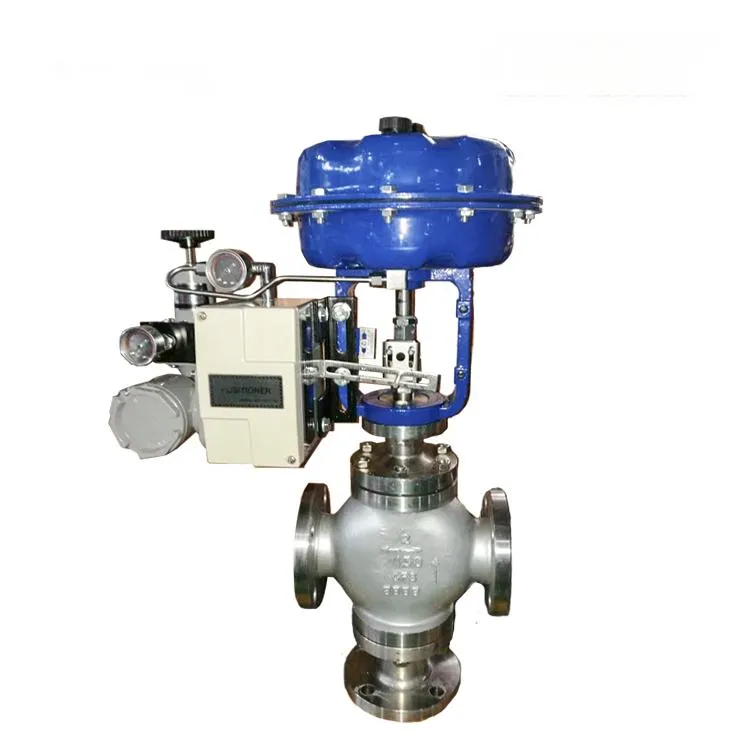
F-ZJHQ Diaphragm 3-way Control Valve
The Diaphragm 3-Way Control Valve uses a pneumatic actuator and three-port body for precise flow control and zero leakage, ensuring efficient mixing or diverting in corrosive or high-temperature systems; its stainless-steel body with PTFE or EPDM diaphragm
| Größenauswahl | DN15 – DN300 (½″ – 12″) |
| Betriebsdruckbereich: | 0.6 MPa – 6.4 MPa (6 – 64 bar) |
| Betriebstemperaturbereich: | −20 °C to +220 °C (−4 °F to +428 °F) |
| Material des Gehäuses: | Carbon Steel / Stainless Steel (SS304, SS316) |
| Verbindungstyp: | Flanged / Threaded / Welded (per customer requirement) |
| Geeignetes Medium: | Steam, Water, Air, Oil, Corrosive Fluids, Chemical Solutions |
| Antriebstyp: | Pneumatic Diaphragm Actuator (with Positioner) |
| Spannungsoptionen | 24 VDC / 110 VAC / 220 VAC |
| Designstandard | GB/T 12238 / IEC 534 / ANSI B16.34 / DIN EN 1349 |
| Prüfnorm | GB/T 13927 / API 598 / EN 12266-1 |
| Brandschutzkonzeption | Optional Fire-Safe Construction per API 607 |
| Zertifizierung | CE / RoHS / ISO 9001 / IP65 (Antrieb) |
| Anpassung | Oben finden Sie Beispiele für Standardparameter. Wenn Sie bestimmte Parameter und Materialien haben, können wir diese individuell anpassen. |
| Reihe | AT | AW | Linear | Pneumatikzylinder | Sanitär |
|---|---|---|---|---|---|
| Ventilkörper | Kugelhahn, Absperrklappe, Kegelventil | Absperrschieber, Global-Ventil | Messerschieberventil | Hygienische Absperrklappe | |
| Funktion | Doppeltwirkend, einfachwirkend (bei Ausfall rückstellend FO oder FC) | ||||
| Zubehör für Steuerungen |
• Magnetventil, Filter-Regler-Schmiervorrichtung (F.R.L.), Stellungsregler, Endschalter, Handrad • Magnetventil und Stellungsregler sind in explosionsgeschützter Ausführung erhältlich und können wahlweise mit Signalrückmeldung ausgestattet werden | ||||
| Betriebsmedium |
Saubere und trockene oder geschmierte Luft oder Inertgas. Jedes nicht korrosive Gas, das mit den inneren Bauteilen des Stellantriebs und dem Schmiermittel verträglich ist. Die Taupunkttemperatur des Betriebsmediums beträgt -20 °C, und die Größe der Verunreinigungspartikel beträgt höchstens 30 µ. Bei der Auswahl eines Stellungsreglers sollte die Partikelgröße der Verunreinigungen höchstens 5 µ betragen. | ||||
| Luftdruck | 3 bar bis 8 bar | ||||
| Betriebstemperatur |
• Standardausführung: -20 °C bis +80 °C • Niedrigtemperaturausführung: -40 °C bis +80 °C • Hochtemperaturausführung: -20 °C bis +160 °C | ||||
| Schmierung |
Unter normalen Betriebsbedingungen benötigt die Standardausführung kein zusätzliches Schmiermittel. Für Umgebungen mit niedrigen oder hohen Temperaturen sind spezielle Schmierstoffe erforderlich. | ||||
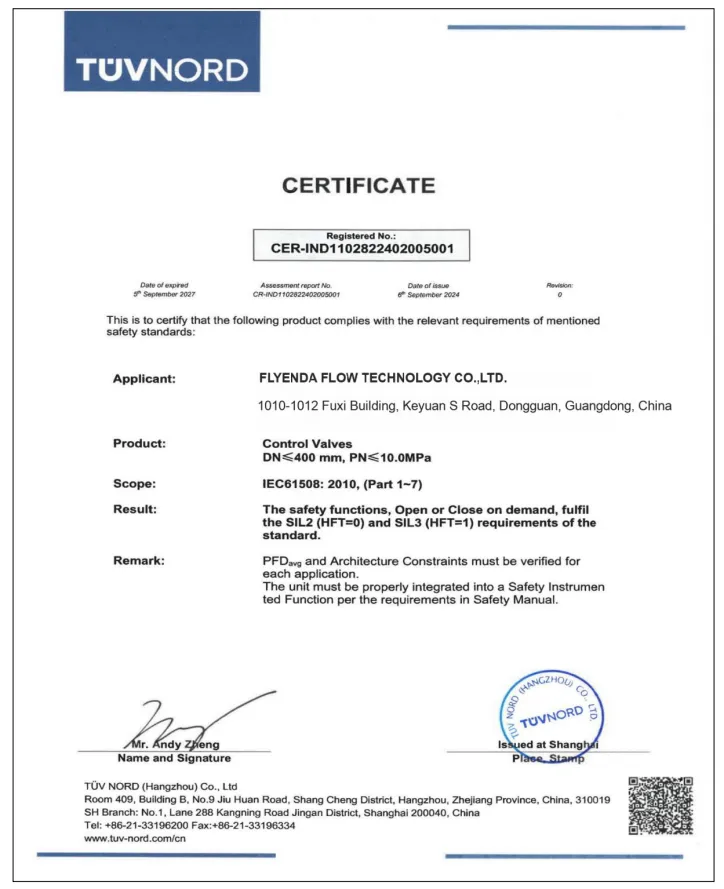
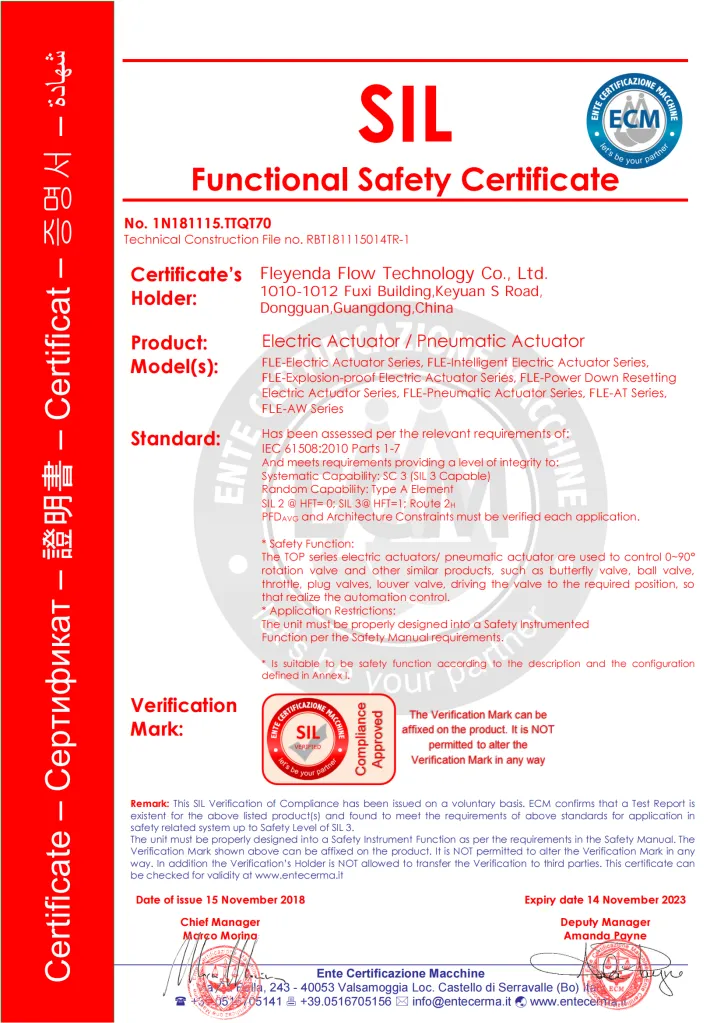
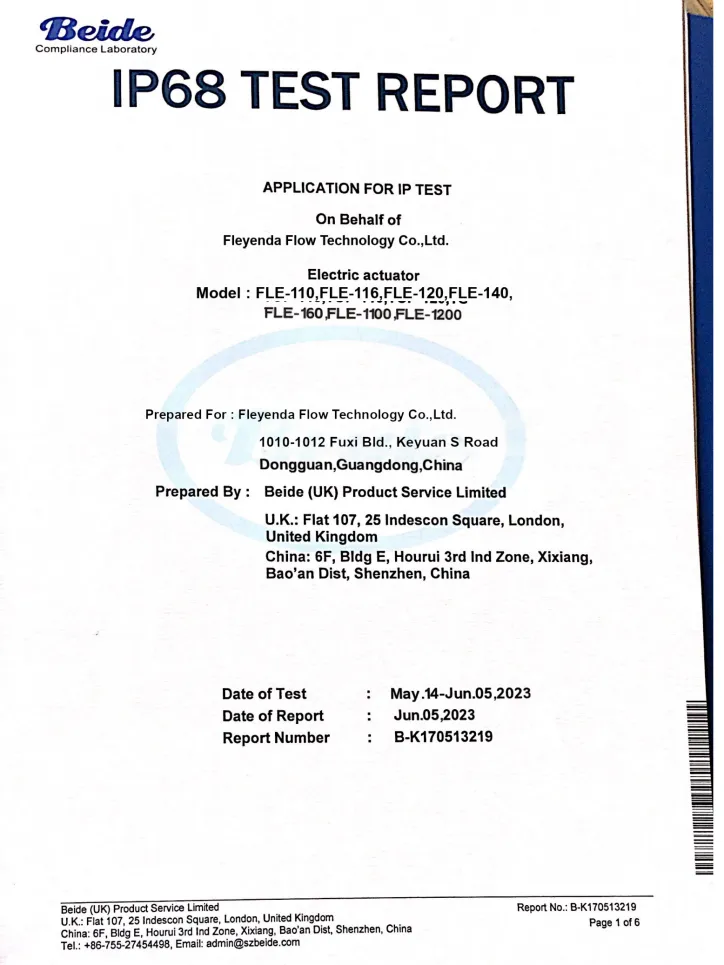
Zertifizierte Qualität für industrielle Ventilanwendungen
Ventile und elektrische Stellantriebe von Fleyenda sind auf stabile Leistung, zuverlässigen Betrieb und den langfristigen industriellen Einsatz ausgelegt. Dank zertifizierter Qualitätssicherung eignen sie sich für die Wasseraufbereitung, die chemische Verarbeitung, die Automatisierung sowie industrielle Prozessleitsysteme.
Häufig gestellte Fragen, die für Nutzer des 80% von Interesse sind
1. What causes performance issues in a diaphragm 3-way control valve and how can they be avoided?
• Diaphragm wear or fatigue can lead to air leakage and reduced flow accuracy; regular inspection and replacement prevent failure.
• Cavitation and erosion under high differential pressure shorten service life; correct valve sizing avoids this.
• Wrong selection between mixing and diverting types causes unstable flow; confirm configuration before installation.
• Stable air supply and accurate actuator calibration ensure reliable operation.
2. How do I select the correct size and actuator for a 3-way diaphragm control valve?
• Define whether your system requires mixing flow or diverting operation, as this determines port layout.
• Calculate flow coefficient (Cv), pressure range, and temperature to select the proper size.
• Choose a pneumatic actuator for fast response or an electric actuator for precise automation control.
• Match valve body and seat materials with the working medium to improve durability and sealing.
3. Can a 3-way diaphragm valve handle corrosive or high-temperature fluids?
• Yes, the diaphragm-actuated valve isolates the medium from the actuator, ideal for corrosive and clean-in-place systems.
• PTFE, EPDM, or Viton diaphragms provide chemical and thermal resistance.
• Stainless steel or lined carbon steel bodies protect against corrosion in chemical or water treatment applications.
• Proper diaphragm selection ensures tight shut-off and stable operation under extreme conditions.
4. What are the best maintenance practices for a pneumatic 3-way control valve?
• Inspect the diaphragm assembly for cracks or deformation to maintain sealing.
• Check actuator feedback and travel accuracy to prevent positioning errors.
• Monitor for vibration, cavitation, or seat wear as indicators of process imbalance.
• Use genuine spare parts and follow preventive maintenance schedules to reduce downtime.