


PTFE/PFA-Lined Electric Actuated Ball Valve
The FLE-Q-F PTFE/PFA-lined electric actuated ball valve is engineered for automatic isolation and control of corrosive media. The lined flow path helps protect metallic wetted surfaces from strong acids, alkalis, chlorine-containing media, solvents and chemical wastewater, while the quarter-turn electric actuator supports on/off, regulating and intelligent control.
- Boyut Aralığı
- DN15–DN300
- Pressure
- PN10–PN16
- Temperature
- −20°C to +180°C*
- Power
- DC24V / AC110–380V
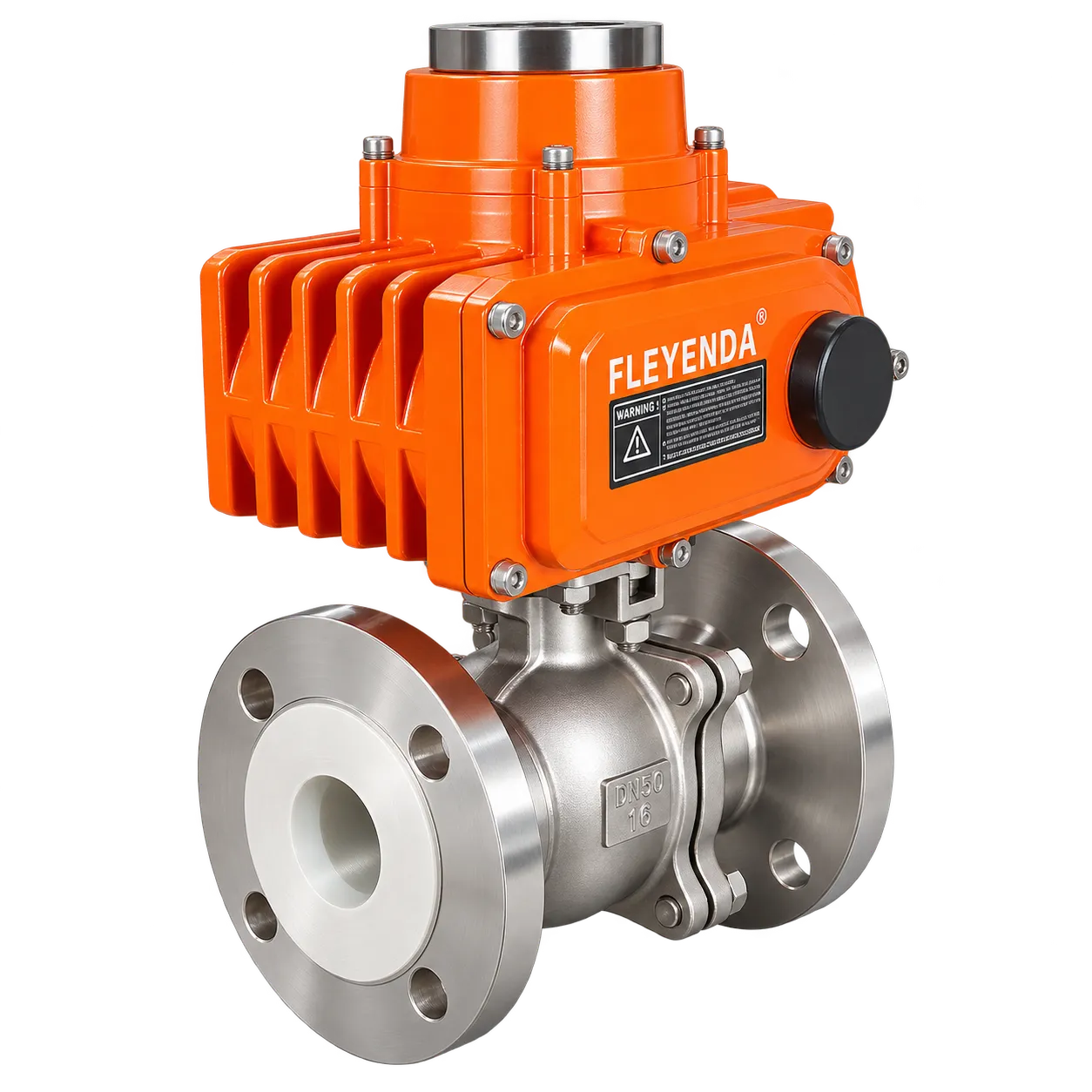
PTFE or PFA lining isolates aggressive process media from the metal valve body while electric actuation enables repeatable remote operation.
Why use a PTFE/PFA-lined electric ball valve?
In aggressive chemical service, lining selection is driven by the actual medium, concentration, temperature and pressure. PTFE and PFA provide a fluoropolymer barrier between the process fluid and the metal valve body.
The FLE-Q-F combines a lined ball valve with electric quarter-turn actuation for remote isolation and selected modulating duties. It is suited to applications where chemical resistance, dependable shutoff and automation are required in the same valve assembly.
- ✓PTFE / PFA-lined wetted flow path for strong acids, alkalis and aggressive chemicals.
- ✓Electric actuator options for on/off, regulating, feedback and intelligent control.
- ✓ANSI, DIN and JIS flanged connection options for industrial piping systems.
- ✓Carbon steel or stainless steel body configurations according to process duty.
Technical specifications
Core FLE-Q-F parameters for project selection. Final limits depend on valve size, lining material, media concentration, operating temperature and actuator torque.
| Size range | DN15–DN300 (½″–12″) |
|---|---|
| Working pressure | PN10–PN16, up to 1.6 MPa / 150 PSI |
| Working temperature | −20°C to +180°C, subject to lining and process conditions |
| Body material | Carbon Steel / Stainless Steel — WCB, CF8, CF8M |
| Lining material | PTFE or PFA |
| Connection | Flanged — ANSI Class 150, DIN PN16, JIS 10K options |
| Applicable media | Strong acids, alkalis, chlorine-containing media, corrosive gases, organic solvents and chemical wastewater |
| Actuation | Electric quarter-turn actuator; on/off, regulating or intelligent configurations |
| Voltage options | DC24V, AC24V, AC110V, AC220V, AC380V |
| Design references | GB/T 12237, ISO 5211, ASME B16.34 |
| Testing | GB/T 13927, API 598 |
| Fire-safe option | Selected API 607 / ISO 10497 compliant versions available |
| Protection | IP67 standard on selected actuators; IP68 optional |
| Explosion-proof option | Selected Ex d II BT4 / CT4 / CT6 Gb actuator configurations |
*Confirm the final temperature, chemical compatibility and pressure rating for the actual media, concentration and operating cycle.
PTFE vs PFA: choose by process conditions
Both fluoropolymer linings provide broad chemical resistance. The correct choice depends on medium concentration, temperature, permeation risk, process cleanliness and operating cycle.
Designed for corrosive media handling
The FLE-Q-F is intended for process lines where an unlined metal flow path may be unsuitable because of aggressive chemical exposure.
Typical services include acid transfer, alkali handling, chlorine-related processes, pesticide and agrochemical production, wastewater neutralization, chemical dosing and solvent transfer. Compatibility should be checked against concentration, temperature, pressure and phase.
Actuator sizing based on valve duty and required control
The electric actuator should be selected from the actual valve torque, differential pressure, media characteristics, cycle frequency and required safety margin.
| Aktüatör | Standard time / torque | Optional time / torque | Weight |
|---|---|---|---|
| FLE-105 | 25s / 50Nm | 4s / 20Nm; 10s / 30Nm | 2,2 kg |
| FLE-110 | 25s / 100Nm | 15s / 50Nm | 5,1 kg |
| FLE-116 | 25s / 160Nm | 15s / 80Nm | 5,1 kg |
| FLE-120 | 25s / 200Nm | 15s / 100Nm | 7,5 kg |
| FLE-140 | 25s / 400Nm | 15s / 200Nm | 7,5 kg |
| FLE-160 | 25s / 600Nm | 15s / 300Nm | 8,1 kg |
| FLE-1100 | 50s / 1000Nm | 25s / 500Nm | 12,7 kg |
| FLE-1200 | 50s / 2000Nm | 25s / 1000Nm | 12,7 kg |
Typical power supplies: DC24V, AC24V, AC110V, AC220V and AC380V depending on actuator configuration. Rotation range: 0–90° adjustable.
Typical applications for PTFE/PFA-lined electric ball valves
These applications commonly require corrosion resistance together with automated shutoff or flow control. Final valve selection should always follow the real process conditions.

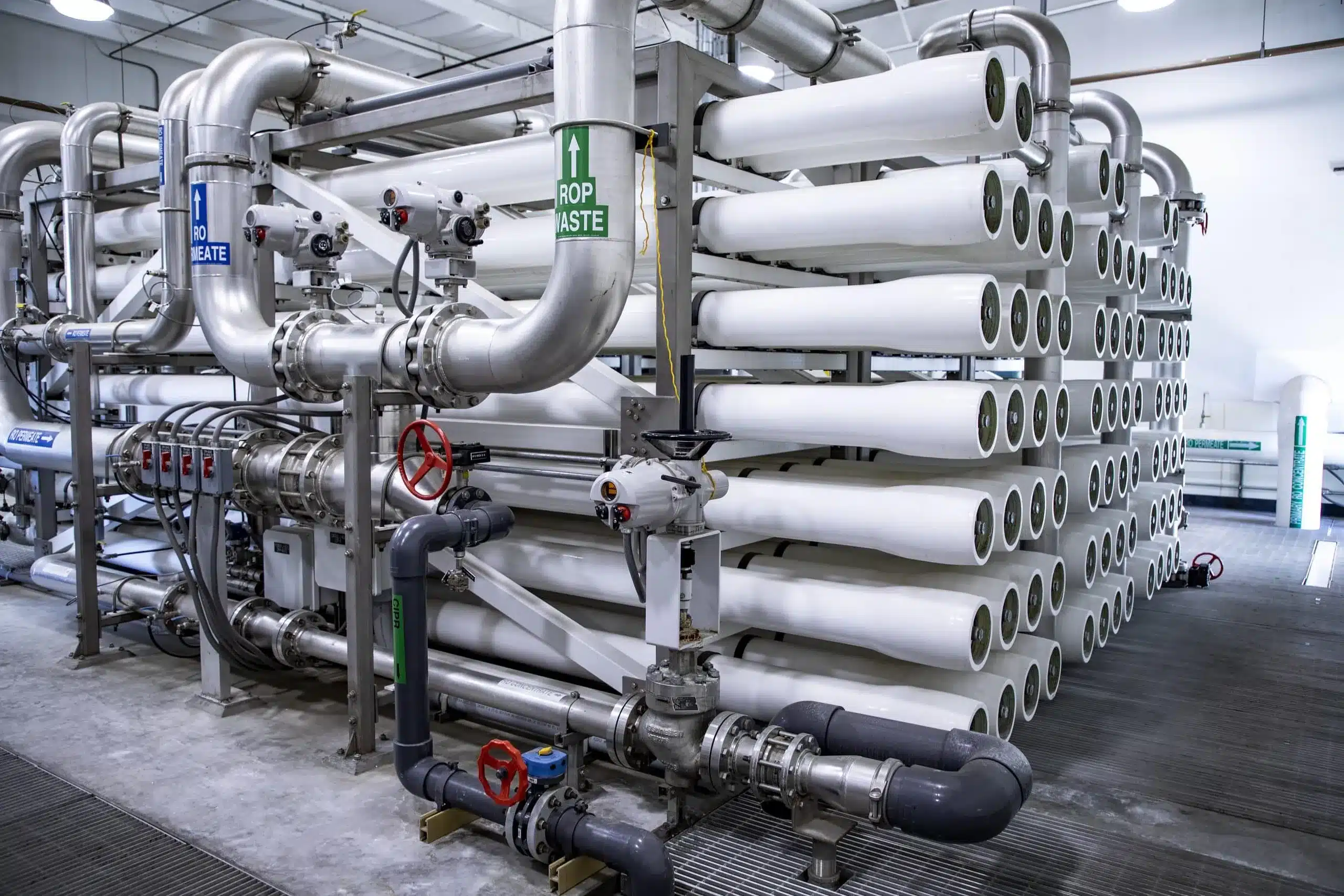
Automated isolation and dosing in corrosive industrial wastewater and treatment chemical lines.

For aggressive raw materials, intermediates and process chemicals requiring lined flow paths.

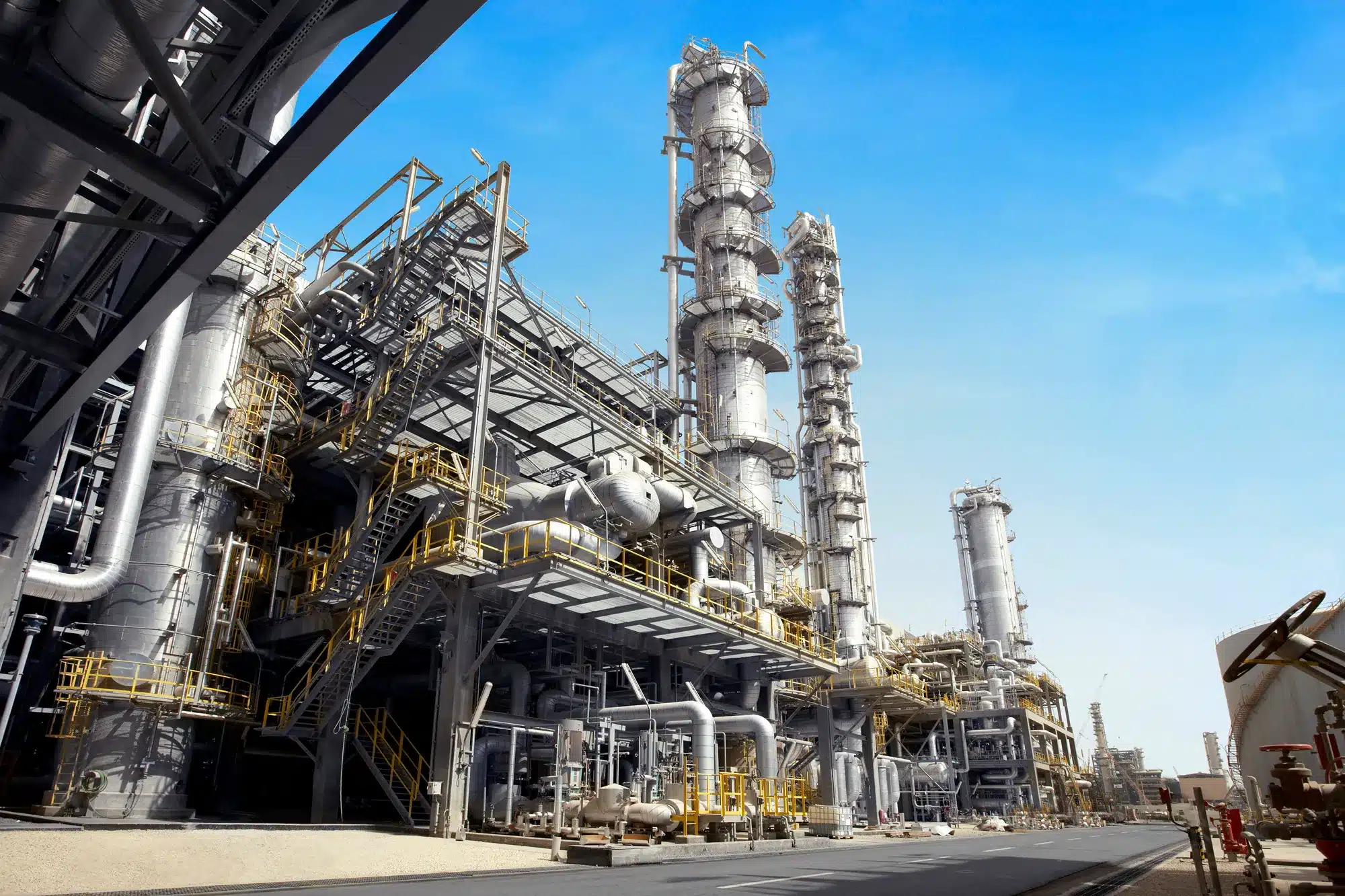
Corrosive media transfer, reactor isolation, utility lines and automated process control.

Suitable where chemical resistance, repeatable actuation and controlled process handling are required.
Specify the process first, then select the actuator
A reliable lined electric ball valve selection starts from chemical compatibility and process conditions, then moves to valve size, flange standard, torque and control requirements.
Identify the medium
Provide the chemical name, concentration, phase, solids content and any crystallization or polymerization risk.
Confirm temperature & pressure
Use the actual operating and design conditions, including vacuum, differential pressure and thermal cycling where relevant.
Select PTFE or PFA
Check chemical resistance, temperature capability, permeability and process cleanliness requirements.
Match size & flange
Confirm DN / inch size and ANSI, DIN, JIS or project-specific flange requirements.
Size actuator torque
Match valve torque under real service conditions and apply an appropriate engineering safety margin.
Define control & protection
Specify power supply, on/off or modulating control, feedback, fail position, IP rating and hazardous-area requirements.
Industrial valve and actuator configurations for automated systems
Selected Fleyenda valve and actuator configurations reference API / GB valve testing, ISO actuator mounting interfaces and IP-rated electric actuator protection.
PTFE/PFA-lined electric ball valve FAQs
Answers to common questions about lining selection, corrosive media, electric actuator control and project specification.
What is a PTFE/PFA-lined electric actuated ball valve?
What is the difference between PTFE and PFA lining?
Can the valve be used for wastewater treatment and chemical dosing?
Is the FLE-Q-F suitable for pesticide or agrochemical production?
Can this lined electric ball valve handle sulfuric or hydrochloric acid?
Which electric actuator control options are available?
What information is needed to select the correct valve?
Send your process conditions for an FLE-Q-F valve recommendation.
Medium, concentration, temperature, pressure, DN size, flange standard, power supply, control mode and fail-position requirement are the key selection inputs.