Bağlantıları atla

FLEYENDA · INDUSTRIAL FLOW CONTROL

Electric Ball Valve for Industrial Flow Control

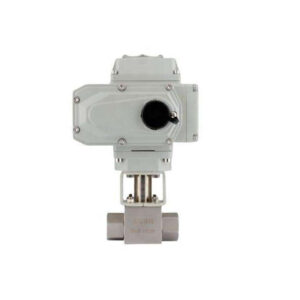
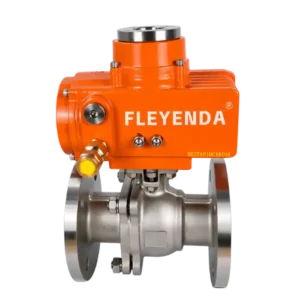
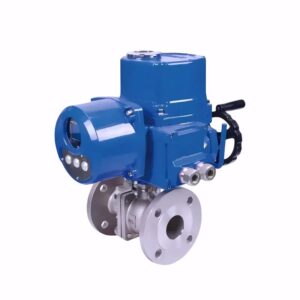
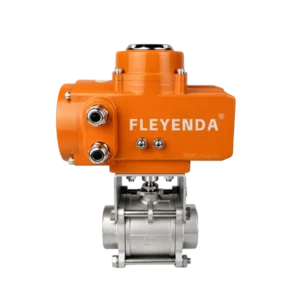
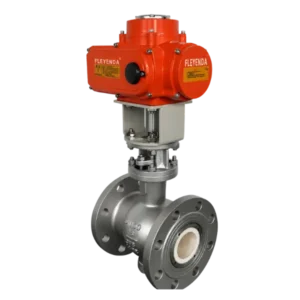
Fleyenda electric ball valves combine quarter-turn valve construction with electric actuation for automated pipeline isolation, flow routing and selected regulating duties. Our range supports different valve configurations, connection standards, wetted materials and actuator control requirements for industrial process systems and equipment manufacturers.

Valve ratings, materials, operating speed and actuator features depend on the selected model and project specifications.

WHY CHOOSE FLEYENDA

Electric Ball Valves Designed Around Your Application

Choosing an electric ball valve involves more than selecting a valve size. The body construction, flow path, sealing materials and electric actuator must work together to meet the requirements of the process. Fleyenda supports industrial valve selection for automated equipment, process piping and integrated flow control systems.

01 / VALVE CONFIGURATION

Multiple Designs for Different Flow Requirements

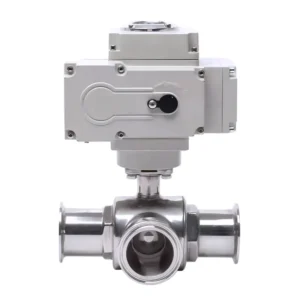
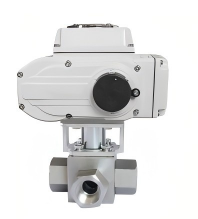
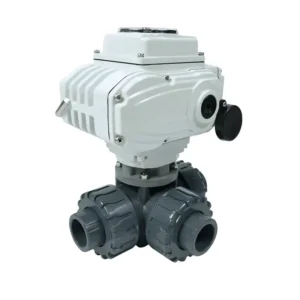
Depending on the application, electric ball valves can be configured for 2-way shutoff, 3-way flow diversion or mixing, and selected V-port regulating duties. Threaded, flanged, wafer and sanitary connection options help engineers match the valve to the pipeline and installation space.
02 / MATERIAL SELECTION

Body and Sealing Materials Matched to the Medium

Stainless steel, carbon steel, UPVC and selected lined constructions serve different process conditions. The body, ball, seat and seals should be evaluated against the fluid composition, pressure, temperature and chemical compatibility before a valve is specified.

03 / ELECTRIC AUTOMATION

Actuator Options for Industrial Control Systems

Electric actuator configurations can support remote ON/OFF operation, position feedback and selected modulating control. Depending on the model, options may include AC/DC power supplies, 4–20 mA or 0–10 V signals, IP protection and explosion-proof configurations.

Engineering principle: Select the process-compatible valve first, then confirm operating torque, actuator voltage, control mode, operating time and environmental protection. The final assembly should be verified against the actual operating conditions.

MANUFACTURING · QUALITY · DELIVERY

Manufacturing Strength & Global Delivery

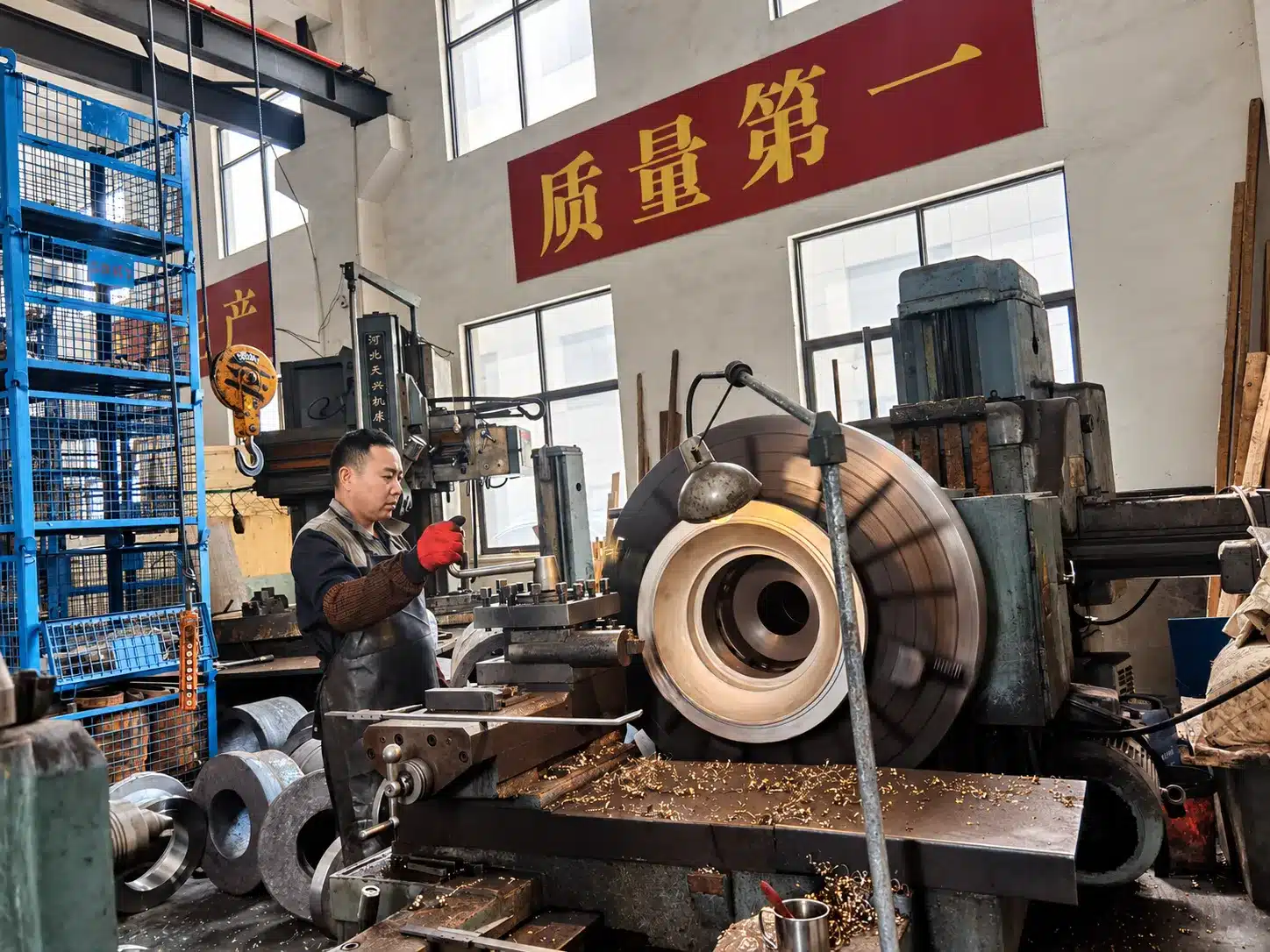
From valve assembly and quality inspection to export packaging and dispatch coordination, Fleyenda supports industrial buyers with a structured production and delivery process. Explore our manufacturing workflow and finished valve preparation through real factory and shipment photographs.

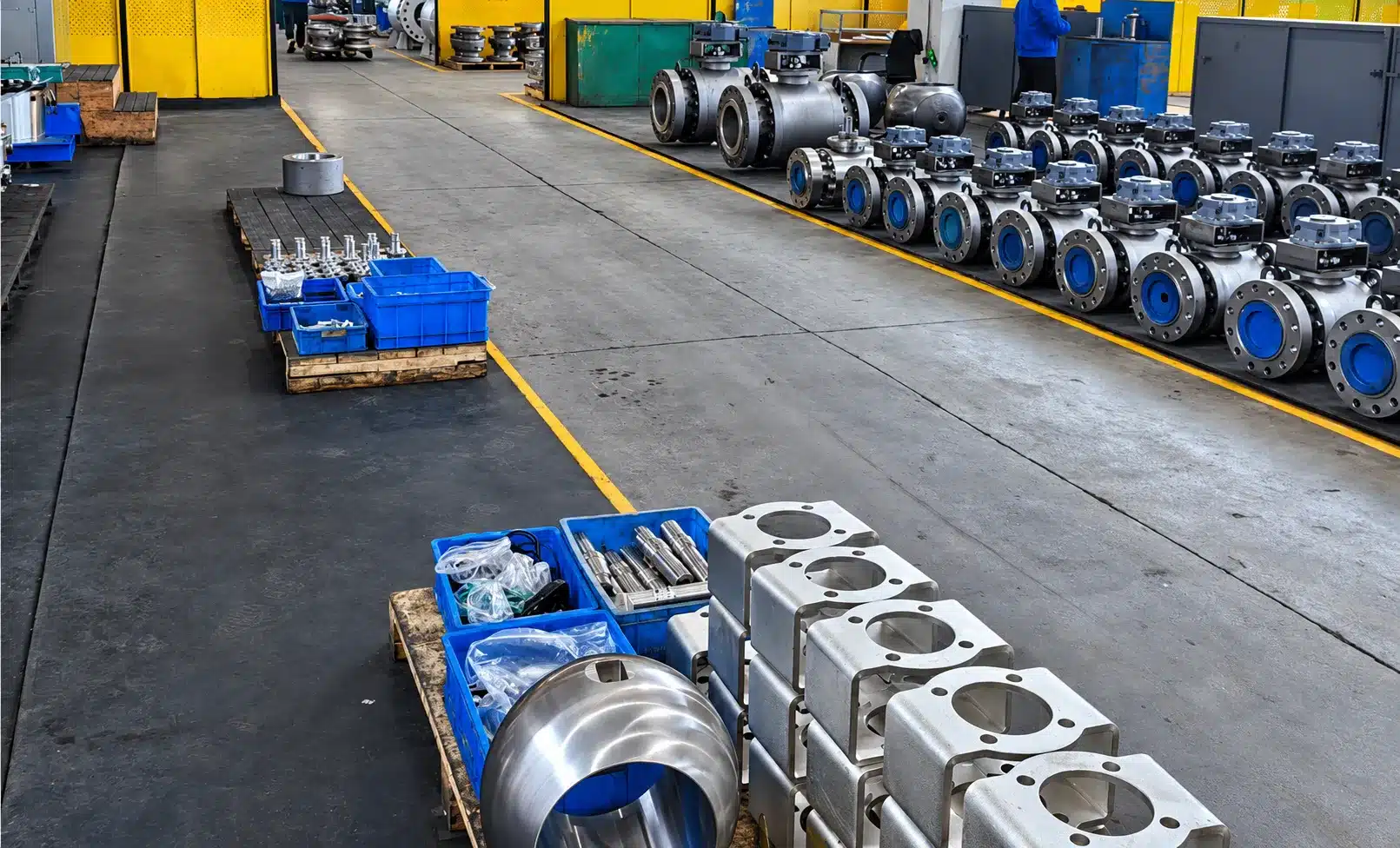
Electric actuated ball valve manufacturing and assembly at Fleyenda
MANUFACTURING

Valve Assembly & Production

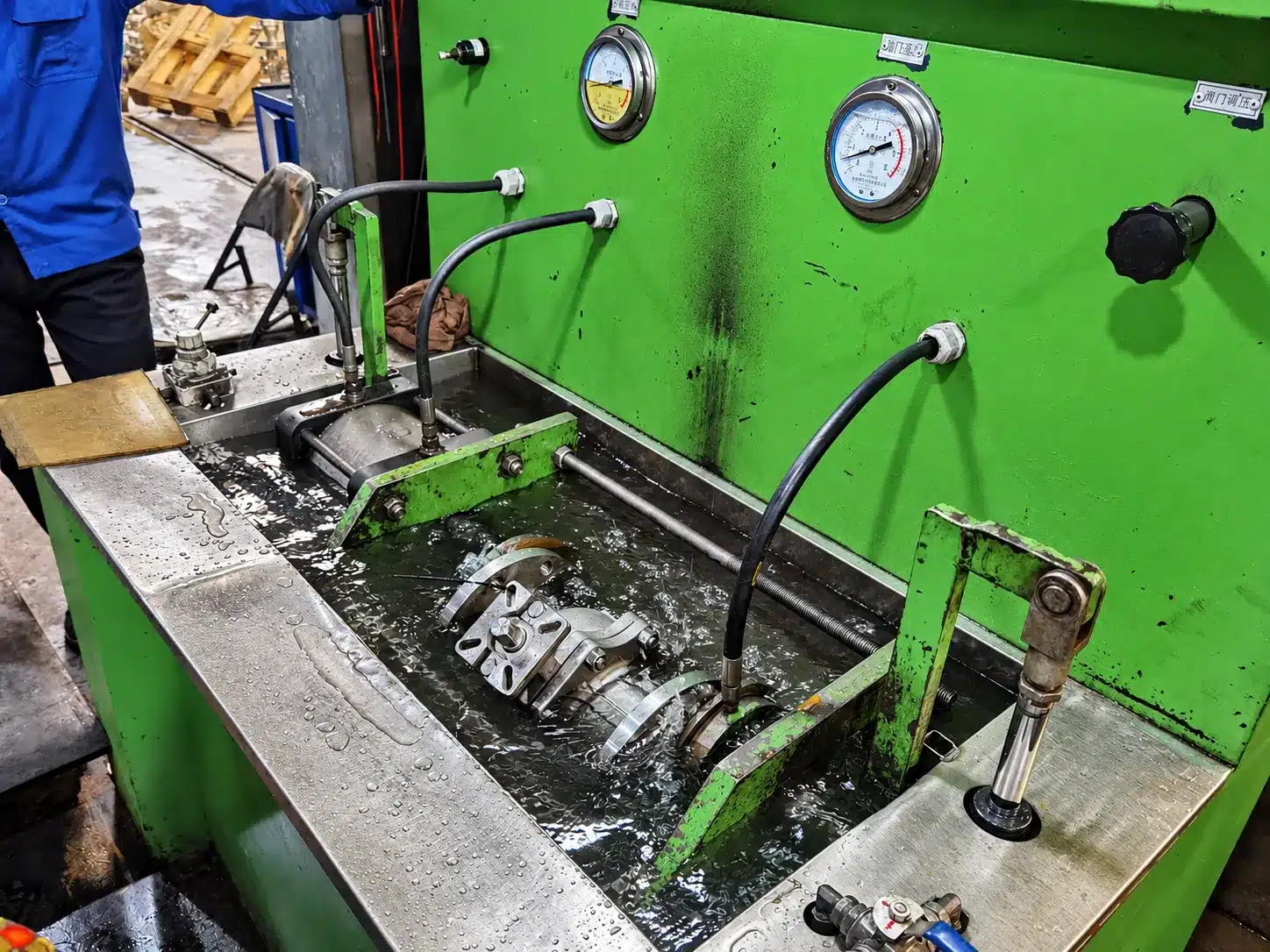
Quality inspection of electric actuated ball valves
QUALITY CONTROL

Product Inspection

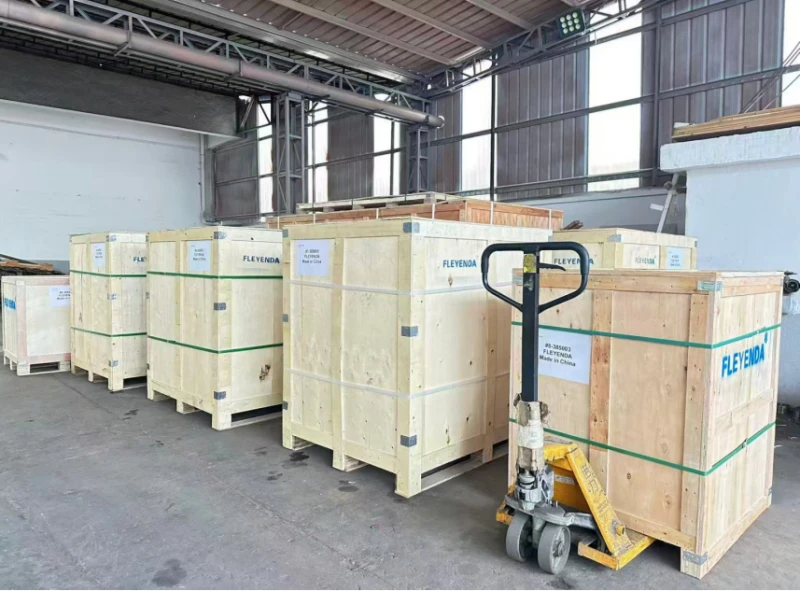
Export packaging preparation for industrial electric ball valves
EXPORT PACKAGING

Packaging & Protection

Finished electric ball valves prepared for dispatch
FINISHED PRODUCTS

Ready for Dispatch

Industrial valves being loaded for export shipment
DELIVERY

Loading & Dispatch

01
Manufacturing & Assembly Electric ball valve configurations assembled to suit different connection, material and actuator requirements.
02
Quality Control Inspection checks help verify valve configuration, appearance and operation before packing.
03
Export Packaging & Delivery Packaging and dispatch coordination support safe handling and international delivery requirements.

INDUSTRIAL APPLICATIONS

Electric Ball Valve Applications Across Industries

Electric ball valves are selected for industrial systems that require remote isolation, automated switching or compatible flow-routing functions. Valve materials, actuator protection and control requirements should be matched to each process.

From water treatment equipment to chemical process lines and OEM machinery, the correct specification starts with the medium, pressure, temperature and required flow function.

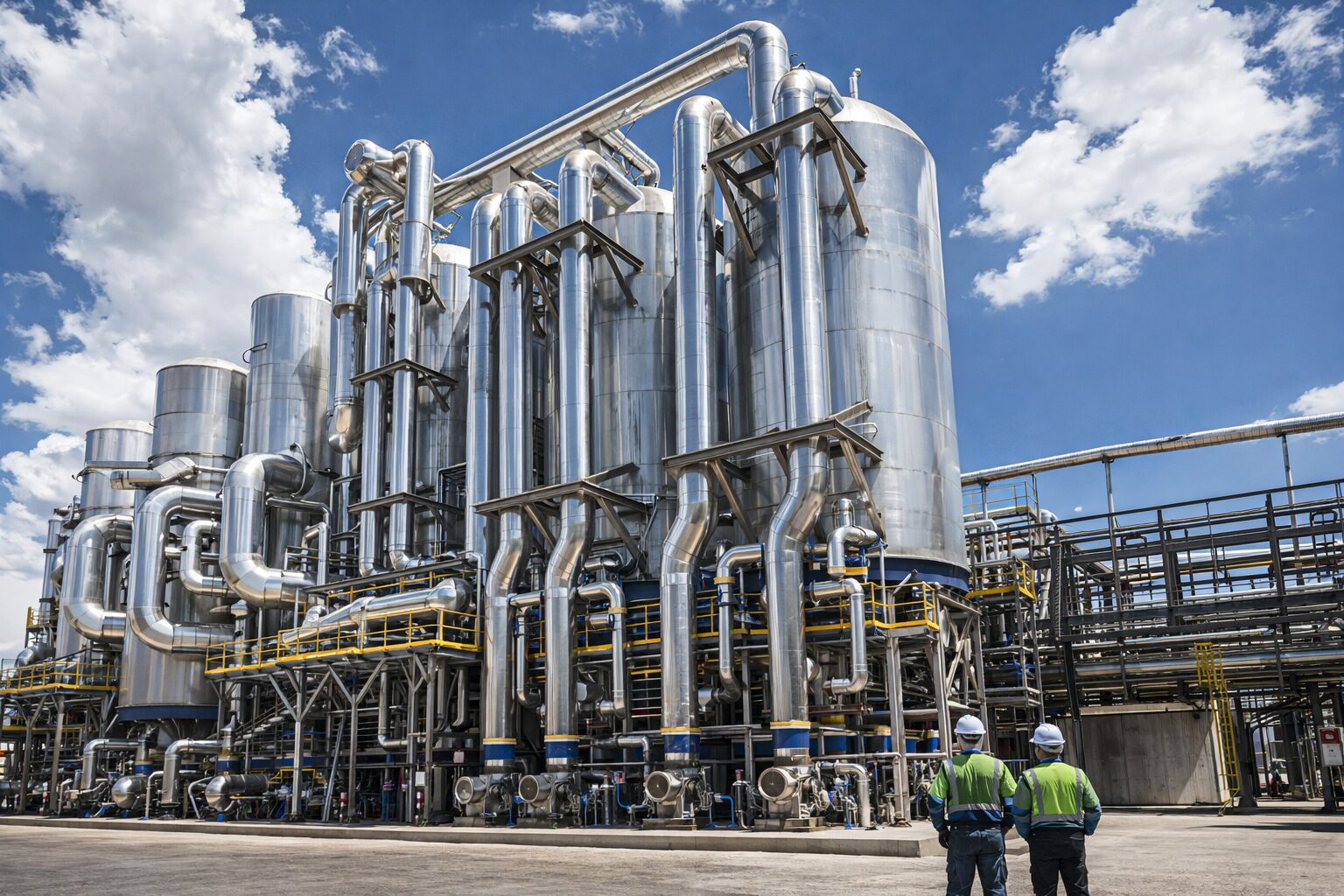
Industrial water treatment plant and process piping for electric ball valve applications
01 / WATER & WASTEWATER

Water Treatment Systems

Electric ball valves can automate compatible filtration systems, pump skids, dosing equipment and water distribution lines.

Selection focus: Water chemistry, dosing chemicals, operating pressure and actuator protection.
Chemical processing plant with industrial tanks and process pipelines
02 / CHEMICAL PROCESSING

Chemical Transfer & Dosing

Compatible stainless steel, plastic or lined valve constructions can support chemical transfer and dosing applications.

Selection focus: Fluid concentration, corrosion resistance, seat compatibility and temperature.
Oil and gas industrial pipeline installation for automated valve control
03 / OIL & GAS

Oil, Gas & Energy

Selected electric ball valves provide automated isolation in compatible process and utility services where the valve and actuator meet project requirements.

Selection focus: Pressure class, leakage criteria, area classification and certification.
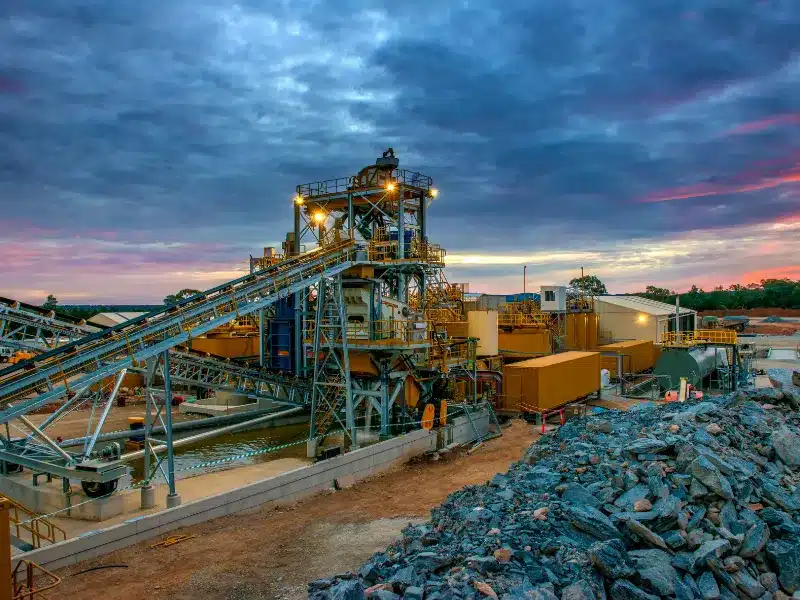
Metallurgical production facility with industrial process utilities
04 / METALLURGY

Metallurgy & Heavy Industry

Automated valves can serve compatible cooling-water circuits, auxiliary equipment and process utility systems in heavy industrial plants.

Selection focus: Cycling frequency, differential pressure, ambient conditions and maintenance access.
Food and beverage production equipment with sanitary process piping
05 / FOOD & BEVERAGE

Food Processing Equipment

Selected sanitary electric ball valves can be used in compatible ingredient transfer and beverage processing applications.

Selection focus: Sanitary connections, wetted materials, cleaning conditions and documentation.
Industrial equipment skid and automation system with integrated process valves
06 / OEM & SYSTEM INTEGRATION

Equipment Manufacturers

Electric actuated ball valves can be integrated into automated skids, dosing packages, machinery and industrial equipment.

Selection focus: Installation dimensions, torque, supply voltage, signals and feedback.

VALVE DESIGN & FLOW FUNCTION

2-Way vs 3-Way vs V-Port Electric Ball Valves

Different ball geometries serve different process functions. Identify the required flow path before choosing the valve model and electric actuator.

Engineering note

A standard 2-way ball valve is generally intended for shutoff. Intermediate actuator positioning alone does not guarantee accurate flow regulation. For modulating service, evaluate valve geometry, sizing and the required flow characteristic.

Karşılaştırma2-Way Electric Ball Valve3-Way Electric Ball ValveV-Port Electric Ball Valve
Main functionOpen or close a single flow path.Divert, distribute or mix flow according to the port arrangement.Provide a characterized opening for selected modulating duties.
Ball designTypically a straight-through port.L-port or T-port configuration.V-shaped port designed for a selected flow characteristic.
Tipik kullanım alanlarıPipeline isolation, equipment shutoff and automated switching.Bypass, branch selection and compatible flow-routing circuits.Process applications requiring a selected flow-regulating characteristic.
Key sizing factorsOperating torque, differential pressure and seat performance.Port pattern, required flow route and actuator switching sequence.Cv/Kv, pressure drop, flow range and positioning requirements.
Control considerationsVerify shutoff requirements and avoid unsuitable throttling duty.Confirm flow paths at each operating position.Confirm modulating capability and the required valve flow characteristic.

WORKING PRINCIPLE

How an Electric Ball Valve Works

An electric actuator uses a motor and gearbox to rotate the valve stem. The ball changes position to open, close or route the flow path. Actual operation depends on the valve construction, actuator configuration and control system.

01 / COMMAND

Electrical Signal

A local controller, relay, PLC or DCS provides the operating command for the selected actuator.

02 / ACTUATION

Motor & Gearbox

The motor and reduction gearbox generate the torque needed to operate the valve under specified conditions.

03 / POSITION

Ball Rotation

The actuator turns the stem and ball to the required position according to the selected valve design.

04 / FLOW

Isolation or Routing

The resulting flow path depends on ball geometry, valve position, differential pressure and process conditions.

BODY · SEAT · SEALS

Electric Ball Valve Material Selection

Choosing a suitable electric ball valve starts with the actual process medium and operating conditions. The valve body, ball, seat and seals should be assessed as one wetted assembly to ensure material compatibility and expected service performance.

Before specifying materials

Provide the fluid composition, concentration, operating temperature, pressure and any cleaning chemicals. Final compatibility should be verified for the specific valve model.

01

SS304, SS316 & SS316L Stainless Steel

Consider corrosion resistance, mechanical properties and process conditions. The appropriate grade depends on the fluid and operating environment.

02

Carbon Steel Valve Bodies

Suitable for selected industrial services when the body material meets the process chemistry, pressure-temperature envelope and project requirements.

03

UPVC Electric Ball Valves

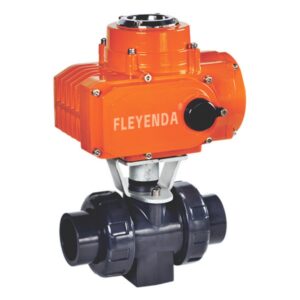
Can be considered for compatible water treatment and chemical applications. Confirm chemical resistance and temperature-dependent pressure limits.

04

PTFE / PFA-Lined Constructions

Selected lined valves provide a corrosion-resistant wetted barrier for compatible aggressive media. Verify the actual lining and operating limitations.

05

PTFE, PPL & Other Seat Materials

Seat material affects sealing performance, friction, torque, temperature capability and wear. Availability varies by valve series.

06

Stem Seals & Complete Wetted Assembly

Evaluate all wetted components against the medium, concentration, cleaning agents, operating temperature and service conditions.

ELECTRIC ACTUATION & CONTROL

How to Select an Electric Actuator for a Ball Valve

Actuator sizing and configuration depend on valve torque, control requirements and the installation environment. Specifying these factors together helps ensure the complete valve assembly meets the intended duty.

01 / TORQUE

Operating Torque

Evaluate valve torque under actual differential pressure, seat friction and process conditions, with an appropriate engineering margin.

02 / POWER

AC & DC Supply

Confirm the available supply voltage, wiring arrangement and electrical requirements for the specific actuator model.

03 / CONTROL

ON/OFF & Modulating

Specify discrete open/close operation or a suitable modulating actuator with the required positioning input and feedback.

04 / OPERATING TIME

Actuation Speed

Confirm the required operating time against valve size, torque, actuator capability and expected switching frequency.

05 / ENVIRONMENT

IP Rating & Explosion Protection

Verify the exact IP rating and hazardous-area certification against the installation environment and project classification.

06 / POWER FAILURE

Fail-Safe Requirements

A standard electric actuator does not necessarily move the valve when power is lost. Specify the required fail position and compatible arrangement.

ENGINEERING & PROCUREMENT

What Information Is Needed for an Electric Ball Valve Quote?

Providing a complete specification helps match the valve body, connection, seat materials and actuator to the actual operating conditions. For project orders, a valve schedule or process datasheet is an ideal starting point.

01 / MEDIUM

Process Fluid

Identify the fluid, concentration, corrosive characteristics and solids content where relevant.

02 / OPERATING CONDITIONS

Pressure & Temperature

Provide normal and design pressure, operating temperature and differential pressure across the valve.

03 / FLOW FUNCTION

Valve Configuration

Specify 2-way isolation, 3-way L/T-port routing or a suitable V-port configuration for regulating duties.

04 / MATERIALS

Body, Seat & Seals

Confirm the wetted materials required for the process medium and cleaning conditions.

05 / CONNECTION

Size & Standard

Specify nominal size, threaded or flanged connection, applicable standard, pressure class and installation dimensions.

06 / AUTOMATION

Actuator & Control

Provide voltage, operating time, control mode, signal, feedback, protection rating and power-loss requirements.

For faster technical evaluation: Send your valve schedule, process datasheet or existing valve model along with quantity and delivery destination.

Send Valve Requirements →

TECHNICAL FAQ

Electric Ball Valve Questions

Review common questions about electric ball valve operation, valve configurations, material selection and industrial automation.

SELECTION & ENGINEERING
What is an electric ball valve?

An electric ball valve combines a ball valve body with an electric actuator that rotates the valve stem. Depending on the valve geometry and actuator configuration, it can provide remote isolation, flow routing or selected modulating functions.

What is the difference between a 2-way and a 3-way electric ball valve?

A 2-way ball valve typically opens or closes one flow path. A 3-way ball valve uses an L-port or T-port arrangement to divert, distribute or mix flow. Confirm the required flow route at each operating position.

Can an electric ball valve be used for flow regulation?

Selected configurations support intermediate positioning, but positioning alone does not guarantee accurate flow regulation. For continuous regulating duties, consider a suitable V-port valve and verify the flow characteristic, sizing, differential pressure and actuator positioning capability.

How do I choose between threaded and flanged electric ball valves?

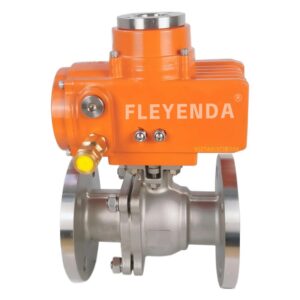
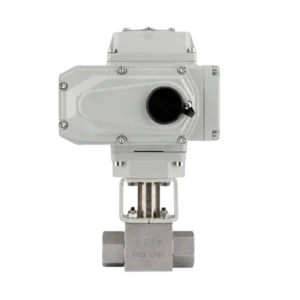
Threaded valves are often considered for compact piping and equipment connections, while flanged designs are common in fixed industrial piping. Confirm the connection standard, nominal size, pressure class, installation dimensions and maintenance requirements.

Which body and seat materials should I choose?

Material selection depends on fluid composition, concentration, pressure and temperature. Evaluate the body, ball, seat and seals as a complete wetted assembly rather than choosing by body material alone.

Which actuator voltage and control signals are available?

Options vary by actuator series. Specify the required AC/DC supply, ON/OFF or modulating duty, control signal such as 4–20 mA or 0–10 V, position feedback and control-system interface.

Are explosion-proof electric ball valves available?

Selected actuator configurations may offer explosion-proof options. Confirm the exact actuator certification against the hazardous-area classification, gas group, temperature class and project requirements.

What information should I send for an electric ball valve quotation?

Provide valve size, medium, operating pressure and temperature, required flow function, materials, connection standard, quantity, power supply, control mode and installation environment. A valve schedule or process datasheet helps clarify the specification.

FLEYENDA · TECHNICAL SUPPORT

Looking for the Right Electric Ball Valve for Your Project?

Share your process conditions, valve schedule, connection requirements or equipment specifications. Fleyenda can review the suitable valve construction, wetted materials and electric actuator configuration for your application.

Request a Technical Quote →
Bu web sitesi, web deneyiminizi iyileştirmek amacıyla çerezler kullanmaktadır.