


OIL AND GAS
Actuator Valve Solution for Oil & Gas Solution
Fleyenda delivers API-certified valve solutions engineered for the extreme conditions of the oil and gas industry. From drilling to refining, our high-performance valves ensure safety, efficiency, and long-term reliability in critical operations.

Explore Our Products
Valve Automation Solutions for Oil and Gas
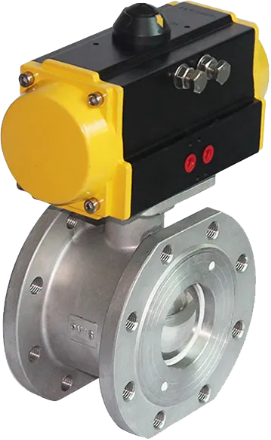
Fleyenda provides electric and pneumatic actuated valve solutions for oil and gas applications, including drilling, wellhead control, pipelines, storage terminals, LNG, refineries, and petrochemical processing. Our valve automation systems are engineered for high pressure, corrosive media, explosive environments, remote operation, and reliable shutdown control.
Common Problems in Oil & Gas Valve Applications
Oil and gas valve applications often involve high pressure, high temperature, corrosive media, hazardous areas, and continuous operation. These conditions create strict requirements for sealing performance, material selection, flow control, equipment protection, and process safety.
Why Valve Selection Matters
- Reduce leakage risk in critical oil and gas pipelines
- Improve reliability under high pressure and harsh media
- Support safer flow control and emergency shutdown operation
Leakage in Critical Pipelines
Poor sealing performance may cause product loss, environmental risk, fire hazards, and unplanned shutdowns in oil and gas systems.
High Pressure & Temperature
Valve body strength, seat material, sealing design, and pressure rating must match demanding working conditions.
Corrosion from Sour Gas
H₂S, CO₂, crude oil, seawater, and chemical media can cause corrosion, sealing failure, and shorter service life.
Hazardous Area Safety
Flammable gas environments may require fire-safe design, anti-static structure, explosion-proof actuators, and ESD functions.
Backflow & Water Hammer
Reverse flow and pressure surges can damage pumps, compressors, pipelines, and process equipment.
Unstable Flow Control
Poor valve selection may result in inaccurate flow, pressure, temperature, and level control in process systems.


OUR FOCUS
Oil & Gas Industry
The oil and gas sector powers the global economy, delivering essential fuels for transportation, energy for industries, and key feedstocks for plastics and petrochemicals that impact everyday life. Fleyenda’s extensive portfolio of valves, actuators, and accessories is expertly engineered and field-proven to deliver reliable performance across demanding applications — from oil sands and natural gas gathering to hydrocracking, fluid catalytic cracking, delayed coking, and other severe service conditions.
UPSTREAM SOLUTIONS
High-Performance Valves for Exploration and Drilling Challenges
The upstream sector involves exploration and drilling in harsh environments with high pressure, corrosion, and well control risks. Fleyenda offers high-pressure corrosion-resistant ball valves, API 6A-compliant wellhead gate valves, and BOP-related valves to ensure operational safety and system stability.

MIDSTREAM SOLUTIONS
Reliable Flow Control for Transportation, Storage, and Distribution
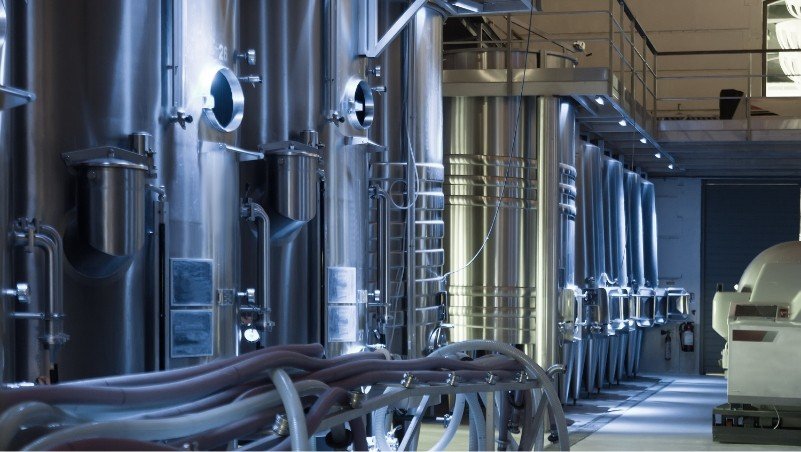
The midstream segment focuses on the transportation, storage, and distribution of oil and gas, where tight sealing, durability, and automation are critical. Fleyenda supplies long-life full-bore gate valves, smart electric ball valves, and fire-safe check valves for pipelines, tank farms, and compressor stations.
DOWNSTREAM SOLUTIONS
Precision and Durability for Refining and Petrochemical Operations
The downstream sector covers refining, petrochemicals, and derivative product manufacturing, where valves face complex media, corrosive conditions, and demand for energy efficiency. Fleyenda delivers control valves with E/P positioners, PTFE-lined butterfly valves, and stainless-steel ball valves for precise, automated flow control in demanding chemical and environmental applications.
Recommended Actuator Valve for Oil & Gas Applications
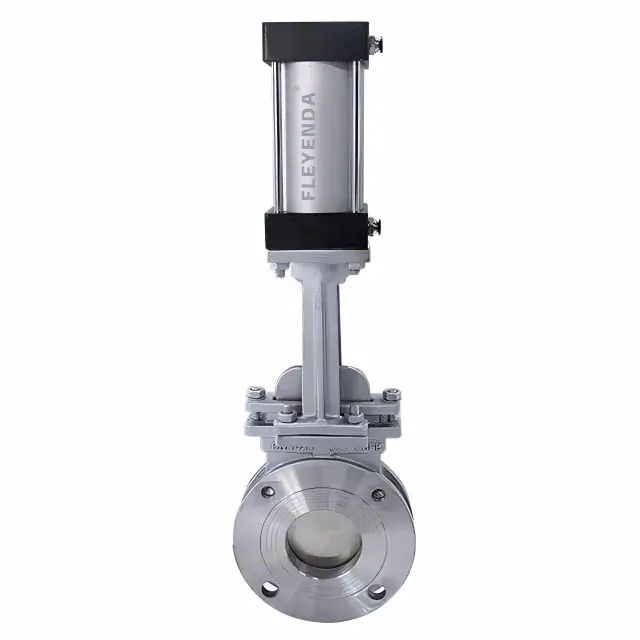
DN50–DN1000 Pneumatic Knife Gate Valve with Air Cylinder Actuator
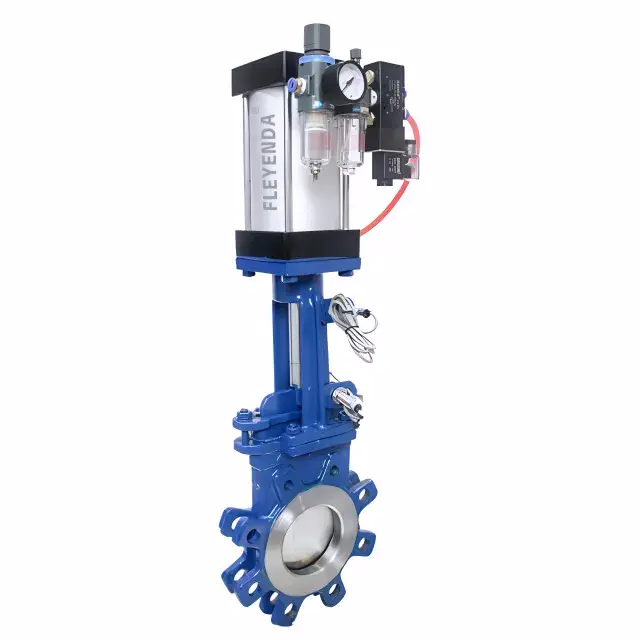
6 Inch Stainless Steel Pneumatic Knife Gate Valve with Air Cylinder Actuator
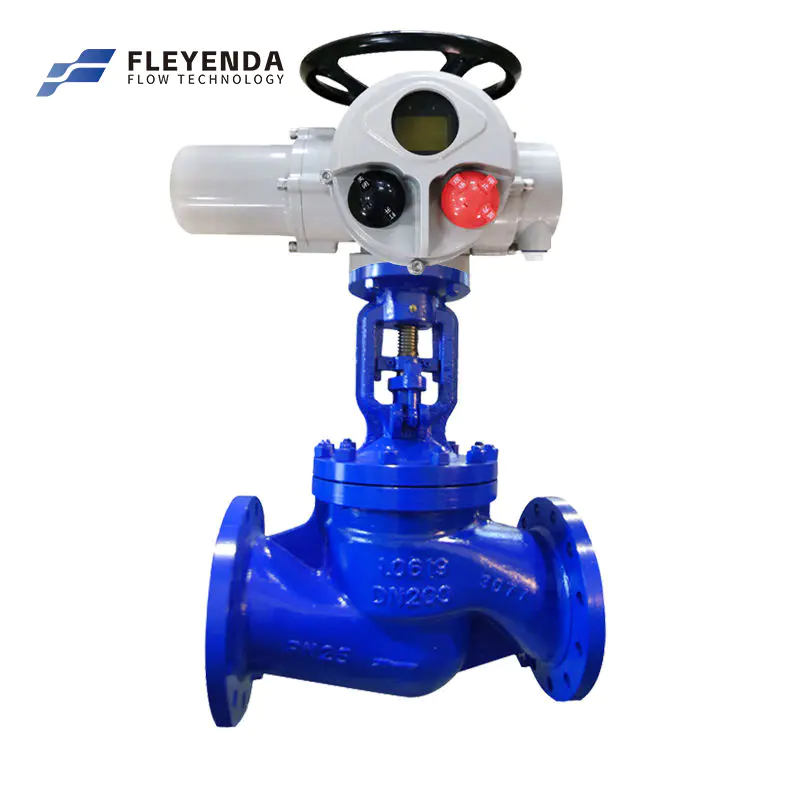
Multi-Turn Motorized Globe Valve DN50–DN1000 | Electric Control Valve
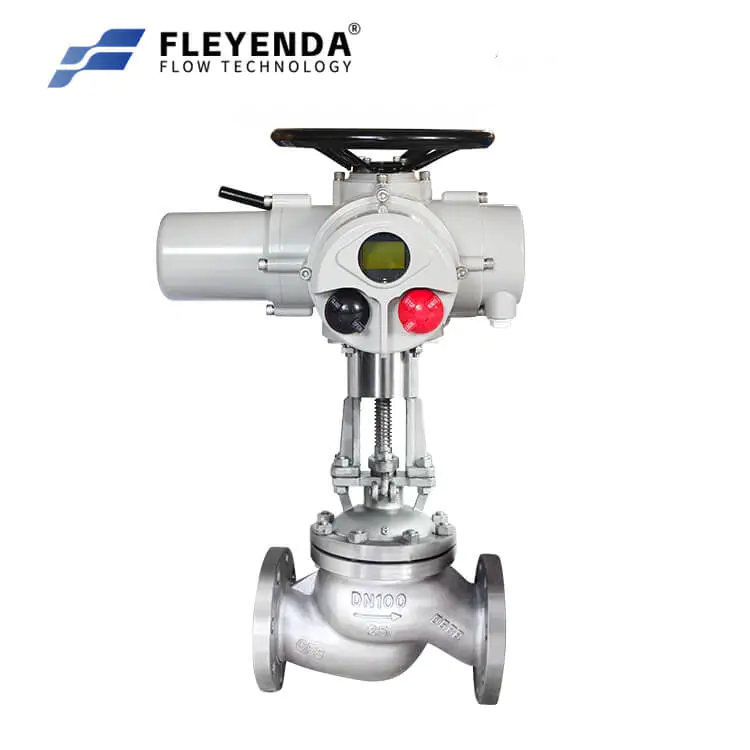
PN20 Multi-Turn Electric Globe Valve with Actuator | FLE-Z30-SKG
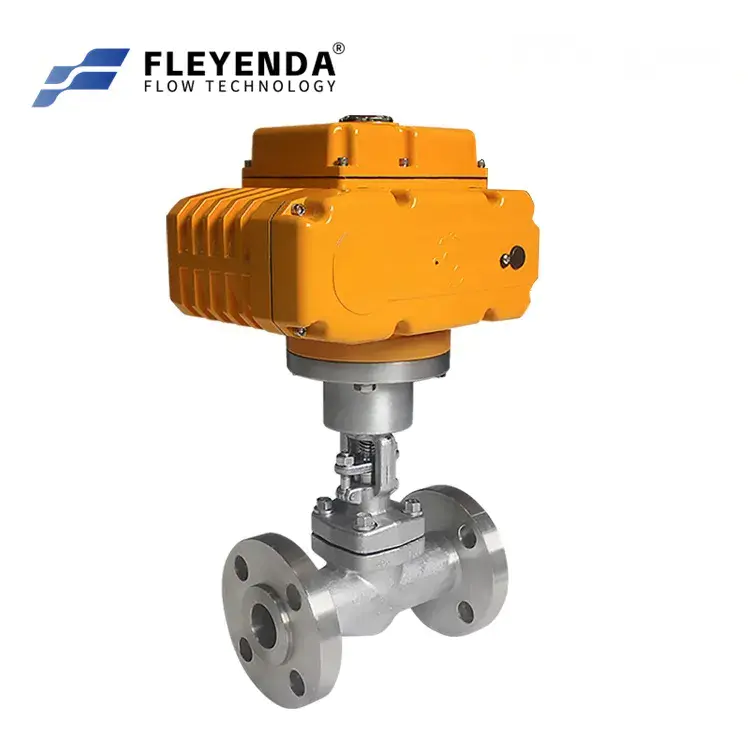
Stainless Steel 10K Flanged Explosion-Proof Electric Globe Valve | FLE-QH-GV
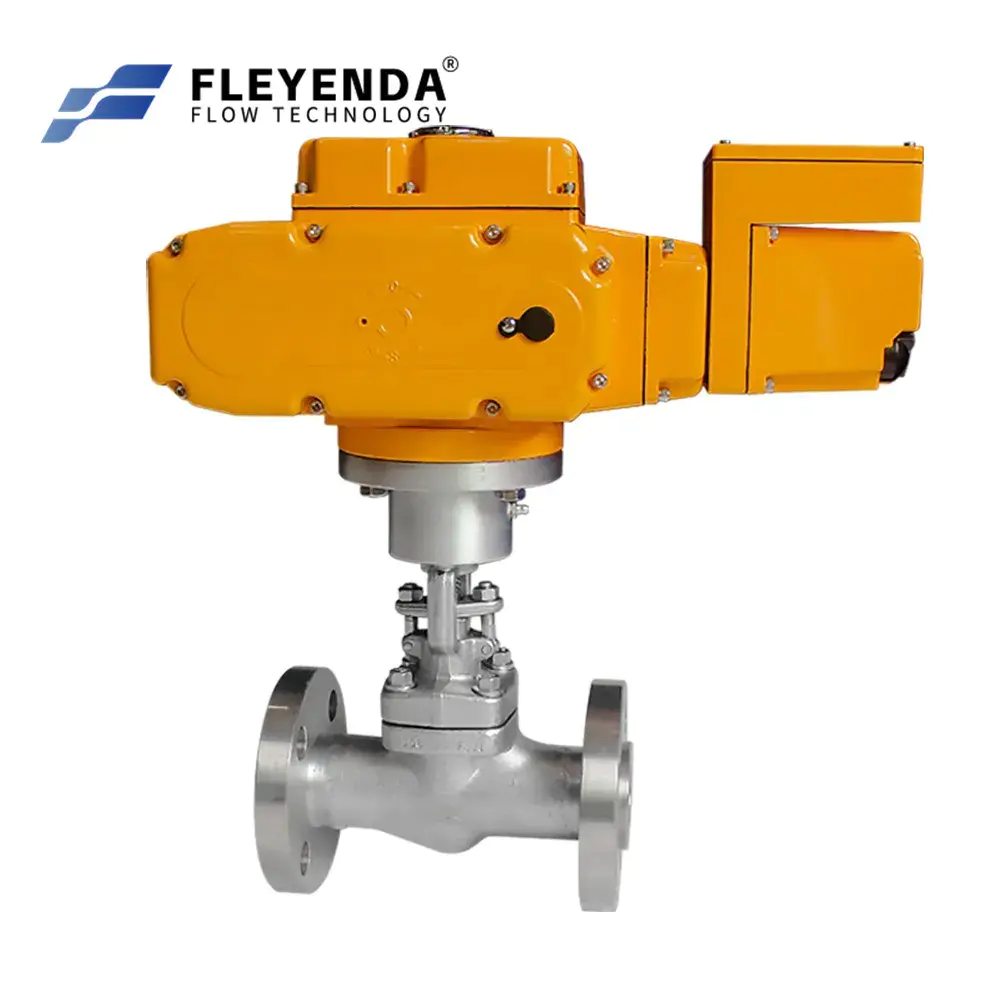
Intelligent Multi-Turn Electric Globe Valve | FLE-QH-FGV
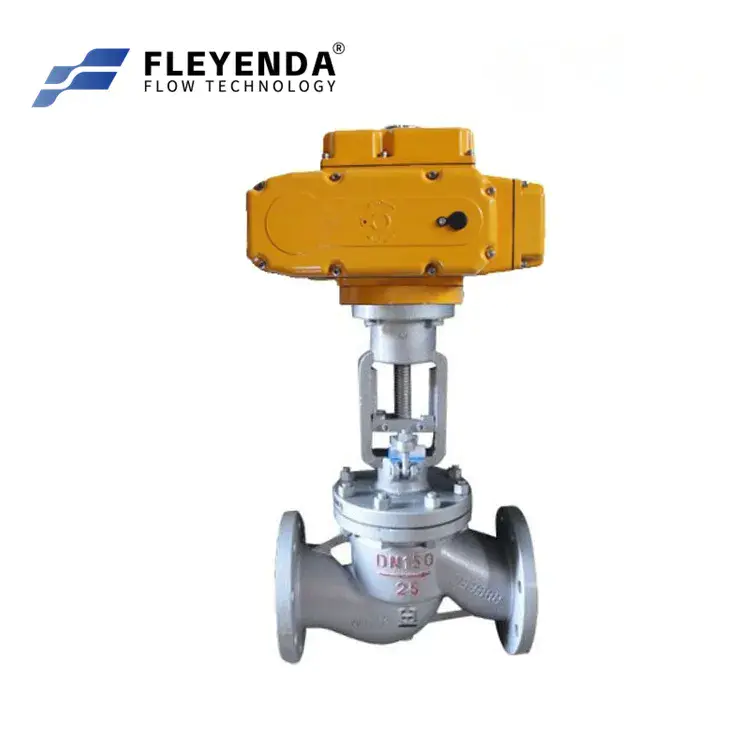
Mini Unidirectional Electric Globe Valve with Multi-Turn Actuator | FLE-QH-FGV
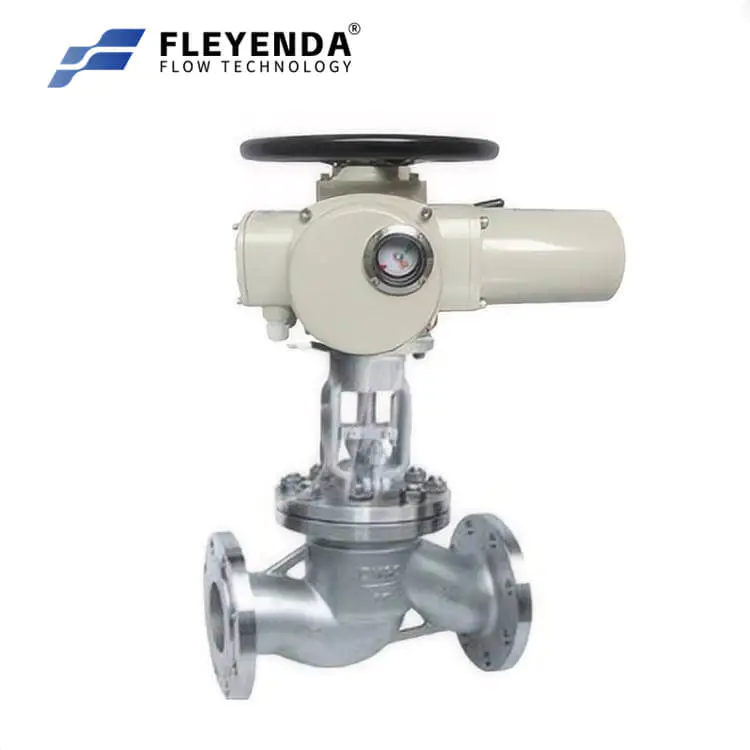
Cast Iron Electric Rotary Globe Valve with Actuator | FLE-Z20-SKG
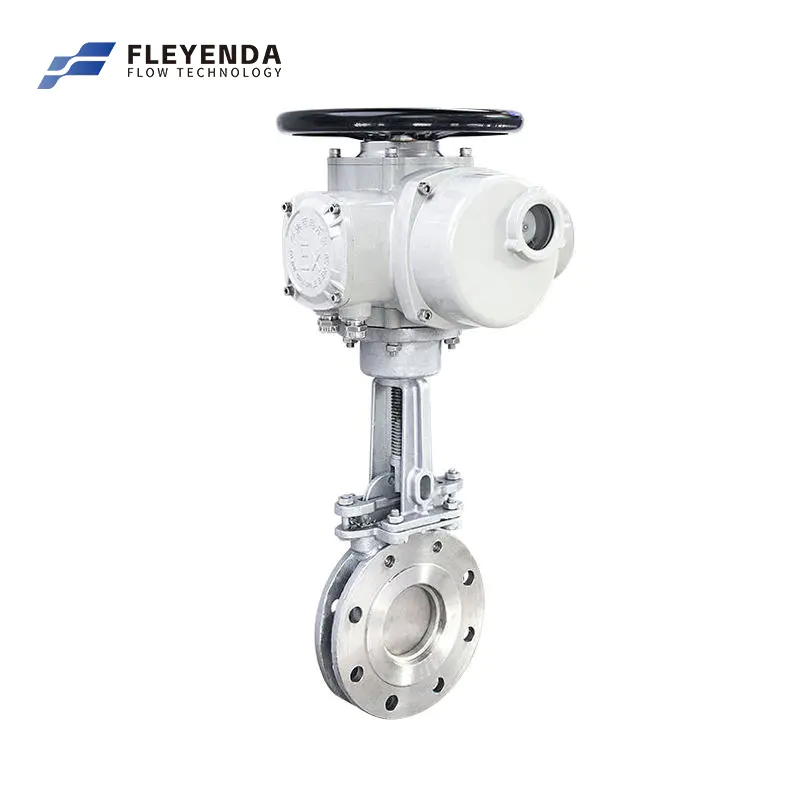
Electric Multi-Turn Knife Gate Valve | FLE-Z30-KG
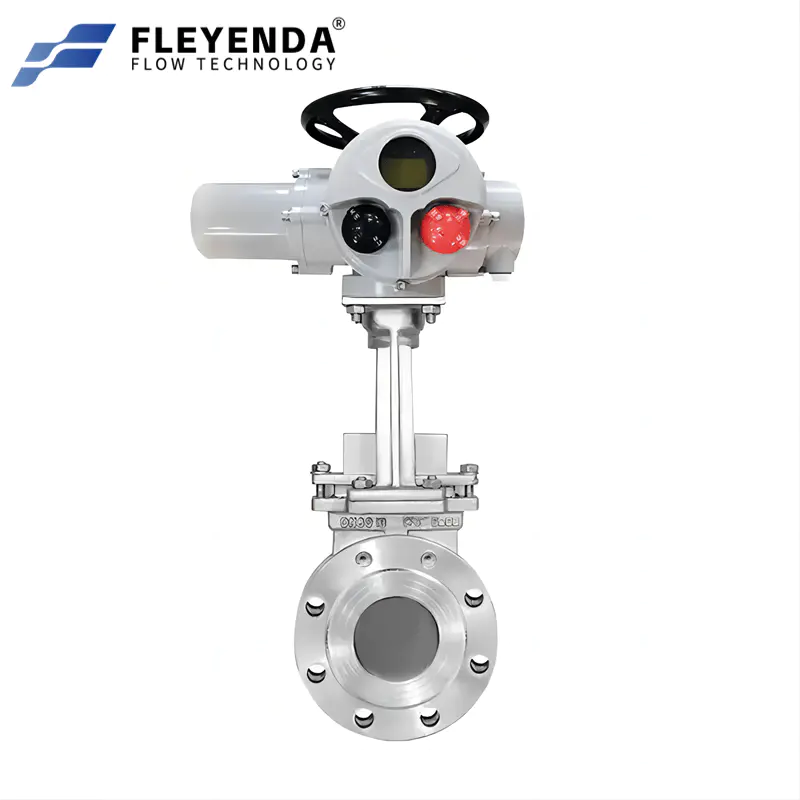
PN1.0 Multi-Turn Electric Knife Gate Valve DN50–DN500 | FLE-Z05-KG
Frequently Asked Questions About Oil & Gas Valves
Common questions about oil and gas valve selection, actuated valve solutions, electric and pneumatic actuators, explosion-proof options, materials, standards, and project documentation.
What types of valves are commonly used in oil and gas applications?
Common oil and gas valves include ball valves, butterfly valves, check valves, globe valves, control valves, and safety valves. Ball valves are often used for pipeline isolation and shutoff, butterfly valves for large-diameter flow control, check valves for backflow prevention, globe and control valves for process control, and safety valves for overpressure protection.
How do I choose the right valve for an oil or gas pipeline?
Valve selection depends on medium, pressure, temperature, flow rate, valve size, connection type, body material, sealing material, operation method, and applicable oil and gas project standards.
When should I use an actuated valve in oil and gas systems?
Actuated valves are recommended when remote operation, automatic control, fast shutoff, emergency shutdown, or integration with PLC, DCS, or process control systems is required. Ball valves, butterfly valves, globe valves, and control valves are commonly supplied with electric or pneumatic actuators.
What is the difference between electric and pneumatic actuated valves?
Electric actuated valves are suitable for remote operation, precise positioning, and sites without compressed air. Pneumatic actuated valves are commonly used for fast response, frequent operation, and fail-safe shutoff where plant air supply is available.
Are explosion-proof electric actuators available for hazardous areas?
Yes. Explosion-proof electric actuators can be used in hazardous oil and gas areas where flammable gas or vapor may be present. They are commonly applied to actuated ball valves, actuated butterfly valves, and automated valve packages for refineries, LNG facilities, gas processing plants, and pipeline systems.
Can your valves be used for sour gas or corrosive media?
For sour gas, H₂S, CO₂, seawater, crude oil, or chemical media, proper material selection is essential. Depending on the service condition, valves can be supplied with carbon steel, stainless steel, duplex stainless steel, or materials suitable for NACE-related project requirements.
Which valves are usually self-operated?
Check valves and safety valves are usually self-operated. Check valves prevent backflow, while safety valves or safety relief valves protect equipment from overpressure. Ball valves, butterfly valves, globe valves, and control valves are more commonly automated with electric or pneumatic actuators.
What documents can be provided for oil and gas valve projects?
Common project documents include valve datasheets, dimensional drawings, material certificates, pressure test reports, inspection reports, actuator wiring diagrams, IOM manuals, certificates of compliance, and other technical files required for procurement, approval, installation, and commissioning.