


FAT-Q-TG Pneumatic High-Pressure 3-Ways Ball Valve
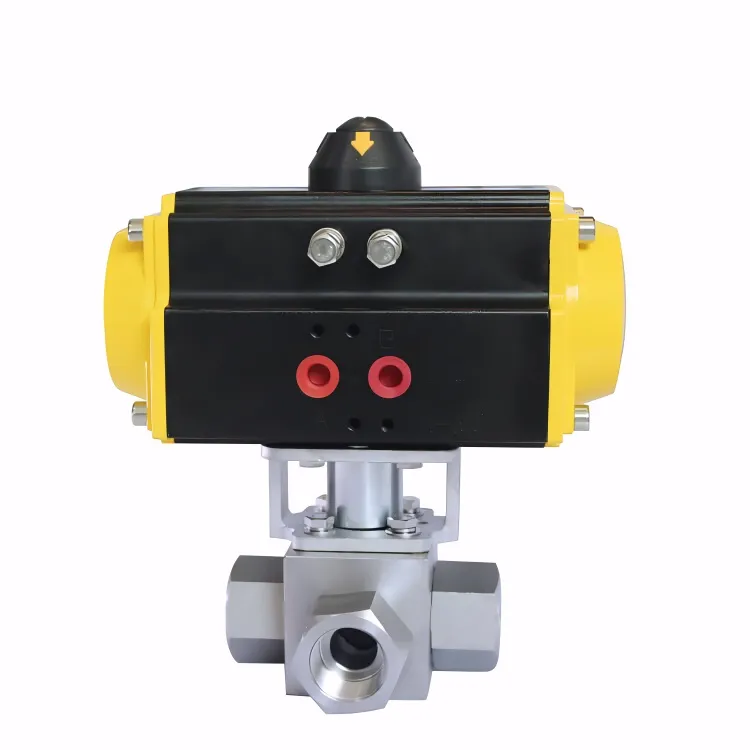
FAT-Q-TG Pneumatic High-Pressure 3-Ways Ball Valve
The Pneumatic High-Pressure 3-Way Ball Valve features a stainless steel body and reinforced seal, ensuring leak-free control up to 1000 PSI; it provides reliable flow diversion or mixing in oil, gas, and chemical systems, reducing maintenance costs and downtime—verified by ISO 5211, API 598, and API 607 certifications.
Technical Specifications
| Size Range | 1/4″–4″ (DN8–DN100) |
| Working Pressure Range: | Up to 1000 PSI (PN63) |
| Working Temperature Range: | -20°C to +180°C |
| Body Material: | Stainless Steel (CF8M/SS316) |
| Connection Type: | Female Thread (BSP/NPT), Flanged, or Welded Ends |
| Applicable Medium: | Water, Oil, Gas, Steam, Corrosive Fluids |
| Actuator Type: | Double Acting or Spring Return Pneumatic Actuator |
| Voltage Options | 24V DC, 110V AC, 220V AC |
| Design Standard | ISO 5211, DIN 3357, ASME B16.34 |
| Testing Standard | API 598, EN 12266-1 |
| Fire-Safe Design | API 607 / ISO 10497 Compliant |
| Certification | CE / RoHS / ISO 9001 / IP65 (Actuator) |
| Customization | Above Are Standard Parameter Samples. If You Have Specific Parameters And Materials, We Can Customize Them All. |
Product Drawings

Comprehensive Technical Drawing (Dimensions & Structure)
Product Benefits & Features
1. Performance & Reliability
• The Pneumatic High-Pressure 3-Way Ball Valve features a stainless steel body rated up to 1000 PSI for stable sealing in demanding flow control.
• Triple-port design enables smooth flow direction switching with low torque.
• ISO 5211 actuator interface ensures precise automation mounting and torque stability.
• API 598-tested for zero leakage in oil, gas, and chemical systems.
2. Control Efficiency & Automation
• The air-operated 3-way valve offers fast response and accurate positioning.
• Double-acting or spring-return actuators provide flexible automation control.
• Supports limit switches, positioners, and feedback integration for smart systems.
• Stable pneumatic torque ensures consistent flow under variable pressure.
3. Corrosion & Safety Protection
• CF8M stainless steel with PTFE/PFA seals resists corrosive chemicals and acids.
• Fire-safe and anti-static design meets API 607 / ISO 10497 standards.
• Anti-blowout stem enhances safety under high pressure.
• Rust- and wear-resistant for long-term industrial use.
4. Installation & Maintenance Efficiency
• T-port and L-port configurations reduce piping complexity.
• Modular pneumatic actuator allows quick replacement without pipeline removal.
• Flanged or threaded connections fit multiple system standards.
• Low-friction seat design minimizes maintenance and extends service life.
Why Choose Fleyenda Valve Manufacturing
Product Stability
We use reinforced structures and precision sealing to ensure consistent performance under pressure and temperature changes.
Conpany&Product Certification
We have CE, RoHS, ISO, SIL, TUV, and IP68 waterproof certifications covering safety, quality, and environmental standards.
Projects Experience
Cooperated over 40 countries, we have experience in oil & gas, energy, water, chemicals, food & beverage, and automation.
Customization Capability
With 20 years experience, we turn complex working conditions into precise valve solutions with high speed and accuracy.
Aftersales Support
•We have technical team provides real-time video support to help customers resolve on-site issues quickly.
Customer Cases
Trusted by Shell plc, Petronas, Chevron, TotalEnergies, and Dupont in projects across 40+ countries.
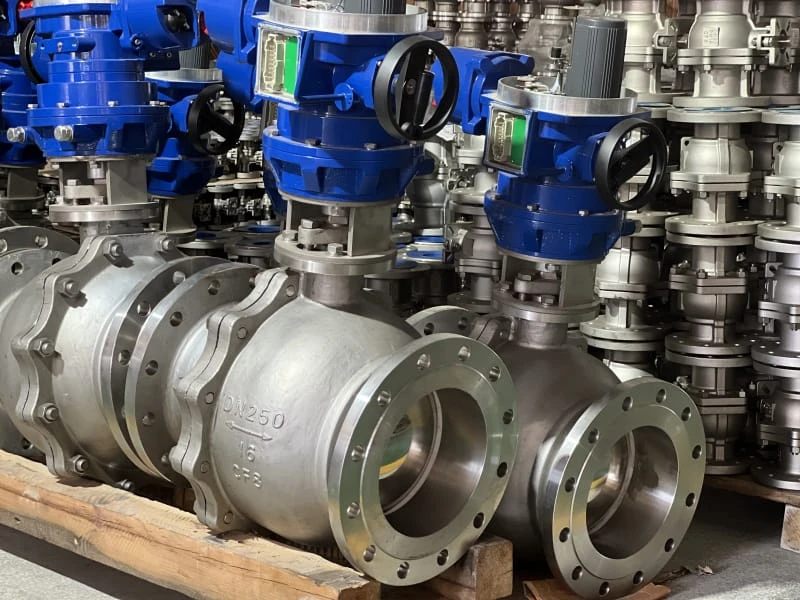
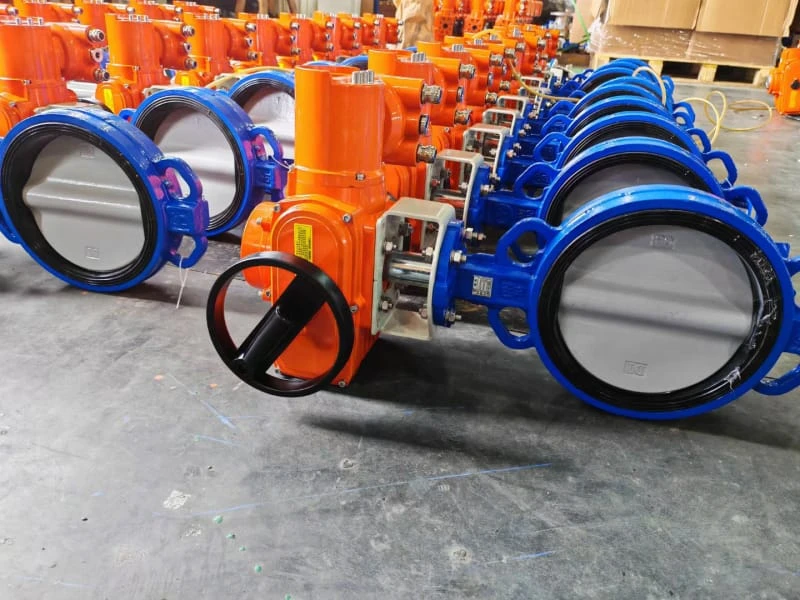
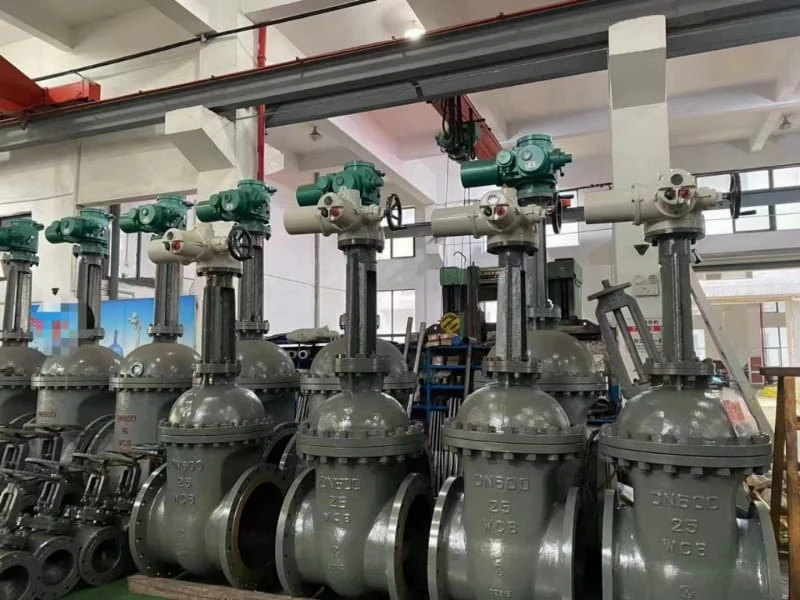
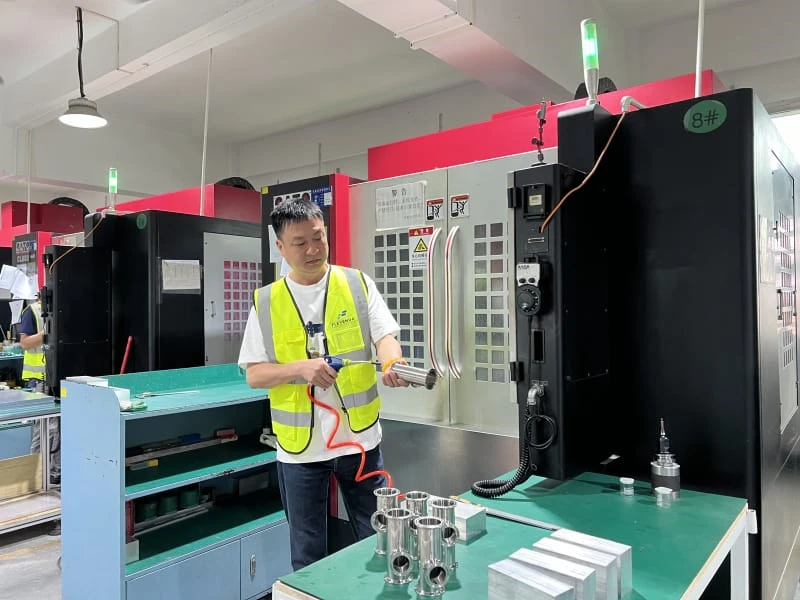
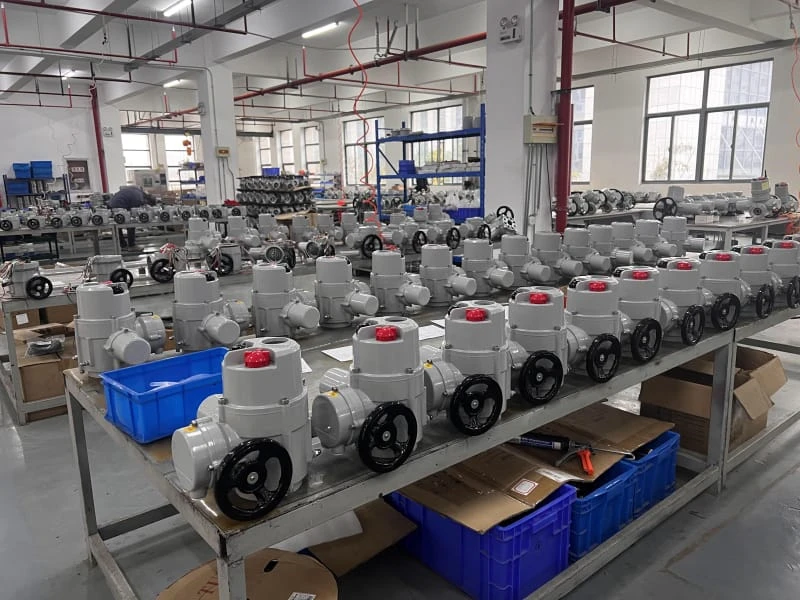
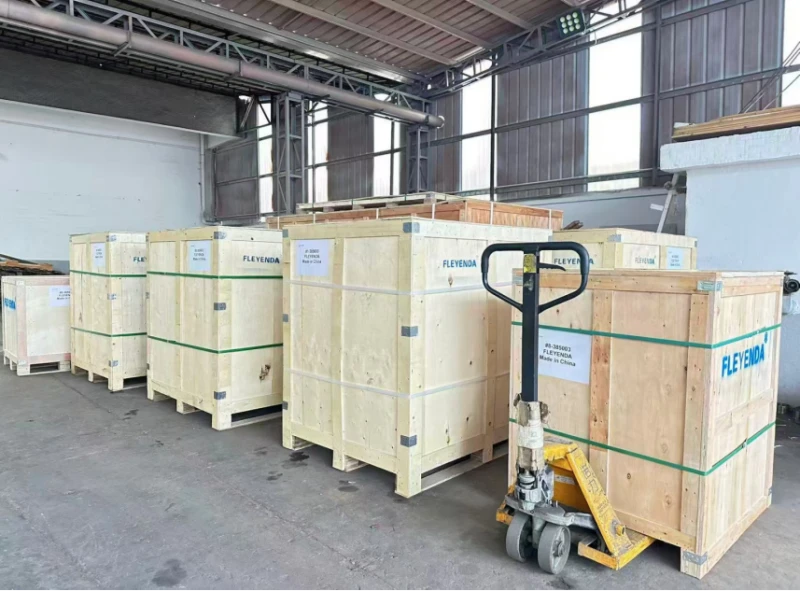
Our Product Actual Export Pictures
FAQs That 80% Users Interest
1.What makes the Pneumatic High-Pressure 3-Way Ball Valve suitable for high-duty fluid systems?
• Designed for ultra-high operating pressures up to 5800 PSI, ensuring reliable sealing under extreme conditions.
• The 3-port configuration supports both mixing and diverting functions, reducing valve quantity in complex pipelines.
• Built with 304/316 stainless steel and PTFE/PFA seats for corrosion resistance in aggressive media.
• Compatible mounting interface allows quick pneumatic actuator installation and long cycle life.
2.How should I select the correct size and flow pattern (L-port vs T-port)?
• Use an L-port for diverting flow between two outlets or alternating inlets.
• Choose a T-port when mixing two sources or splitting one source into two destinations.
• Match valve diameter and flow coefficient to system pressure drop to avoid cavitation or loss of capacity.
• Select the connection type (threaded, flanged, welded) that fits existing pipeline standards.
3.What are common issues with a high-pressure 3-way valve and how to avoid them?
• Seat leakage occurs when using improper sealing materials or overpressure operation.
• Insufficient actuator air pressure can cause incomplete switching and partial flow.
• Wrong port orientation may lead to system imbalance or reverse flow.
• Impurities in the medium can damage the ball and seat; install filters before the valve.
4.How can I integrate this valve into an automated control system?
• The pneumatic actuator offers fast response and stable control for frequent switching.
• Add limit switches or feedback modules for remote status monitoring and system safety.
• Configure the control logic for mixing or diverting functions to prevent pressure shocks.
• Choose actuator components rated for air supply, temperature, and environmental conditions.