


FLE-ZZYP self-operated pressure control valve

FLE-ZZYP self-operated pressure control valve
The Self-Operated Pressure Control Valve uses a self-driven diaphragm to control pressure without external power, ensuring stable flow and efficiency for steam, gas, and liquid systems, reducing maintenance costs, and offering reliability under 6.4 MPa and 350 °C with API 598 and ISO 9001 certification.
Technical Specifications
| Size Range | DN15–DN300 (½”–12″) |
| Working Pressure Range: | 0.1–6.4 MPa |
| Working Temperature Range: | -20°C to +350°C |
| Body Material: | Cast Steel / Stainless Steel (CF8, CF8M, WCB) |
| Connection Type: | Flanged |
| Applicable Medium: | Steam, Air, Water, Gas, Oil |
| Actuator Type: | Self-operated diaphragm actuator |
| Voltage Options | Not applicable |
| Design Standard | GB/T 12246, ANSI/API 520, DIN EN 334 |
| Testing Standard | GB/T 13927, API 598, EN 12266-1 |
| Fire-Safe Design | Optional per API 607 |
| Certification | CE / RoHS / ISO 9001 / IP65 (Actuator) |
| Customization | Above Are Standard Parameter Samples. If You Have Specific Parameters And Materials, We Can Customize Them All. |
Product Drawings
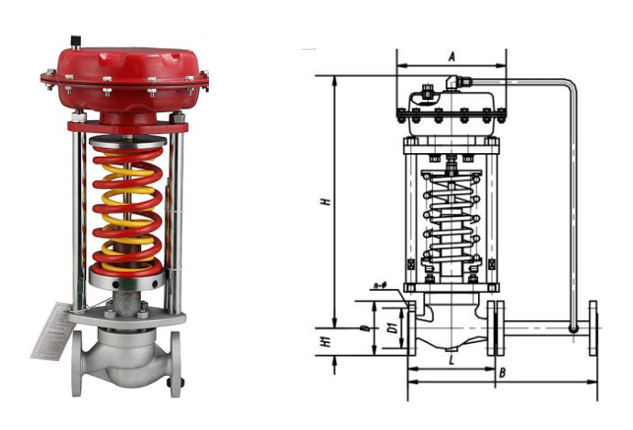
Comprehensive Technical Drawing (Dimensions & Structure)
Product Benefits & Features
1. Pressure Stability & Energy Efficiency
• Self-Operated Pressure Control Valve maintains stable outlet pressure without power or air supply.
• Automatic pressure regulating valve lowers energy consumption using medium pressure as the driving force.
• Protects steam and gas systems from pressure surges and vibration damage.
• Ensures consistent performance in chemical, water treatment, and heating systems.
2. Installation Flexibility & Maintenance-Free Design
• Self-regulating control valve features compact structure and easy installation.
• No wiring or pneumatic line needed, ideal for industrial pressure regulation systems.
• Modular design allows quick maintenance and seal replacement.
• Durable stainless steel or carbon steel body resists corrosion and wear.
3. Broad Media & Application Compatibility
• Suitable for steam, air, water, gas, and oil in diverse industrial applications.
• Reliable under high temperature and pressure in boiler and process systems.
• Used across chemical, HVAC, petroleum, and power industries.
• Compatible with ANSI, DIN, and JIS flanges for global installation.
4. Operational Safety & Precision Control
• Self-operated regulator valve provides fast feedback and accurate flow control.
• Prevents overpressure and protects downstream equipment.
• Improves safety and stability in automatic pressure control systems.
• Tested per API 598 and EN 12266-1 for leak-free performance.
Why Choose Fleyenda Valve Manufacturing
Product Stability
We use reinforced structures and precision sealing to ensure consistent performance under pressure and temperature changes.
Conpany&Product Certification
We have CE, RoHS, ISO, SIL, TUV, and IP68 waterproof certifications covering safety, quality, and environmental standards.
Projects Experience
Cooperated over 40 countries, we have experience in oil & gas, energy, water, chemicals, food & beverage, and automation.
Customization Capability
With 20 years experience, we turn complex working conditions into precise valve solutions with high speed and accuracy.
Aftersales Support
•We have technical team provides real-time video support to help customers resolve on-site issues quickly.
Customer Cases
Trusted by Shell plc, Petronas, Chevron, TotalEnergies, and Dupont in projects across 40+ countries.
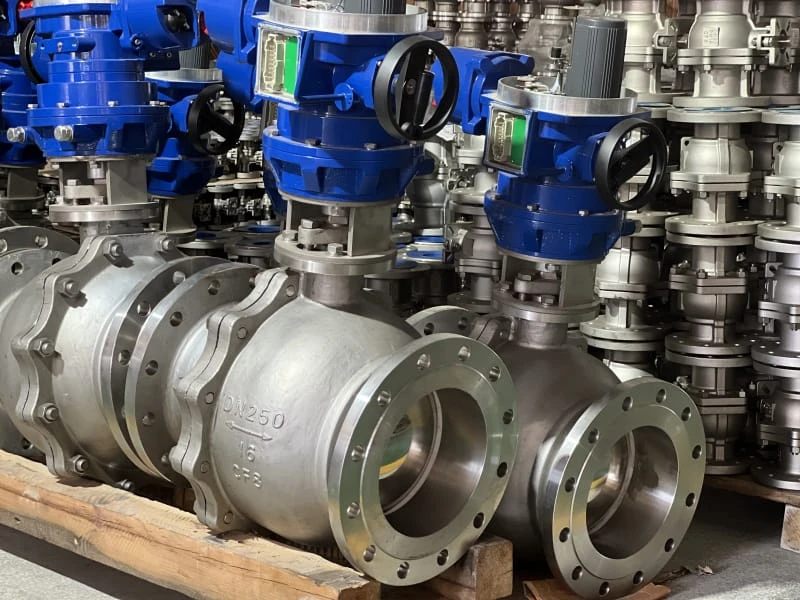
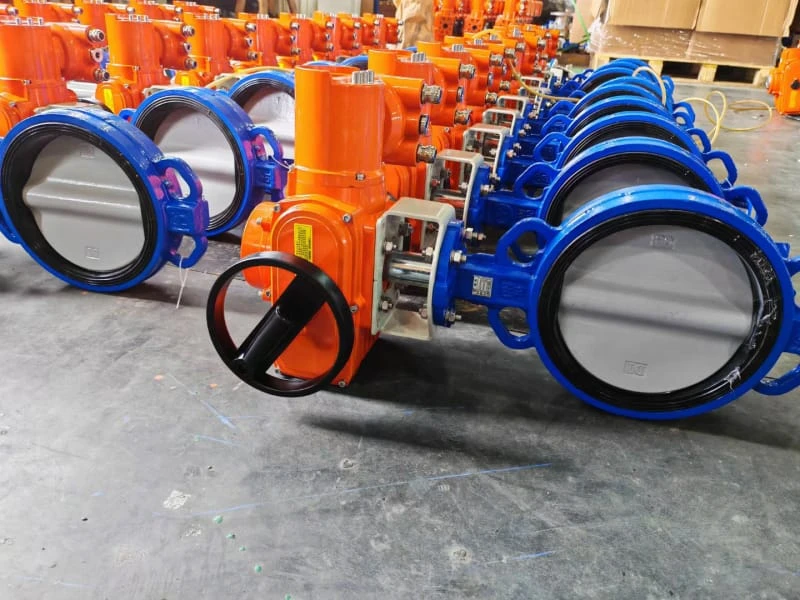
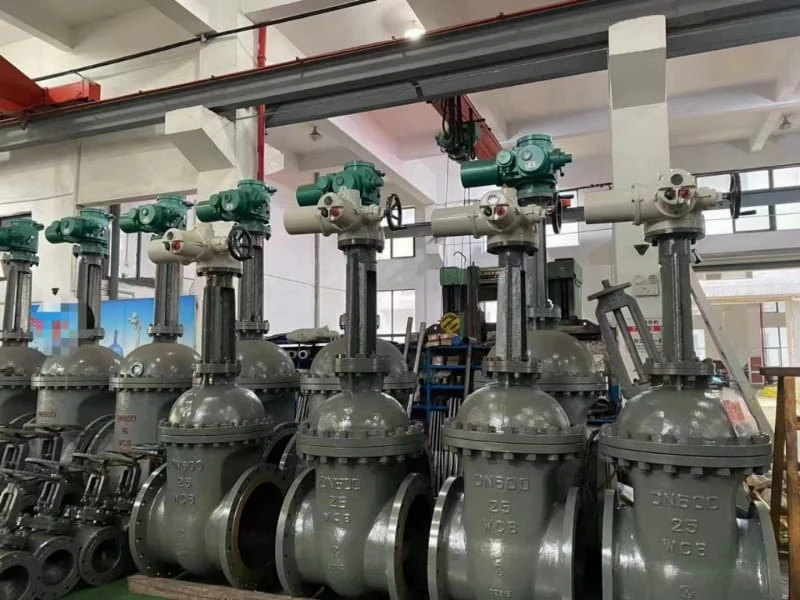
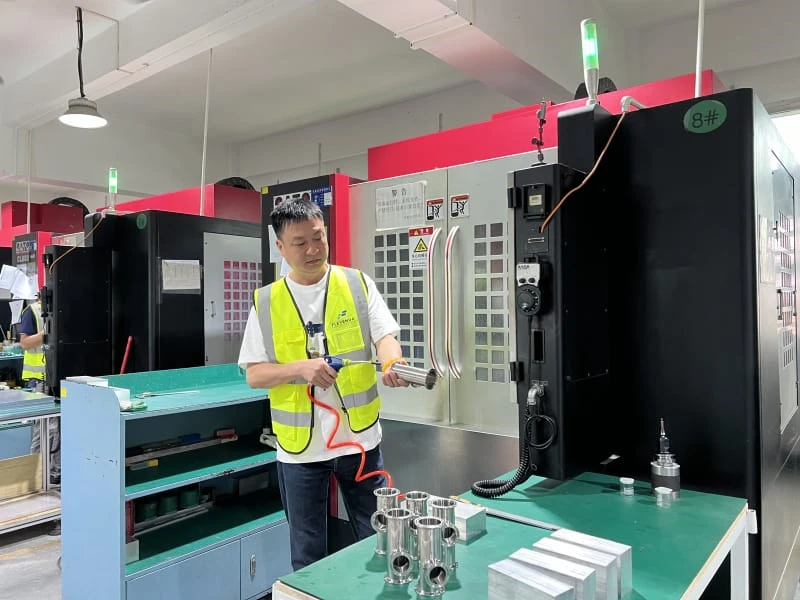
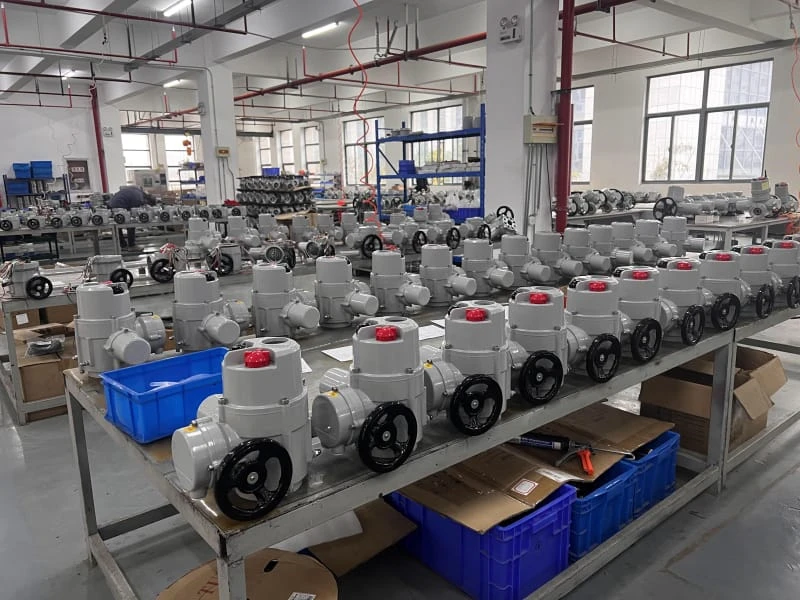
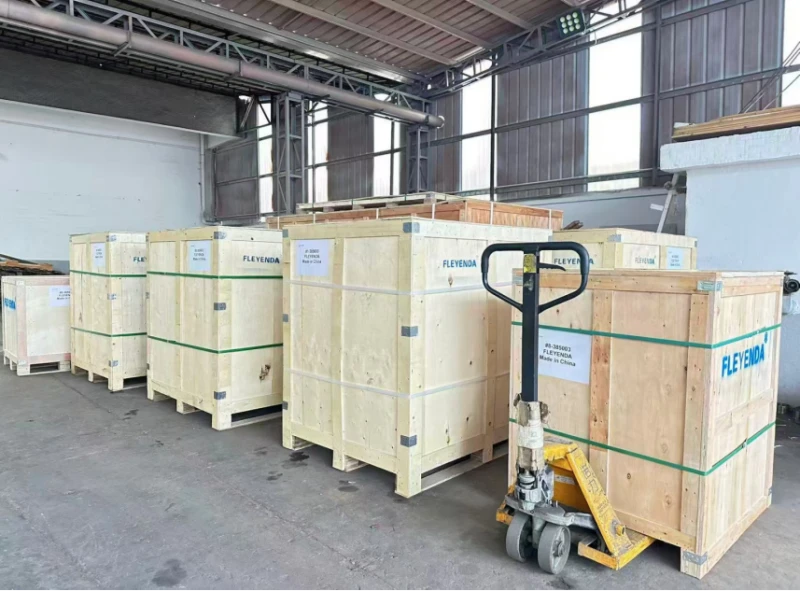
Our Product Actual Export Pictures
FAQs That 80% Users Interest
1. How does a Self-Operated Pressure Control Valve maintain stable performance without power or air supply?
• The Self-Operated Pressure Control Valve uses medium energy to regulate outlet pressure automatically.
• Its automatic pressure regulating system balances downstream pressure through a diaphragm mechanism.
• Suitable for remote sites and energy-saving plants, it maintains accuracy under fluctuating inlet conditions.
• This self-acting pressure regulator ensures reliable control for steam, gas, and water systems.
2. How do I select the right model and capacity for a Self-Acting Pressure Regulator?
• Analyze inlet pressure, outlet pressure, and flow to size the automatic pressure control valve correctly.
• Choose corrosion-resistant materials like stainless steel self-operated valves for steam or gas.
• Ensure the pressure reducing valve supports a proper turndown ratio to avoid instability.
• Match flange standards such as ANSI, DIN, or JIS to existing pipelines.
3. Can a Self-Operated Pressure Regulator handle high-temperature or corrosive media?
• High-grade self-operating control valves withstand up to 350 °C and 6.4 MPa.
• A stainless steel pressure control valve resists corrosion in chemical or steam systems.
• Reinforced diaphragms maintain sealing accuracy under temperature changes.
• Suitable for boilers, chemical plants, and industrial steam lines requiring stable pressure.
4. What are common maintenance issues with Automatic Pressure Regulating Valves and how to prevent them?
• Common issues include diaphragm wear, spring fatigue, and pilot blockage.
• Use filters to protect the self-acting valve body from debris.
• Inspect sealing parts regularly to prevent leakage and maintain response accuracy.
• Perform periodic calibration to ensure consistent regulation.