


F-ZJHM Stainless Steel Sleeve Control Valve
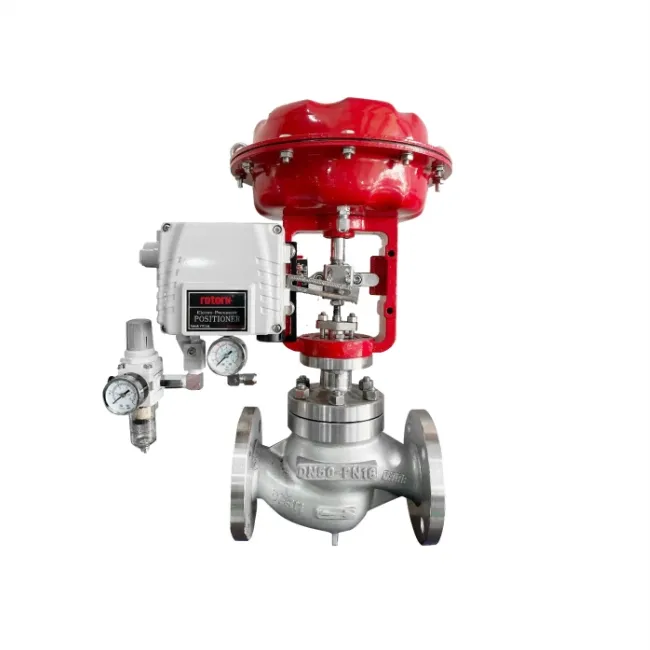
F-ZJHM Stainless Steel Sleeve Control Valve
Stainless Steel Sleeve Control Valve uses a cage-guided sleeve trim to stabilize flow and reduce noise under high pressure; its CF8M stainless steel body resists corrosion and extends service life; this design improves accuracy, lowers cavitation, and cuts maintenance costs, verified by IEC 60534 and API 598 testing for reliability and leak-tightness.
| نطاق الأحجام | DN15–DN300 (1/2 بوصة–12 بوصة) |
| نطاق ضغط التشغيل: | ASME Class 150/300/600 (PN16–PN100) |
| نطاق درجة حرارة التشغيل: | : -10°C to 200°C (PTFE/soft seat); -29°C to 425°C (graphite/metal seat) |
| مادة الهيكل: | CF8M (ASTM A351 316/316L Stainless Steel) |
| نوع الاتصال: | Raised-Face Flanged, ASME B16.5 (EN 1092-1 on request) |
| الوسيلة القابلة للتطبيق: | Liquids, gases, and steam (including mildly corrosive service) |
| نوع المشغل: | Pneumatic diaphragm, spring-return with electro-pneumatic positioner (4–20 mA) |
| خيارات الجهد الكهربائي | 24 VDC, 110 VAC, 220 VAC (for positioner/solenoid/limits) |
| معايير التصميم | IEC 60534; ASME B16.34 |
| معيار الاختبار | API 598 (body/seat); IEC 60534-4 (performance) |
| تصميم مقاوم للحريق | Not standard/applicable for globe control valves |
| الشهادة | CE / RoHS / ISO 9001 / IP65 (المشغل) |
| التخصيص | ما ورد أعلاه عبارة عن أمثلة للمعلمات القياسية. إذا كانت لديك معلمات ومواد محددة، فيمكننا تخصيصها جميعًا. |
| سلسلة | AT | AW | خطي | الأسطوانة الهوائية | الصحية |
|---|---|---|---|---|---|
| جسم الصمام | صمام كروي، صمام فراشة، صمام سدادي | صمام بوابة، صمام «جلوبال» | صمام بوابة سكيني | صمام فراشة صحي | |
| الوظيفة | ذو تأثير مزدوج، ذو تأثير أحادي (إعادة ضبط تلقائي عند الفشل: FO أو FC) | ||||
| ملحقات التحكم |
• الصمام اللولبي، وحدة الترشيح والتنظيم والتزييت (F.R.L.)، جهاز تحديد الموضع، مفتاح الحد، عجلة التحكم اليدوية • الصمام اللولبي وجهاز ضبط الموضع متوفران بدرجة مقاومة للانفجار ومن نوع التغذية الراجعة للإشارة، حسب الاختيار | ||||
| وسط التشغيل |
هواء نظيف وجاف أو مشحم، أو غاز خامل. أي غاز غير تآكلي يتوافق مع الأجزاء الداخلية للمشغل ومع مادة التشحيم. تبلغ درجة حرارة نقطة الندى لوسط التشغيل -20 درجة مئوية، ولا يتجاوز حجم جزيئات الشوائب 30 ميكرون. عند اختيار جهاز تحديد الموضع، يجب ألا يتجاوز حجم جسيمات الشوائب 5u. | ||||
| ضغط مصدر الهواء | من 3 بار إلى 8 بار | ||||
| درجة حرارة بيئة التشغيل |
• النوع القياسي: من -20 درجة مئوية إلى +80 درجة مئوية • النوع المخصص لدرجات الحرارة المنخفضة: من -40 درجة مئوية إلى +80 درجة مئوية • النوع المقاوم لدرجات الحرارة العالية: من -20 درجة مئوية إلى +160 درجة مئوية | ||||
| التشحيم |
في ظل ظروف التشغيل العادية، لا يحتاج النوع القياسي إلى مواد تشحيم إضافية. في البيئات ذات درجات الحرارة المنخفضة أو المرتفعة، يلزم استخدام مواد تشحيم خاصة. | ||||
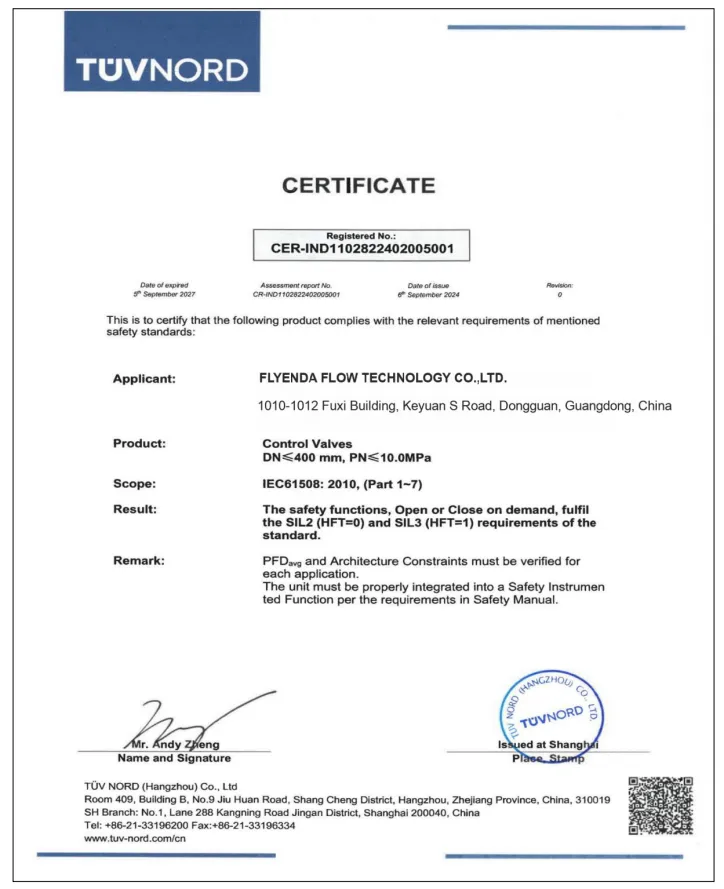
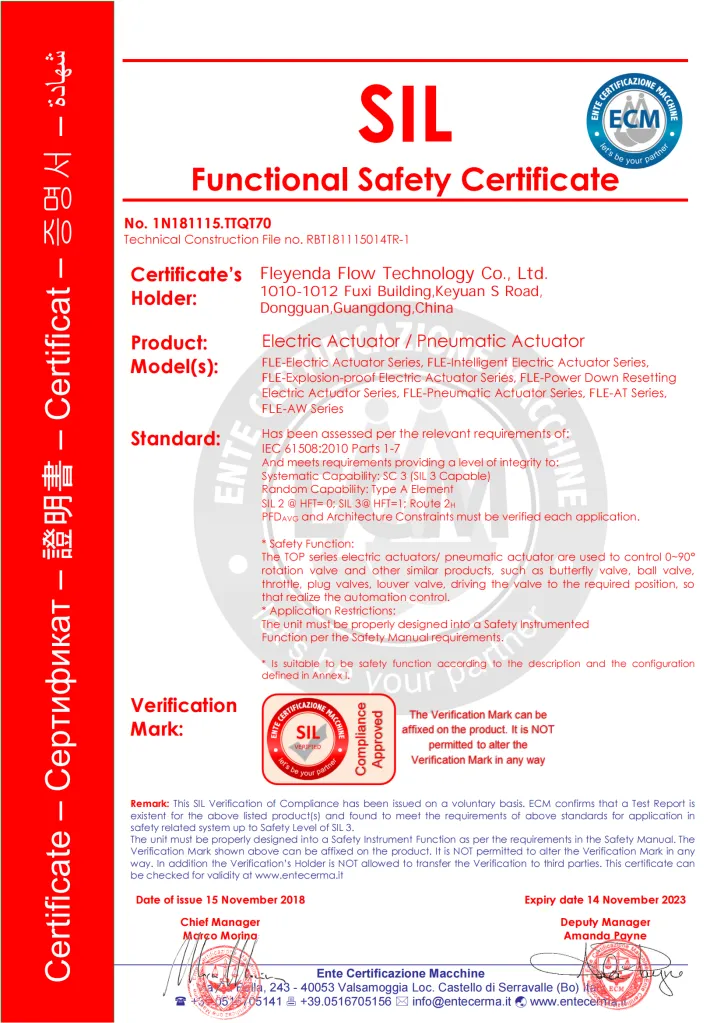
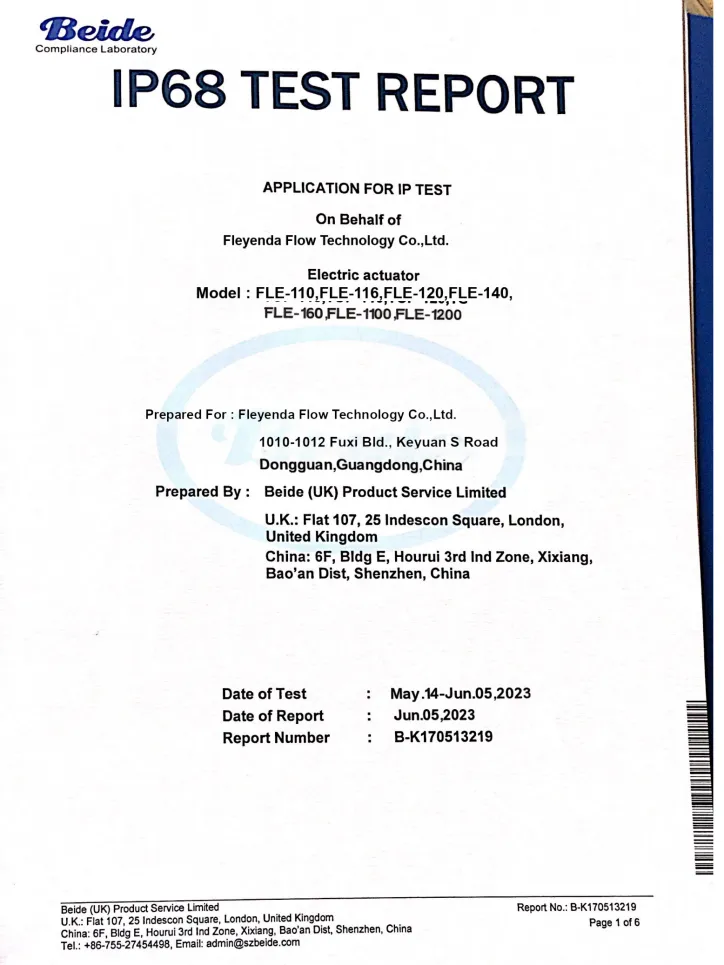
جودة معتمدة لتطبيقات الصمامات الصناعية
صُممت صمامات ومشغلات كهربائية «فلييندا» لتوفير أداء مستقر، وتشغيل موثوق، واستخدام صناعي طويل الأمد. وبفضل الدعم المعتمد في مجال الجودة، فهي مناسبة لمعالجة المياه، والمعالجة الكيميائية، والأتمتة، وأنظمة التحكم في العمليات الصناعية.
الأسئلة الشائعة التي تهم مستخدمي طراز 80%
1.What factors should be checked when sizing a Stainless Steel Sleeve Control Valve for high-pressure service?
• Confirm valve pressure drop and flow range suit the process conditions.
• Use sleeve-guided trim to handle large differential pressures with stability.
• Match actuator and positioner size to the valve’s flow capacity.
• Choose the right flow characteristic—linear or equal-percentage—to optimize control.
2.How to ensure reliable operation of a corrosion-resistant sleeve control valve in harsh media?
• Verify 316/316L stainless steel body and trim for chemical compatibility.
• Select proper packing—PTFE for moderate, graphite for high-temperature service.
• Use hardened seats for erosion resistance under abrasive or hot flow.
• Schedule regular inspection of sleeve and plug surfaces for wear.
3.What installation steps improve performance of a flanged stainless sleeve valve in automation systems?
• Maintain straight pipeline runs to reduce turbulence.
• Calibrate actuator stroke and positioner response before startup.
• Verify 4–20 mA signal accuracy with control system feedback.
• Test valve performance under operating flow to confirm stability.
4.How to reduce noise or vibration in a high-pressure control valve?
• Keep pressure drop within the valve’s rated ΔP limit.
• Install anti-cavitation sleeve trim for flashing or erosive conditions.
• Inspect downstream piping for restrictions that amplify turbulence.
• Adjust actuator tuning to prevent hunting in control loops.