


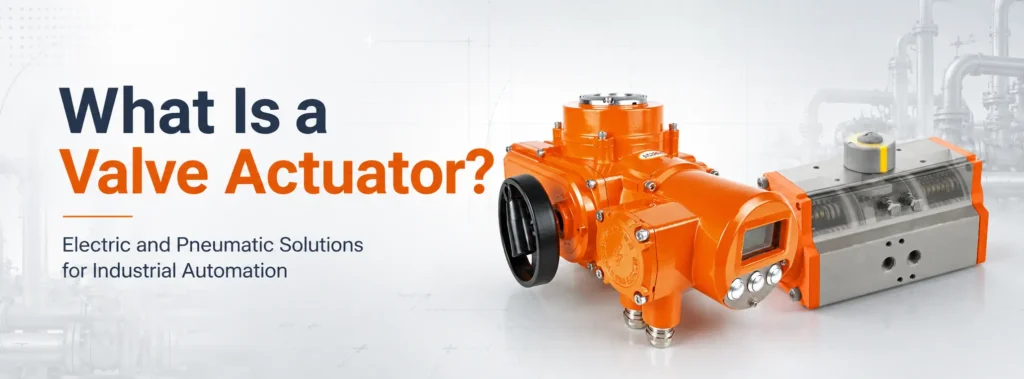
A Complete Guide to Valve Actuator Technology
A valve actuator is one of the most important devices in modern industrial automation because it enables precise, reliable, and efficient control of fluid flow. By converting electrical energy or compressed air into mechanical motion, a valve actuator can automatically open, close, or regulate a valve without manual intervention. As industries continue to adopt smart manufacturing, digital monitoring, and predictive maintenance strategies, the demand for advanced valve actuator technology continues to grow. Whether installed in a water treatment plant, a chemical processing facility, a power station, or an oil and gas operation, a valve actuator plays a critical role in improving operational efficiency, enhancing safety, and reducing long-term maintenance costs.
What Is a Valve Actuator?
A valve actuator is a mechanical device designed to operate a valve automatically. Instead of relying on manual operation through a handwheel or lever, a valve actuator generates the force required to move the valve into the desired position.
In industrial systems, valves control the flow of liquids, gases, steam, and other process media. Because many facilities operate hundreds or even thousands of valves simultaneously, manual operation is often impractical. A valve actuator solves this challenge by allowing valves to be controlled remotely or automatically through a centralized control system.
The primary purpose of a valve actuator is to ensure accurate valve positioning. Depending on process requirements, a valve actuator can fully open a valve, fully close a valve, or adjust the valve to a specific position for flow regulation.
Today, a valve actuator is commonly integrated into advanced automation systems that provide real-time monitoring, remote control, and performance diagnostics. This integration makes the valve actuator a key component in modern industrial infrastructure.
How Does a Valve Actuator Work?
Although different technologies are available, the basic operating principle of a valve actuator remains the same.
First, the valve actuator receives a signal from a control system. This signal may come from a programmable logic controller (PLC), a distributed control system (DCS), a SCADA platform, or a local control panel.
Once the command is received, the valve actuator converts an energy source into mechanical motion. The resulting movement is transferred to the valve stem, which changes the valve position according to operational requirements.
A modern valve actuator can perform several functions:
- Open a valve automatically
- Close a valve automatically
- Modulate flow rates
- Maintain process stability
- Provide position feedback
Many advanced systems also transmit operational data back to the control system. Operators can monitor valve position, operating cycles, torque levels, and maintenance status without physically inspecting the equipment.
According to industrial automation studies, facilities that implement intelligent valve actuator systems can significantly reduce unplanned downtime while improving overall operational efficiency.
Why a Valve Actuator Matters in Industrial Operations
Industrial facilities are under constant pressure to increase productivity, improve safety, and reduce operating costs. A valve actuator directly contributes to all three objectives.
Without automation, valve operation depends heavily on manual labor. This can slow production processes, increase the risk of human error, and create safety concerns in hazardous environments.
A valve actuator eliminates many of these challenges by allowing valves to respond quickly and consistently to process demands. As a result, operators gain greater control over critical variables such as pressure, temperature, and flow rate.
The most significant benefits of a valve actuator include:
- Improved process accuracy
- Reduced labor requirements
- Enhanced operational safety
- Faster system response
- Lower maintenance costs
- Better energy efficiency
For industries operating around the clock, even small improvements in efficiency can translate into substantial financial savings over time.
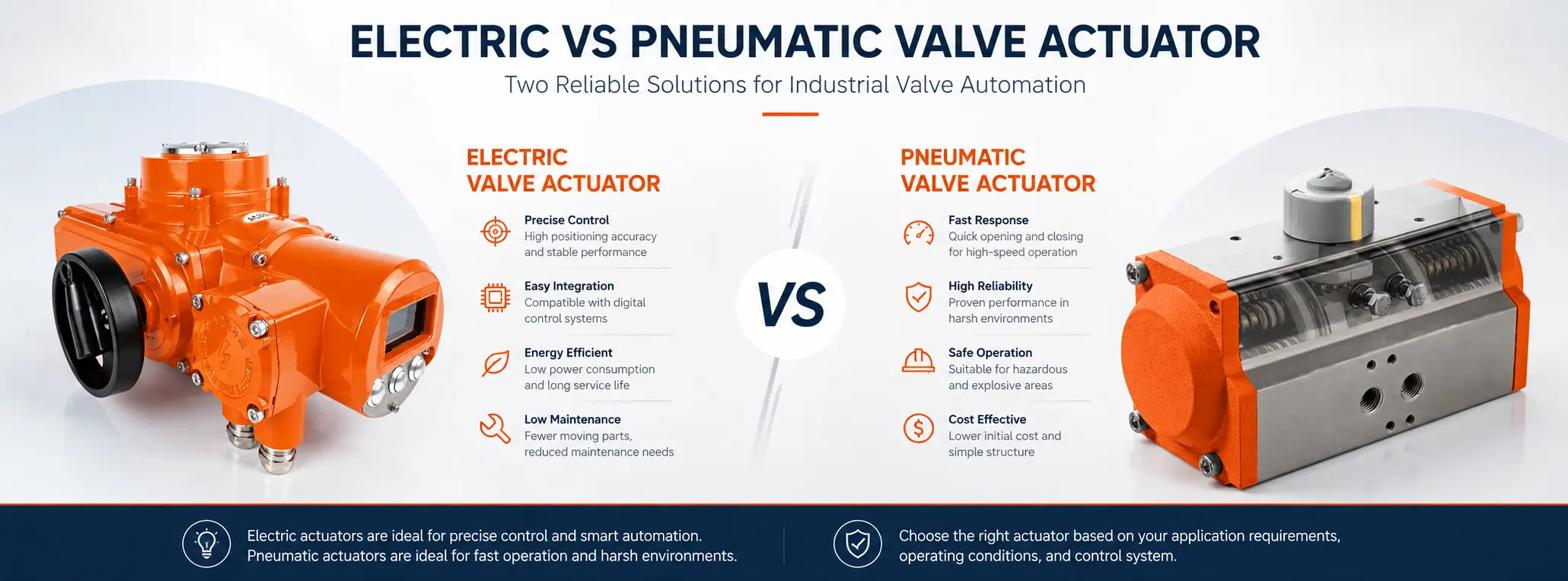
Electric Valve Actuator: The Preferred Choice for Precision Control
An electric valve actuator uses an electric motor to generate movement. It is one of the most widely adopted actuator technologies in modern automation systems because of its accuracy, flexibility, and compatibility with digital control platforms.
An electric valve actuator is particularly effective in applications that require precise valve positioning. Unlike simple on-off operation, many industrial processes require continuous adjustment of flow rates. Electric technology allows operators to achieve a high degree of control.
Several factors have contributed to the growing popularity of the electric valve actuator:
- High positioning accuracy
- Excellent automation compatibility
- Easy remote operation
- Lower maintenance requirements
- Strong support for smart monitoring systems
Electric valve actuator technology is commonly used in:
- Water treatment facilities
- HVAC systems
- Pharmaceutical manufacturing
- Food processing plants
- Commercial building automation
As Industry 4.0 adoption continues to accelerate, the electric valve actuator is expected to play an increasingly important role in connected industrial environments.
Pneumatic Valve Actuator: Fast and Reliable Performance
A pneumatic valve actuator uses compressed air as its power source. For decades, it has been one of the most trusted solutions for industrial valve automation.
One of the primary advantages of a pneumatic valve actuator is speed. Because compressed air can generate rapid movement, pneumatic systems are often selected for applications that require immediate response.
A pneumatic valve actuator is especially valuable in environments where safety is a major concern. Since it does not rely on electrical power at the point of operation, it is often preferred in hazardous locations where explosive gases or flammable materials may be present.
Key advantages of a pneumatic valve actuator include:
- Fast operating speed
- High reliability
- Cost-effective operation
- Safe performance in hazardous areas
- Proven industrial durability
Industries that frequently utilize a pneumatic valve actuator include:
- Oil and gas
- Petrochemical processing
- Chemical manufacturing
- Industrial refining
- Power generation
Even as digital technologies evolve, the pneumatic valve actuator remains an essential component in many critical industrial systems.
Major Applications of a Valve Actuator
A valve actuator is used in almost every industry that relies on fluid control. As automation becomes increasingly important, the range of valve actuator applications continues to expand.
In the water treatment sector, a valve actuator helps regulate water distribution networks, filtration systems, and pumping stations. Accurate valve control improves efficiency while supporting regulatory compliance.
In chemical processing facilities, a valve actuator maintains precise control over the movement of potentially hazardous substances. Reliable valve positioning helps protect personnel, equipment, and product quality.
In power generation facilities, a valve actuator manages steam flow, cooling systems, and fuel delivery processes. Consistent valve performance is essential for maintaining stable energy production.
The oil and gas industry also depends heavily on valve actuator technology. From upstream production facilities to downstream refining operations, automated valves improve both safety and operational reliability.
Across all of these sectors, a valve actuator serves the same fundamental purpose: ensuring accurate and dependable flow control.
How to Choose the Right Valve Actuator
Selecting the correct valve actuator requires a careful assessment of operational requirements. While cost is always a consideration, performance and reliability should remain the primary decision factors.
Engineers typically evaluate several criteria before selecting a valve actuator:
- Required torque output
- Available power source
- Environmental conditions
- Valve type
- Control requirements
- Maintenance expectations
For applications requiring highly accurate positioning and digital connectivity, an electric valve actuator is often the preferred option.
For environments requiring rapid response and reliable performance under challenging conditions, a pneumatic valve actuator may provide the best solution.
The most successful projects focus not only on initial purchase costs but also on long-term operational value and lifecycle performance.
The Future of Valve Actuator Technology
The future of the valve actuator industry is closely tied to advances in industrial automation and digital transformation.
Modern manufacturers are developing intelligent valve actuator systems capable of collecting and analyzing operational data in real time. These systems help maintenance teams identify wear patterns, predict failures, and optimize maintenance schedules.
Several trends are expected to shape the next generation of valve actuator technology:
- Industrial Internet of Things (IIoT) integration
- Artificial intelligence-based diagnostics
- Cloud-connected monitoring systems
- Predictive maintenance platforms
- Enhanced cybersecurity protection
- Improved energy efficiency
Industry analysts expect global investment in automation technologies to continue rising throughout the next decade, creating significant opportunities for advanced valve actuator solutions.
As industrial facilities pursue greater efficiency and operational visibility, the valve actuator will remain a critical component of smart manufacturing strategies.
Frequently Asked Questions About Valve Actuator
What is a valve actuator?
A valve actuator is a device that converts energy into mechanical motion to automatically operate a valve.
What are the main types of valve actuator?
The most common types are the electric valve actuator and the pneumatic valve actuator.
Why is a valve actuator important?
A valve actuator improves efficiency, enhances safety, reduces labor requirements, and enables automated process control.
Which is better: electric valve actuator or pneumatic valve actuator?
An electric valve actuator provides superior positioning accuracy and digital integration, while a pneumatic valve actuator delivers faster response times.
How long can a valve actuator last?
A properly maintained valve actuator can often operate reliably for more than ten years.
Final Thoughts
A valve actuator has evolved from a simple mechanical device into a critical component of modern industrial automation. Whether using electric power for precise positioning or compressed air for rapid response, a valve actuator enables organizations to improve process control, enhance safety, and increase operational efficiency. As smart manufacturing, predictive maintenance, and Industry 4.0 technologies continue to advance, the importance of valve actuator technology will only continue to grow. For companies seeking long-term reliability and performance, investing in the right valve actuator solution is a strategic decision that delivers lasting value.