


Pneumatic vs Electric Actuator: Pros and Cons for Industrial Valve Automation
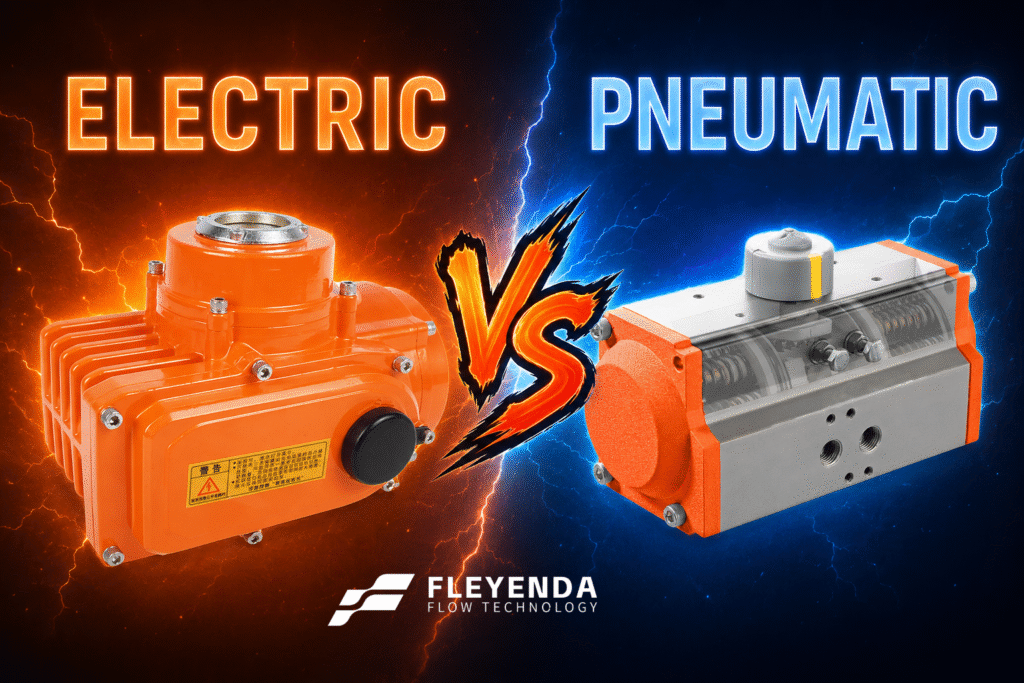
What Is a Pneumatic Actuator?
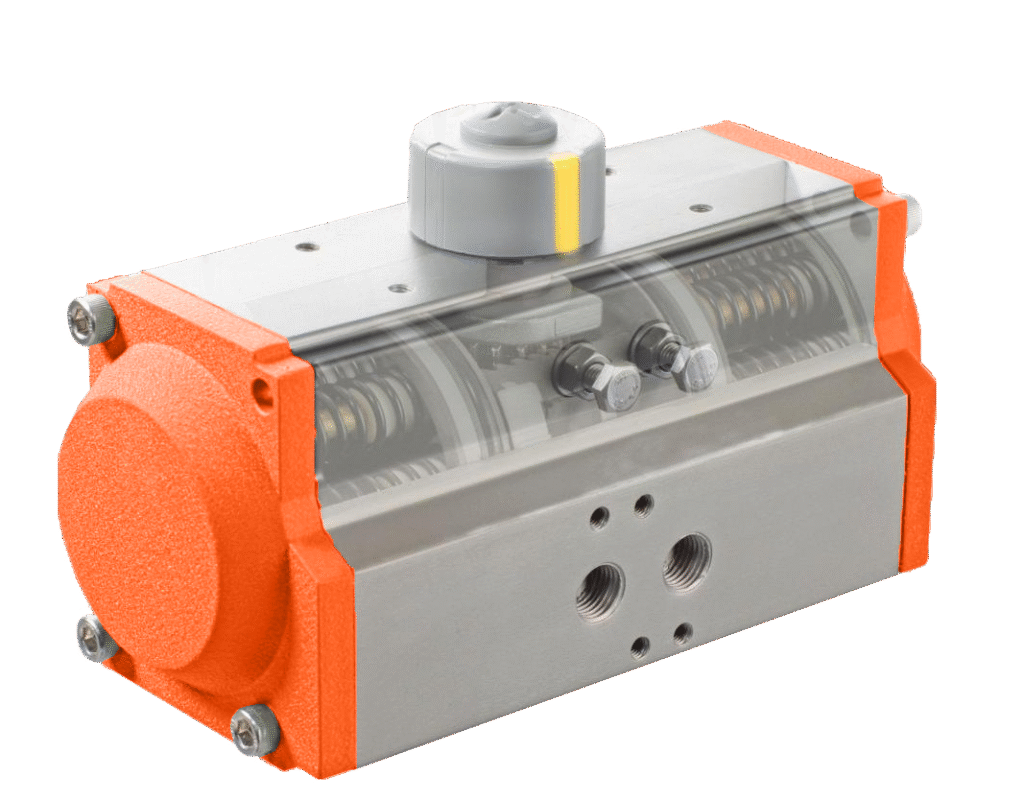
A pneumatic actuator uses compressed air to generate mechanical motion for opening, closing, or regulating valves.
These actuators are commonly used in:
- Oil & gas systems
- Chemical plants
- High-cycle industrial applications
Pneumatic actuators are known for:
- Fast response speed
- Simple structure
- High reliability in harsh environments
What Is an Electric Actuator?
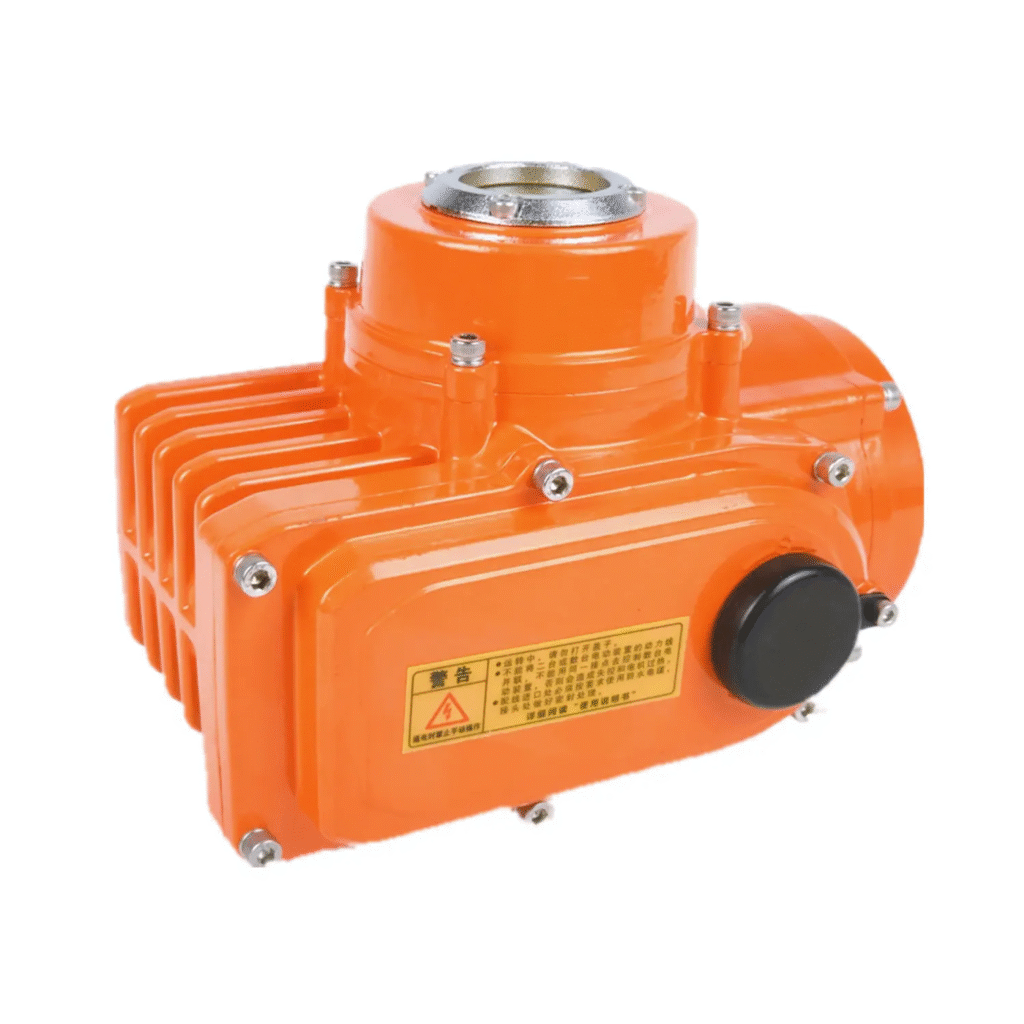
An electric actuator uses an electric motor to drive valve movement.
Electric actuators are widely used in:
- Automated process systems
- HVAC systems
- Water treatment facilities
- Remote-control applications
They provide:
- High positioning accuracy
- Advanced automation capability
- Easy integration with digital control systems
How Pneumatic and Electric Actuators Work
Although both systems automate valves, their operating principles are completely different.
Pneumatic Actuator:
Compressed air enters the actuator chamber, generating force that moves the valve stem.
Electric Actuator:
An electric motor converts electrical energy into rotational or linear motion to operate the valve.
This difference directly affects:
- Speed
- Torque output
- Control precision
- Maintenance requirements
Pneumatic Actuator Advantages
1. Fast Operating Speed
Pneumatic actuators typically respond faster than electric actuators, making them suitable for:
- Emergency shut-off systems
- High-cycle operations
- Rapid automation processes
2. Reliable in Hazardous Environments
Because they do not rely on electrical spark generation, pneumatic actuators are widely used in:
- Explosive environments
- Oil & gas facilities
- Chemical plants
3. Simple and Durable Structure
Pneumatic systems generally contain fewer complex electronic components, resulting in:
- High durability
- Lower failure rates
- Long service life
4. High Force Output
Compressed air systems can generate substantial torque, especially for large valve applications.
Pneumatic Actuator Limitations
Despite their advantages, pneumatic actuators also have drawbacks.
Air Supply Requirement
They require:
- Compressors
- Air pipelines
- Air treatment systems
This increases infrastructure complexity.
Lower Positioning Accuracy
Compared with electric actuators, pneumatic systems may provide less precise positioning control.
Energy Efficiency Concerns
Compressed air systems may consume significant energy due to leakage and compressor operation.
Electric Actuator Advantages
1. High Precision Control
Electric actuators offer accurate positioning and control, making them ideal for:
- Modulating control applications
- Automated process systems
- Smart industrial systems
2. Easy Integration with Automation Systems
Electric actuators integrate easily with:
- PLC systems
- SCADA systems
- Digital monitoring platforms
This supports modern industrial automation.
3. Lower Infrastructure Requirements
Unlike pneumatic systems, electric actuators do not require:
- Air compressors
- Pneumatic piping networks
Installation may therefore be simpler in some environments.
4. Energy Efficiency
Electric actuators typically consume power only during operation, improving energy efficiency in certain applications.
Electric Actuator Limitations
Slower Operation Speed
Electric actuators generally operate slower than pneumatic systems.
Sensitivity to Harsh Environments
Electronic components may be affected by:
- Moisture
- Heat
- Corrosive environments
Proper protection is necessary in demanding industrial conditions.
Higher Initial Cost
Electric actuators often involve:
- Higher purchase cost
- More complex control systems
Pneumatic vs Electric Actuator: Direct Comparison
| Feature | Pneumatic Actuator | Electric Actuator |
|---|---|---|
| Power Source | Compressed Air | Electricity |
| Operating Speed | Fast | Moderate |
| Precision | Moderate | High |
| Hazardous Area Suitability | Excellent | Requires protection |
| Infrastructure | Air system required | Electrical wiring only |
| Maintenance | Mechanical maintenance | Electronic maintenance |
| Automation Integration | Moderate | Excellent |
| Energy Efficiency | Lower | Higher |
Which Actuator Is Better?
There is no universal “best” actuator. The correct choice depends on application requirements.
Pneumatic actuators are typically preferred for:
- Oil & gas
- Hazardous environments
- Fast shut-off applications
Electric actuators are often preferred for:
- Precise flow control
- Remote automation systems
- Smart industrial facilities
The selection process should consider:
- Operating environment
- Required control accuracy
- Available infrastructure
- Maintenance capability
How Fleyenda Valve Supports Automated Valve Systems
Fleyenda Valve provides both pneumatic and electric actuator solutions for industrial valve automation.
Applications include:
- Ball valves
- Butterfly valves
- Gate valves
- Control systems
Fleyenda supports customized actuator configurations for industries such as:
- Oil & gas
- Chemical processing
- Water treatment
- Power generation
These solutions help customers improve operational efficiency and automation reliability.