


How to Reduce Valve Maintenance Costs in Water Treatment Plants?
Valve maintenance is a significant part of the operating cost of water treatment plants. A valve that leaks, sticks, fails to close, or responds slowly can increase labor, water and chemical losses, energy use, and unplanned downtime. To reduce valve maintenance costs, plant operators need more than a repair schedule: they need correct valve selection, compatible materials, risk-based inspection, reliable actuation, and practical access to service parts.
This guide shows how water treatment facilities, OEMs, and EPC contractors can reduce repeat failures and lifecycle costs.
1. Why Valve Maintenance Costs Increase in Water Treatment Plants
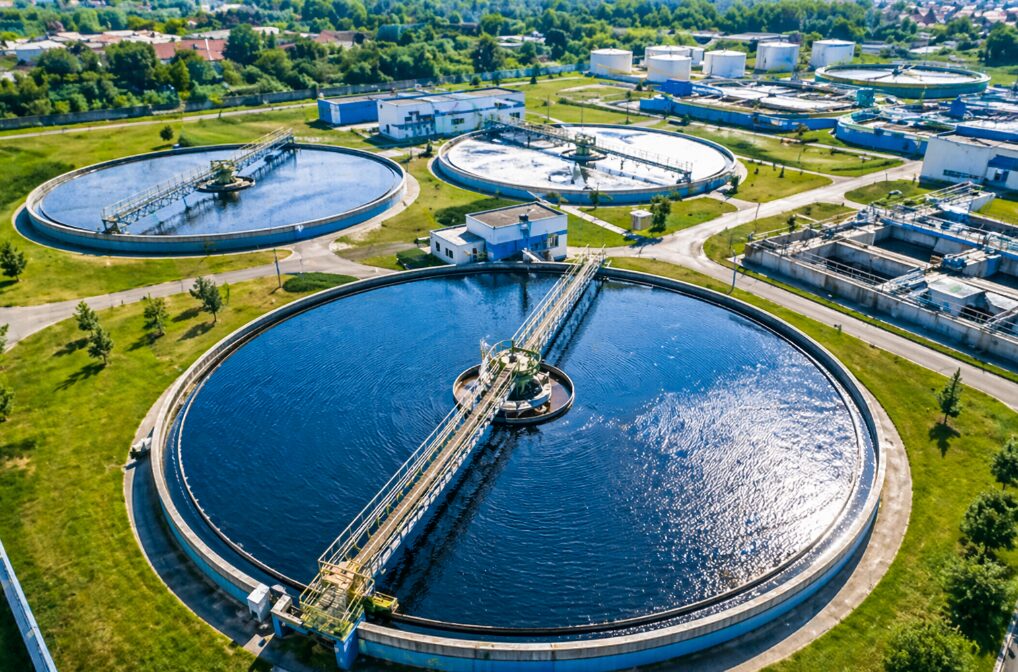
Water treatment plants contain valves operating in very different conditions. A clean-water isolation valve may experience relatively low wear, while a sludge valve, chemical dosing valve, or filter backwash valve may face abrasive solids, chemical exposure, frequent cycling, or pressure transients. A single maintenance routine for every valve can waste labor on low-risk equipment and leave critical assets exposed.
Common causes of premature valve failure
- Seat and seal deterioration: Incompatible chemicals, temperature, or trapped particles can cause elastomers to swell, harden, crack, or lose sealing force.
- Corrosion and deposits: Chlorides, dosing chemicals, stagnant pockets, and scale can attack wetted parts or restrict valve movement.
- Abrasive solids: Sand, grit, and sludge can score sealing surfaces, obstruct travel, or prevent full closure.
- Actuator problems: Incorrect torque, poor instrument air, moisture ingress, electrical faults, or misadjusted limit switches can cause incomplete travel.
- Unsuitable operation: Excessive cycling or using an isolation valve for continuous throttling can accelerate wear.
- Pressure transients: Rapid closure, pump trips, or check-valve slam can load valve components, pipe supports, and joints.
- Poor installation access: Pipe strain, flange misalignment, and insufficient actuator clearance make routine service slower and more expensive.
Maintenance planning should consider the consequence of failure, not just the valve’s purchase price.

2. Calculate the Total Cost of Valve Maintenance
The true cost of a valve includes its purchase and installation, planned service, corrective repairs, spare parts, labor, process interruption, and eventual removal or replacement.
| Cost category | Typical cost driver | Cost-control action |
|---|---|---|
| Labor | Repeated troubleshooting and difficult disassembly | Improve access and use serviceable construction |
| Parts | Premature seat, seal, packing, or actuator replacement | Verify material compatibility and stock critical wear parts |
| Downtime | Process isolation and reduced treatment capacity | Prioritize critical valves and plan shutdown work |
| Process losses | Leakage, water or chemical loss, unstable control | Restore shut-off and verify sizing and control duty |
| Emergency work | Expedited procurement and temporary bypasses | Maintain asset records and approved spare-part lists |
A low-priced valve can become expensive if it needs frequent seat replacement or extensive pipe disassembly. Compare alternatives using expected service intervals, repair methods, and downtime impact.
3. Seven Practical Ways to Reduce Valve Maintenance Costs
3.1 Create a valve asset register and rank criticality
Record each valve’s tag, location, type, size, materials, actuator, control signal, medium, operating frequency, and service history. Link records to P&IDs, datasheets, and spare-part references. Rank by failure consequence, prioritizing pump protection, treatment-train isolation, chemical dosing, and sludge handling.
3.2 Use preventive maintenance based on actual duty
Include visual checks, leakage assessment, functional exercising where appropriate, actuator inspection, and position-feedback verification. Set intervals according to valve design, duty cycle, media, failure consequence, and the manufacturer’s instructions. Record travel time, actuator alarms, leakage, and changes in operating torque or current. Before exercising a critical valve, confirm that the process can tolerate movement and that the valve can be safely returned to its required position.
3.3 Match body, seat, and seal materials to the fluid
Evaluate the complete wetted system—not only the body. Consider the disc or ball, stem, seat, packing, O-rings, lining, and fasteners. EPDM may suit compatible water and utility services; PTFE or PFA may be considered for compatible chemical duties; UPVC can suit selected low-temperature water and chemical lines; and stainless steel 304 or 316 must be checked against chloride levels and the actual corrosion mechanism. Cast iron or ductile iron can be economical for suitable water services when pressure rating, coating, and installation conditions are appropriate. No material is universally resistant to every water chemistry.
3.4 Protect valves from solids, scale, and contamination
Review upstream filtration, flushing, drain points, and sediment accumulation. Clean pipelines before commissioning to remove welding debris, grit, and construction material. For wastewater and sludge, select a valve according to solids concentration, particle size, abrasion, and differential pressure. A knife gate valve may suit selected solids-bearing duties, while a butterfly valve may be appropriate for clarified water or other compatible liquid service.
3.5 Maintain electric and pneumatic actuators
An actuated valve is both a mechanical and control assembly. For electric actuators, check voltage, terminals, enclosure seals, travel limits, torque protection, override, and feedback. Compare travel time and current trends with the commissioning baseline. For pneumatic actuators, inspect air pressure and quality, filter-regulator, tubing, solenoids, exhaust ports, and spring-return function. Verify PLC commands and interlocks. Follow the actuator manual rather than applying generic lubrication intervals.
3.6 Choose serviceable construction where internal work is expected
A three-piece ball valve has a center body that can be accessed for inspection and service after the line is safely isolated and depressurized. This can make seat, seal, ball, and stem maintenance more practical than replacing the complete assembly or dismantling long pipe sections. Serviceability only creates value when the installation leaves enough clearance for safe removal, inspection, and reassembly.
3.7 Standardize critical spares and keep maintenance records
Where process requirements allow, standardize valve families, actuator interfaces, voltages, and control accessories. Keep approved part numbers for seats, seals, packing sets, solenoids, and limit switches. Record symptoms, root causes, parts used, labor hours, and test results. Repeated failures may indicate a process or specification problem.
4. Recommended Valve Maintenance Schedule
This is a planning framework, not a universal mandatory schedule. Confirm intervals against the valve and actuator manuals, risk assessment, service severity, and operating history. Critical, high-cycle, corrosive, or solids-bearing services may require shorter intervals.
| Interval | Maintenance task | Record |
|---|---|---|
| Each shift / routine rounds | Check visible leakage, abnormal noise, vibration, corrosion, position, and actuator alarms | Leak location, position, alarms, abnormal conditions |
| Monthly or quarterly, by criticality | Review standby-valve readiness, exercise selected valves where safe, inspect air preparation, verify feedback | Stroke time, travel completion, air pressure, feedback |
| Semiannual inspection, where applicable | Inspect body joints, packing, supports, fasteners, actuator mounting, cable glands, and external corrosion | Leakage, looseness, corrosion, corrective actions |
| Annual shutdown or risk-based interval | Assess seat leakage, internal wear, actuator protection and calibration; service parts when required | Test results, replaced parts, next due date |
| After abnormal events | Inspect after water hammer, pump trip, chemical upset, over-torque, flooding, or unexpected stoppage | Event details, pressure or control trends, damage |
Published guidance illustrates why intervals must be adapted. The U.S. EPA preventive-maintenance guide for small groundwater drinking-water systems recommends routine valve inspection and exercising, with at least twice-yearly inspection in that specific context. The U.S. Department of Defense UFC water-supply O&M checklist lists quarterly operation of inactive treatment-plant valves and annual lubrication as examples. These are planning references, not substitutes for a plant-specific maintenance program.
References: U.S. EPA – Preventive Maintenance Tasks for Tribal Drinking Water Systems and UFC 3-230-02 – Operation and Maintenance: Water Supply Systems.
5. Maintenance Priorities by Valve Type
| Valve type | Common maintenance focus | Cost-control priority |
|---|---|---|
| Válvula borboleta | Disc edge, seat or liner, stem sealing, actuator travel, flange alignment | Prevent debris damage and avoid unsuitable throttling |
| Válvula de esfera | Ball surface, seats, stem packing, body joints, actuator torque | Use serviceable construction where repeated internal service is expected |
| Válvula de guilhotina | Gate edge, packing, guides, seat, flushing, actuator movement | Match solids loading and differential pressure; prevent deposits |
| Control / V-port valve | Trim erosion, seat leakage, packing, positioner calibration | Check Cv, pressure drop, cavitation risk, and control range |
| Válvula de retenção | Closure element, hinge or spring, seat, reverse flow, slam | Review pump-trip conditions and transient pressure |
Maintenance procedures are valve-specific. Follow the manufacturer’s instructions and use compatible lubricants and replacement materials.
6. Fleyenda Valve Options That Support Maintainability
Valve selection can influence maintenance workload long after commissioning. These Fleyenda products illustrate different approaches to service access, automated isolation, frequent switching, and solids handling. Confirm suitability against the actual medium, pressure, temperature, cycle frequency, and installation layout.
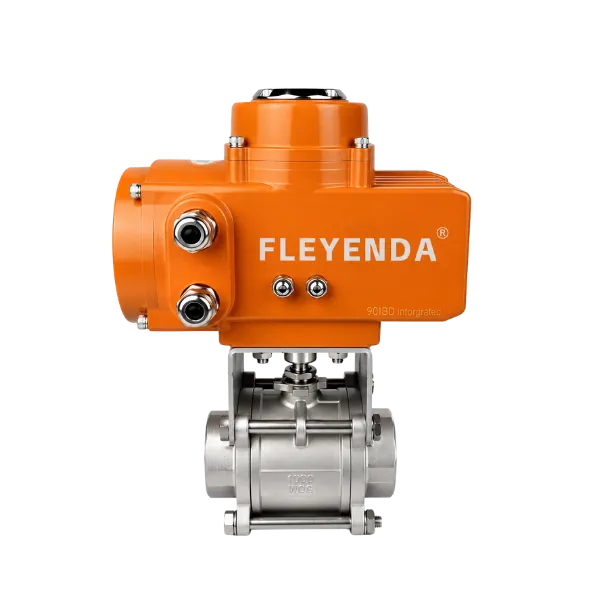
FLE-Q-3PS 3-Piece Motorized Ball Valve
The bolted three-piece body provides access to the center section for inspection and service of seats, seals, ball, and stem after safe isolation and depressurization. It can be considered for equipment and utility lines where internal serviceability matters.
Published options: DN8–DN100 · 10 / 16 bar · SS304 / SS316 · PTFE, Nylon or PPL seats · threaded connection.
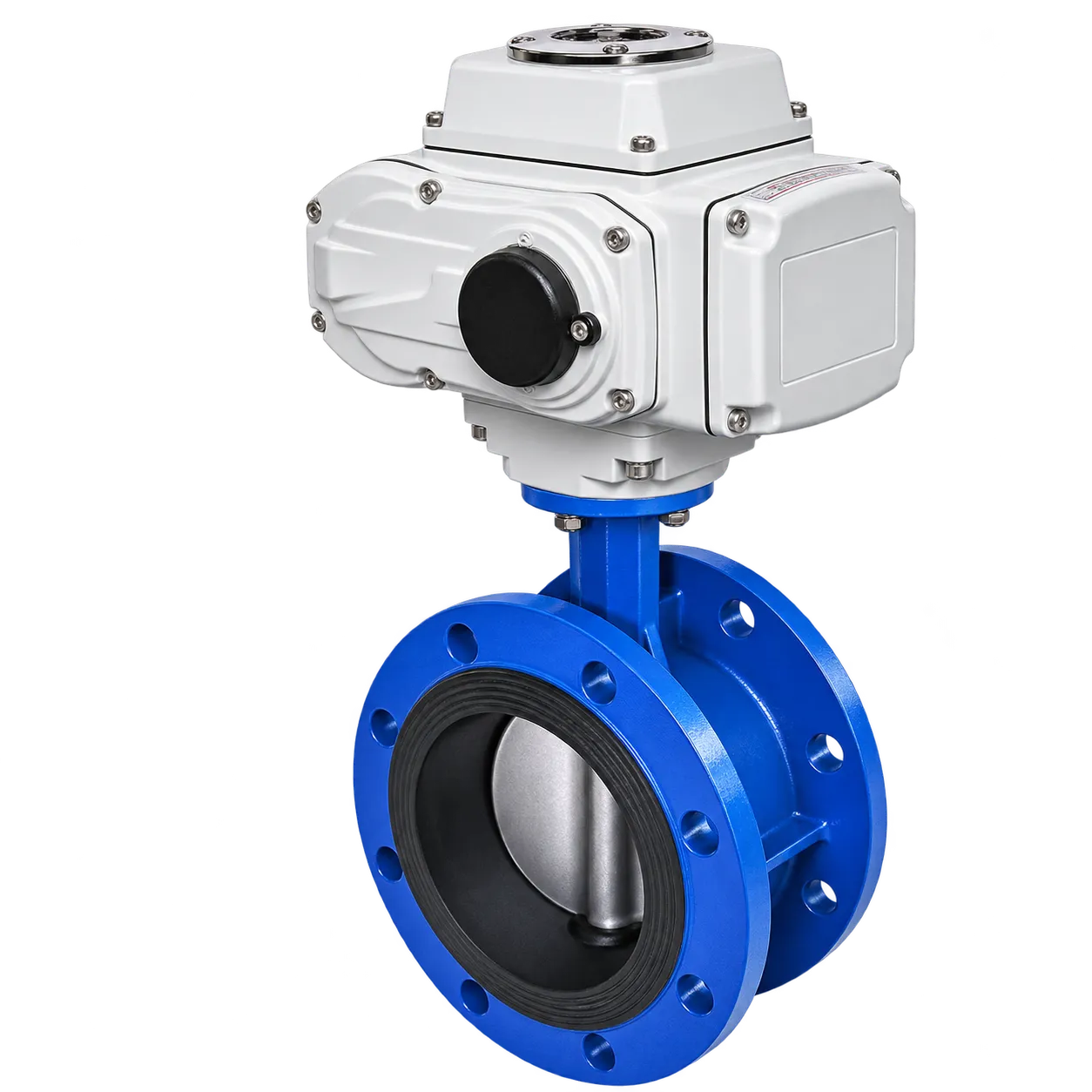
FLE-D-CEF Electric Flanged EPDM Butterfly Valve
Designed for remote isolation in compatible industrial water and utility pipelines. The flanged connection supports bolted installation, while the quarter-turn actuator offers ON/OFF, regulating, or intelligent control configurations. Confirm flange alignment and seat compatibility.
Published options: DN50–DN600 · PN10 / PN16 · cast iron body · EPDM seat · -10°C to +120°C.
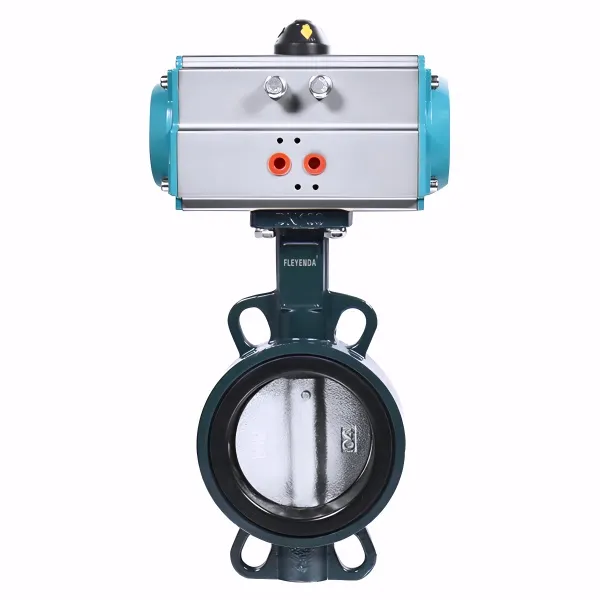
FAT-D-CEW Pneumatic Wafer Butterfly Valve
Suitable for selected water-treatment isolation and filter switching duties where instrument air is available. Double-acting or spring-return actuator options can be matched to the control arrangement. Keep the air supply clean and dry and verify the required fail position.
Published options: DN50–DN600 · PN10 / PN16 · cast iron body · EPDM seat · -10°C to +120°C · 3–8 bar air supply.

Válvula de guilhotina pneumática
Designed for selected wastewater, sludge, viscous, and granular-fluid duties. Service life depends on solids characteristics, differential pressure, sealing configuration, and flushing or cleaning provisions.
Published options: Cast iron, WCB or stainless-steel body options · PTFE sealing option · pneumatic cylinder actuator · solenoid, positioner and limit-switch accessories.
Planning a Water Treatment Valve Replacement or Upgrade?
Share the valve tag list, process medium, pressure, temperature, operating frequency, connection standard, actuator type, and maintenance concerns. Fleyenda can review the configuration and discuss suitable options for your equipment or project.
7. Reduce Maintenance Costs Before Installation: OEM and EPC Priorities
Many maintenance problems begin during design and procurement. OEMs and EPC contractors can reduce future service work by reviewing maintainability before equipment is built.
For OEM equipment manufacturers
- Standardize valve models, actuator interfaces, and control accessories where practical.
- Allow clearance for actuator removal, body-bolt access, lifting, and isolation.
- Specify medium, concentration, solids, pressure, temperature, and cycle frequency.
- List critical seats, seals, solenoids, and actuator accessories in the BOM.
- Verify travel time, torque, feedback, signal, and fail action.
For EPC contractors and system integrators
- Review valve schedules and P&IDs for inconsistent specifications.
- Match materials, pressure class, connections, and actuators to project datasheets.
- Define applicable shell, seat-leakage, stroke, and feedback tests before procurement.
- Confirm access, isolation, drainage, bypass, and lifting for critical valves.
- Align spare parts and model references with as-built documentation.
Explore Fleyenda’s water treatment valve solutions for OEM and EPC projects for process-based selection, electric and pneumatic assemblies, engineering documentation, and repeatable equipment configurations.
8. When Should a Valve Be Repaired or Replaced?
Repair is worth evaluating when the pressure-retaining body remains sound, the valve is correctly selected, and the failure is limited to replaceable wear parts such as seats, seals, packing, or actuator accessories. Replacement may be more appropriate when the body is cracked or severely corroded, the design is unsuitable for the process, spare parts are unavailable, or repeated repair and downtime cost more than a correctly specified replacement.
Compare repair cost, labor, downtime, commissioning, and spare-parts availability. Investigate recurring failures before repeating a repair.
9. Frequently Asked Questions About Valve Maintenance
How often should valves be maintained in a water treatment plant?
There is no single interval for every valve. Follow the manufacturer’s instructions and a risk-based schedule that considers valve type, operating frequency, fluid chemistry, solids content, and failure consequence. Routine visual checks can be part of operator rounds; functional testing and internal inspection should follow the actual service duty.
What are the most common causes of valve failure in water treatment systems?
Common causes include seat and seal wear, corrosion, scale or sediment build-up, abrasive solids, incorrect actuator torque, poor instrument air, electrical faults, water hammer, and unsuitable sizing or application. Root-cause analysis helps prevent repeat repairs.
How can preventive valve maintenance reduce operating costs?
It identifies leakage, sticking, corrosion, and actuator problems before they interrupt the process. Planned work also allows plants to prepare spare parts and combine repairs during shutdowns instead of paying for emergency labor and expedited procurement.
Which valves are easier to maintain in water treatment plants?
Maintainability depends on the application and installation. Three-piece ball valves can provide easier access to internal components than some compact body designs. Replaceable wear parts, accessible fasteners, and sufficient installation clearance also simplify service.
How do you reduce maintenance on butterfly valves?
Use a compatible seat, keep debris away from sealing surfaces, confirm flange alignment, and avoid continuous throttling unless the valve is designed for it. Inspect the disc, stem sealing, actuator travel, and seat leakage according to the manufacturer’s instructions.
What maintenance is required for pneumatic actuated valves?
Check instrument-air pressure and quality, filter-regulator condition, tubing, solenoids, exhaust ports, mounting, travel, and position feedback. For spring-return actuators, verify the specified fail action using the approved procedure.
When should a valve be replaced instead of repaired?
Consider replacement when the pressure-retaining body is damaged, corrosion is severe, the valve is incorrectly selected, suitable parts are unavailable, or repeated repairs and downtime exceed the cost of a replacement. Confirm the failure cause before installation.
What information is needed to select a low-maintenance replacement valve?
Provide the medium and concentration, operating and design pressure, temperature, size, connection standard, flow and differential-pressure conditions, solids content, operating frequency, shut-off or control duty, actuator power and signal, and access constraints.
Reduce Maintenance Costs Through Better Valve Decisions
Lower valve maintenance costs come from preventing repeat failures, not simply reducing inspection or buying the lowest-priced product. A reliable program combines asset criticality, condition-based inspection, compatible materials, correct actuator configuration, serviceable construction, planned spares, and accurate records.
For water treatment OEMs, EPC contractors, and plant operators, maintainability should be part of the valve specification from the beginning. Reviewing process conditions and future service requirements helps avoid unnecessary replacement work, reduce downtime, and improve long-term reliability.
Fleyenda supports industrial water treatment projects with electric and pneumatic valve options, application-based configuration review, and technical coordination for equipment manufacturers and engineering teams. To discuss a maintenance-focused replacement or new equipment package, contact Fleyenda with your valve list or operating requirements.
Need Help Reducing Valve Maintenance Costs?
Send your valve schedule, operating conditions, and recurring maintenance issues for a technical review.