Passer les liens

Technologie Fleyenda Flow

Chemical Industry Valve Solutions

Corrosion-resistant valves for chemical transfer, process isolation and flow regulation. Configure PTFE- or PFA-lined valves and electric or pneumatic actuation around your process conditions.

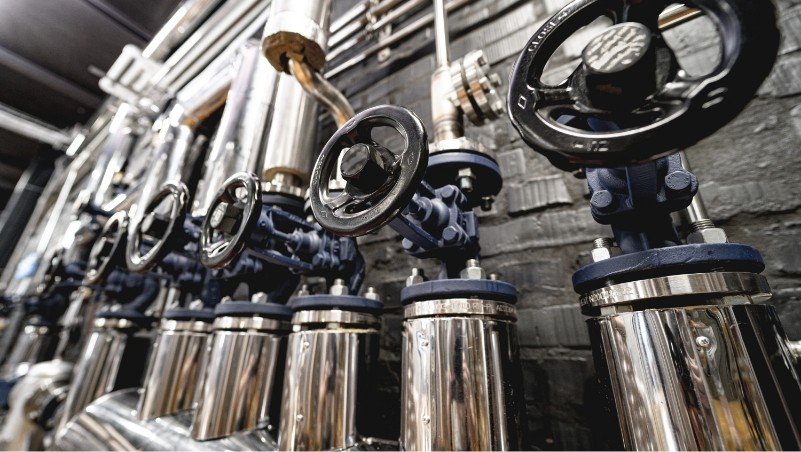
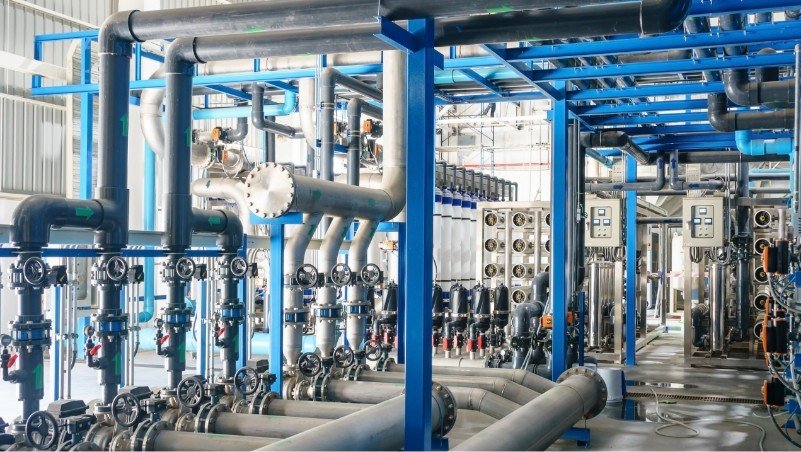
Industrial piping at a chemical processing facility
Pipework and structures at a chemical production plant Industrial equipment and piping in a chemical processing area

Our Focus

Industrie chimique

Chemical process valves serve both batch and continuous production in petrochemicals, resins, polymers, fertilizers and specialty chemicals. They isolate process lines, regulate feed and support automated transfer between equipment.

Fleyenda offers metal-bodied and fluoropolymer-lined valves for compatible acids, alkalis and solvents. We assess the wetted materials, sealing and actuator together using your medium, temperature, pressure and operating cycle.

Chemical Industry Applications

Bulk Chemical Production

Rugged Valves for Harsh Industrial Conditions

Reactors, mixing vessels and distribution lines can expose valves to corrosive media, suspended solids and temperature changes. Consider PTFE-lined ball valves for compatible corrosive liquids and metal-bodied valves where the wetted materials and seals meet the duty.

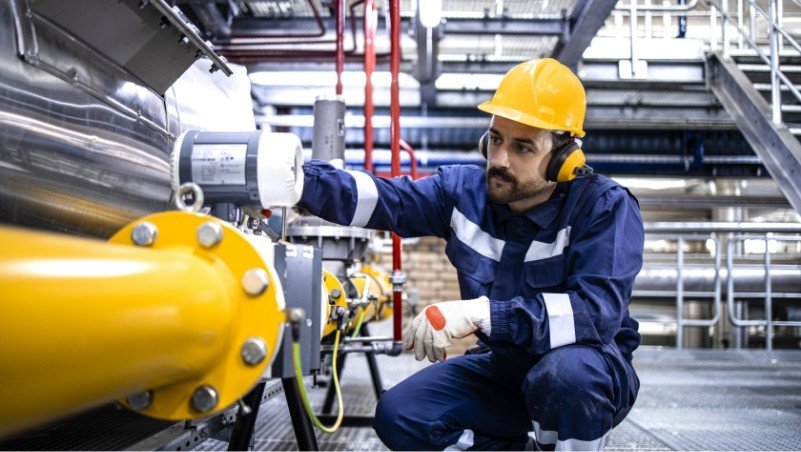
Engineers beside industrial piping at a chemical plant

Fine & Specialty Chemicals

Precision Control for Complex Chemical Processes

Batch sequencing, dosing and feed regulation depend on repeatable valve response. Use a sized control valve for metering and specify separate valves for isolation. Where a fine chemical process needs a gate valve, confirm the shutoff duty, sealing direction and wetted materials first.

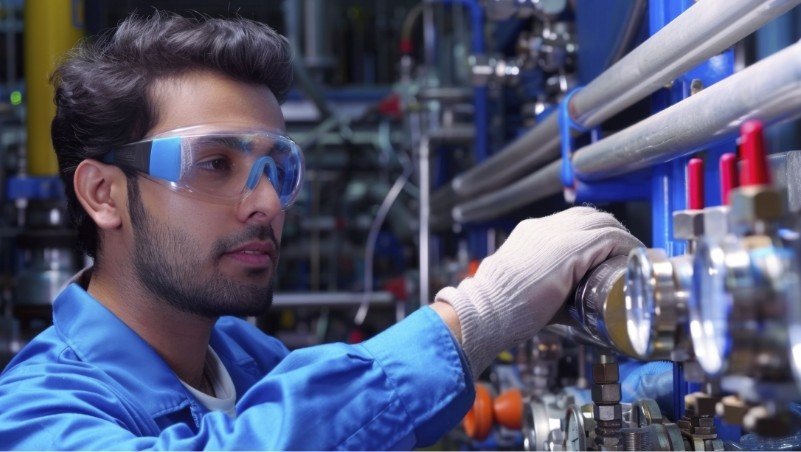
Engineers working with chemical processing equipment

Chemical Transfer & Utilities

Reliable Flow for Ancillary Chemical Systems

Specify chemical transfer valves for solvent recovery, scrubbers and utility lines using the actual process media. For clean-in-place or steam-in-place (CIP/SIP) loops, include the cleaning chemicals, steam temperature and cycle conditions when reviewing materials and drainability.

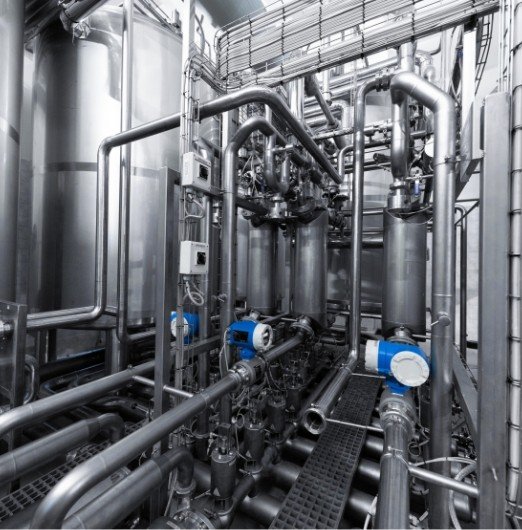
Stainless steel utility piping and valves

Chemical Process Challenges

Use the actual operating envelope to specify the valve, seat, seals and actuator as an assembly.

Corrosive chemical media
Check wetted metals, liner, seats and seals against chemical identity, concentration and exposure temperature.
High temperature and pressure
Review the selected assembly’s pressure–temperature curve, including start-up, cleaning and upset conditions.
Chemical leakage risks
Specify seat leakage acceptance criteria and review stem sealing and external containment separately.
Precise flow control
Size the trim for minimum, normal and maximum flow, available pressure drop and required Cv or Kv.
Automated operation
Confirm torque or thrust, cycle frequency, feedback, instrument air or power, and the required response on loss of supply.

Recommended Chemical Industry Valves

Choose by duty and confirm media compatibility and pressure–temperature limits for the ordered configuration.

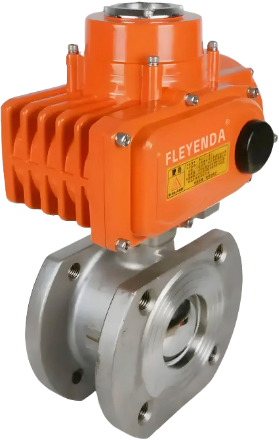
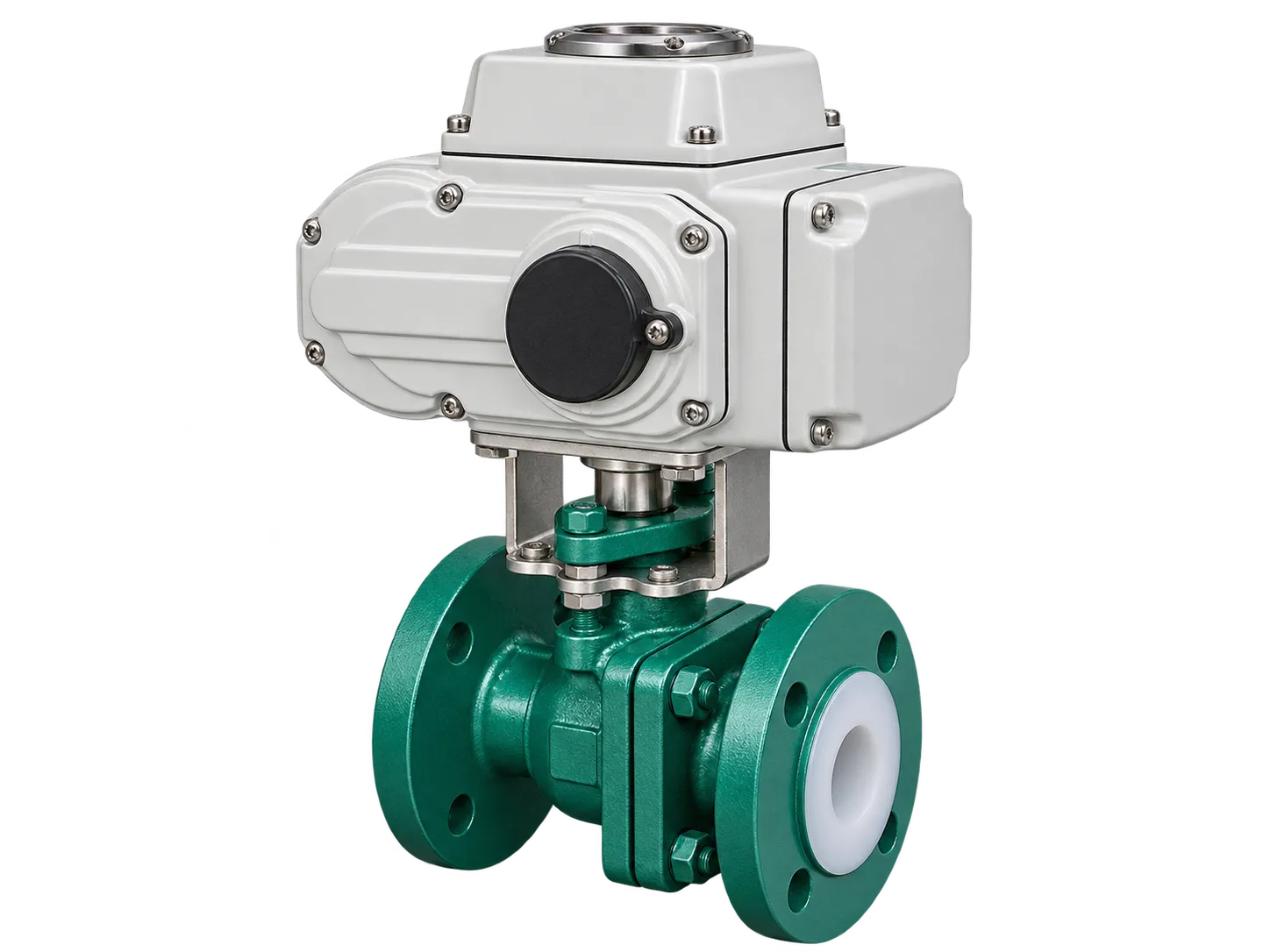
Fleyenda FLE-Q-F electric actuated ball valve with fluoropolymer lining

Corrosive media isolation · FLE-Q-F

PTFE/PFA-Lined Electric Actuated Ball Valve

Remote shutoff for compatible corrosive media. The fluoropolymer-lined flow path reduces direct contact between the process fluid and the metal body.

Nominal size
DN15–DN300
Pressure class
PN10–PN16
Lining
PTFE or PFA
Actuation
Electric quarter-turn
View Product
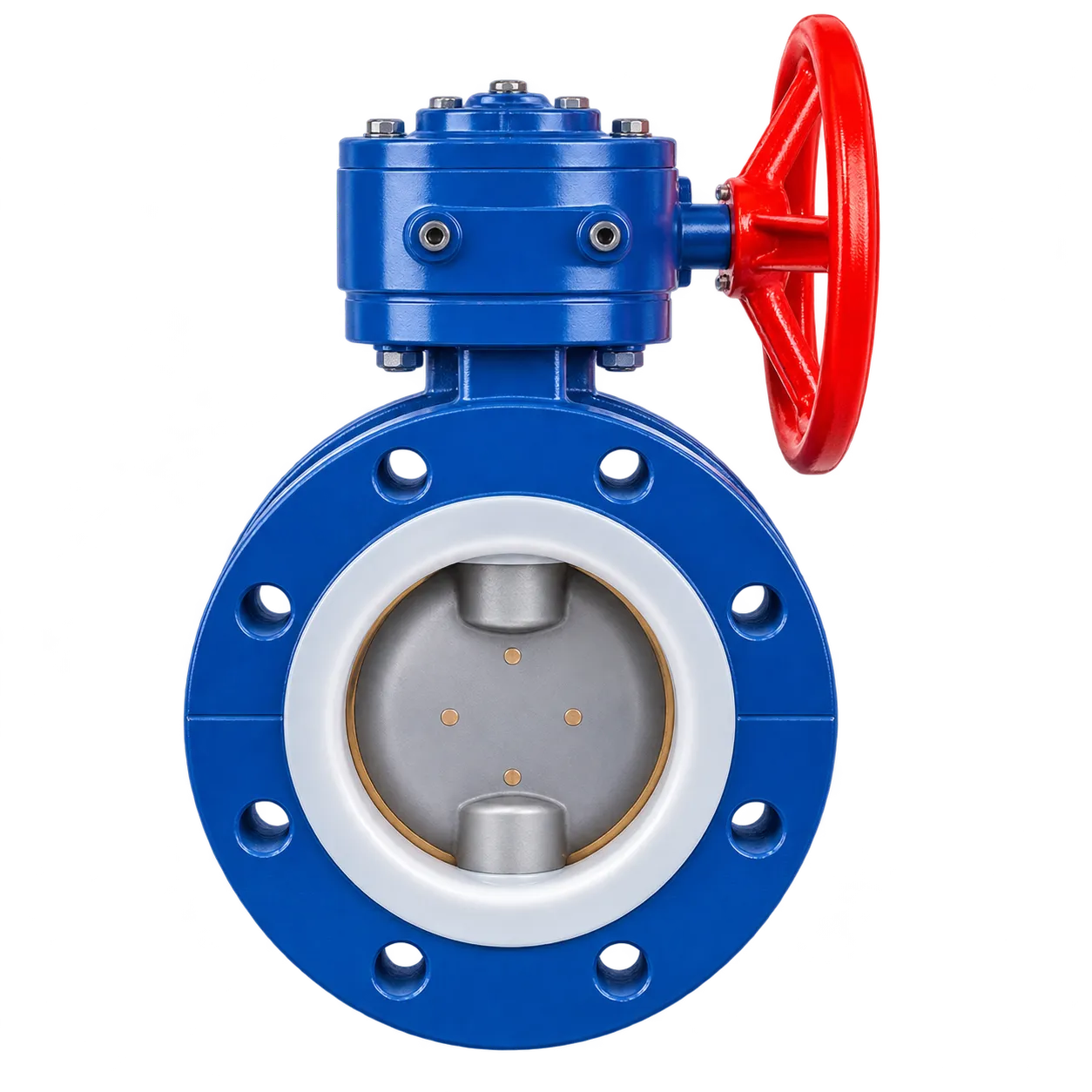
Fleyenda flanged PTFE-lined butterfly valve

Lined pipeline isolation

PTFE-Lined Butterfly Valve

Nominal size
DN40–DN1200
Lining
PTFE (F4)
Connections
Wafer, lug or flanged
Actuation options
Manual, electric or pneumatic
View Product
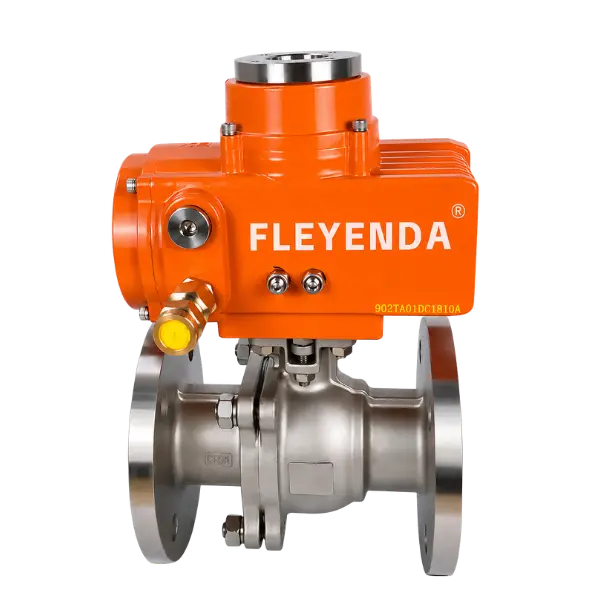
Fleyenda electric two-way flanged ball valve

Automated pipeline isolation

Electric Two-Way Flanged Ball Valve

Nominal size
DN15–DN300
Pressure class
PN16–PN40
Body options
304, 316 or WCB
Actuation
Electric quarter-turn
View Product
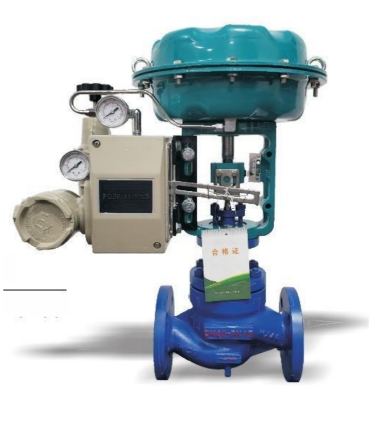
Fleyenda ZJHP-M pneumatic control valve

Process flow regulation

ZJHP-M Pneumatic Control Valve

Trim
VJM sleeve
Actuation
Multi-spring diaphragm
Actuator types
Direct or reverse acting
Flange options
Raised face or ring joint
View Product
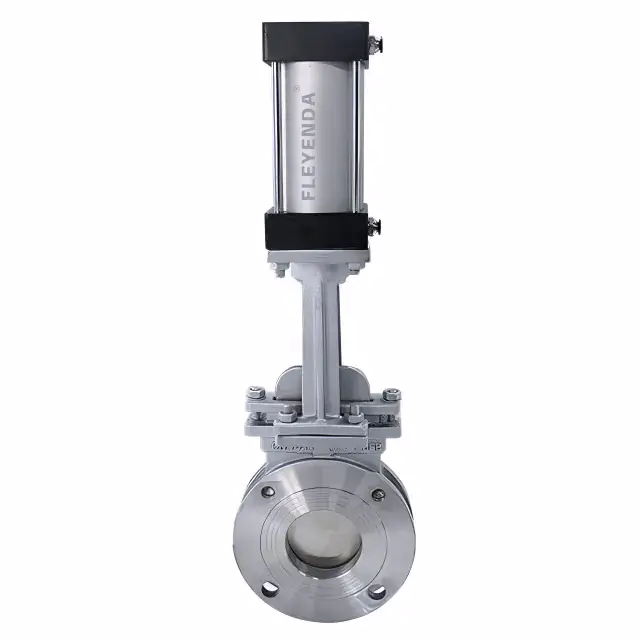
Fleyenda knife gate valve with a pneumatic cylinder

Slurry service isolation

Vanne à guillotine pneumatique

Body options
Cast iron, WCB, CF8 or CF8M
Seal listed
PTFE
Connections
Flanged, lug or wafer
Actuation
Pneumatic cylinder
View Product

Chemical Valve Selection Guide

Start with the required function. Isolation valves shut off flow, control valves regulate it, and slurry-service valves must account for how solids move and settle.

Valve types by operating condition

Operating condition
Corrosive liquid isolation
Valve to evaluate
Key selection factors
Medium and concentration, lining and seal compatibility, shutoff pressure differential
Operating condition
Automated pipeline isolation
Valve to evaluate
Key selection factors
Wetted materials, actuator torque, power and remote control signal
Operating condition
Slurry line isolation
Valve to evaluate
Key selection factors
Solids loading, particle size, abrasion, sealing direction and differential pressure
Operating condition
Chemical wastewater isolation
Valve to evaluate
PTFE-lined butterfly valve for compatible streams
Key selection factors
Chemical composition, suspended solids, temperature, pressure and disc clearance

Materials & Sealing Solutions

Evaluate all wetted components together, including the body or liner, closure element, seats and stem seals.

Stainless steel
CF8 and CF8M are cast body options on selected products. Confirm availability of 304 or 316 stainless components for the specific construction.
Seats and seals
PTFE seats are listed on selected valves. Choose the seat, stem packing and O-ring materials for chemical exposure, cycling and leakage requirements.
Actuation
Match electric or pneumatic operation to supply, torque or thrust, control mode and the specified fail position.

PTFE vs. PFA Linings

PTFE
A fluoropolymer with low friction and broad chemical resistance. Valve liners are formed using processes suited to PTFE’s very high melt viscosity.
PFA
A melt-processable fluoropolymer with broad chemical resistance. Its processing can suit molded lining geometries, depending on the valve design.

For either lining, evaluate the chemical concentration, operating and cleaning temperatures, pressure or vacuum, and potential permeation. Use the selected model’s approved limits.

Quality Assurance & Testing

Fleyenda documents raw-material checks, pressure and leakage testing, and valve performance checks. Specify the inspection and records required for your order during the technical review.

  • Material inspection. Agree the material grades and required traceability records.
  • Hydrostatic pressure and seat leakage. Specify the test method, pressure and acceptance criteria for the selected model.
  • Dimensional inspection. Identify critical dimensions and request an inspection record where required.
  • Electric or pneumatic actuator checks. Specify travel, feedback and the expected response on loss of power or air.
See Fleyenda’s quality and testing examples
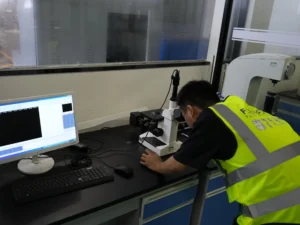
Fleyenda metallographic laboratory
Metallographic laboratory
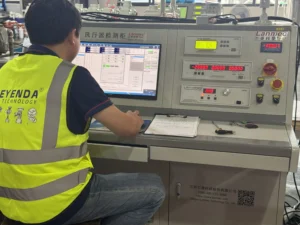
Industrial valve actuator testing at Fleyenda
Industrial valve actuator testing

Chemical Industry Case Studies

Engineer inspecting a valve and actuator on an industrial process line

Industrial coating equipment

Fast-Acting Valve for a Coating Spray System

Challenge
Repeatable spray timing with paint and solvent mixtures.
Configuration
Custom electric ball valve with a three-second opening or closing time.
Reported outcome
Faster response and more consistent coating delivery.
Read the coating equipment case study
Industrial process piping and valve assemblies in an energy facility

Carbon capture equipment

CPVC Butterfly Valves for Amine Solvent Service

Challenge
Corrosion and maintenance on an amine solvent circuit.
Configuration
Wafer-style CPVC butterfly valves selected for the project conditions.
Reported outcome
Reduced maintenance frequency following installation.
Read the carbon capture case study

Chemical Valve FAQs

What types of valves are used in chemical processing?

Ball and butterfly valves are common isolation choices. Globe and characterized V-port valves can regulate flow when sized for the operating range. Knife gate valves are candidates for isolation in selected solids-bearing services.

Which valve materials are suitable for corrosive chemicals?

PTFE, PFA and compatible stainless steels are starting points. Check the wetted materials against chemical composition, concentration and operating conditions, including cleaning and upset exposure.

What is the difference between PTFE- and PFA-lined valves?

Both use fluoropolymer linings. PFA is melt-processable, which affects the lining geometries that can be manufactured. Select using the specific liner design, chemical exposure, pressure, temperature and any permeation concerns.

Are electric actuated ball valves suitable for chemical pipelines?

Yes, for compatible media and approved conditions. Check lining or wetted metal, seat and stem seals, shutoff torque, power and controls. For hazardous areas, specify the site classification and request model-specific documentation.

How do I select a valve for acid or alkali transfer?

Provide the chemical name, concentration, temperature and pressure. Identify whether the duty is isolation or flow regulation. Then review lining, seats and seals against the medium and the model’s pressure–temperature limits.

What information is needed for chemical valve selection?

Send the medium, concentration, operating and design temperatures and pressures, valve size, pipe connection and required function. Include flow rates for regulation and solids data for slurry service.

Need a Valve Solution for Your Chemical Process?

Share the chemical medium and concentration, temperature, pressure, valve size and pipeline requirements. Fleyenda can review suitable valve, sealing and actuator options for your duty.

Contact Our Engineering Team
Ce site utilise des cookies afin d'améliorer votre expérience de navigation.