Passer les liens
Fleyenda Industrial Flow Control

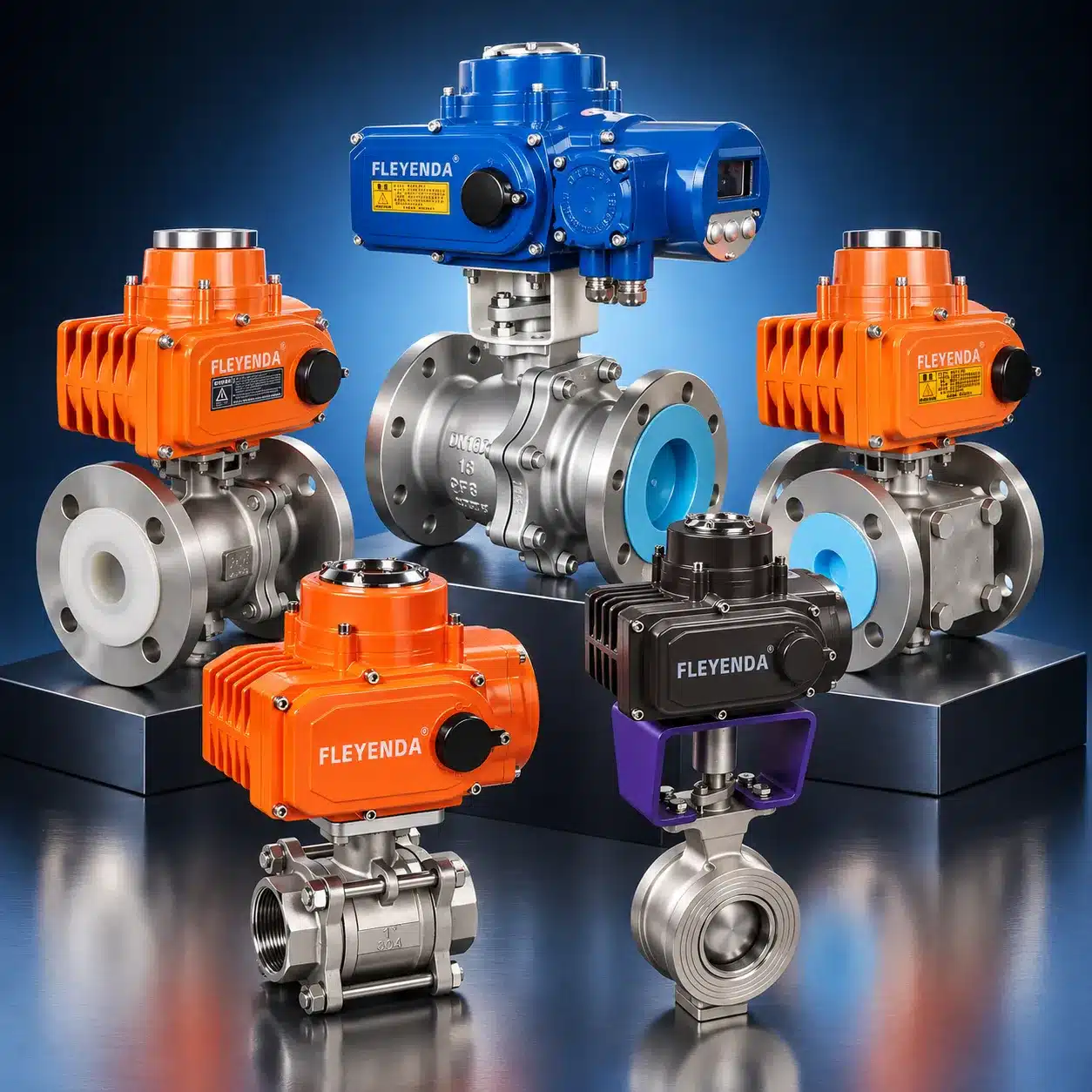
Motor-Operated Valves & Ball Valve Solutions

Engineered valve automation for reliable isolation, routing and flow control in demanding process systems. We match the ball valve, electric actuator, sealing system and control requirements as one operating package.

Automated isolationOn/off operation, remote shutoff and position feedback
Flow routing2-way and 3-way arrangements for switching, mixing and bypass
Process controlModulating actuator options for selected control duties
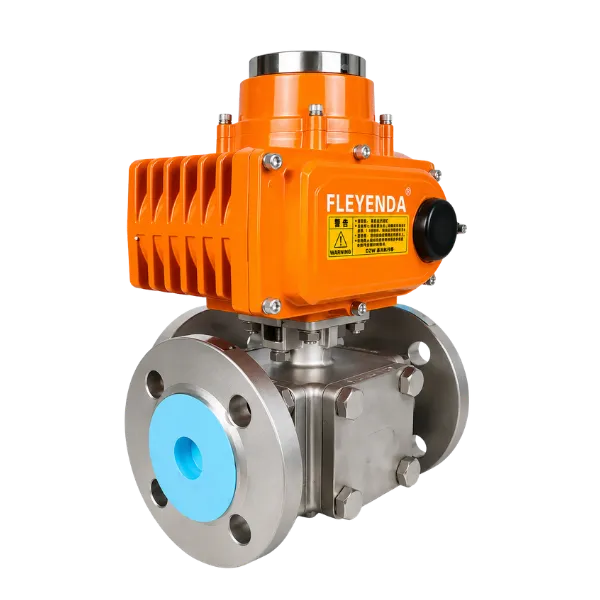
Fleyenda electric flanged 3 way ball valve with electric actuator
Engineering Approach

A dependable automated valve starts with the operating conditions.

A motor-operated valve has to do more than open and close. In a real plant, the actuator must produce enough torque across the full pressure range, the valve seats must suit the media and temperature, and the controls must communicate reliably with the site automation system. That is why actuator selection and valve selection should be treated as one engineering decision.

Ball valves are a strong choice for many automated isolation duties because of their compact quarter-turn movement, low pressure drop and tight shutoff capability. Depending on the service, a project may call for a floating or trunnion-mounted design, a 2-way or 3-way flow path, soft or metal seats, full or reduced bore, or a V-port configuration for modulating control.

Our role is to help translate process data into a practical valve package for oil and gas facilities, metallurgical plants, water and wastewater systems, food processing lines, semiconductor utilities and other industrial installations.

Process firstMedia, pressure, temperature, differential pressure, line size and required valve function.
Valve architectureBody material, ball design, seat system, pressure class, connection and leakage requirement.
Automation packageActuator torque, voltage, feedback, control mode, manual override and environmental protection.
Featured Electric Ball Valves

Products for routing and precision flow control.

Two practical configurations for automated piping systems: a three-way electric ball valve for diversion or mixing, and a V-port electric ball valve for stable modulating control. Select the valve according to the required flow path, pressure class, materials, actuator function and site conditions.

Fleyenda electric flanged 3 way ball valve with electric actuator
Flow Routing / 3-Way Control

Electric Flanged 3 Way Ball Valve

Built for automated diversion, mixing and flow-direction control between three connected pipelines. L-port and T-port arrangements can be matched to the required routing logic, while the electric actuator provides remote operation for industrial process systems.

Size rangeDN15–DN200
GB pressure optionsPN16 / PN25
ANSI pressure optionsClass 150 / 300 / 600
Port arrangementL-Port or T-Port
Actuator optionsOn/Off, intelligent, multi-turn or explosion-proof
MaterialsWCB or stainless steel with multiple seat options
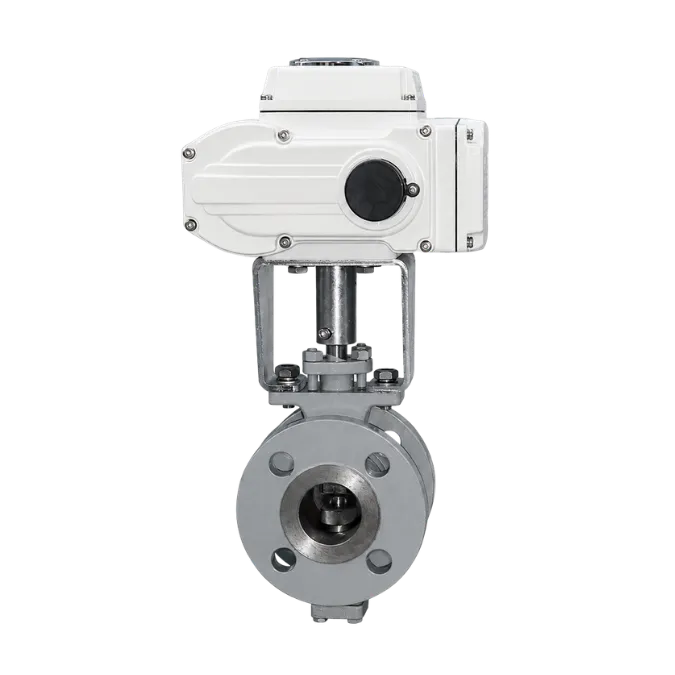
Fleyenda electric actuator V port ball valve
Modulating Control / V-Port

Electric Actuator V Port Ball Valve

Designed for automated throttling and repeatable flow regulation. The V-shaped opening changes the effective flow area progressively through the valve stroke, making this configuration suitable for proportional control in water, HVAC, chemical, energy and general process systems.

Size rangeDN25–DN200
Reference pressurePN1.6 MPa
Flow elementV-Port / V-Notch ball
Actuator controlOn/Off or modulating
Body materialsWCB, CF8, CF8M, CF3, CF3M
Stem materials17-4PH or SS316
Valve Automation Solutions

Three common ways to build the right ball valve solution.

Most projects fall into one of three operating goals: isolate a line, route the flow, or regulate it. The valve geometry and actuator control strategy should follow that goal rather than forcing one standard configuration onto every application.

01 / Isolation

Electric actuated ball valves for shutoff

For automated isolation, a 2-way ball valve paired with an electric actuator provides compact quarter-turn operation and repeatable remote shutoff.

  • Full-port and reduced-port options
  • Threaded, flanged, welded and sanitary connections
  • Open / close indication and remote feedback
  • Materials selected for the process medium
02 / Routing

3-way ball valves for switching and mixing

L-port and T-port arrangements support diversion, bypass, branch switching and mixing in automated process skids and plant piping.

  • Defined flow paths for process sequencing
  • Electric actuation for remote operation
  • Application-specific seat and body materials
  • Position feedback for control-system integration
03 / Control

V-port ball valves for modulating duty

Where proportional flow regulation is required, a V-port ball valve with a modulating actuator can provide better control behavior than a standard round-port valve.

  • Selected 4–20 mA and 0–10 V control options
  • Repeatable intermediate positioning
  • Suitable for selected water and process duties
  • Actuator sizing based on real valve torque
Industry Applications

Different industries require different valve decisions.

A valve that works well in a refinery may be the wrong choice for a hygienic food line or a semiconductor utility system. Material compatibility, cleanliness, pressure class, sealing performance, actuation strategy and installation environment all change with the application.

Refinery process piping for automated ball valve applications
Oil / Refining / Petrochemical

Reliable isolation for oil and refinery process lines

Oil and petrochemical service can involve high pressure, elevated temperature, hydrocarbons, frequent cycling and demanding plant safety requirements. Electric ball valves used on transfer lines, tank isolation, process skids and utility systems should be selected around pressure class, fire-safe requirements, seat material, stem sealing and actuator enclosure. For remote refinery isolation, a motor-operated ball valve package can combine dependable shutoff with plant-control feedback.

Natural gas pipeline facility with industrial valve equipment
Natural Gas / LNG / Pipeline

Remote shutoff for gas transmission and LNG systems

Natural-gas pipelines, compressor stations and LNG facilities commonly need low pressure drop, tight isolation and reliable remote operation. Full-bore trunnion ball valves with electric actuation are often considered where line pressure, gas composition, shutdown philosophy and hazardous-area requirements make manual operation impractical. The actuator should be sized against maximum break torque, not only normal running torque.

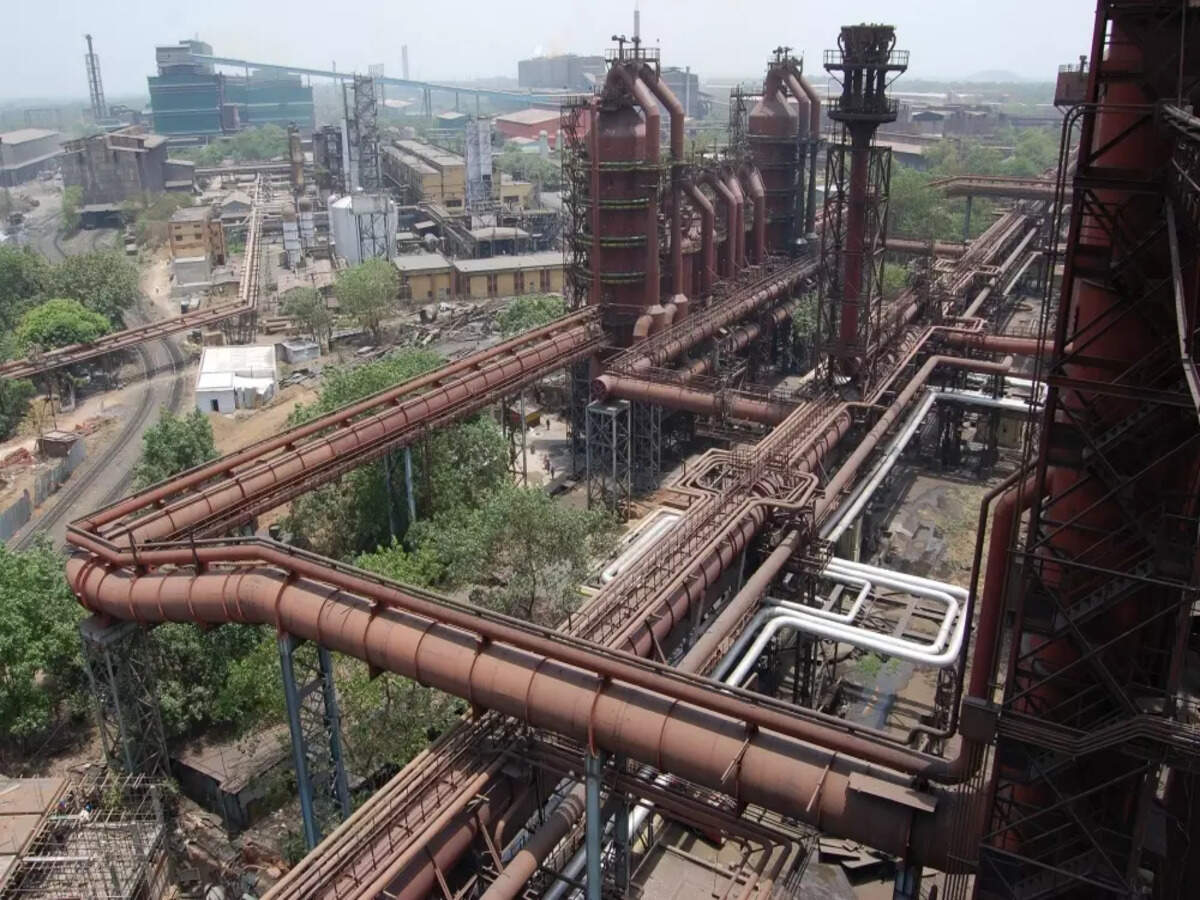
Steel and metallurgical plant industrial process environment
Metallurgy / Steel / Smelting

Automated valves for tough plant utility service

Steel mills and metallurgical plants expose valve equipment to heat, dust, vibration and heavy-duty operating cycles. Motorized ball valves may be used on water circuits, cooling systems, compressed air, fuel-gas utilities and selected process lines. The practical selection often depends on enclosure protection, actuator duty cycle, ambient temperature, seat material and ease of maintenance in difficult plant locations.

Water treatment facility with piping and process equipment
Water / Wastewater / RO

Motorized ball valves for treatment and distribution systems

Water-treatment plants require dependable cycling, corrosion resistance and straightforward integration with PLC-based automation. Electric actuated ball valves can handle isolation and routing duties in filtration skids, chemical dosing support systems, RO installations, utility-water networks and wastewater processes where the selected materials are compatible with the medium. Modulating V-port designs can be considered where controlled flow adjustment is required.

Food and beverage process piping and sanitary equipment
Food / Beverage / Hygienic Process

Sanitary valve automation for hygienic process lines

Food and beverage systems place greater emphasis on cleanability, surface condition, hygienic connections and compatible sealing materials. A sanitary electric ball valve can provide automated isolation or routing where ball-valve geometry is suitable for the process. Valve construction, elastomers, connection type and cleaning procedure should be reviewed together rather than treating the actuator as the only automation decision.

Semiconductor manufacturing facility for high-purity utility applications
Semiconductor / High-Purity Utilities

Valve solutions for semiconductor facility utilities

Semiconductor production depends on tightly controlled utility systems, including cooling water, process support water, chemical-support services and other facility media. Where a motorized ball valve is appropriate, material cleanliness, corrosion resistance, leakage performance, actuator repeatability and compatibility with site controls become central selection factors. High-purity process requirements should be reviewed separately from general plant utilities.

Selection Logic

Choose the valve by duty, then size the actuator around the valve.

Valve automation becomes more reliable when the selection follows a clear sequence. This also makes project discussions faster because the important data is defined before torque, voltage and control features are finalized.

1. Define the function

Isolation, diverting, mixing or modulating control determines whether the project needs a 2-way, 3-way or V-port ball valve arrangement.

2. Check the medium

Water, oil, natural gas, food-grade liquid and process chemicals place different demands on body materials, trim, seats and seals.

3. Verify pressure and temperature

Normal pressure is not enough. Design pressure, differential pressure and minimum / maximum temperature can materially change valve construction and operating torque.

4. Select the connection

Threaded, flanged, welded and sanitary connections affect installation, maintenance and suitability for the line specification.

5. Size the actuator

Electric actuator torque should include the valve's break, running and reseating torque with an appropriate service margin for the real operating conditions.

6. Define the controls

Power supply, on/off or modulating input, limit feedback, local indication, manual override and hazardous-area requirements complete the automation package.

Project Data

What we need to configure a motor-operated valve package.

The fastest way to narrow a suitable configuration is to provide the actual process conditions. Even partial data is useful; the remaining items can be confirmed during engineering review.

Project itemWhat to provideWhy it matters
Valve dutyIsolation, diverting, mixing or modulating controlDetermines the flow path and basic valve geometry.
Process mediumFluid or gas composition, concentration where relevantDrives body, trim, seat and seal compatibility.
PressureNormal, design and differential pressureAffects pressure class, seat loading and actuator torque.
TemperatureMinimum, normal and maximum operating temperatureInfluences seat materials, seals and actuator suitability.
Line size & connectionNominal size plus threaded, flanged, welded or sanitary connectionDefines valve dimensions and installation interface.
Electrical requirementsAvailable voltage and preferred control signalEnsures compatibility with the plant control system.
EnvironmentIndoor / outdoor, washdown, dust, corrosion or hazardous-area conditionsDetermines enclosure and environmental protection requirements.

Have a datasheet, piping condition or valve specification?

Send the available information directly to our team and we can review the application from there.

inquiry@fleyendaflow.com
Technical FAQ

Common questions when selecting automated ball valves.

These are the practical questions that usually come up before an electric actuator and ball valve can be matched correctly.

What is the difference between a motor-operated valve and a manual valve?

A manual valve depends on a hand lever or gearbox for operation. A motor-operated valve uses an electric actuator to move the valve automatically, allowing remote commands, position indication and integration with plant control systems. The actuator must be sized to the valve torque under the real process conditions.

When is a motorized ball valve a good choice?

A motorized ball valve is often a good fit when the application needs quarter-turn automated isolation, low pressure drop, compact installation and reliable shutoff. Suitability still depends on the process medium, temperature, pressure, cycling frequency and leakage requirement.

Should I use a floating or trunnion-mounted ball valve?

Floating ball valves are common in smaller sizes and many general industrial services. Trunnion-mounted designs are typically considered for larger sizes, higher pressures and pipeline duties because the ball is mechanically supported and seat loading is managed differently. Final selection should follow the pressure class, size and service conditions.

Can a 3-way electric ball valve divert and mix flow?

Yes. Depending on whether the ball has an L-port or T-port passage, a 3-way electric ball valve can be configured for diversion, branch switching, bypass or selected mixing arrangements. The required flow path should be confirmed before valve selection.

Can an electric ball valve be used for flow control?

For some duties, yes. A V-port ball valve with a modulating electric actuator is generally better suited to proportional control than a standard round-port ball valve. Control range, pressure drop and process behavior should be reviewed before using a ball valve as the control element.

What information is most important for actuator sizing?

Valve size, valve construction, differential pressure, seat material, operating temperature and maximum break / reseat torque are central inputs. Cycling frequency, desired operating time, power supply and environmental conditions also affect actuator selection.

Project Inquiry

Tell us what the valve needs to do in your process.

Share the medium, size, pressure, temperature, connection, voltage, control mode and application. We will use that information to narrow the valve construction, electric actuator and control configuration for your project.

Engineering & Sales inquiry@fleyendaflow.com

For motor-operated valves, electric actuated ball valves, automated isolation packages and industry-specific valve applications.

Ce site utilise des cookies afin d'améliorer votre expérience de navigation.