


QT-Q-TF Electric Actuator 3 Way Flange Ball Valve
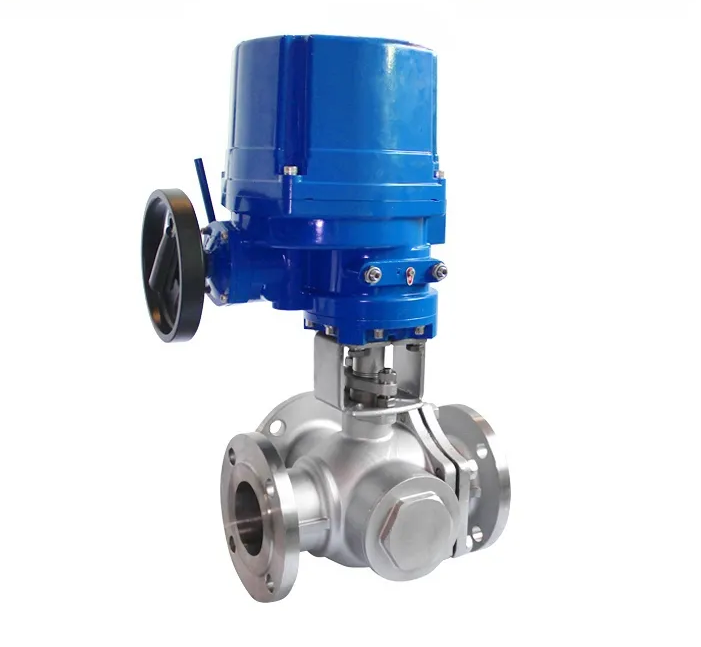
QT-Q-TF Electric Actuator 3 Way Flange Ball Valve
The Electric Actuator 3 Way Flange Ball Valve combines a full-bore flanged body and high-torque electric drive for precise flow diversion or mixing, providing stable control under 40 bar and 180 °C, verified by API 598, ISO 5211, and CE certifications.
| Gamme de tailles | DN15–DN200 (½”–8″) |
| Plage de pression de service : | PN10–PN40 (Class 150–300) |
| Plage de températures de fonctionnement : | de -20 °C à +180 °C |
| Matériau du corps : | Stainless Steel (CF8 / CF8M) or Carbon Steel (WCB) |
| Type de connexion : | Flanged End (ANSI, JIS, DIN) |
| Support compatible : | Water, Air, Oil, Steam, Acid, Alkali |
| Type d'actionneur : | Servomoteur électrique à quart de tour |
| Options de tension | AC220V, AC110V, AC380V, DC24V |
| Norme de conception | ISO 5211, GB/T 12237, ASME B16.34 |
| Norme d'essai | API 598, EN 12266-1 |
| Conception résistante au feu | API 607 / ISO 10497 (facultatif) |
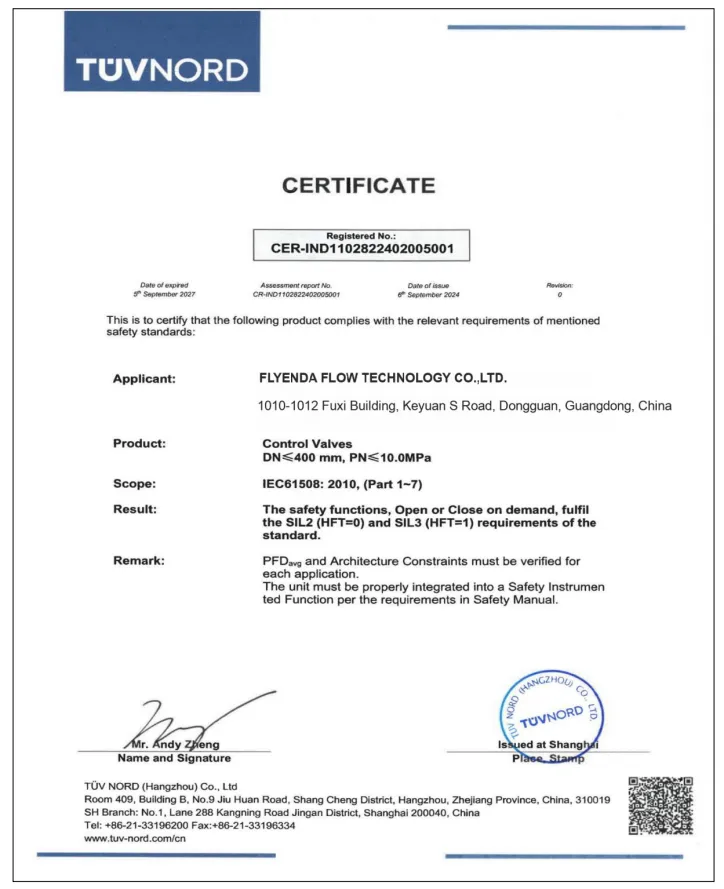
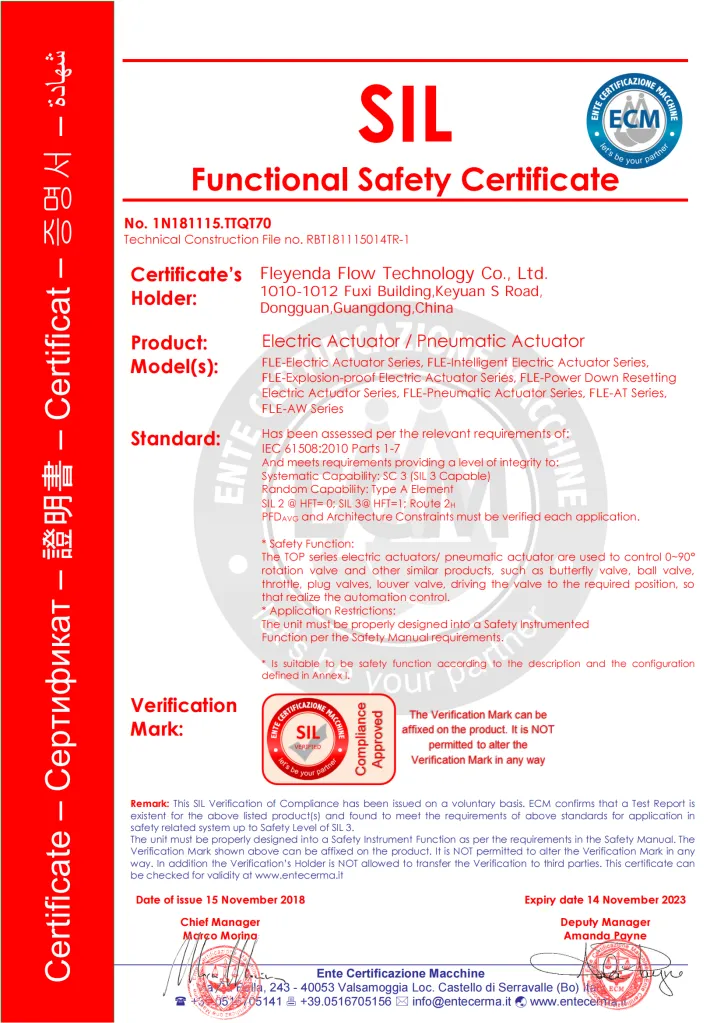
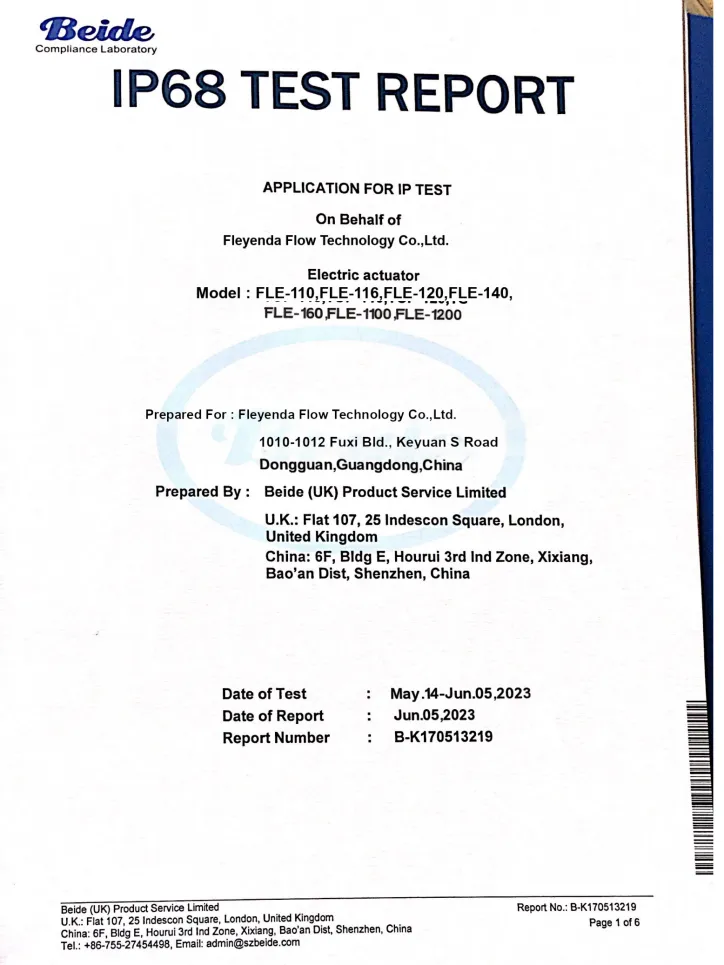
| Certification | CE / ROHS / ISO / SIL / TÜV / IP68 (étanche) |
| Personnalisation | Vous trouverez ci-dessus des exemples de paramètres standard. Si vous avez des paramètres et des matériaux spécifiques, nous pouvons les adapter à vos besoins. |
| Modèle d'actionneur | Temps standard / Couple | Temps/couple (en option) | Plage d'angles de rotation | Poids de l'actionneur | Alimentation électrique | Circuit de commande en option |
|---|---|---|---|---|---|---|
| FLE-105 | 25 S/50 Nm | 4S/20 Nm 10 S/30 Nm | Réglable de 0 à 90° | 2,2 kg | 24 V CC 24 V CA 110 V CA 220 V CA AC380V | Un type Type B Type C Type D Type E Type F |
| FLE-110 | 25 S/100 Nm | 15 S/50 Nm | 5,1 kg | |||
| FLE-116 | 25 S / 160 Nm | 15 S/80 Nm | 5,1 kg | |||
| FLE-120 | 25 S/200 Nm | 15 S/100 Nm | 7,5 kg | |||
| FLE-140 | 25 S/400 Nm | 15 S/200 Nm | 7,5 kg | |||
| FLE-160 | 25 S / 600 Nm | 15 S/300 Nm | 8,1 kg | |||
| FLE-1100 | 50 S/1 000 Nm | 25 S/500 Nm | 12,7 kg | |||
| FLE-1200 | 50 S/2 000 Nm | 25 S/1 000 Nm | 12,7 kg | |||
| Type | Marche/Arrêt, Régulation, Intelligent | |||||
| Résistance d'isolement | 100 MΩ/500 V CC | |||||
| Rigidité diélectrique | 1 500 V CA pendant 1 min. | |||||
| Niveau de protection | IP67 (IP68 en option) | |||||
| Lieu d'installation | Installation à 360°, quel que soit l'angle | |||||
| Interface électrique | Raccord métallique 2-G1/2 : les raccords de câbles métalliques correspondants doivent être installés en fonction des câbles choisis. | |||||
| Température ambiante | de -20 °C à +60 °C | |||||
| Antidéflagrant (en option) | Ex d II BT4 / CT4 / CT6 Gb | |||||
| Fonction de réinitialisation en cas de coupure d'alimentation (sécurité intégrée) | Ouverture en cas de défaillance, fermeture en cas de défaillance ou sans réinitialisation (sélectionnable en usine) | |||||
| Fonctions optionnelles | Protection contre le couple excessif, chauffage de déshumidification, interrupteur à contact passif, volant de commande | |||||
Une qualité certifiée pour les applications de vannes industrielles
Les vannes et actionneurs électriques Fleyenda sont conçus pour offrir des performances stables, un fonctionnement fiable et une utilisation industrielle à long terme. Bénéficiant d’un soutien qualité certifié, ils conviennent aux applications de traitement de l’eau, de traitement chimique, d’automatisation et aux systèmes de contrôle des processus industriels.
Questions fréquentes susceptibles d'intéresser les utilisateurs du modèle 80%
1. Which flow-path configuration (L-port or T-port) is suitable for a motorized three-way flanged ball valve?
• L-port is used for flow diversion, while T-port supports mixing or distribution.
• Check the valve’s flow diagram and port labeling before installation.
• Ensure the actuator rotation matches the selected flow path.
• Choose a convertible design if both diversion and mixing may be required.
2. How to integrate an electric actuator on a flanged three-way ball valve into an automation system?
• Use an ISO 5211 mounting interface for direct alignment.
• Match voltage and control signals with PLC or DCS systems.
• Include limit switch or torque feedback for position monitoring.
• Plan wiring to keep connections accessible and protected from vibration.
3. What maintenance and environmental factors ensure long-term reliability?
• Confirm actuator protection level (IP67/IP68) fits the installation environment.
• Inspect bolts, seals, and body regularly for corrosion or leaks.
• Keep operation within rated pressure and temperature limits.
• Use compatible materials and clean components handling corrosive media.
4. How to select the right size and pressure rating for a flanged electric three-way valve?
• Match the nominal size and flange standard to existing piping.
• Ensure rated temperature and pressure exceed system conditions.
• Choose materials and seat types suitable for the controlled fluid.
• Consider flow coefficient (Cv) and actuator torque when sizing.