


Válvula de bola sanitaria neumática de 2 vías con conexión Tri-Clamp FAT-Q-S
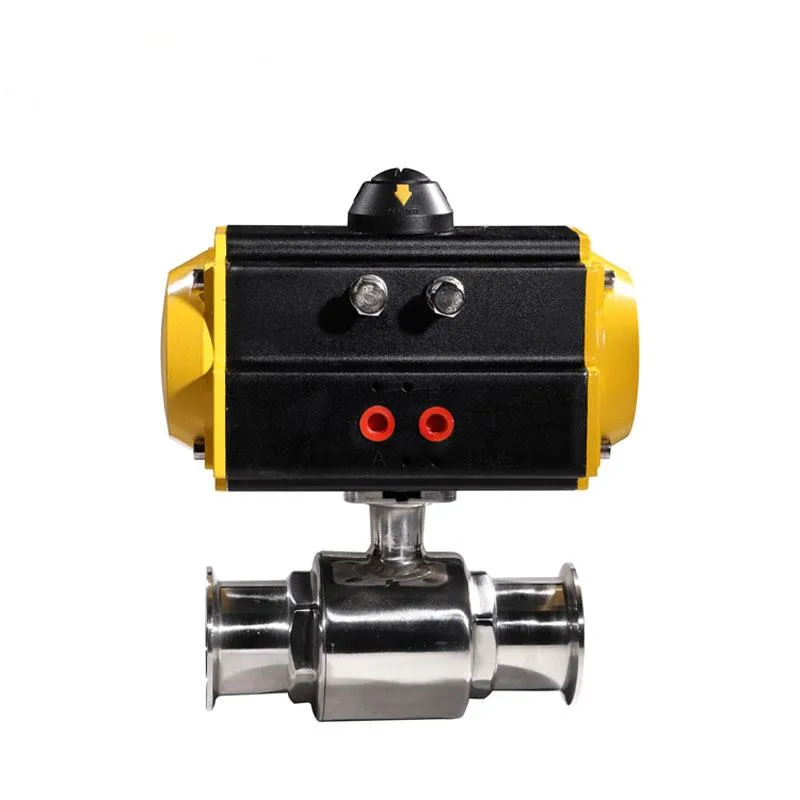
Válvula de bola sanitaria neumática de 2 vías con conexión Tri-Clamp FAT-Q-S
The Pneumatic 2-Way Tri-Clamp Sanitary Ball Valve uses a 316L stainless-steel full-bore body with polished interior for clean, residue-free flow, ensuring hygienic operation and easy CIP/SIP cleaning, with an IP65 pneumatic actuator tested for 100,000 cycles under EN 12266-1 and certified to 3A, FDA, and ISO 9001 standards.
| Gama de tallas | 1/2″–4″ (DN15–DN100) |
| Rango de presión de trabajo: | Up to 10 bar (145 psi) |
| Rango de temperatura de funcionamiento: | -20°C to +180°C |
| Material del cuerpo: | Stainless Steel 304 / 316L |
| Tipo de conexión: | Tri-Clamp (Sanitary Clamp / ISO / DIN / 3A Standard) |
| Medio aplicable: | Food, Beverage, Dairy, Pharmaceutical, Biotech, Pure Water |
| Tipo de actuador: | Double-Acting or Spring-Return Pneumatic Actuator |
| Opciones de voltaje | Air Supply 4–8 bar; Solenoid Valve 24V DC / 110V AC / 220V AC |
| Norma de diseño | 3A / ISO 2852 / DIN 11850 / ASME BPE |
| Norma de ensayo | EN 12266-1 / API 598 |
| Diseño a prueba de incendios | Not Required for Sanitary Applications |
| Certificación | CE / RoHS / ISO 9001 / IP65 (actuador) |
| Personalización | Las siguientes son muestras de parámetros estándar. Si tienes parámetros y materiales específicos, podemos personalizarlos todos. |
| Serie | AT | AW | Lineal | Cilindro neumático | Sanitario |
|---|---|---|---|---|---|
| Cuerpo de válvulas | Válvula de bola, válvula de mariposa, válvula de tapón | Válvula de compuerta, Válvula Global | Válvula de compuerta de cuchilla | Válvula de mariposa sanitaria | |
| Función | De doble efecto, de simple efecto (reposicionamiento automático en caso de falla FO o FC) | ||||
| Accesorios de control |
• Válvula solenoide, filtro-regulador-lubricador (F.R.L.), posicionador, interruptor de límite, volante • La válvula solenoide y el posicionador son de grado a prueba de explosiones y están disponibles en versión con retroalimentación de señal | ||||
| Medio de funcionamiento |
Aire limpio y seco, o aire lubricado, o gas inerte. Cualquier gas no corrosivo que sea compatible con las piezas internas del actuador y con el lubricante. La temperatura del punto de rocío del medio de operación es de -20 °C, y el tamaño de las partículas de impurezas no supera los 30u. Al seleccionar un posicionador, el tamaño de las partículas de impurezas no debe ser superior a 5u. | ||||
| Presión del aire de alimentación | De 3 bar a 8 bar | ||||
| Temperatura del entorno operativo |
• Tipo estándar: de -20 °C a +80 °C • Tipo de baja temperatura: de -40 °C a +80 °C • Tipo para altas temperaturas: de -20 °C a +160 °C | ||||
| Lubricación |
En condiciones normales de funcionamiento, el modelo estándar no requiere lubricante adicional. Para entornos de baja o alta temperatura, se requieren lubricantes especiales. | ||||
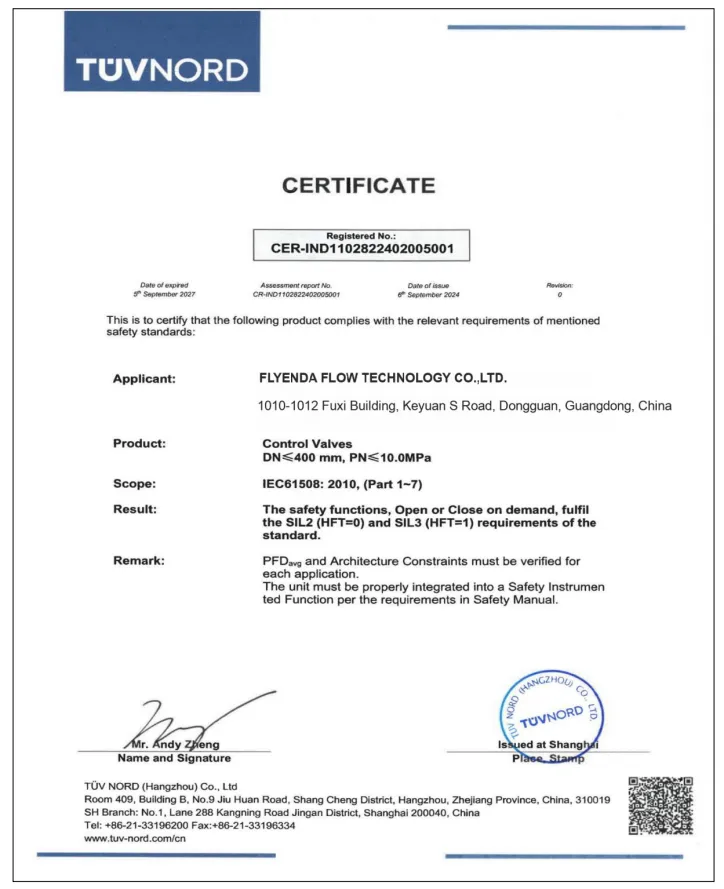
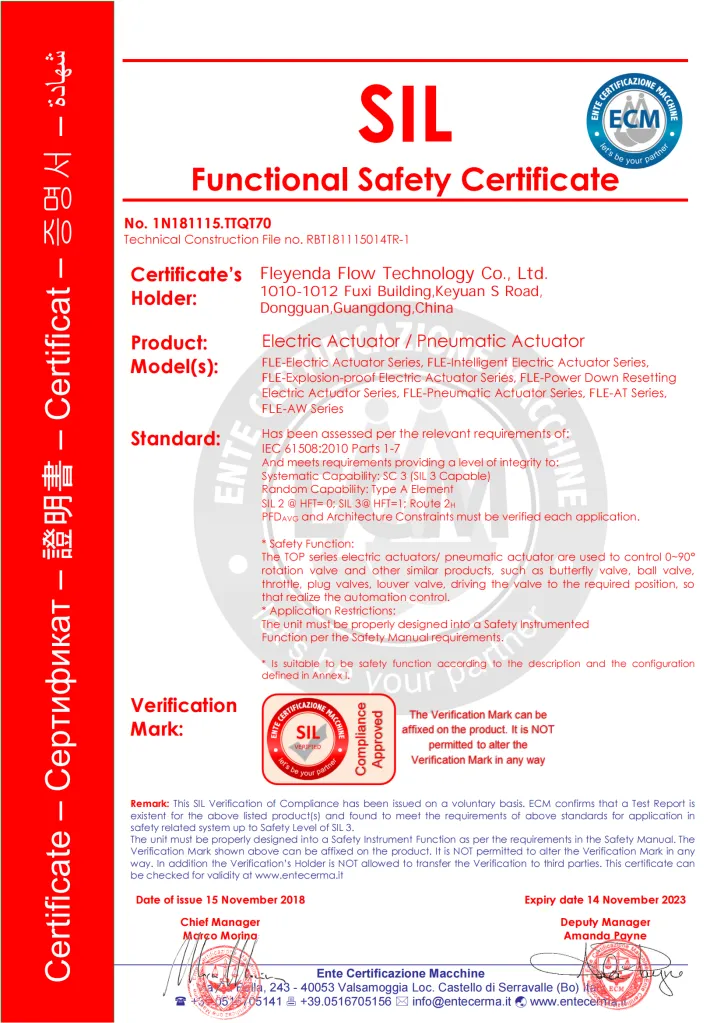
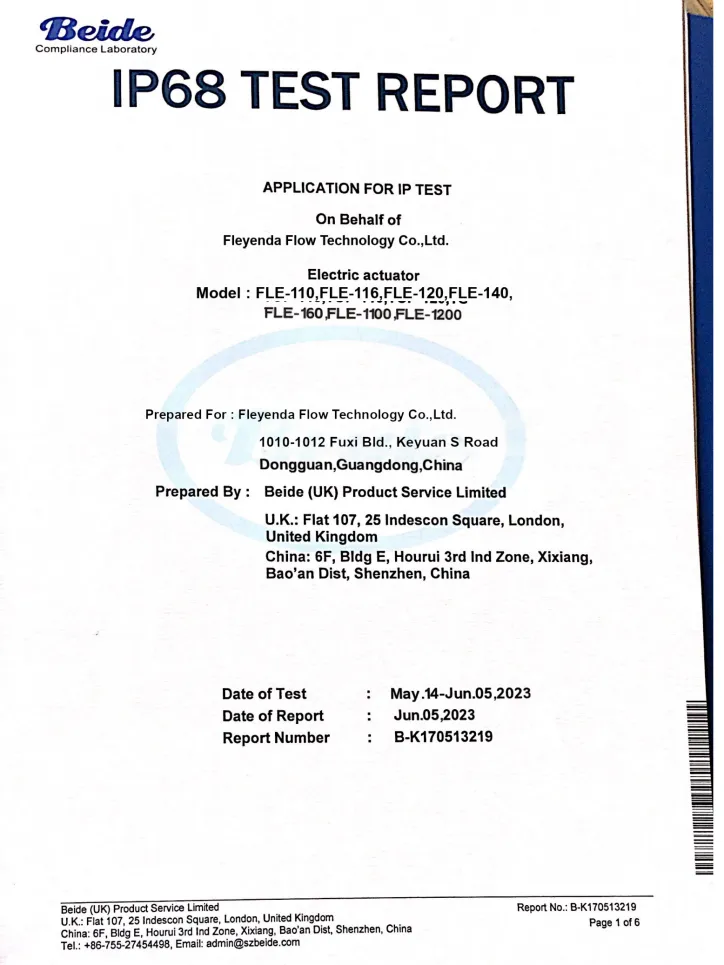
Calidad certificada para aplicaciones de válvulas industriales
Las válvulas y los actuadores eléctricos de Fleyenda están diseñados para ofrecer un rendimiento estable, un funcionamiento confiable y un uso industrial a largo plazo. Con un respaldo de calidad certificada, son adecuados para el tratamiento de agua, el procesamiento químico, la automatización y los sistemas de control de procesos industriales.
Preguntas frecuentes que interesan a los usuarios del 80%
1. What are the key indicators that a sanitary tri-clamp ball valve needs servicing?
• When the tri-clamp sanitary ball valve fails to open or close smoothly, it often indicates actuator air contamination or worn PTFE/EPDM seats.
• Increased torque or slower movement signals internal buildup or gasket wear.
• Residual media after CIP/SIP cycles suggest bacterial risk—high-quality sanitary pneumatic valves eliminate such dead zones.
• Loose or corroded clamps can cause leaks, reducing reliability of the pneumatic sanitary ball valve in food and beverage use.
2. How to choose the right air-actuated hygienic valve for stable flow?
• Use a full-port pneumatic tri-clamp valve to maintain low pressure drop.
• Match the valve size (½″–4″ or DN15–DN100) to the pipeline for full flow.
• Keep actuator air pressure within 5–8 bar for quick and accurate response.
• Select 304/316L stainless steel with polished interior to ensure hygiene and durability.
3. Where is a sanitary pneumatic ball valve most effectively used?
• Ideal for food, beverage, dairy, and pharmaceutical production.
• Performs well with steam, pure water, and clean gases in sanitary automation.
• The air-operated sanitary ball valve integrates with solenoid and feedback systems for reliable control.
• A sanitary tri-clamp valve resists cleaning chemicals and maintains purity in CIP systems.
4. What are the cleaning and maintenance best practices?
• Inspect gaskets after CIP cycles; replace worn seals in the tri-clamp sanitary valve promptly.
• Supply clean, dry air to the actuator to extend the air-operated valve lifespan.
• Regularly test for leaks under API 598 or EN 12266-1 standards.
• Avoid overtightening clamps to prevent gasket deformation.