


Electric Ball Valve Replacement Without PLC/DCS Modifications: A Kazakhstan Oilfield Case Study
Replacing established European valve brands in an operating oilfield is not simply a procurement decision. The replacement equipment must meet operating requirements, integrate with existing automation systems and receive reliable technical support. Discover how Fleyenda helped an oil and gas operator in Kazakhstan introduce Chinese electric ball valves without modifying existing field wiring or PLC/DCS programs.
Replacing European Valve Brands with a Compatible Chinese Electric Valve Solution
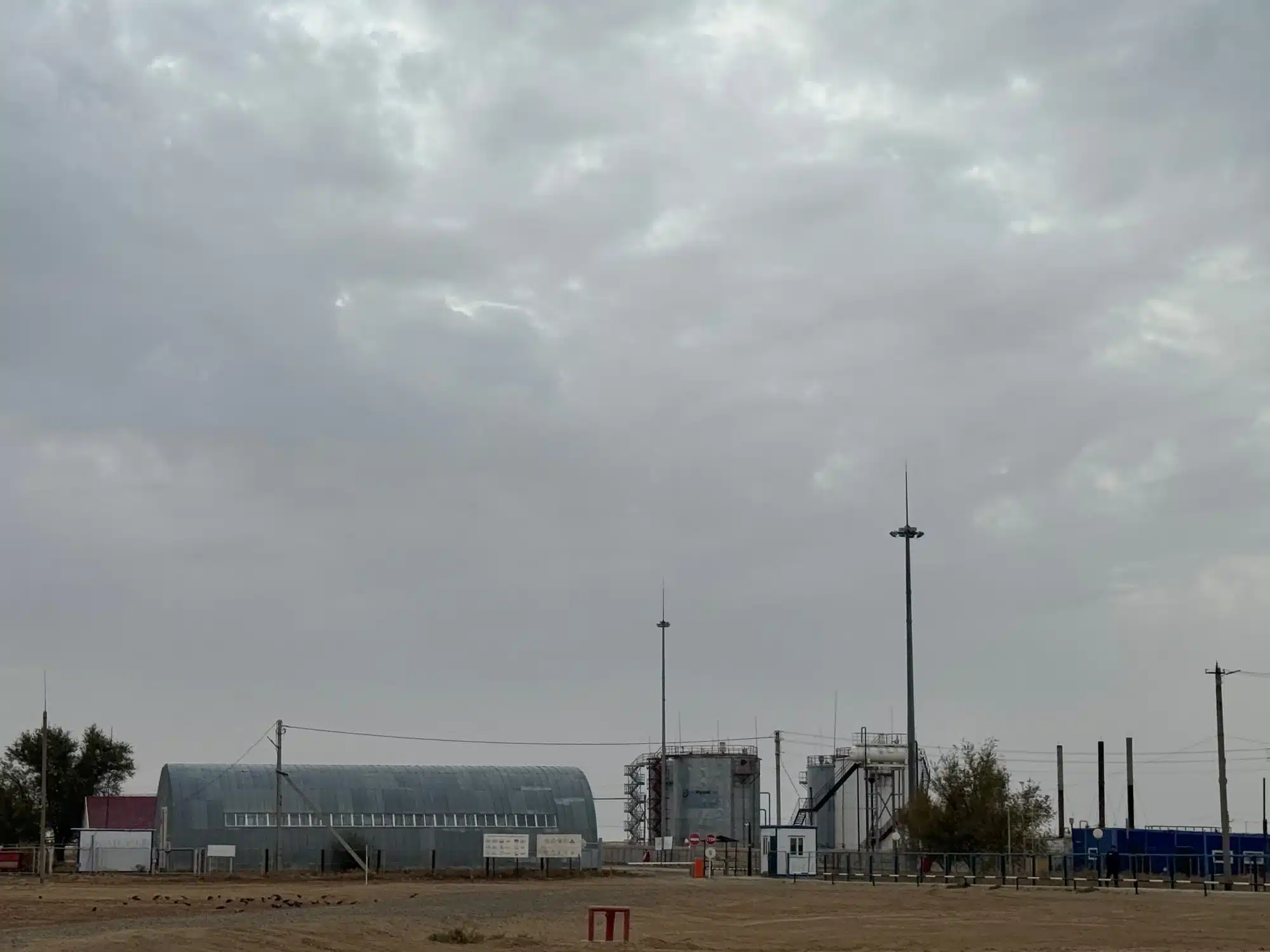
A major oilfield operator in Kazakhstan wanted to introduce Chinese industrial valves as cost-effective alternatives to its existing European-brand equipment. The main challenge was ensuring that the new electric ball valves could work with the installed PLC/DCS infrastructure without disrupting the customer’s existing control system.
Atyrau, Kazakhstan
Oil & Gas Production
Electric Ball Valves
Existing PLC/DCS
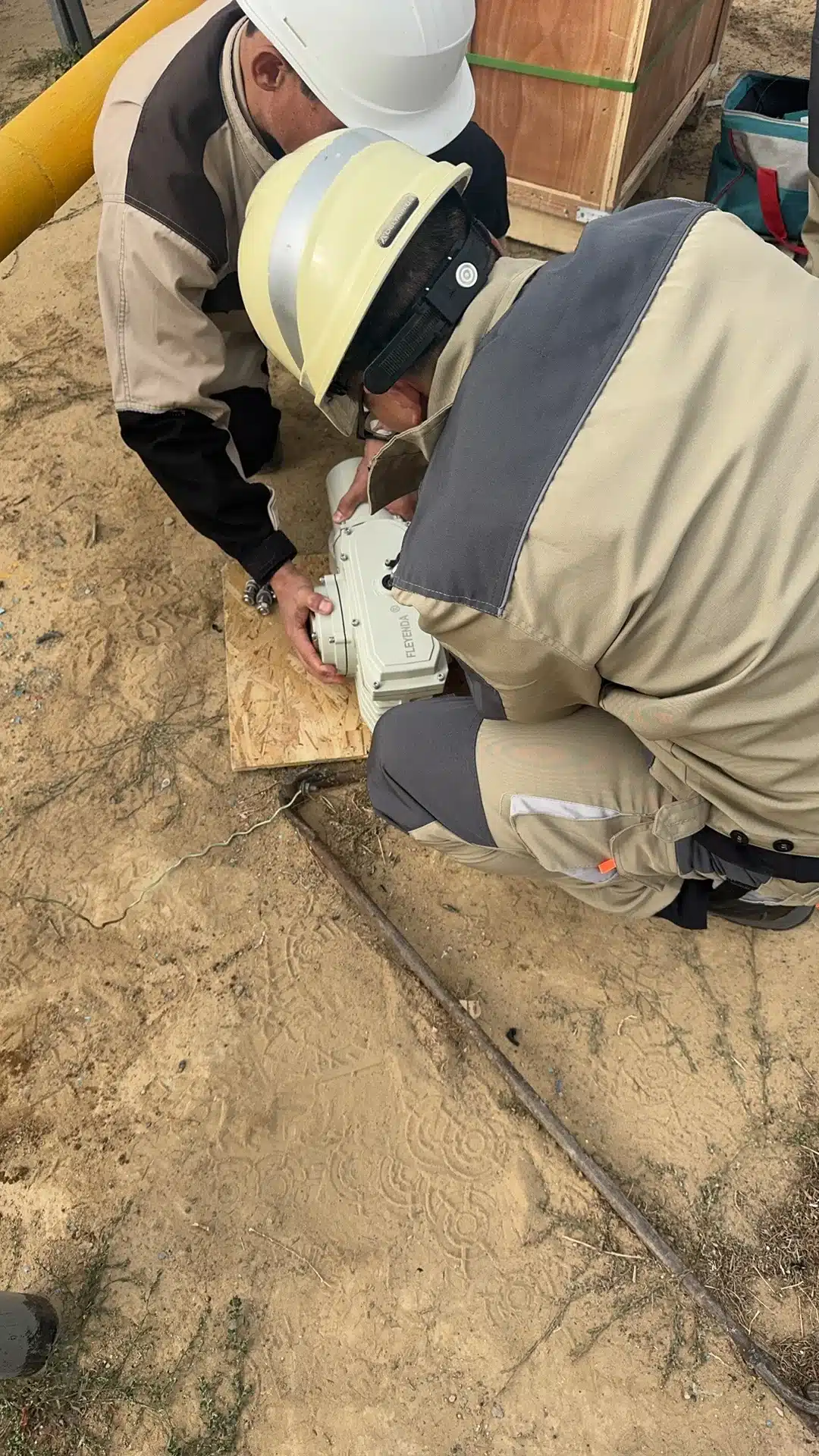
Fleyenda’s technical and business representatives worked directly at the customer’s oilfield. The supplied electric ball valves were successfully connected and put into operation without changing the customer’s existing field wiring or PLC/DCS programs. The solution also supported both ON/OFF and modulating operation through on-site configuration.
Why the Customer Started Looking for Alternatives to European Electric Valves
The customer is an oilfield development enterprise under a leading state-owned oil and gas group in Kazakhstan. With more than 100 years of industry history, the group has extensive experience in petroleum exploration, oilfield development, production and oil and gas processing.
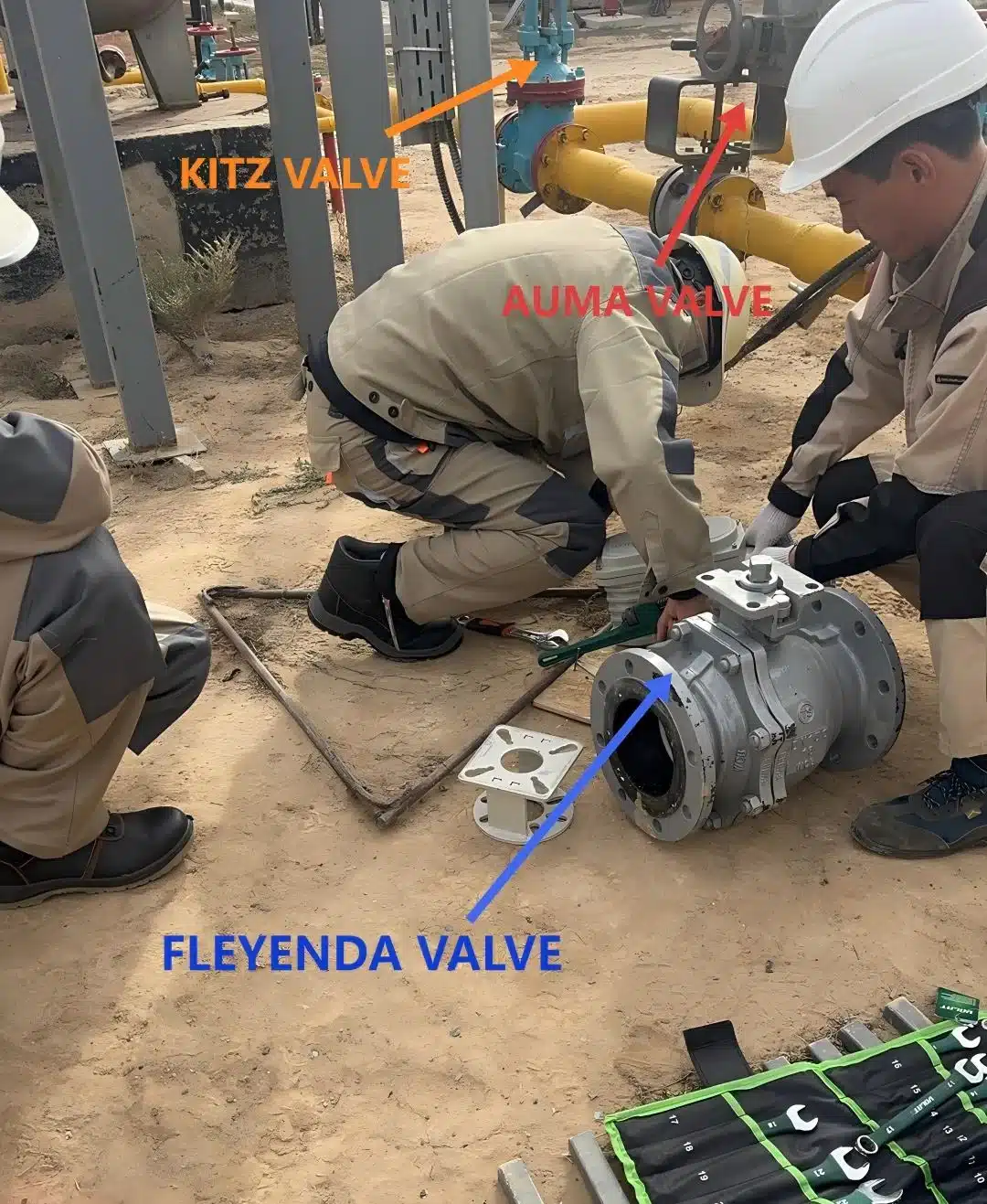
In the Atyrau region, the customer operates more than 20 oilfields and production bases. Its production facilities have historically relied on established international valve brands, including AUMA and ROTORK for automated valve applications, as well as other established brands for manual valves.
However, as procurement efficiency and operating costs became increasingly important, the customer began evaluating Chinese industrial valve manufacturers as alternative suppliers.
This decision was not based on purchase price alone. The customer needed an electric ball valve solution that could meet actual operating requirements while maintaining compatibility with its existing industrial automation infrastructure.
Five Reasons Behind the Supplier Transition
- Better cost efficiency: Reduce overall procurement and ownership costs compared with the previous European-brand sourcing arrangement.
- Faster technical response: Obtain more responsive communication and technical assistance for project requirements.
- Flexible configuration: Adjust valve operating functions according to different production-stage requirements.
- Direct on-site support: Work with a supplier capable of sending technical personnel to the production facility.
- Long-term cooperation: Establish a dependable industrial valve supply relationship rather than making a one-time purchase.
The Main Challenge Was Not Replacing the Valve. It Was Maintaining System Compatibility.
For an operating oilfield, replacing an electric actuated ball valve involves more than matching the nominal size and pressure rating. The replacement must also work with the existing actuator control arrangement, electrical connections and automation system.
Existing PLC/DCS Architecture
The customer’s PLC and DCS systems had been developed around the communication protocols and interface standards of its previously installed European-brand automated valves.
Risk of Field Wiring Modifications
Replacing existing equipment could potentially require changes to field wiring and control arrangements, increasing installation work and operational complexity.
Different Control Requirements
The customer’s production applications required both ON/OFF and modulating functions at different stages, making flexible actuator configuration essential.
Remote Oilfield Technical Support
The project was located at a remote production facility. The customer needed practical installation guidance and direct technical assistance rather than product delivery alone.
How Fleyenda Delivered an Electric Ball Valve Replacement Solution
Rather than asking the customer to redesign its existing automation infrastructure, Fleyenda focused on adapting the supplied electric ball valves to the customer’s actual site requirements.
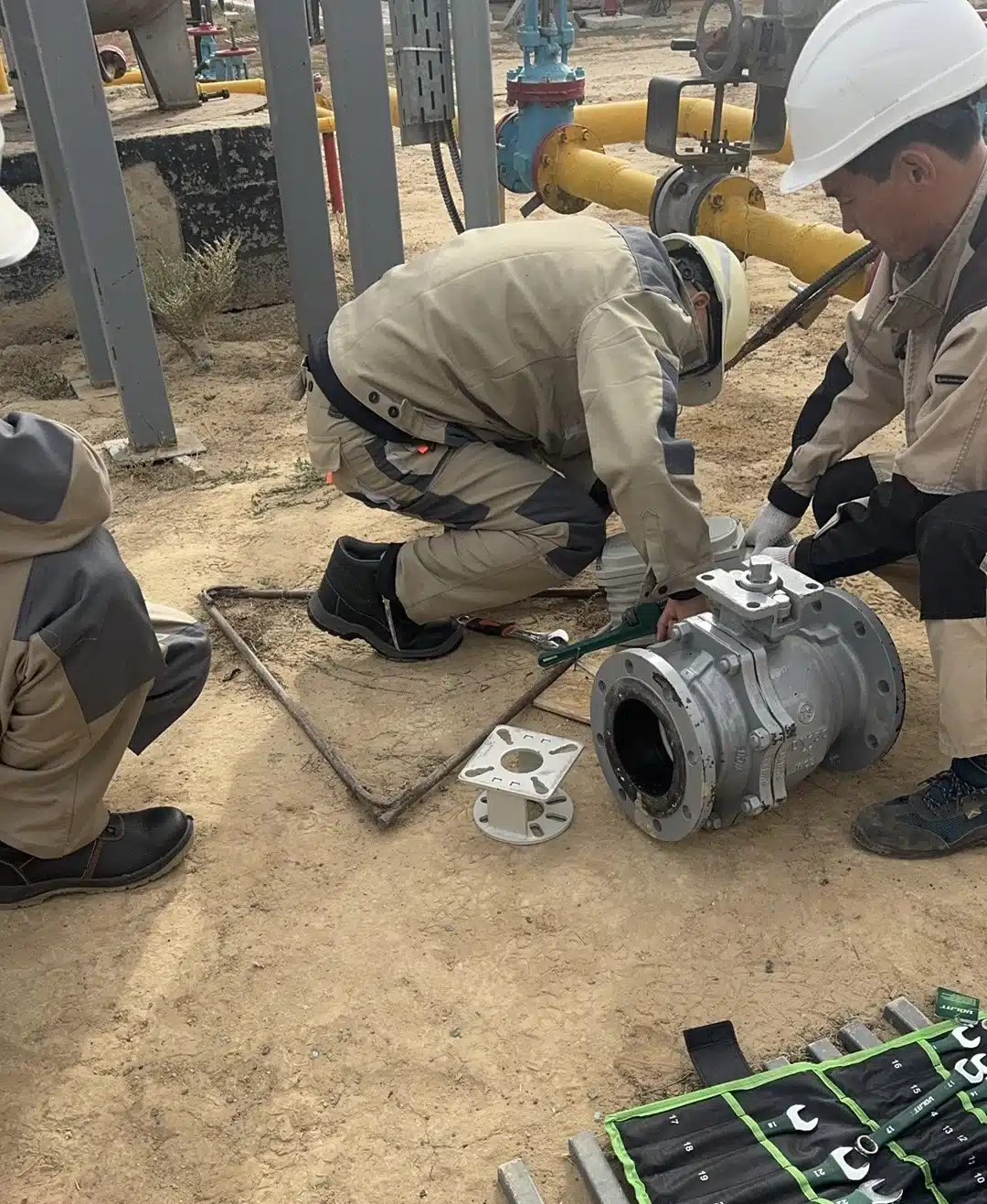
We arranged for both business and technical representatives to travel directly to the customer’s oil production facility. This allowed our team to communicate with the customer’s engineers, review the existing installation and provide hands-on guidance during connection and adjustment.
1. On-Site Review of Existing Equipment and Control Requirements
The first step was to understand the existing PLC/DCS architecture, communication interfaces and field wiring arrangements. This review was essential to identifying the practical requirements for connecting the new electric ball valves to the existing system.
2. Flexible Electric Actuator Configuration
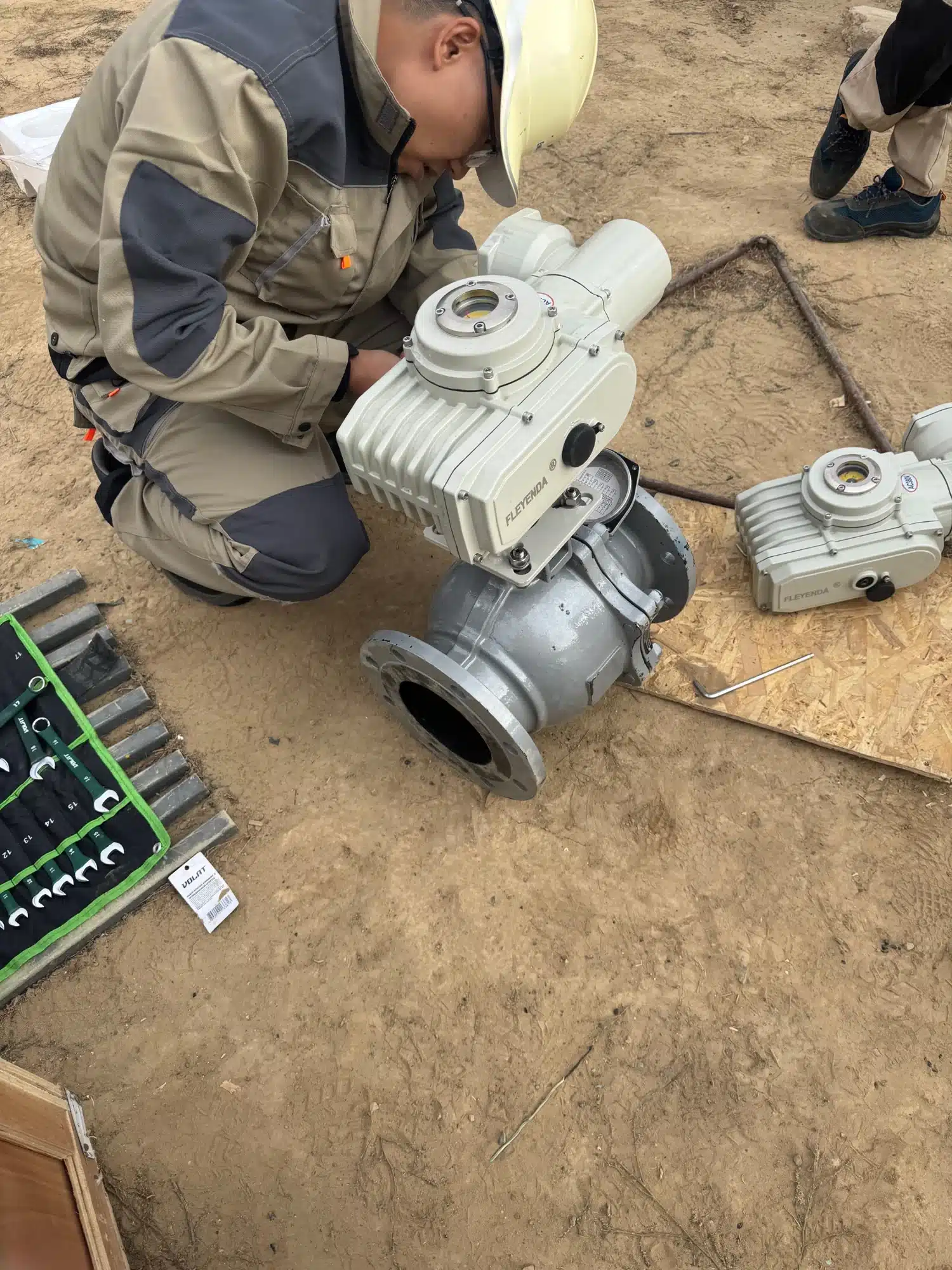
One of the key advantages of the supplied electric ball valve solution was its ability to support both ON/OFF and modulating operation. The customer’s requirements changed between production stages, so the same valve solution needed to accommodate different control functions.
Fleyenda guided the customer’s technical team through on-site settings to select the required operating mode. This functional flexibility avoided the need to replace hardware simply to accommodate the different operating requirements described in the project.
3. Integration Without Changing Existing Field Wiring or PLC/DCS Programs
This was the most important technical achievement of the project.
Through close cooperation between the two technical teams, Fleyenda successfully connected the supplied electric ball valves to the customer’s existing control systems without modifying any of the customer’s field wiring or PLC/DCS programs.
For the customer, this meant that the transition to a Chinese electric valve supplier could be completed without undertaking a broader control system modification project.
4. On-Site Adjustment, Commissioning and Technical Assistance
Our representatives continued working with the customer’s technicians during installation, connection and adjustment. The team provided practical guidance on selecting the required operating mode and completing the integration process.
This direct technical involvement helped the customer move from initial equipment replacement to successful operation at the production site.
Electric Ball Valve Integration with Existing PLC/DCS Systems
For EPC contractors, equipment manufacturers and industrial end users, one of the most important questions when selecting an electric actuated ball valve is whether it can integrate with the existing automation system.
In this Kazakhstan project, the customer’s control infrastructure had originally been configured around the interfaces and protocols of previously installed European-brand valves. A replacement solution therefore needed to be evaluated from both the valve and control system perspectives.
Existing System Review
Review PLC/DCS architecture, interfaces and field wiring.
Valve Configuration
Match the electric valve solution to the required operating functions.
On-Site Connection
Work with the customer to complete integration without wiring or program changes.
Commissioning
Adjust operating settings and verify successful field operation.
Why This Matters for Industrial Valve Replacement
When an industrial facility changes valve suppliers, the engineering team must consider the entire operating arrangement rather than focusing only on the valve body.
- Existing control system architecture and interface requirements.
- Electric actuator configuration and required operating functions.
- Field wiring and installation arrangements.
- Coordination between the valve supplier and the customer’s automation engineers.
- On-site adjustment and commissioning requirements.
The Kazakhstan project demonstrates that a well-coordinated electric ball valve replacement can be achieved without automatically requiring a complete PLC/DCS modification project. Each new application still requires its own technical compatibility assessment.
Measurable Commercial Advantages and Successful Technical Integration
The successful project delivered more than an alternative valve product. It demonstrated the value of combining electric valve configuration, engineering coordination and responsive on-site service.
Reported reduction in overall procurement cost compared with the previous European-brand sourcing arrangement.
Reported improvement in supplier response cycle compared with previous suppliers.
Field wiring modifications and PLC/DCS program changes required for the successful project integration.
Successful Project Outcomes
- Fleyenda electric ball valves were successfully connected to the customer’s existing PLC/DCS systems.
- Both ON/OFF and modulating operation were supported through on-site configuration.
- The customer received direct technical assistance during installation and commissioning.
- The customer subsequently placed additional orders for electric valves and manual valves.
- Fleyenda was included in the customer’s core supplier system following the successful cooperation.
The cost and response-cycle figures are project-specific comparisons recorded in the case information. Actual results depend on product specifications, procurement scope, project conditions and service arrangements.
Technical Support That Builds Long-Term Customer Confidence
For industrial buyers, a supplier’s value is not determined by product delivery alone. The ability to understand site requirements, communicate with engineers and provide timely technical assistance can be equally important.
After the successful integration, the customer gave positive feedback on the technical maturity of the products and the responsiveness of the service team.
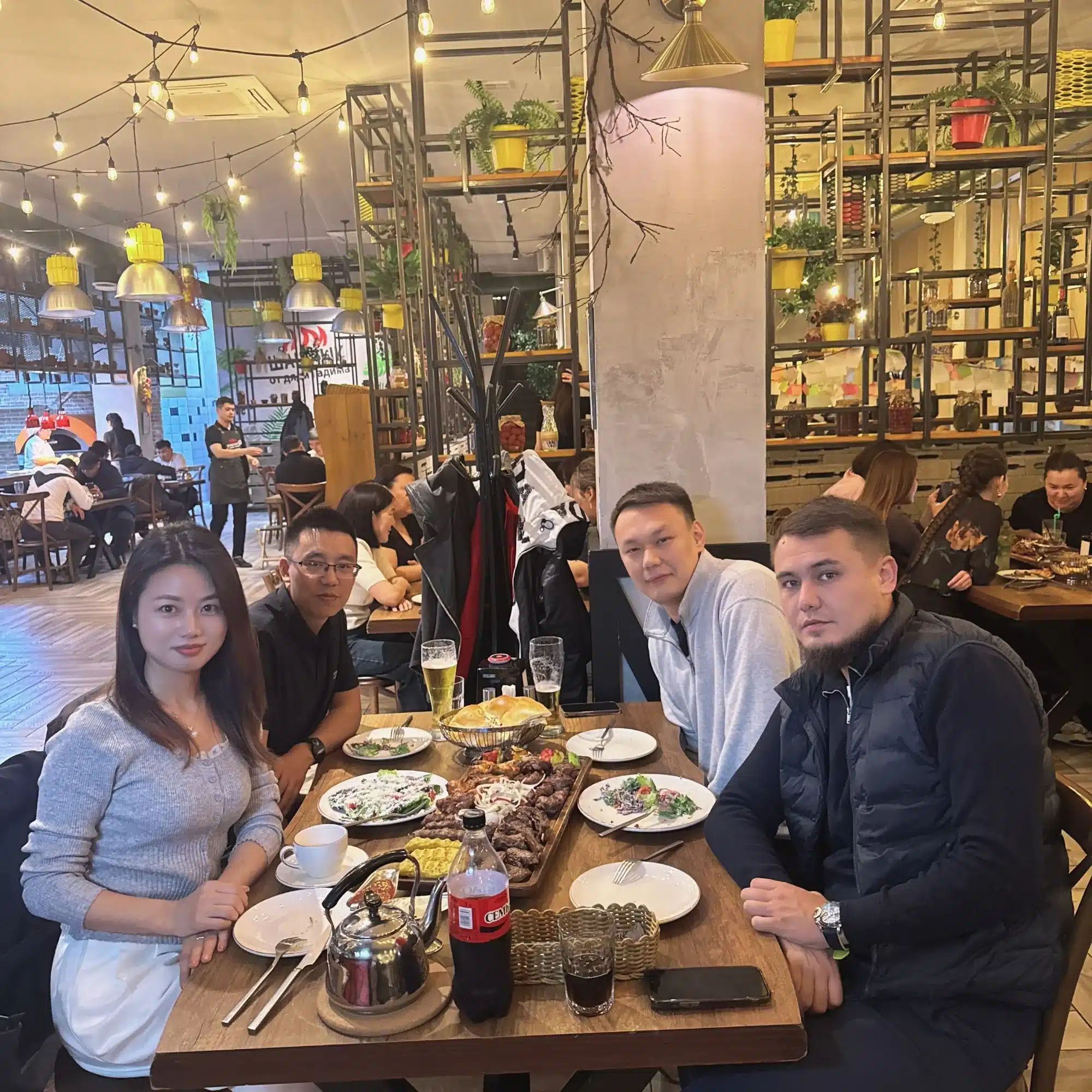
The first successful electric ball valve project created the foundation for broader cooperation. The customer subsequently expanded procurement to include more electric and manual valves, demonstrating confidence in Fleyenda as a long-term industrial valve supplier.
What EPC Contractors and OEM Equipment Manufacturers Can Learn from This Project
This case is particularly relevant to buyers who need more than standard industrial valve products. It demonstrates how supplier engineering support can help address the practical challenges of equipment replacement, control integration and industrial project execution.
Project-Based Valve Procurement
For EPC contractors managing industrial pipeline and automation projects, Fleyenda can support:
- Electric ball valve application selection.
- Valve and actuator configuration coordination.
- Control interface requirement review.
- Project-specific technical communication.
- Installation and commissioning support discussions.
Equipment Integration and Supply
For OEM manufacturers integrating valves into packaged equipment and industrial systems, key considerations include:
- Electric valve and actuator matching.
- Required ON/OFF or modulating functions.
- Control interface coordination.
- Functional configuration flexibility.
- Consistent equipment supply cooperation.
Valve Replacement and Cost Optimization
For operating plants considering alternative valve brands, the project highlights:
- Evaluating Chinese valve manufacturers.
- Maintaining existing control infrastructure where feasible.
- Reducing overall procurement costs.
- Obtaining direct technical assistance.
- Building long-term supplier relationships.
What Should You Prepare for an Electric Ball Valve Replacement Project?
When evaluating an electric ball valve supplier for an oil and gas facility, EPC project or OEM equipment package, a clear technical specification helps reduce selection errors and speeds up engineering communication.
Before requesting a quotation, we recommend preparing the following information:
Valve and Process Information
- Valve type and nominal size (DN/NPS).
- Pressure rating and design standard.
- Body, ball and seat materials.
- Operating medium and temperature.
- Required flow and shut-off conditions.
- Flange or other end connection requirements.
Actuator and Control Information
- Required ON/OFF or modulating operation.
- Power supply and actuator requirements.
- Control signal and position feedback requirements.
- Existing PLC/DCS interface information.
- Installation and mounting requirements.
- Hazardous-area classification, if applicable.
For replacement projects, providing the existing valve nameplate, actuator details, wiring diagrams and available control interface documentation can help the engineering team assess compatibility more accurately. Specific technical parameters must be confirmed before final selection.
Electric Ball Valve Replacement and PLC/DCS Integration FAQ
Can Chinese electric ball valves replace European brands such as AUMA and ROTORK?
Chinese electric valve products can be considered as alternatives when valve specifications, actuator performance, control interfaces and application conditions are properly evaluated. In this Kazakhstan oilfield project, Fleyenda successfully supplied electric ball valves as alternatives to the customer’s existing European-brand equipment.
Can an electric ball valve connect to an existing PLC or DCS system?
Integration depends on the existing control architecture, interface standards, actuator configuration and wiring requirements. In the Kazakhstan project, Fleyenda successfully connected the supplied electric ball valves to the customer’s existing PLC/DCS systems without modifying field wiring or control programs.
Can an electric actuated ball valve support both ON/OFF and modulating control?
The electric ball valve solution supplied for this project supported both operating modes. The customer could select the required function through on-site settings. The actual functions available for another project must be confirmed against its selected valve and actuator configuration.
How can industrial plants reduce the cost of electric valve replacement?
Plants can evaluate alternative industrial valve manufacturers, compare total procurement costs, assess actuator and control system compatibility, and consider the availability of technical support. In this project, the case information recorded an overall procurement cost reduction of 30–40% compared with the previous European-brand sourcing arrangement.
Does Fleyenda provide on-site technical support for oil and gas valve projects?
Fleyenda provided direct on-site assistance in this Kazakhstan project, with business and technical representatives working alongside the customer’s engineers during valve connection and adjustment. On-site service arrangements for other projects can be discussed according to location and project scope.
What information is needed to quote an electric ball valve for an EPC or OEM project?
Useful information includes valve size, pressure rating, body and seat materials, process medium, operating temperature, actuator power supply, control mode, control signal, feedback requirements and the existing PLC/DCS interface. Drawings, nameplate photographs and wiring diagrams are also helpful for replacement projects.
Looking for a Reliable Electric Ball Valve Supplier for Your Project?
Share your valve specifications, existing actuator details or project requirements with our team. We can help evaluate valve selection, actuator configuration and control system integration for your industrial application.