


Valve Solutions for Municipal Water Systems
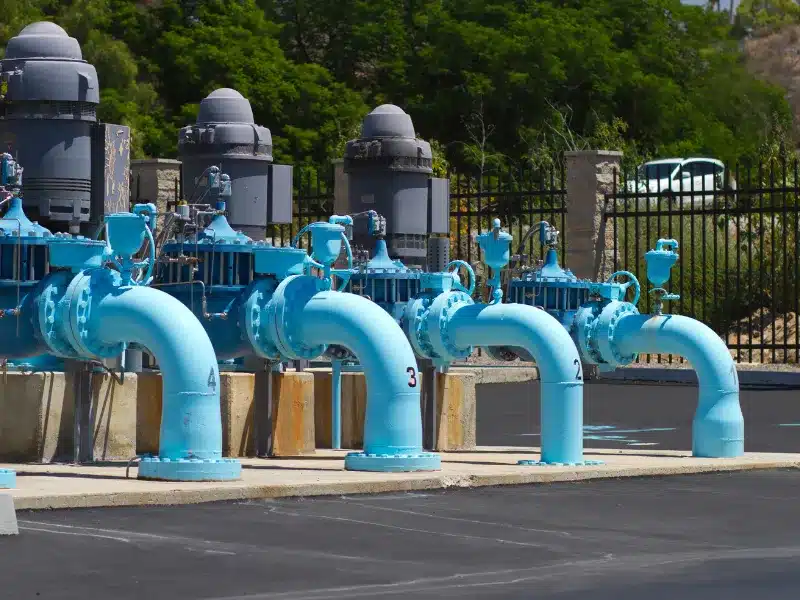
Municipal water systems depend on reliable valves at every stage, from raw water intake and treatment to pumping stations, transmission pipelines, storage facilities and distribution networks. Correct valve selection helps maintain stable flow, reduce pressure loss, isolate equipment safely and improve the reliability of automated water infrastructure.
Fleyenda provides industrial valve solutions for municipal water treatment, water distribution, pumping stations and wastewater applications. Rather than selecting valves only by pipe diameter, municipal water projects should consider the actual operating function, medium, pressure, flow rate, installation environment and control requirements.
Why Valve Selection Matters in Municipal Water Systems
A municipal water network is not simply a pipeline carrying clean water. It is an interconnected system that may include intake structures, pumps, sedimentation tanks, filtration equipment, disinfection systems, storage reservoirs, transmission mains, pressure zones and local distribution pipelines.
Each section places different demands on the valve. A large transmission pipeline may require dependable isolation with minimal pressure loss, while a treatment skid may require frequent automatic operation. Wastewater and sludge applications introduce suspended solids that can affect conventional valve structures.
This is why a municipal water valve should first be selected according to its operating duty. Engineers should identify whether the valve must isolate, regulate, divert, prevent reverse flow, handle solids or operate remotely before deciding the final valve type and actuator configuration.
Where Valves Are Used in Municipal Water Infrastructure
Different sections of a municipal water system require different valve technologies. Understanding the process helps avoid using one valve type for every application.
Raw Water Intake
Raw water may enter a treatment plant from reservoirs, rivers, wells or other sources. Intake pipelines often carry large water volumes, so isolation valves must provide dependable shutoff without creating unnecessary flow restriction. Butterfly valves and gate valves are commonly considered for these duties.
Water Treatment Plant
Treatment plants use valves around sedimentation tanks, filtration equipment, backwash lines, chemical treatment systems and process pipelines. Depending on the operating function, butterfly valves, ball valves and modulating control valves can be integrated into automated plant operation.
Pumping Stations
Pumping stations require valves for isolation, flow control and equipment protection. Valve operating speed is particularly important because rapid closure on long pipelines can contribute to hydraulic surge and water hammer.
Transmission and Distribution
Municipal water distribution valves divide the network into manageable zones. This allows sections of the pipeline to be isolated for maintenance, emergency repair or expansion without shutting down the entire municipal water supply.
Wastewater and Sludge
Wastewater pipelines may contain fibers, sediment, suspended solids and concentrated sludge. These conditions require valve structures that are less vulnerable to blockage, which is why knife gate valves are frequently used for sludge and solids-containing water.
Common Valve Types for Municipal Water Systems
A complete municipal water project normally combines several valve types according to the function of each pipeline.
| Ventiltyp | Main Function | Typical Municipal Water Application | Selection Advantage |
|---|---|---|---|
| Absperrklappe | Isolation and flow control | Large water pipelines, treatment plants and pumping stations | Compact structure and suitability for large diameters |
| Absperrschieber | Full isolation | Transmission mains, distribution networks and plant headers | Low flow restriction when fully open |
| Kugelhahn | Fast shutoff | Process lines, equipment isolation and dosing systems | Tight sealing and quarter-turn operation |
| V-Port Ball Valve | Modulating flow control | Automated treatment processes | More predictable regulation performance |
| Messerabsperrschieber | Sludge isolation | Wastewater, sediment and solids-containing pipelines | Suitable for difficult media containing solids |
| Rückschlagventil | Backflow prevention | Pump discharge and transmission pipelines | Protects pumps and prevents reverse flow |
Butterfly Valves for Municipal Water Treatment
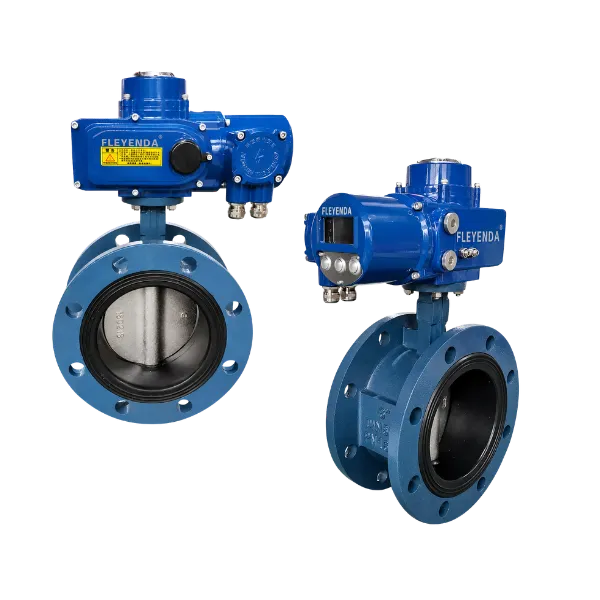
Butterfly valves are widely used in municipal water applications because they combine compact construction with relatively low operating torque. These advantages become increasingly important as pipeline diameter increases.
For clean water and treated water applications, EPDM-seated butterfly valves are commonly used because EPDM is suitable for many water-service conditions. Body and disc materials should still be selected according to actual water chemistry, design pressure and project specifications.
Electric butterfly valves can be particularly useful in treatment plants and remote pumping stations. When connected to PLC, DCS or SCADA systems, operators can open or close the valve remotely and receive position feedback without manually accessing every valve location.
Municipal water engineers should also evaluate valve operating speed. A fast electric actuator may appear attractive, but rapid valve closure in a high-flow pipeline can create pressure transients. Closing time should therefore be selected together with pipeline velocity, pump characteristics and hydraulic conditions.
Gate Valves for Municipal Water Transmission
Gate valves are primarily selected for reliable full-open and full-close isolation. When fully open, the gate is removed from the main flow path and the valve provides relatively low resistance compared with many throttling valve designs.
This makes gate valves suitable for municipal water transmission lines, treatment plant headers, reservoir connections and network isolation points. Their main strength is isolation rather than continuous throttling.
Electric multi-turn actuators can be added where remote operation is necessary. This is especially useful in large treatment facilities or distributed water infrastructure where manually operating each valve would increase maintenance time.
Ball Valves for Municipal Water Process Applications
Ball valves are commonly used on smaller municipal water process lines where tight shutoff and frequent operation are required. Their quarter-turn design provides fast operation and can be combined with compact electric actuators.
Applications may include equipment isolation, utility water, chemical dosing, sampling lines and treatment skids. Full-port ball valves are mainly used for isolation, while V-port ball valves are better suited to modulating control.
A V-port ball valve equipped with a modulating electric actuator can receive control signals such as 4–20 mA or 0–10 V. This allows valve position to respond to flow rate, tank level, pressure or another process variable.
Knife Gate Valves for Sludge and Wastewater
Municipal wastewater presents more difficult operating conditions than clean-water distribution. Sludge, sediment, fibers and suspended solids can collect around complex internal valve components and interfere with closing performance.
Knife gate valves use a relatively open internal passage and are frequently selected for sludge transfer, wastewater treatment, sediment handling and dewatering systems.
Electric knife gate valves can also be incorporated into automated wastewater plants where several process lines must be controlled centrally. Correct actuator thrust should be considered because accumulated solids can increase the force required to operate the gate.
Fleyenda Valves for Municipal Water Projects
These valve types can be configured according to pipeline diameter, pressure, medium, connection standard and automation requirements.
Electric Cast Iron EPDM Butterfly Valve
Suitable for water treatment, pumping stations and automated municipal water distribution pipelines where compact installation and reliable shutoff are required.
Electric Multi-Turn Gate Valve
Designed for isolation of municipal water transmission lines, treatment plant headers and other pipelines requiring dependable full-open or full-close operation.
Electric Flanged Ball Valve
Suitable for automated isolation of process pipelines, equipment connections and municipal water treatment systems requiring reliable quarter-turn shutoff.
Elektrisches Messerschieberventil
Suitable for municipal wastewater, sludge transfer, sediment handling and process pipelines containing suspended solids.
What Should Be Checked Before Selecting a Municipal Water Valve?
Valve Function
Determine whether the valve will be used for isolation, throttling, diversion, backflow prevention or solids handling before selecting the valve structure.
Pipeline Diameter and Flow Rate
Large-diameter water pipelines frequently favor butterfly valves because of their compact dimensions and lower installation weight, while smaller process lines can use ball or control valves.
Operating and Differential Pressure
Maximum operating pressure and differential pressure across the valve affect valve construction, seat performance and actuator sizing.
Water Quality and Medium
Raw water, treated water, chlorinated water, wastewater and sludge can require different body, trim and seat materials.
Actuation Method
Manual valves may be suitable for infrequently operated isolation points, while electric or pneumatic actuators are better suited to remote facilities and automated treatment plants.
Water Hammer Risk
Valve operating speed should be coordinated with pipeline velocity, pump characteristics and system volume to reduce the possibility of damaging pressure surges.
Installation Environment
Outdoor installations, underground chambers and humid pumping stations may require corrosion-resistant materials and appropriate actuator enclosure protection.
Valve Materials for Municipal Water Service
Valve material selection affects corrosion resistance, sealing reliability and service life. Materials should be selected according to the actual water chemistry and operating environment.
| Component | Typical Materials | Selection Considerations |
|---|---|---|
| Ventilkörper | Ductile iron, cast iron, carbon steel, stainless steel | Pressure, corrosion and project requirements |
| Disc or Ball | Stainless steel or coated iron | Water chemistry and corrosion resistance |
| Seat | EPDM, PTFE and other elastomers | Medium compatibility and sealing performance |
| Stiel | Stainless steel | Mechanical strength and corrosion resistance |
| Actuator Enclosure | Weather-resistant or IP-rated construction | Outdoor exposure, humidity and installation environment |
Municipal water treatment may involve chlorine, disinfectants and other treatment chemicals. Material compatibility should therefore be evaluated according to actual water conditions instead of assuming that every water pipeline operates under identical conditions.
Electric Valves for Automated Municipal Water Systems
Municipal water infrastructure increasingly uses centralized automation to improve operating efficiency. Electrically actuated valves allow treatment plants and pumping stations to control pipeline flow remotely instead of relying entirely on manual operation.
Depending on the actuator configuration, a valve can provide open-close control, position feedback or modulating operation. The actuator can be connected to PLC, DCS or SCADA systems so valve operation can work together with flow meters, pressure transmitters, tank-level sensors and pumps.
This capability is particularly useful for remote pumping stations and distributed water infrastructure. Operators can monitor valve status and respond to changing operating conditions without traveling to every site.
Actuator selection should still be treated as an engineering decision. Required torque or thrust, operating frequency, power supply, control signal, operating time and enclosure protection should all be confirmed before specifying the final valve assembly.
Common Municipal Water Valve Problems
Valve Leakage
Seat wear, deposits, incorrect material selection and repeated high differential pressure can reduce sealing reliability over time.
Excessive Operating Torque
Deposits, aging seats and pressure differential can increase required operating torque and may overload an incorrectly sized actuator.
Wasserschlag
Rapid valve closure can generate pressure surges in long municipal water pipelines. Closing time should be coordinated with the hydraulic characteristics of the system.
Corrosion
Water chemistry and external environmental conditions can affect valve bodies, trim, fasteners and actuator enclosures.
Information Needed for Municipal Water Valve Selection
Providing complete project information allows the valve manufacturer to recommend an appropriate configuration based on the actual operating conditions rather than quoting only by nominal valve size.
Häufig gestellte Fragen
What valves are commonly used in municipal water systems?
Municipal water systems normally use a combination of butterfly valves, gate valves, ball valves, check valves and control valves. Wastewater and sludge systems may also use knife gate valves.
Are butterfly valves suitable for municipal water pipelines?
Yes. Butterfly valves are particularly suitable for medium and large water pipelines because of their compact structure, relatively low operating torque and availability in large sizes.
When should electric valves be used in municipal water systems?
Electric valves are useful when remote operation, position feedback, centralized control or automatic flow adjustment is required in treatment plants, pumping stations and distribution networks.
Which valve is suitable for municipal wastewater sludge?
Knife gate valves are commonly selected for sludge and wastewater containing suspended solids because their relatively open flow path is better suited to difficult media.
How can water hammer be reduced during valve operation?
Valve operating time should be coordinated with pipeline velocity, system volume and pump characteristics. Controlled opening and closing is often preferable to extremely fast actuator operation.
Planning a Municipal Water Valve Project?
Send us your pipeline size, pressure, medium, required valve function and actuation requirements. Fleyenda can recommend suitable valve configurations for municipal water treatment, distribution networks, pumping stations and wastewater systems.