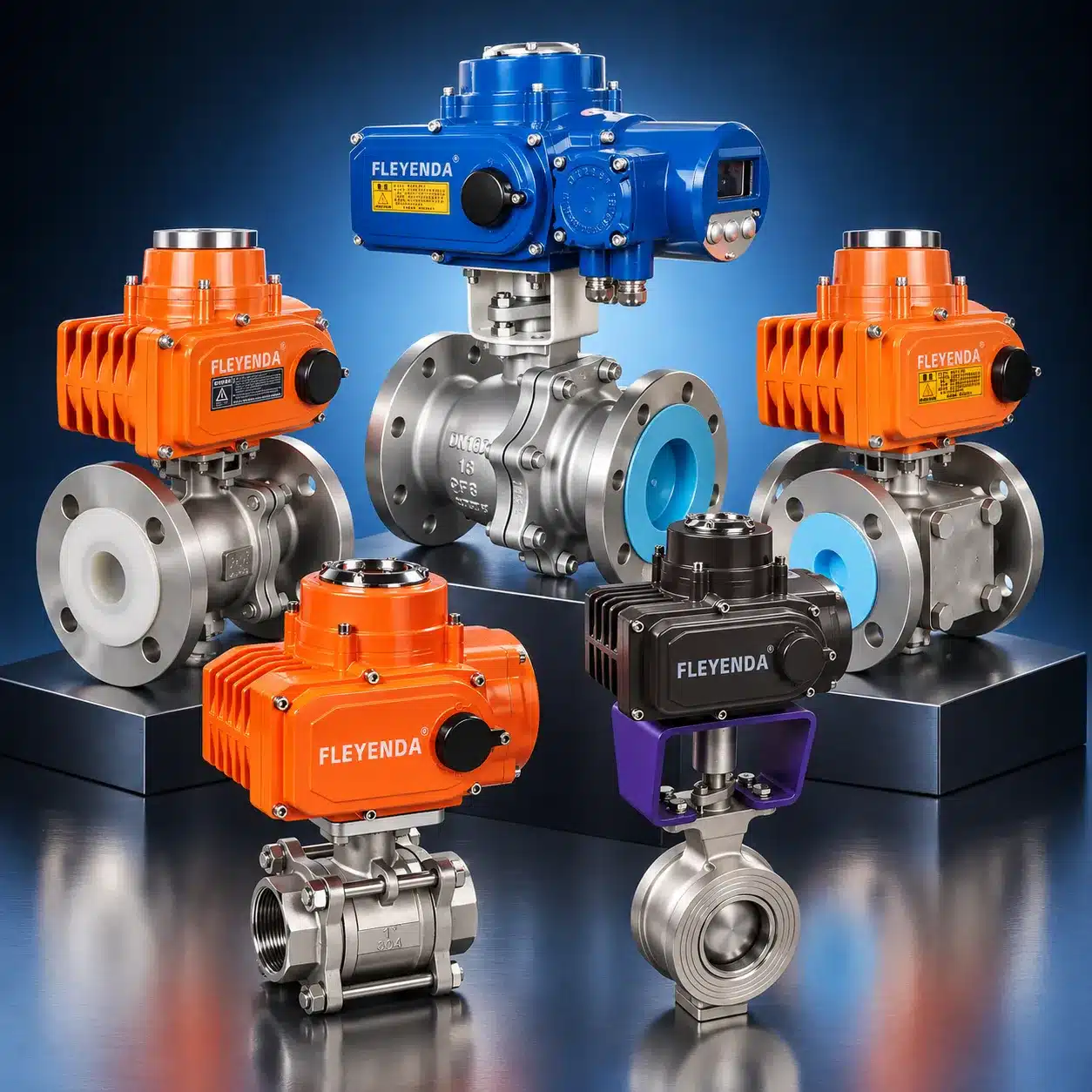
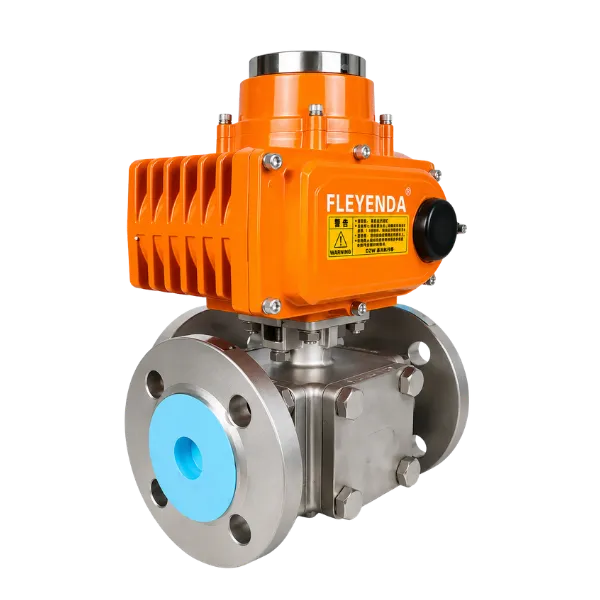
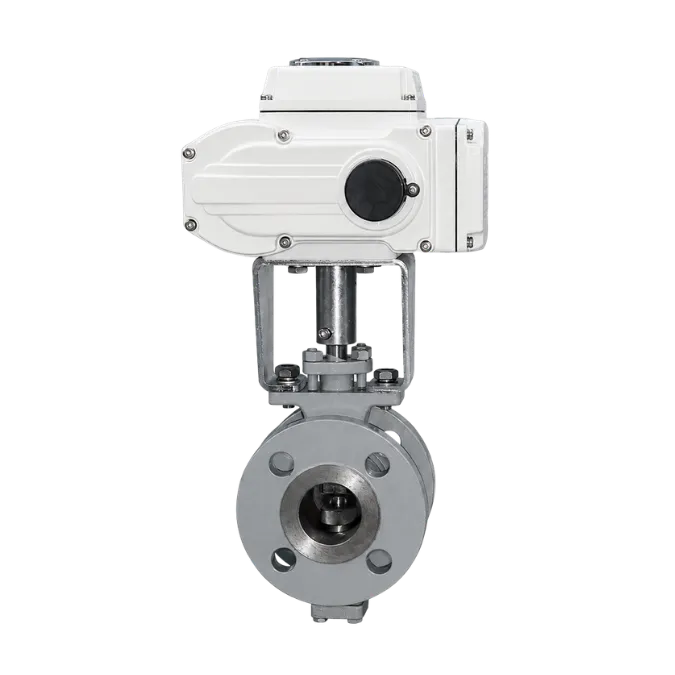
A motor-operated valve has to do more than open and close. In a real plant, the actuator must produce enough torque across the full pressure range, the valve seats must suit the media and temperature, and the controls must communicate reliably with the site automation system. That is why actuator selection and valve selection should be treated as one engineering decision.
Ball valves are a strong choice for many automated isolation duties because of their compact quarter-turn movement, low pressure drop and tight shutoff capability. Depending on the service, a project may call for a floating or trunnion-mounted design, a 2-way or 3-way flow path, soft or metal seats, full or reduced bore, or a V-port configuration for modulating control.
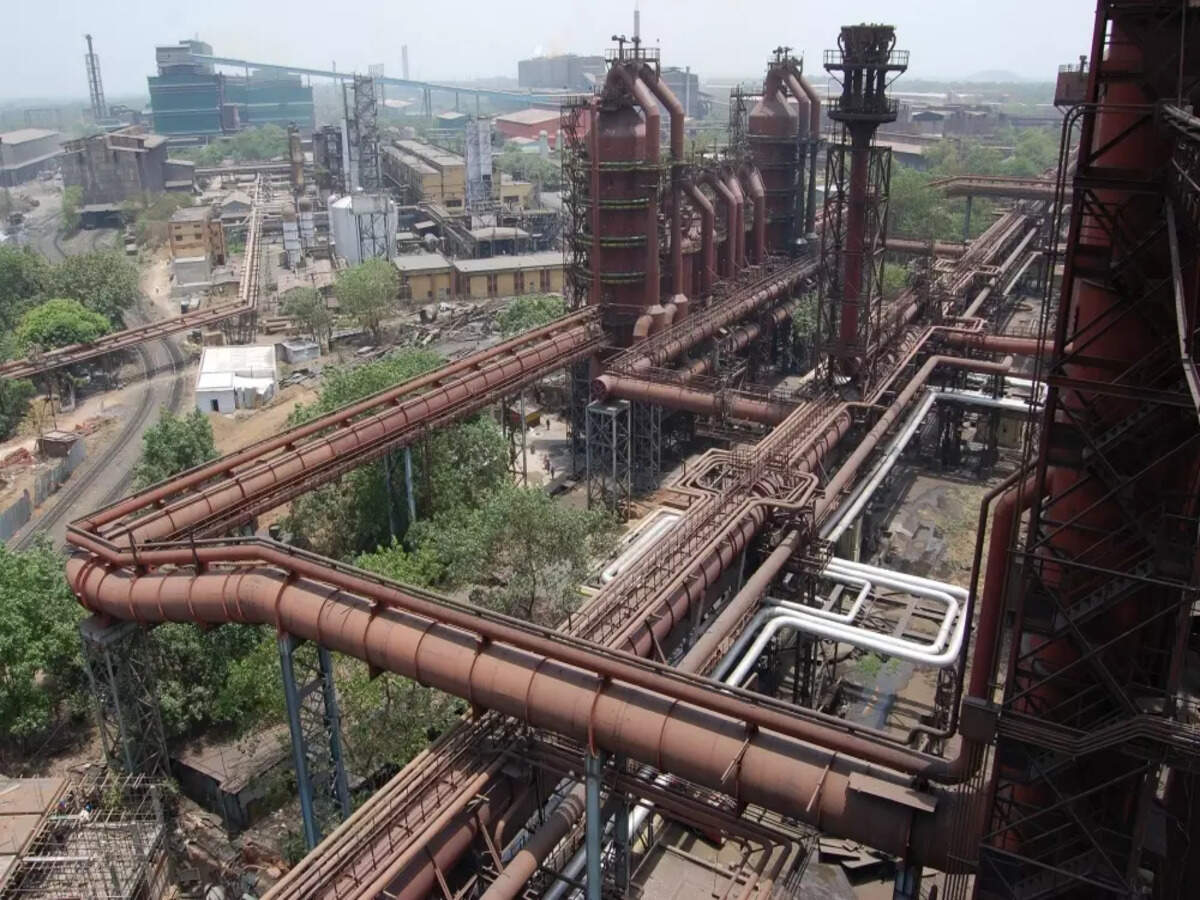
Our role is to help translate process data into a practical valve package for oil and gas facilities, metallurgical plants, water and wastewater systems, food processing lines, semiconductor utilities and other industrial installations.
Process firstMedia, pressure, temperature, differential pressure, line size and required valve function.
Valve architectureBody material, ball design, seat system, pressure class, connection and leakage requirement.
Automation packageActuator torque, voltage, feedback, control mode, manual override and environmental protection.