


Types Of Industrial Valves and Application
An industrial valve controls, isolates or directs the flow of liquids, gases, steam and slurries within a piping system. Industrial valves are essential components in oil and gas facilities, chemical plants, water treatment systems, power stations, food processing lines, marine systems and general manufacturing operations.
Selecting the correct industrial valve requires more than matching the valve to the pipe diameter. Engineers must consider the valve function, process medium, operating pressure, temperature, flow capacity, leakage requirement, material compatibility, actuation method and maintenance conditions.
This guide explains the main types of industrial valves and their applications, including gate valves, globe valves, ball valves, butterfly valves, check valves, plug valves, diaphragm valves, needle valves, control valves and pressure relief valves.
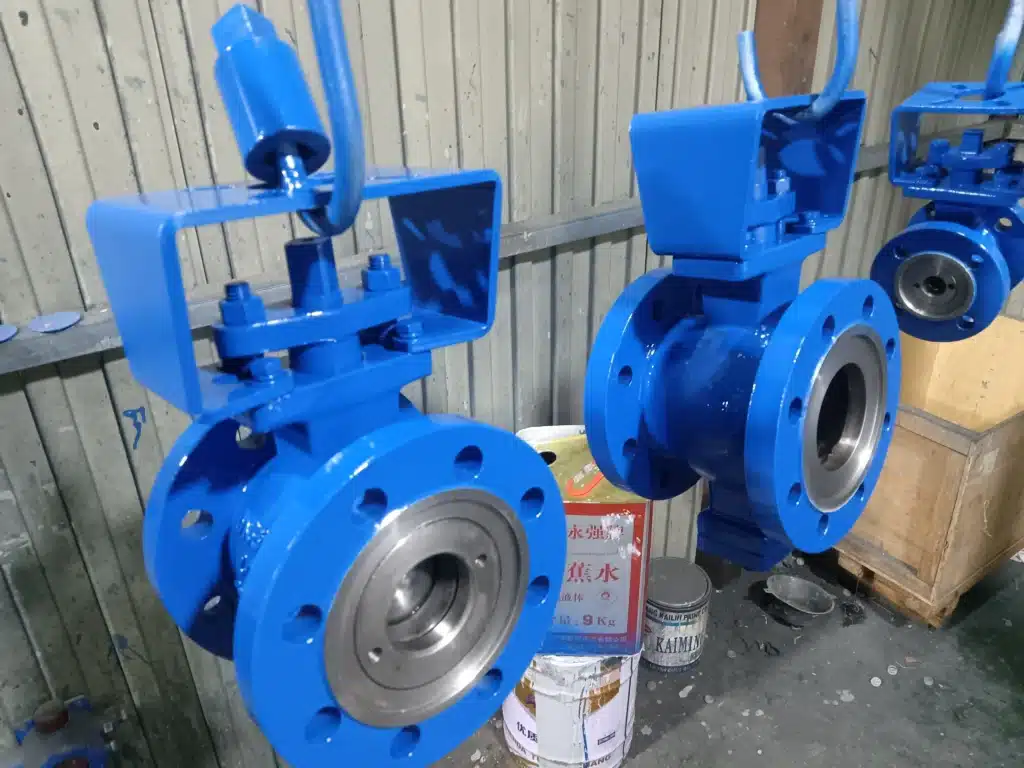
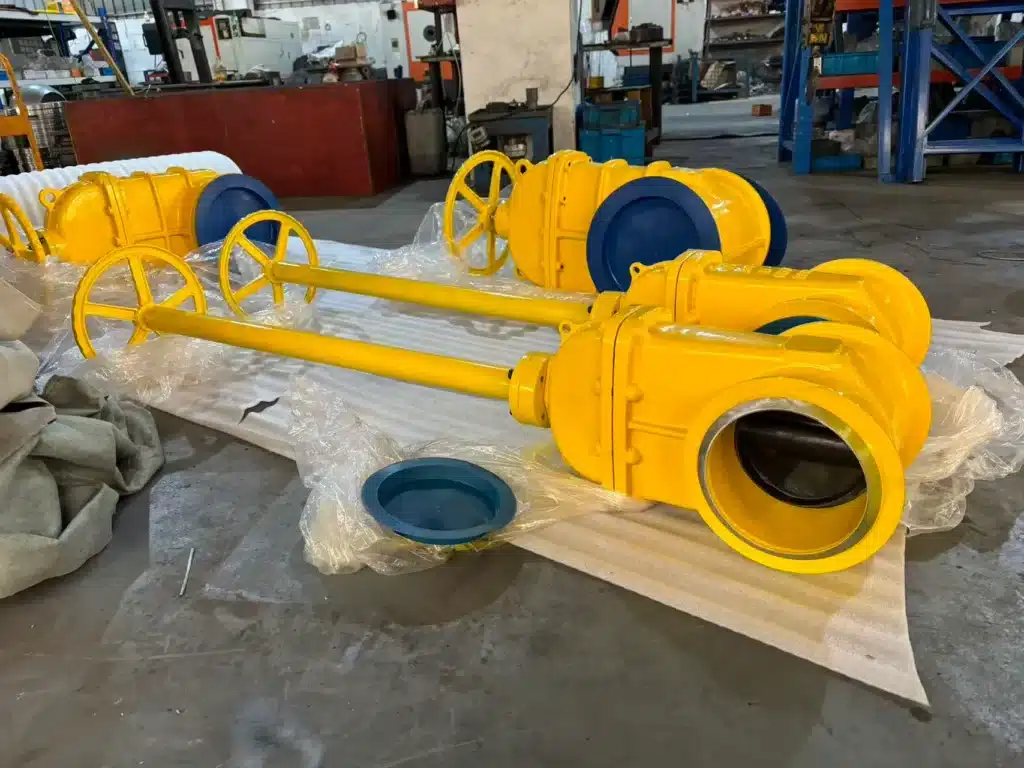
Industrial Valve Types at a Glance
- Gate valve: Used mainly for fully open or fully closed pipeline isolation.
- Globe valve: Used for throttling, flow adjustment and shutoff.
- Ball valve: Provides fast quarter-turn operation and reliable isolation.
- Butterfly valve: Offers compact and economical control for large pipelines.
- Check valve: Prevents reverse flow without external operation.
- Plug valve: Uses a rotating plug for isolation or flow diversion.
- Diaphragm valve: Separates the process fluid from the operating components.
- Needle valve: Provides precise regulation of small flow rates.
- Control valve: Automatically adjusts process flow, pressure, temperature or level.
- Safety valve: Protects equipment against excessive pressure.
What Is an Industrial Valve?
An industrial valve is a mechanical device installed in a pipeline or process system to control fluid movement. Depending on its design, an industrial valve may start or stop flow, regulate flow rate, prevent reverse flow, reduce pressure, divert fluid or protect equipment from overpressure.
Industrial valves are available in many body materials, pressure ratings, end connections and operating configurations. Common materials include cast iron, ductile iron, carbon steel, stainless steel, alloy steel, bronze, brass, duplex stainless steel and corrosion-resistant alloys.
Industrial valves can be operated manually by a lever, handwheel or gearbox. They can also be automated with pneumatic, electric or hydraulic actuators.
Main Functions of Industrial Valves
Industrial valve types are generally selected according to the function required in the process system.
Starting and Stopping Flow
Isolation valves allow operators to open or close a pipeline. Ball valves, gate valves, plug valves and butterfly valves are commonly used for this purpose.
Controlling Flow Rate
Globe valves, needle valves and control valves change the available flow area to regulate the amount of fluid passing through the system.
Preventing Reverse Flow
Check valves close automatically when the direction of flow reverses, protecting pumps, compressors and process equipment.
Relieving Excess Pressure
Safety valves and pressure relief valves open automatically when system pressure exceeds a specified limit.
1. Gate Valve
A gate valve controls flow by raising or lowering a gate-shaped closure element. When fully open, the gate moves completely out of the flow path, creating a relatively straight passage with low flow resistance.
Gate valves are mainly designed for isolation service. They should normally be operated either fully open or fully closed. Using a gate valve for continuous throttling can cause vibration, erosion and damage to the gate and sealing surfaces.
Common Gate Valve Applications
- Oil and gas pipelines
- Water supply systems
- Power generation plants
- Petrochemical processing
- Steam and utility lines
- Fire protection systems
Main Advantages
- Low pressure loss when fully open
- Suitable for bidirectional flow in many designs
- Available for high-pressure and high-temperature service
- Good pipeline isolation capability
Main Limitation
A gate valve operates relatively slowly and is not normally recommended for regulating flow at partially open positions.
2. Globe Valve
A globe valve uses a linearly moving disc or plug that closes against a stationary seat. The distance between the disc and seat determines the available flow area.
Globe valves provide better throttling performance than gate valves. Their internal flow path creates a greater pressure drop, but it also allows more stable control of steam, water, gas and process liquids.
Common Globe Valve Applications
- Steam flow regulation
- Cooling water systems
- Boiler feedwater lines
- Fuel oil systems
- Condensate service
- Process control and bypass lines
Main Advantages
- Good flow regulation
- Suitable for frequent operation
- Reliable shutoff when properly maintained
- Available with manual or automatic actuators
Main Limitation
A globe valve usually creates more pressure loss than a gate valve or full-port ball valve.
3. Ball Valve
A ball valve uses a rotating ball with a central bore. When the bore aligns with the pipeline, the valve is open. Rotating the ball by 90 degrees places the solid side of the ball across the flow path and closes the valve.
Ball valves are widely used because they provide fast operation, reliable isolation and relatively low flow resistance. Full-port ball valves provide an internal opening close to the connected pipe diameter.
Common Ball Valve Applications
- Oil and natural gas systems
- Chemical process lines
- Water treatment plants
- Compressed air systems
- Fuel transfer systems
- Emergency shutdown systems
Main Advantages
- Fast quarter-turn operation
- Low pressure loss in full-port designs
- Good shutoff capability
- Suitable for automation
- Compact operating mechanism
Main Limitation
Standard ball valves are mainly intended for isolation. Continuous throttling may damage the seats unless the valve is specifically designed for control service.
4. Butterfly Valve
A butterfly valve uses a circular disc mounted on a rotating shaft. Turning the shaft by 90 degrees moves the disc between the open and closed positions.
Butterfly valves are lightweight, compact and economical, especially in large pipe sizes. Depending on the seat and disc design, they can be used for isolation or moderate flow control.
Common Butterfly Valve Applications
- Water treatment and distribution
- Cooling water systems
- HVAC systems
- Marine piping
- Fire protection systems
- Large-diameter process pipelines
Main Advantages
- Compact face-to-face dimensions
- Low weight
- Fast quarter-turn operation
- Economical in large pipe sizes
- Easy actuator installation
Main Limitation
The disc remains inside the flow path even when the valve is fully open, which can create some flow resistance.
5. Check Valve
A check valve, also known as a non-return valve, allows fluid to flow in one direction and automatically prevents reverse flow.
Check valves do not normally require a handwheel or external actuator. They open when upstream pressure exceeds downstream pressure and close when the flow stops or reverses.
Common Check Valve Types
- Swing check valve
- Lift check valve
- Dual-plate check valve
- Wafer check valve
- Ball check valve
- Tilting-disc check valve
- Axial-flow check valve
Common Check Valve Applications
- Pump discharge lines
- Compressor systems
- Water and wastewater systems
- Boiler feedwater lines
- Oil and gas pipelines
- Chemical processing systems
Main Limitation
Incorrect sizing or selection can cause valve slamming, noise, vibration, water hammer and premature wear.
6. Plug Valve
A plug valve uses a cylindrical or tapered plug containing a flow passage. Rotating the plug aligns or blocks the passage inside the valve body.
Plug valves provide quarter-turn operation and can handle fluids containing suspended solids. Multi-port plug valves can also divert or combine process flow.
Common Plug Valve Applications
- Oil and fuel systems
- Gas distribution
- Chemical processing
- Slurry service
- Wastewater systems
- Flow diversion systems
Main Advantages
- Simple quarter-turn operation
- Compact internal construction
- Suitable for flow diversion
- Can handle certain dirty or viscous fluids
7. Diaphragm Valve
A diaphragm valve controls flow through a flexible diaphragm that moves toward or away from a weir or seat inside the valve body.
The diaphragm separates the process fluid from the stem, bonnet and operating components. This makes diaphragm valves suitable for corrosive, sanitary or contamination-sensitive applications.
Common Diaphragm Valve Applications
- Chemical processing
- Pharmaceutical manufacturing
- Food and beverage production
- Water treatment
- Slurry and suspended-solid service
- High-purity systems
Main Advantages
- Process fluid is isolated from the stem and bonnet
- Good resistance to contamination
- Suitable for corrosive media with compatible lining materials
- Can handle some slurries and suspended solids
Main Limitation
Diaphragm temperature and pressure limits are controlled by the diaphragm material and valve design.
8. Needle Valve
A needle valve uses a long, tapered needle that moves into a small seat opening. The gradual change in flow area allows precise adjustment of low flow rates.
Needle valves are generally used in small-diameter piping, instrumentation systems, sampling lines and pressure gauge connections.
Common Needle Valve Applications
- Instrumentation systems
- Pressure gauge isolation
- Sampling lines
- Hydraulic systems
- Gas analysis equipment
- Low-flow chemical injection
Main Limitation
Needle valves are not normally suitable for large flow rates or large-diameter process pipelines.
9. Industrial Control Valve
An industrial control valve automatically adjusts flow according to a signal from a process controller. The controller may regulate pressure, temperature, flow rate, liquid level or another process variable.
Control valves commonly use globe, ball, butterfly or rotary plug body designs. A complete control valve assembly may include an actuator, positioner, air filter regulator, solenoid valve and position feedback device.
Common Control Valve Applications
- Steam pressure regulation
- Cooling water control
- Reactor temperature control
- Tank level control
- Gas pressure reduction
- Fuel flow regulation
Important Control Valve Selection Factors
- Required flow coefficient
- Inlet and outlet pressure
- Process temperature
- Fluid density and viscosity
- Cavitation or flashing risk
- Required flow characteristic
- Actuator fail position
- Allowable noise level
Control Valve Sizing Tip
An industrial control valve should not be selected only according to pipe size. Correct sizing requires actual flow, pressure and fluid-property data. An oversized control valve may operate too close to the closed position, while an undersized valve may not provide sufficient flow capacity.
10. Pressure Relief Valve and Safety Valve
A pressure relief valve protects pressurized equipment by opening automatically when system pressure reaches a predetermined limit.
Safety valves are often associated with compressible fluids such as steam or gas, while relief valves are commonly used for liquid service. However, terminology and design requirements depend on the applicable code and industry.
Common Safety Valve Applications
- Boilers and steam systems
- Pressure vessels
- Compressors
- Pumps and hydraulic systems
- Storage tanks
- Chemical processing equipment
Safety Requirement
Pressure relief devices must be sized, set, tested and maintained according to the applicable design code and process conditions. A shutoff valve should not isolate a relief device from protected equipment unless the system is specifically engineered to maintain continuous overpressure protection.
Comparison of Industrial Valve Types
| Valve Type | Primary Function | Pressure Drop | Throttling Ability | Typical Application |
|---|---|---|---|---|
| Gate valve | Isolation | Low when fully open | Poor | Main pipeline shutoff |
| Globe valve | Regulation and isolation | High | Good | Steam and process flow control |
| Ball valve | Fast isolation | Low in full-port designs | Limited unless designed for control | Oil, gas and chemical systems |
| Butterfly valve | Isolation and moderate control | Moderate | Moderate | Large water and utility lines |
| Check valve | Reverse-flow prevention | Depends on design | Not applicable | Pump and compressor discharge |
| Plug valve | Isolation and diversion | Low to moderate | Limited | Fuel, gas and slurry systems |
| Diaphragm valve | Isolation and regulation | Moderate | Good in suitable service | Corrosive and sanitary fluids |
| Needle valve | Fine flow regulation | High | Excellent for small flow | Instrumentation systems |
| Control valve | Automatic process control | Designed for regulation | Excellent | Pressure, flow and temperature control |
| Relief valve | Overpressure protection | Not applicable in normal operation | Not applicable | Boilers and pressure vessels |
Industrial Valve Applications by Industry
Oil and Gas Industry
Oil and gas systems use ball valves, gate valves, check valves, plug valves and control valves for wellheads, pipelines, storage facilities, refineries and gas processing plants.
Valves in this industry may require fire-safe construction, anti-static features, low-temperature materials, sour-service compliance and fugitive-emission control.
Chemical and Petrochemical Industry
Chemical plants require industrial valves with materials that resist corrosion, erosion and chemical attack. Ball valves, diaphragm valves, lined butterfly valves and bellows-sealed globe valves are common choices.
Water and Wastewater Treatment
Butterfly valves, gate valves, check valves, ball valves and diaphragm valves are widely used for raw water, treated water, sewage, sludge and chemical dosing.
Power Generation
Power plants use globe valves, gate valves, check valves, control valves and safety valves in steam, feedwater, condensate, cooling water and fuel systems.
Food and Pharmaceutical Processing
Sanitary butterfly valves, diaphragm valves and hygienic ball valves are used where cleanability, product purity and contamination control are important.
Marine and Offshore Systems
Marine applications use butterfly valves, gate valves, globe valves, ball valves and check valves in seawater, ballast, fuel, cooling and fire protection systems.
How to Select an Industrial Valve
The correct industrial valve must satisfy the process function, mechanical requirements and safety conditions of the piping system.
- Define the valve function. Determine whether the valve will isolate, throttle, prevent reverse flow, divert flow or protect against overpressure.
- Identify the process medium. Record the fluid composition, concentration, solids content, corrosiveness, toxicity and cleanliness requirements.
- Confirm pressure and temperature. Include normal, minimum, maximum, design, startup and shutdown conditions.
- Calculate flow capacity. Review required flow rate, allowable pressure loss and control-valve sizing conditions.
- Select compatible materials. Confirm the body, trim, seat, packing, gasket and coating materials.
- Choose the end connection. Match the piping system with flanged, threaded, socket-weld, butt-weld, wafer or lug connections.
- Choose the operating method. Select a lever, handwheel, gearbox, pneumatic actuator, electric actuator or hydraulic actuator.
- Review standards and documentation. Confirm testing, inspection, leakage, fire-safe, emission and material certification requirements.
Industrial Valve Selection Checklist
- Valve type and required function
- Nominal pipe size
- Pressure class or pressure designation
- Minimum and maximum temperature
- Process fluid and concentration
- Normal and maximum flow rate
- Body and trim materials
- Seat and sealing materials
- End connection and flange standard
- Required shutoff leakage rate
- Manual or automatic operation
- Fail-open, fail-closed or fail-in-place position
- Fire-safe or fugitive-emission requirements
- Inspection and certification requirements
Common Industrial Valve Selection Mistakes
- Selecting the valve only according to pipe size
- Ignoring the maximum operating temperature
- Using an isolation valve for continuous throttling
- Choosing incompatible seat or packing materials
- Ignoring pressure drop and flow velocity
- Installing a directional valve incorrectly
- Undersizing the actuator
- Failing to consider solids, crystals or abrasive particles
- Ignoring maintenance access and removal space
- Assuming all valves with the same pressure class have identical capabilities
Industrial Valve Maintenance
Regular industrial valve maintenance improves reliability, reduces leakage and prevents unexpected shutdowns. Maintenance frequency should reflect the process medium, operating cycles, pressure, temperature and service criticality.
Routine Inspection Points
- External leakage at the stem, bonnet and body joints
- Flange, threaded or welded connection condition
- Changes in operating torque
- Incomplete opening or closing
- Seat leakage
- Corrosion, erosion and coating damage
- Actuator air, electrical or hydraulic condition
- Unusual noise, vibration or temperature
Before maintenance, isolate the industrial valve, relieve pressure, drain the fluid and verify that the system is in a safe condition. Never loosen pressure-containing components while the valve is pressurized.
Frequently Asked Questions About Industrial Valves
What is an industrial valve?
An industrial valve is a mechanical device used to start, stop, regulate, redirect or prevent the reverse flow of liquids, gases, steam and slurries in a piping system.
What are the most common types of industrial valves?
Common industrial valve types include gate valves, globe valves, ball valves, butterfly valves, check valves, plug valves, diaphragm valves, needle valves, control valves and pressure relief valves.
Which industrial valve is best for isolation?
Ball valves, gate valves, butterfly valves and plug valves are commonly used for isolation. The best option depends on pressure, temperature, pipe size, fluid and allowable pressure drop.
Which valve is best for flow control?
Globe valves and industrial control valves are commonly selected for flow regulation. Needle valves are suitable for precise control of small flow rates.
Which industrial valve has the lowest pressure drop?
Full-port ball valves and fully open gate valves generally provide low flow resistance. Actual pressure loss depends on valve size, internal geometry and flow velocity.
What is the purpose of a check valve?
A check valve automatically prevents reverse flow and helps protect pumps, compressors and process equipment.
What materials are used for industrial valves?
Common materials include cast iron, ductile iron, carbon steel, stainless steel, alloy steel, bronze, duplex stainless steel and special corrosion-resistant alloys.
How do I choose an industrial valve?
Confirm the valve function, fluid, pressure, temperature, flow rate, material compatibility, end connection, leakage requirement, actuation method and applicable standards before selection.
Can one industrial valve be used for every application?
No. Different valve designs provide different flow, shutoff, pressure, temperature and material capabilities. The valve must be selected according to the actual process conditions.
How often should industrial valves be maintained?
Maintenance frequency depends on operating conditions, valve cycles, process severity and service criticality. Critical valves should be included in a documented inspection and testing program.
Conclusion
Industrial valves perform several essential functions, including isolation, throttling, reverse-flow prevention, flow diversion and overpressure protection. Each industrial valve type has a different internal design and operating characteristic.
Gate valves and ball valves are commonly used for isolation, globe valves and control valves regulate flow, check valves prevent reverse flow, and safety valves protect equipment from excessive pressure.
Correct industrial valve selection depends on the process fluid, operating pressure, temperature, flow requirement, material compatibility, actuation method and applicable engineering standards. Evaluating these conditions before purchase can improve safety, reduce maintenance costs and extend valve service life.