


V Port Ball Valve Electric Actuator | FLE-VQ-F
The FLE-VQ-F electric actuated V-port ball valve is designed for proportional flow control where a standard round-port ball valve does not provide enough usable control range. A characterized V-notch opening creates a progressive change in flow area as the segmented ball rotates, supporting stable modulation of water, steam, gas, slurry, pulp and compatible process liquids.
- Size
- DN25–DN300
- Pressure
- PN16–PN40
- Temperature
- Up to +250°C*
- Control
- Modulating / Intelligent
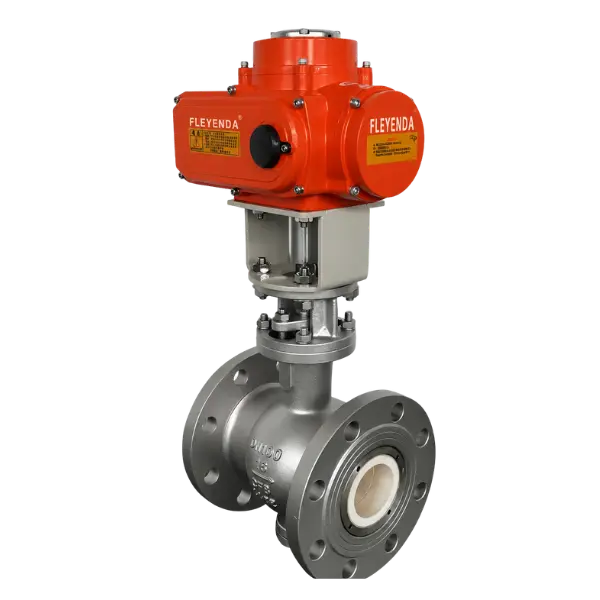
Built around the V-notch geometry first, then matched with the electric actuator required for the control loop.
More usable valve travel for proportional flow control
A conventional round-port ball valve is excellent for isolation, but its flow area changes too quickly for many throttling duties. The V-shaped opening changes the effective flow area more progressively as the ball rotates.
This gives the electric actuator more usable positioning range for dosing, feed-flow regulation, temperature loops and variable process demand. The segmented V-ball also creates a shearing action at the seat, which can help reduce buildup in selected slurry, pulp and particle-bearing services.
- 01Fine-position control. Better use of actuator travel at partial openings.
- 02Process stability. Suitable for PLC / DCS loops that make frequent position corrections.
- 03High flow capacity. V-port options can be matched from fine regulation to higher-Cv duties.
- 04Media flexibility. Water, steam, gas, oil, pulp, slurry and compatible chemical liquids.
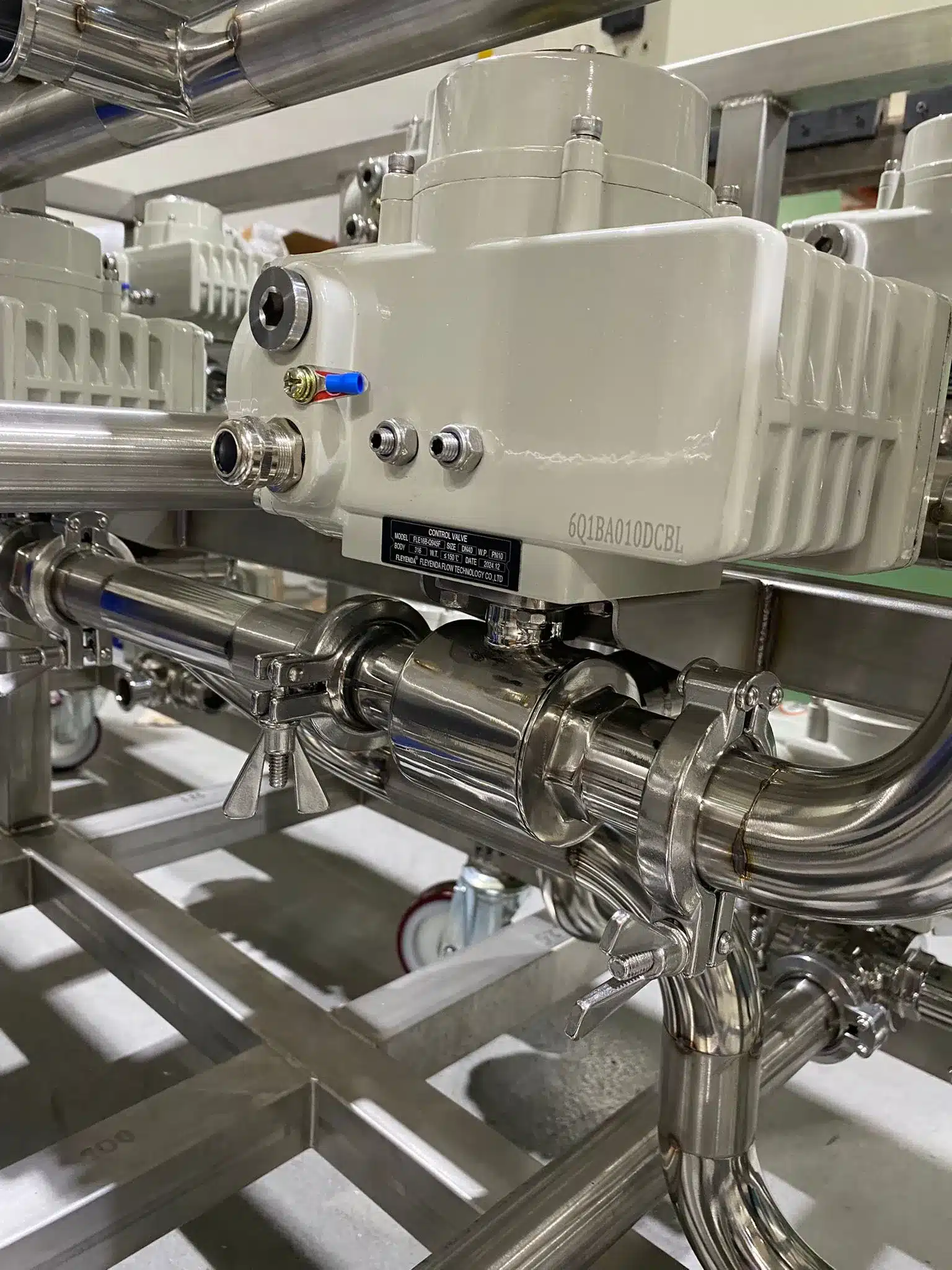
FLE-VQ-F V-port segmented ball valve specifications
The valve body, seat, V-port geometry and actuator should be selected as one control assembly based on the real process conditions.
| Product type | Electric actuated V-port segmented ball valve / motorized V-port control ball valve |
|---|---|
| Size range | 1″–12″ / DN25–DN300 |
| Working pressure | PN16–PN40 / ANSI Class 150–300 |
| Working temperature | −20°C to +250°C, depending on seat material and service conditions |
| Body material | Stainless Steel CF8 / CF8M / Carbon Steel WCB |
| Seat options | PTFE or selected metal-seat configurations |
| V-port options | 15°, 30°, 60°, 90° |
| Connection | Flanged — ANSI / DIN / JIS options |
| Applicable media | Water, steam, gas, oil, slurry, pulp and compatible chemical liquids |
| Actuation | Electric quarter-turn actuator; on/off, regulating and intelligent configurations |
| Voltage options | DC24V, AC24V, AC110V, AC220V, AC380V |
| Control options | On/off, selected 4–20 mA regulating control, feedback and intelligent configurations |
| Design references | IEC 60534 / GB/T 12237 / API 6D |
| Testing | API 598 / EN 12266-1 |
| Fire-safe option | Selected API 607 configurations available |
| Protection | IP67 standard on selected actuators; IP68 optional |
| Explosion-proof option | Selected Ex d II BT4 / CT4 / CT6 Gb actuator configurations |
Choose the V-notch around the required control duty
Different V-port openings shift the balance between fine regulation and flow capacity. Final selection should be based on Cv demand, pressure drop, media and the usable control range required by the loop.
V-port ball valve vs standard round-port ball valve
Both are quarter-turn valves, but they solve different process problems. The V-port version is selected when proportional control is the primary duty.
Match actuator torque, signal and duty cycle to the control loop
For a V-port control valve, actuator selection is not only about opening and closing torque. Positioning accuracy, feedback, operating frequency and control architecture also affect loop performance.
| Actuator | Standard time / torque | Optional time / torque | Weight |
|---|---|---|---|
| FLE-105 | 25s / 50Nm | 4s / 20Nm; 10s / 30Nm | 2.2kg |
| FLE-110 | 25s / 100Nm | 15s / 50Nm | 5.1kg |
| FLE-116 | 25s / 160Nm | 15s / 80Nm | 5.1kg |
| FLE-120 | 25s / 200Nm | 15s / 100Nm | 7.5kg |
| FLE-140 | 25s / 400Nm | 15s / 200Nm | 7.5kg |
| FLE-160 | 25s / 600Nm | 15s / 300Nm | 8.1kg |
| FLE-1100 | 50s / 1000Nm | 25s / 500Nm | 12.7kg |
| FLE-1200 | 50s / 2000Nm | 25s / 1000Nm | 12.7kg |
Where electric V-port ball valves are typically used
The strongest fit is a process that needs repeatable throttling, remote electric actuation and more predictable control than a standard isolation ball valve can provide.
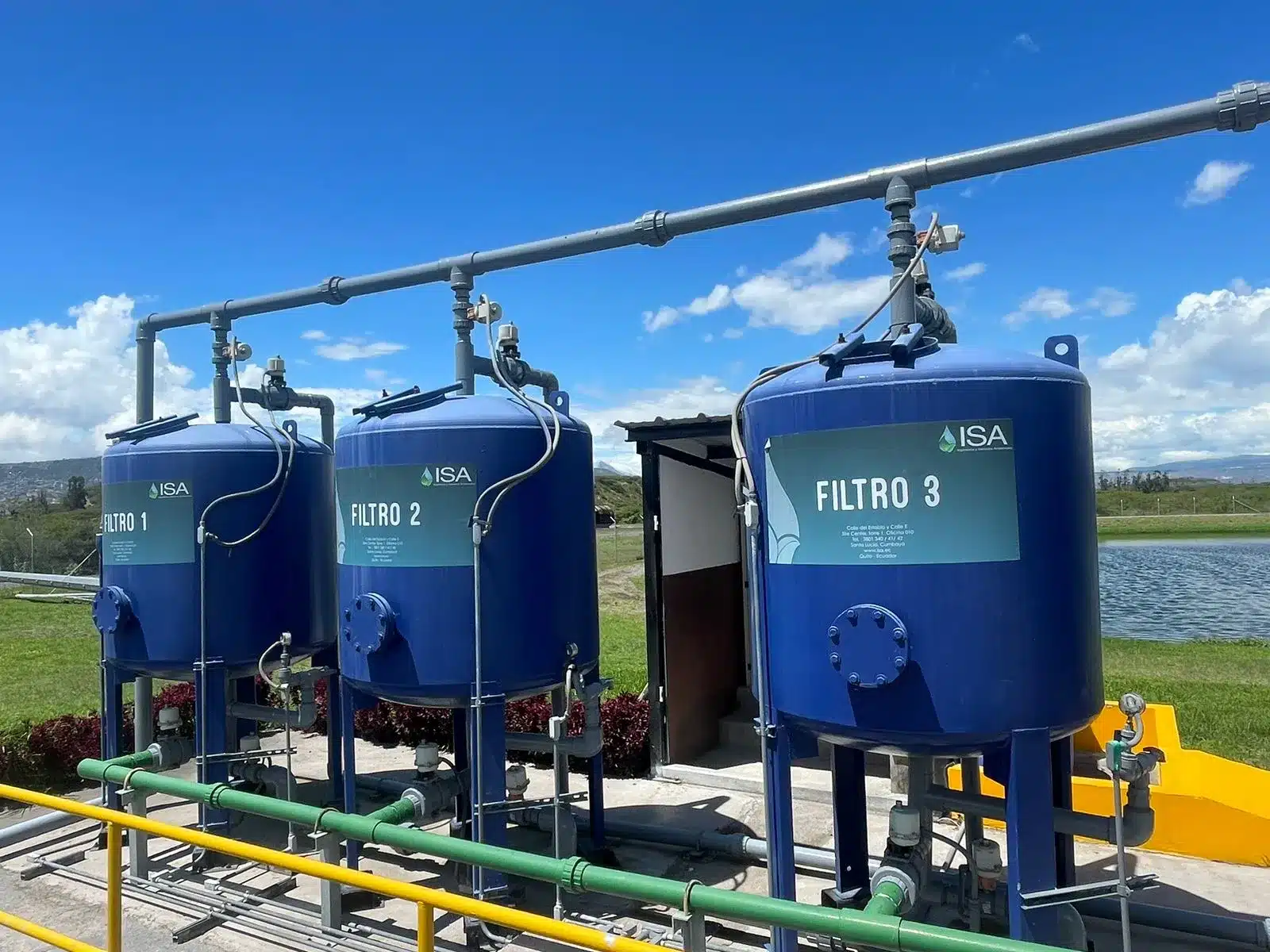
Modulating chemical feed, filter flow, neutralization and process-water control.
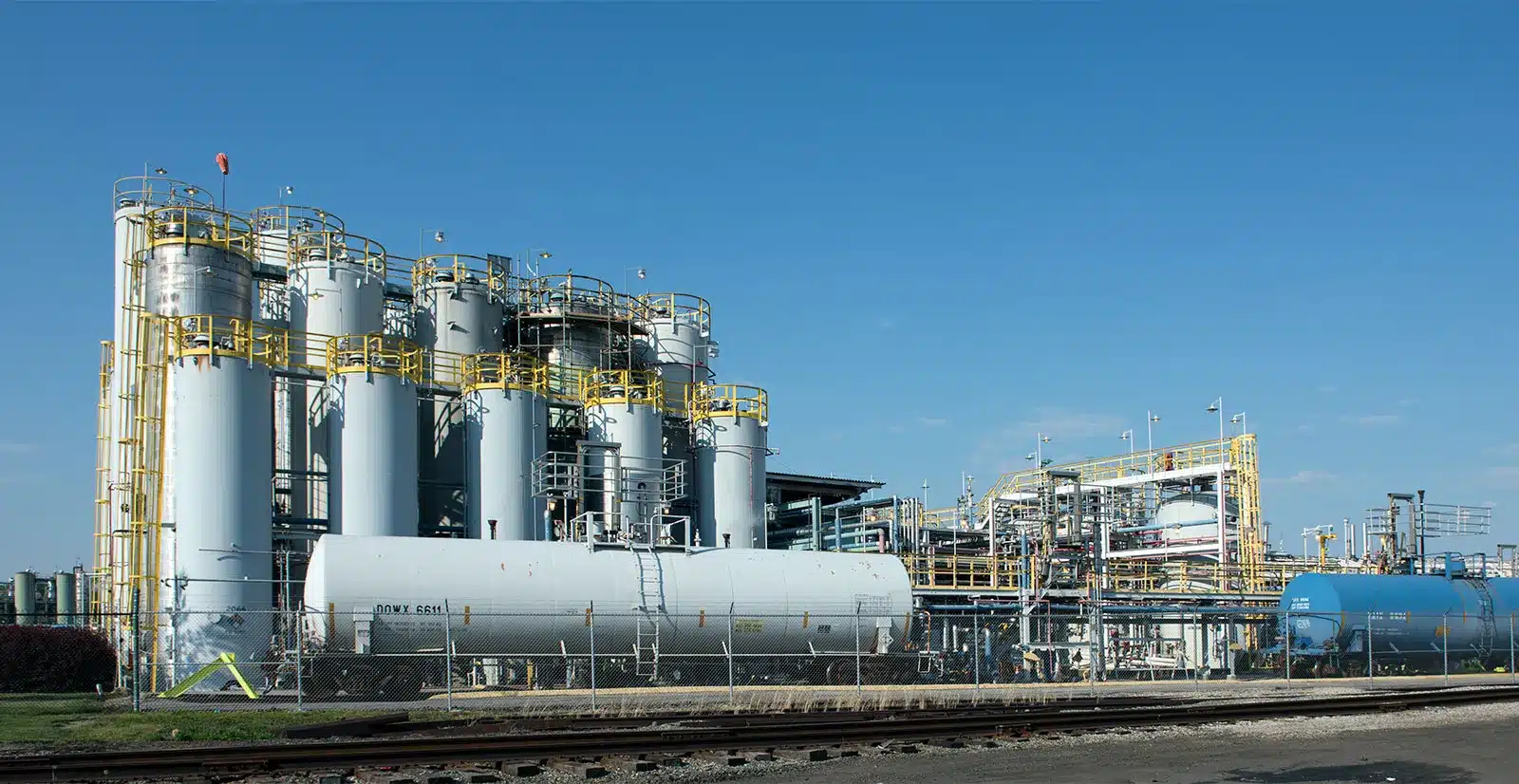
Controlled transfer and feed-flow adjustment for compatible chemical process media.
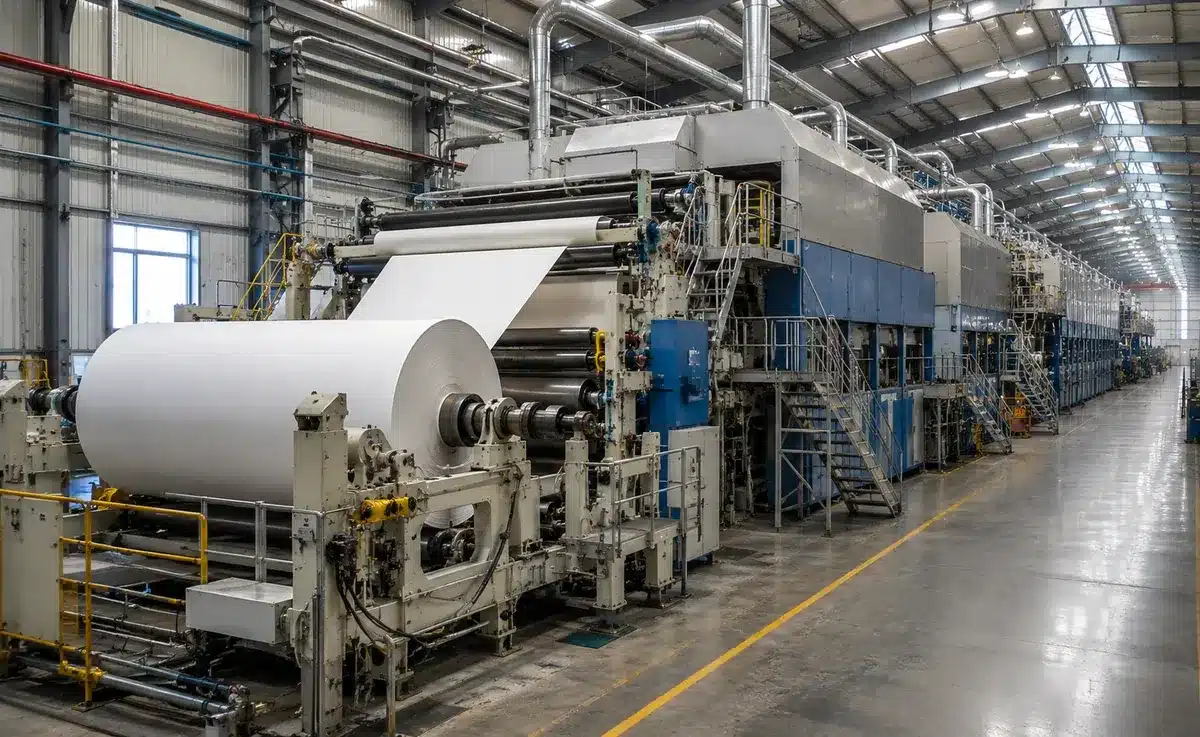
The segmented V-ball can provide a shearing action useful in selected particle-bearing process lines.
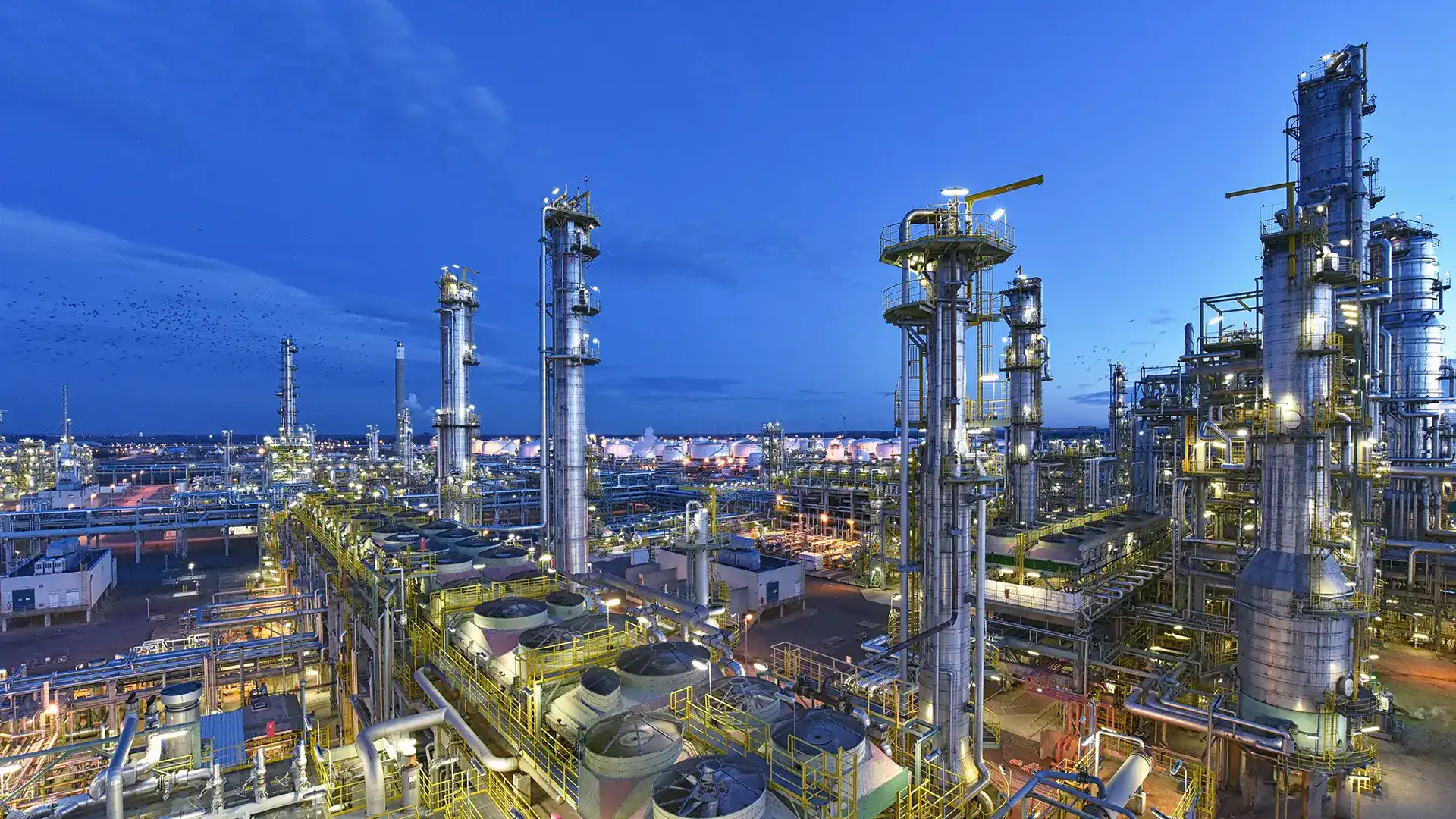
Flow and temperature-loop regulation in compatible steam, heating and plant utility systems.
Size the control duty before choosing the electric actuator
A V-port valve should be selected from process data, not only nominal pipe diameter. Oversizing can leave the normal operating point at a very small opening and reduce usable control travel.
Define the medium
State liquid, gas, steam, slurry or pulp service, plus concentration, solids and compatibility requirements.
Provide the flow range
Minimum, normal and maximum flow are more useful for control-valve sizing than pipe size alone.
Confirm upstream / downstream pressure
Provide actual pressure drop at the main operating points so the required Cv can be evaluated.
Choose body, seat & V-port
Match materials and V-notch geometry to temperature, media, control range and wear conditions.
Match actuator torque & duty cycle
Consider valve torque, differential pressure, modulation frequency and an appropriate engineering safety margin.
Specify signal & feedback
Define 4–20 mA or other required control, feedback, fail position, supply voltage, IP rating and hazardous-area needs.
Industrial actuator options for continuous process environments
FLE-VQ-F assemblies can be configured around the project requirement, including selected protection, safety and electric-actuator options for industrial automation service.
V-port ball valve electric actuator FAQs
Answers focused on modulating control, V-port selection, actuator signals and the difference between V-port and standard ball valves.
What is a V-port ball valve with an electric actuator?
Why use a V-port ball valve instead of a standard electric ball valve?
Which V-port angle should I choose: 15°, 30°, 60° or 90°?
Can the FLE-VQ-F support 4–20 mA modulating control?
Can a segmented V-ball valve handle slurry or pulp?
What information is needed to size an electric V-port control valve?
Need a V-port valve sized around your actual flow conditions?
Send the medium, flow range, pressure drop, temperature, size, voltage and control signal for FLE-VQ-F selection.