


INDUSTRIAL VALVE KNOWLEDGE
One Way Valve: Types, Working Principle & Industrial Selection
A one way valve allows liquid or gas to flow in the intended direction while automatically restricting reverse flow. Also known as a check valve or non-return valve, it is an important component in industrial pipelines, pump discharge systems, water treatment plants and process equipment.
Although the basic operating principle is straightforward, different one way valve designs respond differently to flow velocity, pressure changes, installation orientation and fluid characteristics. Choosing the wrong design can lead to excessive pressure loss, unstable operation, reverse leakage or damaging water hammer.
This guide explains how a one way valve works, compares common valve types, and provides practical selection and installation guidance for industrial applications.
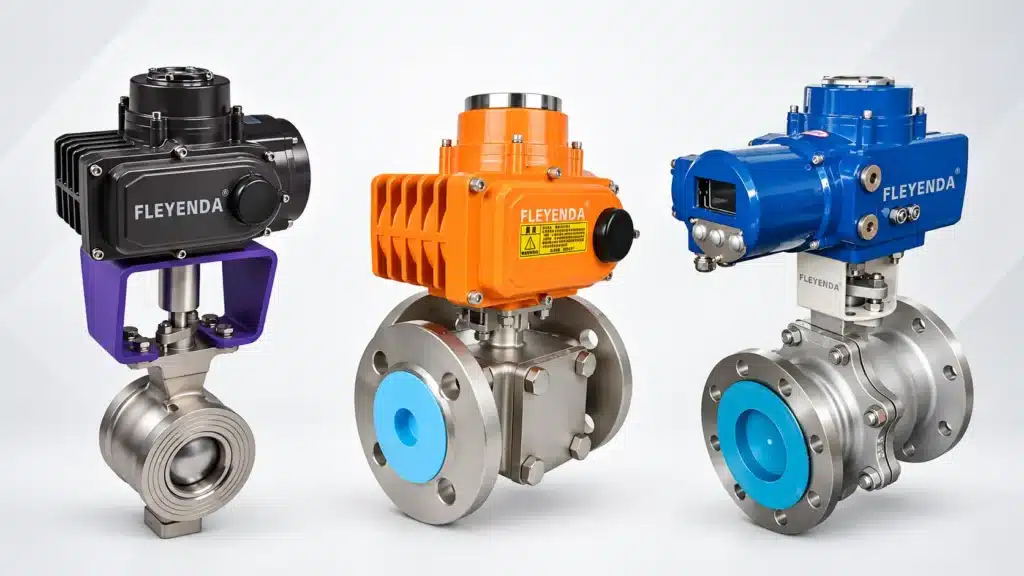
What Is a One Way Valve?
A one way valve is an automatic flow-control device designed to permit flow in one direction and prevent or limit flow in the opposite direction. It normally operates without a handwheel, electric actuator or external control signal. Instead, it responds to the pressure difference and flow conditions inside the pipeline.
The terms one way valve, check valve and non-return valve are commonly used for valves that perform this function. However, one way valve is a broad functional description rather than a single valve construction. A swing check valve, lift check valve, dual-plate check valve and spring-loaded inline check valve all use different internal mechanisms to achieve one-way flow.
In a typical pump installation, a one way valve is installed downstream of the pump to help prevent the liquid column from flowing backward when the pump stops. This can reduce the risk of reverse rotation, loss of system pressure and damage to connected equipment.
A check valve is not, however, a substitute for every form of backflow prevention. Potable-water systems and other regulated applications may require a specifically approved backflow prevention assembly based on local codes and the level of contamination risk.
How Does a One Way Valve Work?
The working principle of a one way valve is based on differential pressure, the force acting on the closure element and the valve’s mechanical design.
1. Forward Flow Opens the Valve
When the upstream pressure becomes sufficient to overcome downstream pressure and the valve’s opening resistance, the disc, ball or other closure element moves away from its seat. The resulting opening allows the medium to pass through the valve.
The minimum differential pressure required to initiate opening is commonly called the cracking pressure. It varies according to the valve design, spring force, moving-part weight, orientation and other internal characteristics.
2. Normal Flow Keeps the Valve Open
As forward flow continues, the fluid forces acting on the closure element generally maintain an open passage. The degree of opening depends on flow rate, pressure differential and the geometry of the valve.
If the flow is too low for the selected design, the closure element may not remain fully open. Repeated movement can cause chatter, noise, vibration and accelerated wear of the seat or internal components.
3. Reduced Flow or Reverse Pressure Closes the Valve
When the pump stops, upstream pressure falls or the downstream pressure becomes greater than the upstream pressure, the closure element returns toward the seat. A spring, gravity, reverse pressure or a combination of these forces may assist closure, depending on the valve design.
The objective is to restrict reverse flow before it causes unacceptable pressure loss or equipment damage. Closing response is therefore an important selection factor, particularly in long pipelines and high-flow pump discharge systems.
Common Types of One Way Valves
Different one way valve designs are suited to different flow conditions. The best choice depends on whether the priority is low pressure loss, rapid closure, compact installation, resistance to solids or reliable sealing.
1. Swing Check Valve
A swing check valve uses a hinged disc that rotates away from the seat when forward flow passes through the body. When the flow slows or reverses, the disc returns toward the closed position under gravity and fluid forces.
Its relatively open flow passage can provide low resistance when the disc is fully open. Swing check valves are commonly used in water supply networks, industrial pipelines, pump discharge lines and selected oil and gas applications.
However, the disc may close too slowly in some systems, allowing reverse flow to develop before shutoff. Pump characteristics, flow velocity and transient pressure conditions should be evaluated when water hammer is a concern.
Read more in Fleyenda’s Swing Check Valve Guide.
2. Lift Check Valve
A lift check valve uses a closure element that moves linearly away from the seat under forward pressure. When the pressure difference reverses, the element returns to the seat to block reverse flow.
Lift check valves can provide effective sealing in suitable applications, including certain smaller-diameter and higher-pressure lines. Their pressure loss and installation requirements depend on the internal passage, moving-element design and flow conditions.
Some lift check valves are designed for horizontal installation, while specific vertical lift designs can be used in vertical lines. Confirm the manufacturer’s permitted orientation and required flow direction before installation.
3. Spring-Loaded Inline Check Valve
A spring-loaded inline check valve uses a spring to assist the closure element in returning to its seat. This can promote closure as forward flow decreases and may reduce the amount of reverse flow before shutoff.
Depending on its construction, the valve may be suitable for horizontal or vertical pipelines. The spring also creates an opening resistance that must be considered when determining whether the available pressure differential is sufficient for normal operation.
Spring-loaded designs are often considered where compact construction, controlled closure and reduced reverse-flow risk are important.
4. Dual-Plate Wafer Check Valve
A dual-plate wafer check valve contains two semicircular plates that open under forward flow and return toward the closed position with the assistance of springs and reverse pressure.
Its compact, lightweight construction can be useful in larger industrial pipelines where installation space and valve weight matter. However, the plate geometry and internal passage should be evaluated when handling wastewater, suspended solids or debris that may interfere with closure.
5. Ball Check Valve
A ball check valve uses a movable ball as the closure element. Forward pressure moves the ball away from its seat, while reverse pressure or reduced flow allows the ball to return and restrict reverse movement.
Depending on the body design and ball material, ball check valves may be suitable for water, drainage, selected wastewater duties and some industrial fluids. Applications containing solids require particular attention to ball movement, seat contamination and the risk of blockage.
| Vana Tipi | Main Advantage | Key Selection Consideration |
|---|---|---|
| Swing Check | Relatively low flow resistance when fully open | Disc closing time, orientation and water hammer risk |
| Lift Check | Guided linear movement and effective seating | Pressure loss and permitted installation orientation |
| Spring-Loaded Inline | Spring-assisted closure and compact construction | Cracking pressure and available operating differential |
| Dual-Plate Wafer | Compact, lightweight design for many industrial lines | Flow stability, disc movement and debris tolerance |
| Ball Check | Simple closure mechanism in suitable fluid services | Ball material, seat compatibility and solids content |
One Way Valve vs. Isolation Valve
One way valves and isolation valves perform different functions. A check valve responds automatically to flow direction, while a gate valve, ball valve or butterfly valve is generally operated to start, stop or isolate flow.
| Karşılaştırma | One Way Valve | Isolation Valve |
|---|---|---|
| Primary function | Restricts reverse flow automatically | Starts, stops or isolates a pipeline |
| Normal operation | Responds to pressure and flow conditions | Operated manually or with an actuator |
| External control | Normally not required | May use a handwheel, lever or actuator |
| Typical application | Pump discharge and backflow prevention | Equipment maintenance and pipeline shutdown |
These valve types may be installed together. For example, a pump discharge line may use a check valve to limit reverse flow and an isolation valve to allow maintenance. Neither valve automatically replaces the function of the other.
Where Are One Way Valves Used?
Water Supply and Wastewater Treatment
One way valves are used in pumping stations, water distribution systems, treatment equipment and wastewater discharge lines. Selection should account for water quality, suspended solids, pressure fluctuations and the risk of reverse flow when pumps stop.
Industrial Pumping Systems
On pump discharge lines, a check valve helps prevent the liquid column from returning through the pump after shutdown. The valve type and closing response should be matched to the pump curve, system head, flow rate and pipeline characteristics.
Oil and Gas Pipelines
Check valves help restrict reverse flow in transfer systems, process lines and selected equipment connections. Body and trim materials, pressure class, fluid compatibility and the consequences of leakage must be reviewed for the specific service.
Kimyasal İşleme
In chemical plants, reverse flow can cause contamination, unwanted mixing or damage to equipment. The valve’s wetted materials, seals and internal components must be compatible with the actual chemical concentration, temperature and operating pressure.
For corrosive services, see Fleyenda’s Sulfuric Acid Valve Solutions for related material-selection considerations.
Compressed Air and Industrial Equipment
One way valves can help retain pressure or prevent reverse flow in selected compressed-air and pneumatic circuits. In these applications, opening pressure, allowable leakage, pressure rating and the intended function of the circuit must be confirmed before choosing a valve.
How to Select the Right One Way Valve
Correct selection involves more than matching the nominal valve size to the pipe. A valve must open reliably at normal flow, withstand the operating pressure and temperature, and close appropriately when the flow changes.
1. Confirm the Medium
Identify whether the valve will handle clean water, wastewater, oil, gas, steam, chemicals or another process medium. Viscosity, solids content, corrosion potential and fluid compressibility can affect the suitable design.
2. Define Flow Rate and Cracking Pressure
Determine the minimum, normal and maximum flow rates. For spring-loaded designs, verify that the available pressure differential is sufficient to open the valve at the required operating conditions.
Do not select a valve based on pipe diameter alone. An oversized check valve may fail to open fully at low flow and can experience chatter or unstable movement. An undersized valve may introduce excessive pressure loss.
3. Check Pressure and Temperature Ratings
Confirm the maximum operating pressure, temperature, potential pressure surges and relevant design conditions. The pressure rating of the body does not by itself establish the suitability of every seat, seal or internal component.
4. Evaluate Closing Response and Water Hammer
Water hammer can occur when a moving liquid column is rapidly decelerated. A check valve that closes after substantial reverse flow has developed may allow a pressure surge when the closure element reaches the seat.
Consider the pump’s shutdown behavior, line length, flow velocity, static head and valve closing characteristics. Severe transient conditions may require a specialized non-slam check valve or a broader hydraulic assessment.
5. Confirm Installation Orientation
Check whether the selected design permits horizontal installation, vertical installation or both. A conventional swing check valve may rely on gravity and is commonly used in horizontal lines with the cover positioned as specified by the manufacturer. Vertical flow arrangements require a valve specifically suitable for that orientation and flow direction.
6. Match the Connection and Materials
Specify the required flange standard, pressure class, wafer dimensions, threaded connection or welded ends. Select body, disc, seat, spring and gasket materials based on the medium and operating conditions.
7. Verify Applicable Standards
Where a project requires particular design, testing or potable-water approvals, confirm the applicable standard and documentation for the exact valve model. Do not assume that every one way valve meets every industry or regulatory requirement.
One Way Valve Installation Guidelines
Even a correctly selected valve may perform poorly if it is installed in an unsuitable position or orientation.
- Follow the flow arrow: Install the valve in the intended direction indicated on the body or in the manufacturer’s documentation.
- Verify orientation: Confirm that the valve design supports the actual horizontal or vertical flow arrangement.
- Consider nearby equipment: Pumps, elbows, reducers and other disturbances can affect the flow entering the valve. Follow the manufacturer’s requirements for straight pipe and installation distance.
- Support the pipeline: Prevent excessive piping loads, misalignment and vibration from being transferred to the valve body.
- Plan maintenance access: Provide sufficient space for inspection, removal and replacement of internal components where applicable.
- Assess water hammer: If pump shutdown or rapid flow changes create pressure surges, evaluate the complete system rather than relying on the check valve alone.
There is no single installation orientation or straight-pipe distance that is correct for every check valve. The manufacturer’s instructions and the actual hydraulic conditions should determine the final arrangement.
Common One Way Valve Problems and Solutions
| Problem | Possible Cause | What to Check |
|---|---|---|
| Reverse leakage | Debris, seat damage or worn sealing components | Inspect the seat, closure element, fluid cleanliness and material compatibility. |
| Valve chatter | Insufficient flow to hold the closure element open | Review sizing, actual flow rate, pressure differential and valve type. |
| Water hammer | Reverse flow develops before closure or system flow stops abruptly | Evaluate closing response, pump shutdown, flow velocity and transient pressure. |
| Excessive pressure loss | Undersizing, excessive opening resistance or restricted movement | Check flow capacity, cracking pressure and internal condition. |
| Valve fails to open | Insufficient differential pressure, blockage or a stuck closure element | Verify operating pressure, installation direction and internal movement. |
| Corrosion or premature wear | Unsuitable materials, abrasive particles or damaging flow conditions | Review fluid chemistry, temperature, velocity and material specifications. |
Before inspecting or servicing a valve, isolate the equipment and safely release trapped pressure according to the site’s procedures. Never assume that a check valve alone provides safe isolation for maintenance.
Frequently Asked Questions About One Way Valves
Is a one way valve the same as a check valve?
In common industrial usage, yes. One way valve, check valve and non-return valve generally describe valves that allow flow in one direction and restrict reverse flow. The exact valve design still needs to be specified.
Does a one way valve need electricity to operate?
A conventional check valve normally operates automatically through fluid pressure and its internal closing mechanism. It does not usually need electricity or an external actuator.
Can a one way valve be installed vertically?
Some designs support vertical installation, while others have orientation restrictions. Confirm the permitted flow direction and installation position for the exact valve model.
What is cracking pressure?
Cracking pressure is the minimum differential pressure required to begin opening a check valve. A spring-loaded valve’s cracking pressure is influenced by spring force and internal design.
Can a one way valve prevent water hammer?
A suitable valve may help reduce reverse-flow effects, but it cannot guarantee the elimination of water hammer. Closing behavior, pipeline layout, pump operation and transient pressure must be considered together.
Where should a one way valve be installed in a pump system?
A check valve is commonly installed on a pump discharge line when reverse flow protection is required. The exact location and valve type depend on the pump, system design, manufacturer recommendations and hydraulic conditions.
How do I choose the right one way valve size?
Evaluate the minimum, normal and maximum flow rates, pressure differential, cracking pressure, allowable pressure loss, fluid properties and connection requirements. Nominal pipe size alone is not sufficient for reliable selection.
Does a one way valve provide complete leak-tight isolation?
Not necessarily. Leakage performance depends on the valve design, seat material, pressure conditions, contamination and wear. If positive isolation is required for maintenance or safety, use an appropriate isolation arrangement.
Choose a One Way Valve for Reliable Backflow Prevention
A one way valve is a small but important component in industrial fluid systems. By allowing forward flow and restricting reverse movement, it helps protect pumps, pipelines and process equipment.
Reliable performance depends on matching the valve type to the flow rate, cracking pressure, operating medium, pressure and temperature ratings, installation orientation and closing characteristics. Careful selection can help reduce pressure loss, unstable operation, leakage and water hammer risk.
Fleyenda provides industrial valve information and application guidance for water treatment, chemical processing and other pipeline systems. For project selection, prepare the process data, valve size, operating conditions, connection standard and required backflow protection function before requesting a quotation.