


PTFE/PFA-Lined Electric Actuated Ball Valve
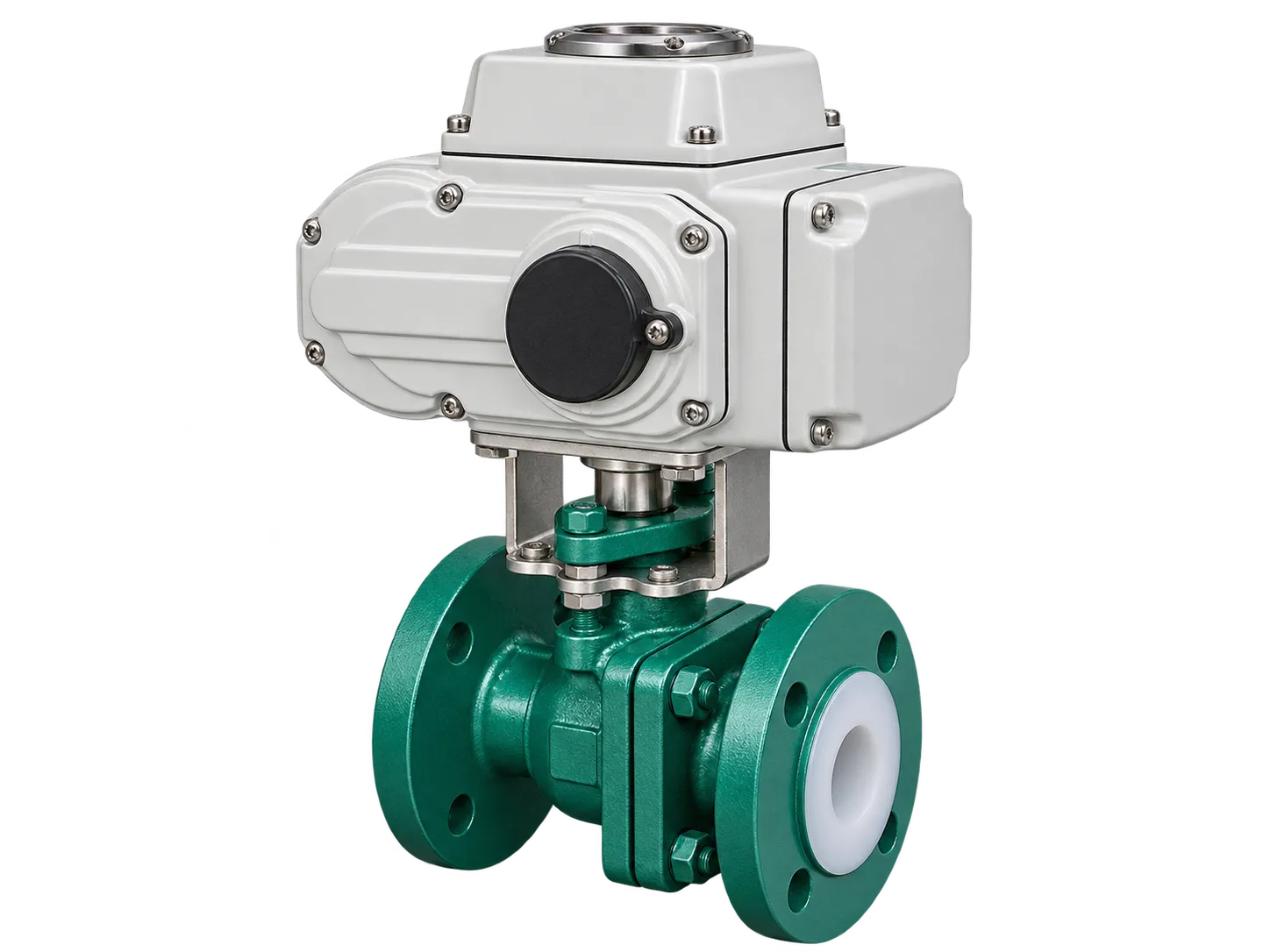
The FLE-Q-F fluoropolymer-lined electric ball valve is designed for automated isolation of corrosive process media. A PTFE or PFA lining separates the process fluid from the metallic valve body, helping protect wetted surfaces in chemical transfer, acid and alkali handling, and chemical wastewater systems. The electric quarter-turn actuator supports remote on/off operation and selected modulating control configurations.
Protect the Flow Path from Aggressive Process Media
In corrosive-duty pipelines, the wetted material is a critical part of valve selection. FLE-Q-F uses a fluoropolymer-lined flow path to reduce direct contact between the process medium and the metallic pressure-containing body. PTFE and PFA lining options are selected according to the chemical medium and operating conditions.
PTFE or PFA Lining
Fluoropolymer lining options provide broad chemical resistance for compatible acids, alkalis, solvents and corrosive wastewater. Select the grade against the actual chemical concentration and operating temperature.
Electric Quarter-Turn Actuation
Remote 0–90° operation supports automated isolation from a PLC, relay panel or plant control system. On/off and selected regulating configurations are available.
Metallic Pressure Body
Carbon steel or stainless-steel body options provide the structural base, while the fluoropolymer lining protects the wetted flow surfaces.
Corrosion-Service Seat System
PTFE-based seat and sealing options are selected to match the medium and temperature range, helping maintain shutoff performance in compatible service.
Flexible Actuator Configuration
Voltage, control circuit, position feedback, manual override and selected fail-safe functions can be specified according to the automation requirements.
Multiple Flange Standards
Flanged connection options can be configured to applicable GB, ANSI, DIN or JIS project requirements. Confirm facing, drilling and pressure class before ordering.
PTFE vs PFA: Select the Lining for Your Process Conditions
Both PTFE and PFA are fluoropolymers used in corrosive-fluid service. Selection depends on chemical compatibility, operating temperature, pressure and the required service life.
- PTFE lining: broad chemical resistance for many strong acids, alkalis and solvents.
- PFA lining: considered for demanding corrosive duties where lining process, permeability and temperature requirements call for it.
- Seat and seal compatibility: check all wetted components, not only the body lining.
- Operating envelope: assess pressure and temperature together; do not assume the maximum values apply simultaneously.
- Vacuum and cycling: confirm suitability for vacuum, thermal shock and frequent operating cycles.

FLE-Q-F Technical Specifications
Available configurations cover a range of sizes, pressure classes, lining materials and electric actuator options for corrosive-fluid service.
| Parameter | Specification |
|---|---|
| Model | FLE-Q-F |
| Valve type | 2-way PTFE / PFA fluoropolymer-lined electric ball valve |
| Nominal size | DN15–DN300 (½″–12″), subject to size and lining configuration |
| Pressão de trabalho | PN10–PN16 (up to 1.6 MPa / 150 PSI), subject to size |
| Working temperature | −20°C to +180°C, depending on lining, seat and medium |
| Body material | Carbon steel / stainless steel (WCB, CF8, CF8M) |
| Ball / wetted material | Stainless steel grades and fluoropolymer-lined wetted surfaces, according to construction |
| Lining options | PTFE / PFA; other fluoropolymer options subject to confirmation |
| Seat / sealing options | PTFE, Nylon or PPL options according to configuration |
| Conexão | Flanged; ANSI, DIN, JIS or GB standard options |
| Applicable media | Compatible acids, alkalis, chlorine-containing media, solvents and chemical wastewater |
| Actuator type | Atuador elétrico de um quarto de volta |
| Voltage options | DC24V, AC24V, AC110V, AC220V, AC380V |
| Control options | ON/OFF, regulating, intelligent |
| Design references | GB/T 12237, ISO 5211, ASME B16.34, as applicable |
| Testing references | GB/T 13927 / API 598, according to product configuration |
| Actuator protection | IP67 standard configuration; IP68 optional |
| Explosion-proof option | Selected Ex d II BT4 / CT4 / CT6 Gb configurations |
| Fail-safe option | Fail-open, fail-closed or no-reset, subject to actuator configuration |
Electric Actuator Model and Torque Options
Quarter-turn · 0–90° adjustable| Actuator model | Standard time / torque | Optional time / torque | Peso |
|---|---|---|---|
| FLE-105 | 25 s / 50 Nm | 4 s / 20 Nm; 10 s / 30 Nm | 2.2 kg |
| FLE-110 | 25 s / 100 Nm | 15 s / 50 Nm | 5.1 kg |
| FLE-116 | 25 s / 160 Nm | 15 s / 80 Nm | 5.1 kg |
| FLE-120 | 25 s / 200 Nm | 15 s / 100 Nm | 7.5 kg |
| FLE-140 | 25 s / 400 Nm | 15 s / 200 Nm | 7.5 kg |
| FLE-160 | 25 s / 600 Nm | 15 s / 300 Nm | 8.1 kg |
| FLE-1100 | 50 s / 1000 Nm | 25 s / 500 Nm | 12.7 kg |
| FLE-1200 | 50 s / 2000 Nm | 25 s / 1000 Nm | 12.7 kg |
Flange Size and Installation Reference
Flange dimensions are provided for pipeline matching and installation planning. Flange drilling and pressure class are available according to the selected connection standard.

Main Outline and Connecting Flange Size
Dimensions: mm| DN | DN15 | DN20 | DN25 | DN32 | DN40 | DN50 | DN65 | DN80 | DN100 | DN125 | DN150 | DN200 |
|---|---|---|---|---|---|---|---|---|---|---|---|---|
| Inch | 1/2″ | 3/4″ | 1″ | 1-1/4″ | 1-1/2″ | 2″ | 2-1/2″ | 3″ | 4″ | 5″ | 6″ | 8″ |
| D3 | 15 | 20 | 25 | 30 | 40 | 50 | 65 | 80 | 100 | 125 | 150 | 200 |
| D2 | 45 | 55 | 65 | 78 | 85 | 100 | 120 | 135 | 155 | 185 | 210 | 265 |
| D1 | 65 | 75 | 85 | 100 | 110 | 125 | 145 | 160 | 180 | 210 | 240 | 295 |
| D | 95 | 105 | 115 | 135 | 145 | 160 | 180 | 195 | 215 | 245 | 280 | 335 |
| b | 14 | 16 | 16 | 18 | 18 | 20 | 20 | 22 | 22 | 24 | 24 | 26 |
| L | 140 | 140 | 150 | 165 | 180 | 200 | 220 | 250 | 280 | 320 | 360 | 400 |
| n–φd | 4–φ14 | 4–φ14 | 4–φ14 | 4–φ18 | 4–φ18 | 4–φ18 | 4–φ18 | 4/8–φ18 | 8–φ18 | 8–φ18 | 8–φ23 | 12–φ23 |
Automated Isolation for Chemical and Industrial Fluid Systems
FLE-Q-F is intended for process lines where the chemical resistance of the wetted flow path is a primary selection factor. Confirm chemical concentration, temperature, pressure and cleaning conditions before specifying the lining.
Acid & Alkali Transfer
Isolation in compatible acid, alkali and chemical dosing lines.
- Sulfuric and phosphoric acid duties, subject to concentration and temperature review
- Alkali and salt solutions
- Corrosive chemical storage and transfer skids
Chlorine & Chemical Wastewater
Remote shutoff for selected chlorine-containing media and corrosive wastewater services.
- Chlorine-related process lines, subject to compatibility review
- Chemical wastewater collection and treatment
- Corrosive process utility isolation
Applications of PTFE/PFA-Lined Electric Ball Valves
Fluoropolymer-lined valves are selected for compatible corrosive duties across chemical production, pharmaceutical processing, petrochemical operations and environmental treatment systems.
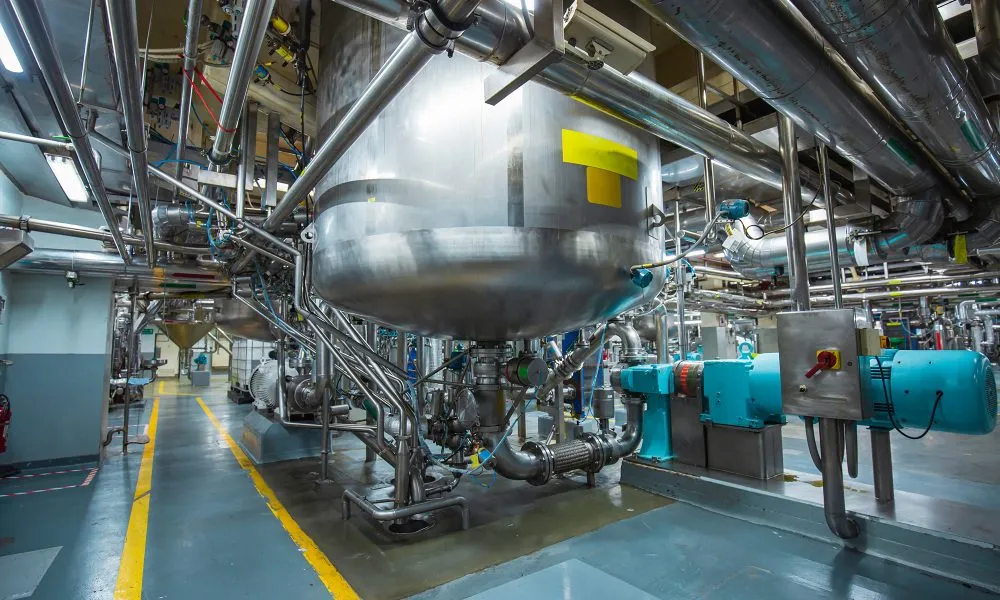
Chemical Manufacturing
Acid, alkali and corrosive reagent transfer.
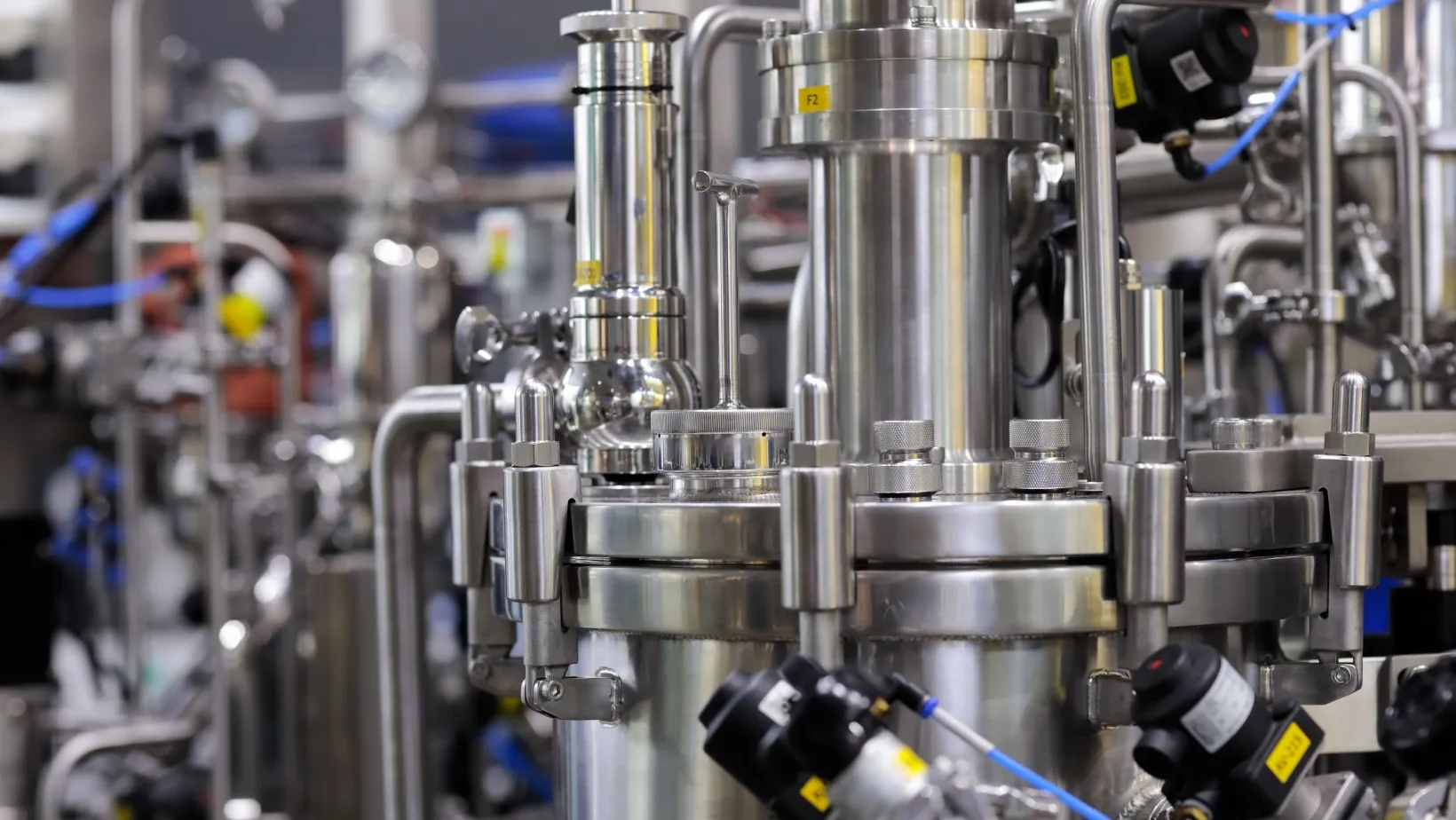
Pharmaceutical Processing
Compatible chemical and process utility lines.
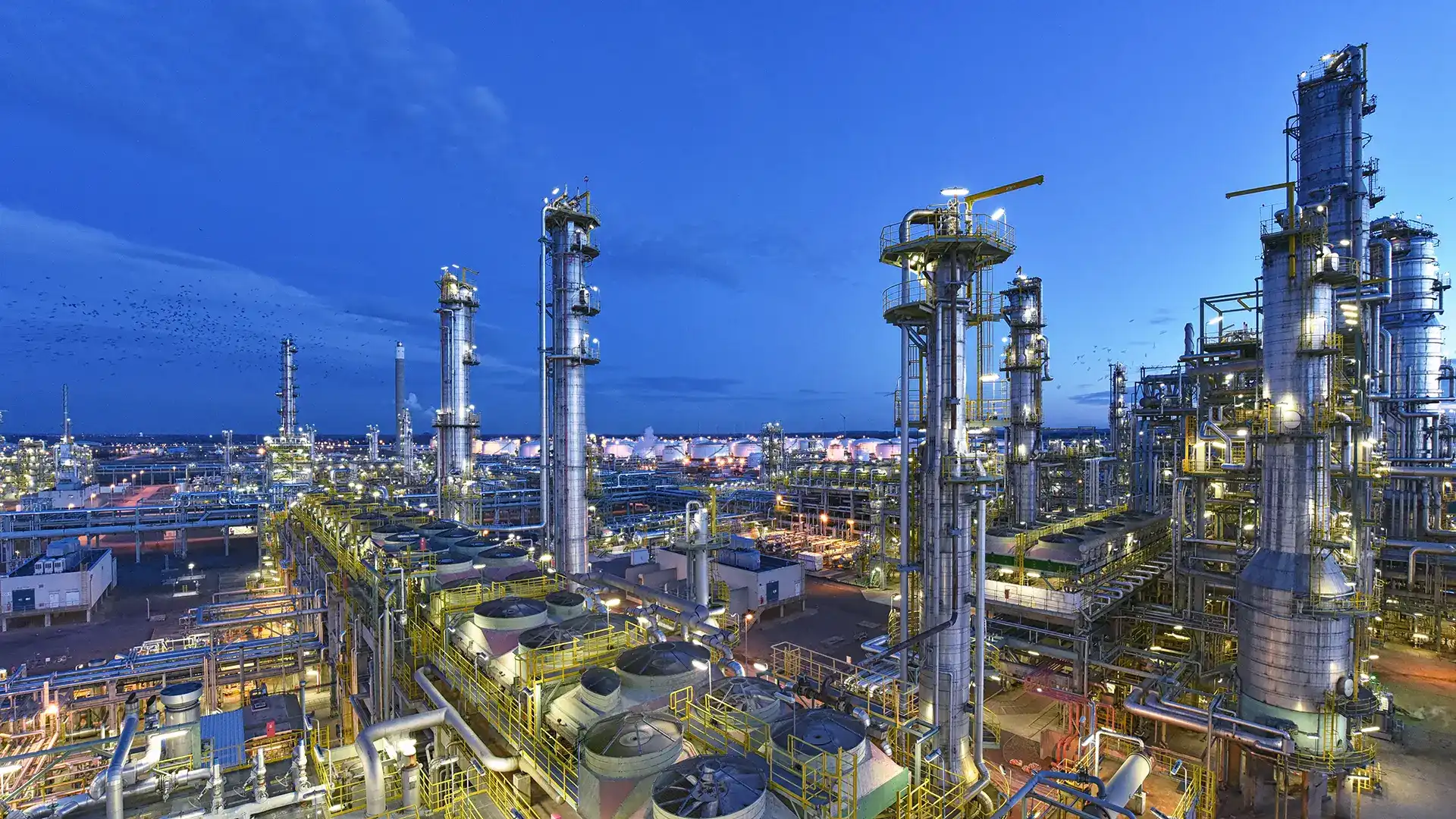
Petrochemical Plants
Corrosive media isolation in process systems.
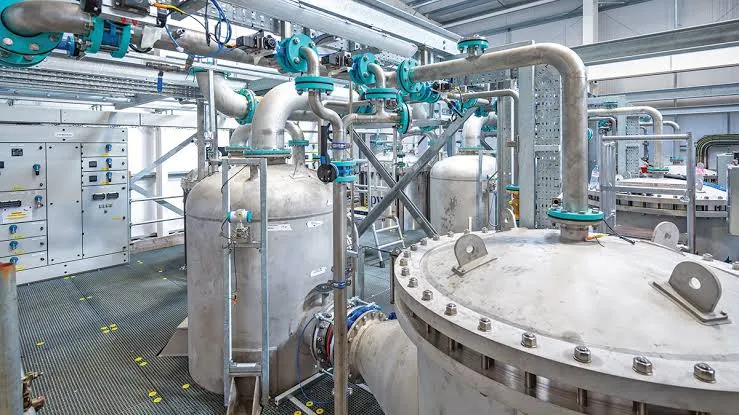
Chemical Wastewater
Automated isolation in corrosive treatment lines.
Information Required for Correct Valve Selection
Fluoropolymer-lined valves need a process-specific review. Sharing the following information helps match the lining, pressure body, seat system and electric actuator to the application.
Fluid name, concentration, impurities and compatibility requirements.
Normal and peak pressure, temperature, vacuum and cycling frequency.
DN size, flange standard, pressure class, facing and installation orientation.
Voltage, on/off or modulating signal, feedback, fail position and hazardous-area needs.
PTFE/PFA-Lined Electric Ball Valve FAQs
What is a PTFE-lined electric ball valve used for?
It is used for automated isolation of compatible corrosive fluids in chemical processing, acid and alkali transfer, petrochemical systems and chemical wastewater treatment. The fluoropolymer lining protects the wetted flow path from direct contact with the metallic body.
What is the difference between PTFE and PFA lining?
Both are fluoropolymers with broad chemical resistance. Their suitability differs according to temperature, lining process, permeation, mechanical requirements and the specific chemical. The choice should be based on the actual medium and operating envelope.
Can the FLE-Q-F valve handle sulfuric acid or hydrochloric acid?
Suitability depends on acid concentration, temperature, pressure and the selected lining and seat materials. Provide the chemical concentration and operating conditions for a compatibility review before ordering.
What pressure and temperature range is available?
The published product configuration lists PN10–PN16 and a temperature range up to +180°C, depending on lining, seat material, size and medium. These maximum values should not be assumed to apply simultaneously; confirm the size-specific rating.
What is the difference between a fluorine-lined and a standard stainless-steel ball valve?
A standard stainless-steel ball valve exposes its selected metal wetted surfaces to the process medium. A fluoropolymer-lined design adds a chemical-resistant lining between the medium and the metallic body, making it suitable for selected corrosive services where bare metal may not be compatible.
Can the electric actuator support modulating control?
Selected actuator configurations support regulating control, including compatible 4–20 mA or 0–10 V control circuits. Confirm the required signal, feedback, operating time and torque with the actuator configuration.
What information should I provide for a quotation?
Provide valve size, flange standard, medium and concentration, operating pressure and temperature, lining preference, actuator voltage, control mode, quantity and any hazardous-area requirement. A process datasheet or P&ID is useful for engineering review.
Need a Corrosion-Resistant Electric Ball Valve?
Send your chemical medium and operating conditions for FLE-Q-F configuration review.