Pular links
Motorized Ball Valve | 3–10s Fast & Explosion-Proof Options | Fleyenda
Fleyenda Electric Actuated Ball Valves

Motorized Ball Valves
for Industrial Automation

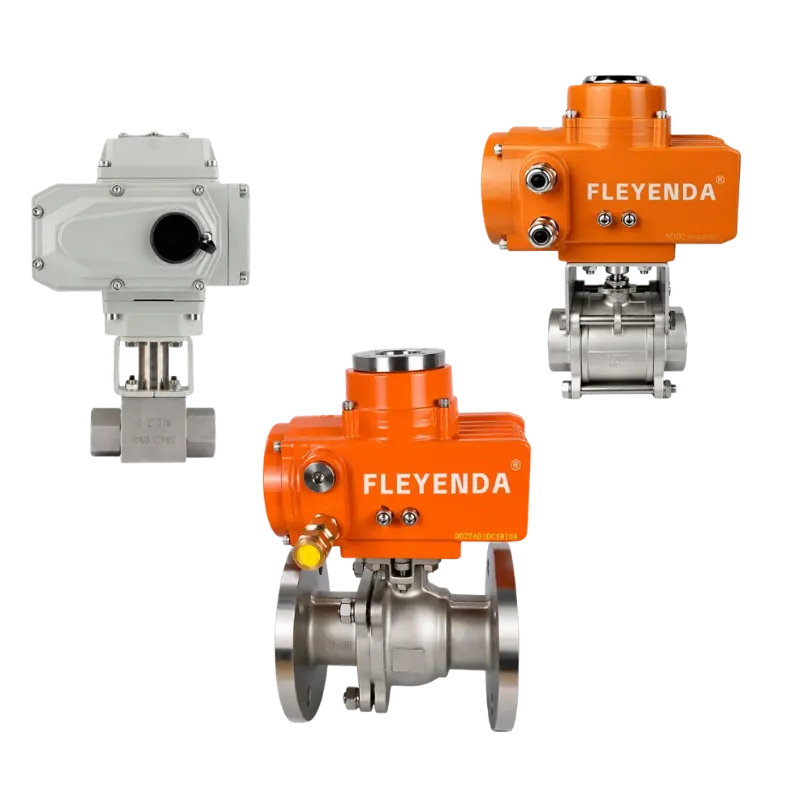
Electric quarter-turn ball valves for automated shutoff, diversion and proportional flow control. Configure the assembly by valve type, material, connection, voltage, control signal, actuation speed and hazardous-area requirement.

3–10s Optional fast actuation
BT4 / CT6 Selected explosion-proof options
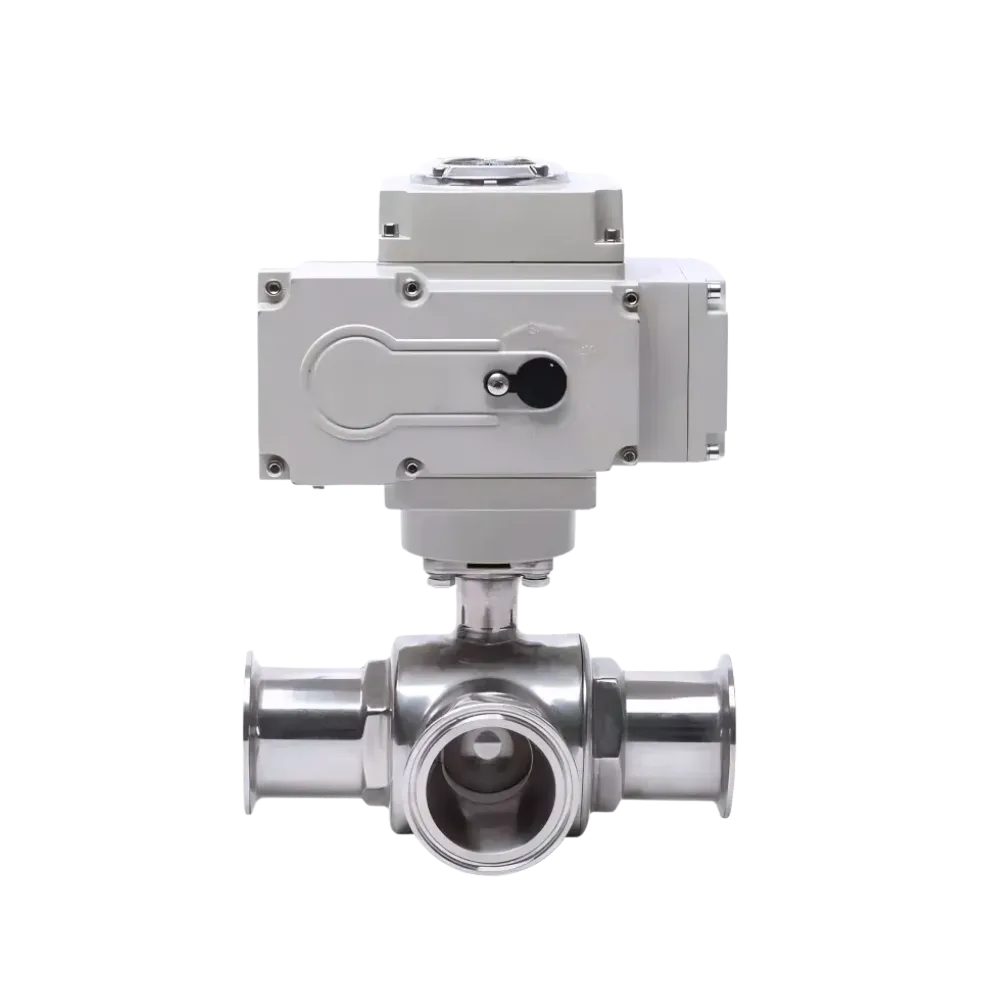
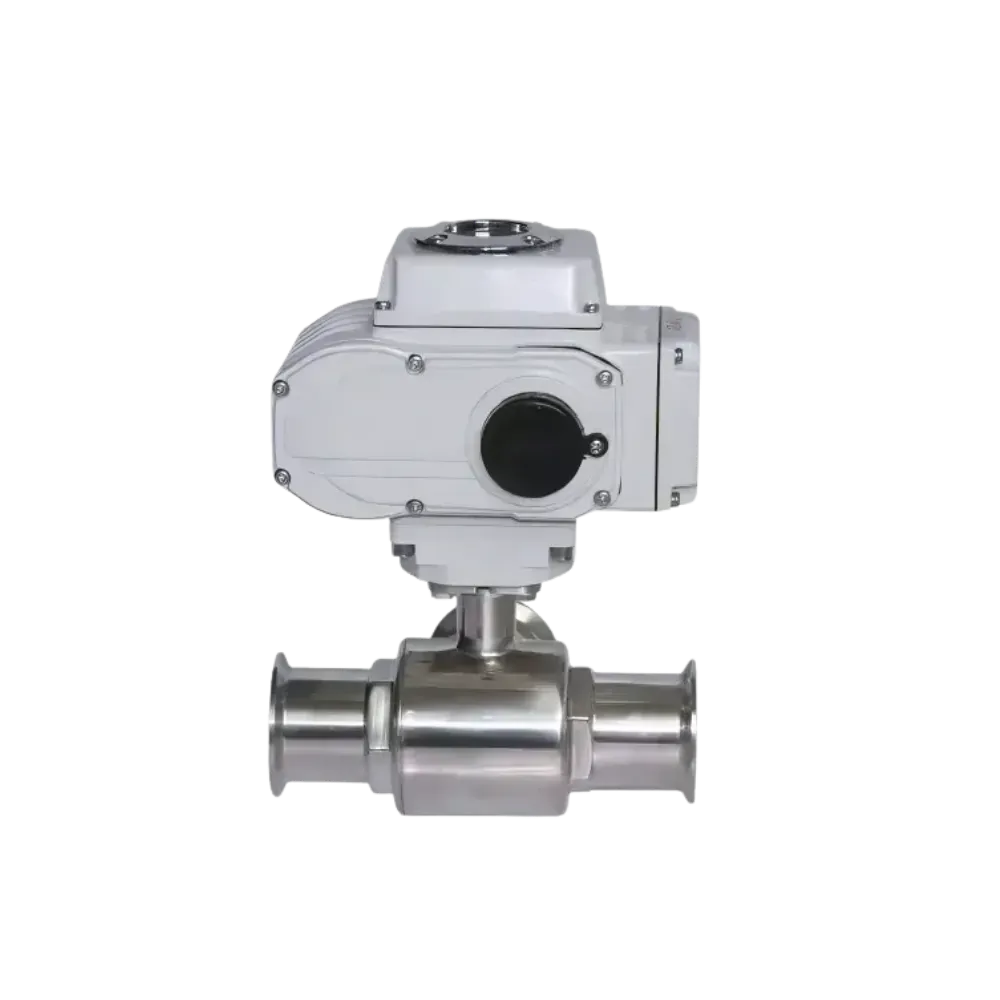
01 2-Way & 3-Way Isolation · diverting · mixing
02 3–10s Fast Acting Optional actuator configurations
03 BT4 / CT6 Selected Ex d II configurations
04 4–20mA / 0–10V Selected modulating control
Current Fleyenda Product Range

Motorized Ball Valves, Organized by Real Selection Logic

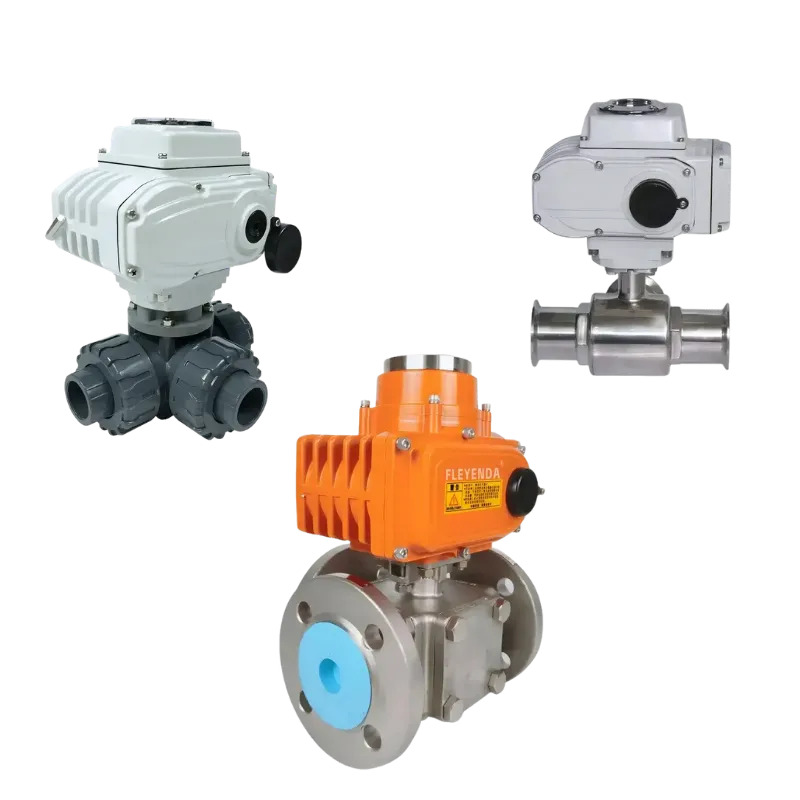
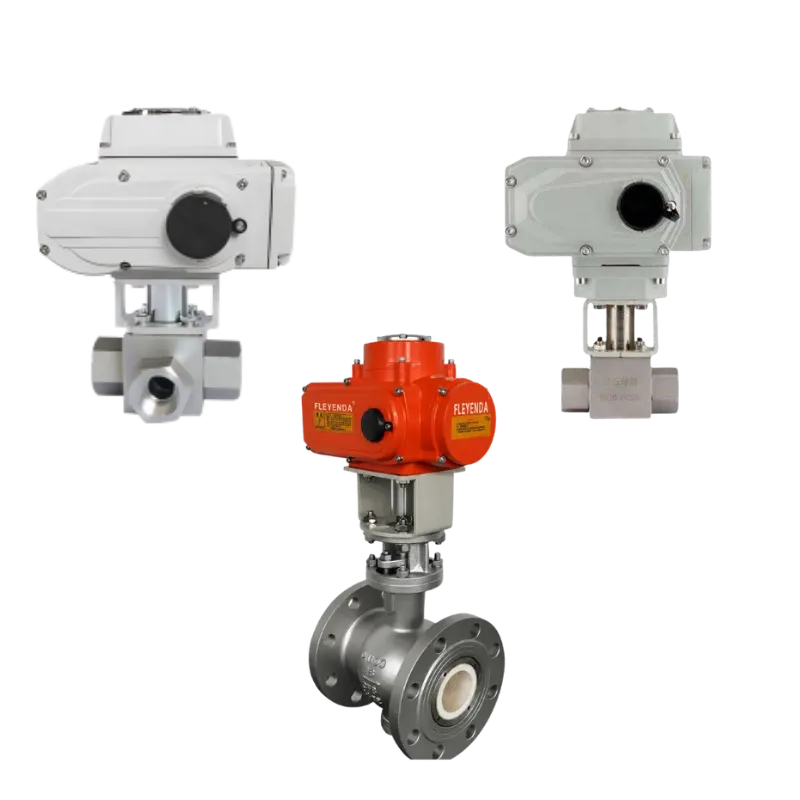
The range is grouped by engineering use instead of repeating the same card 18 times. Every existing product remains linked and every product row keeps its real image from the current Fleyenda category.

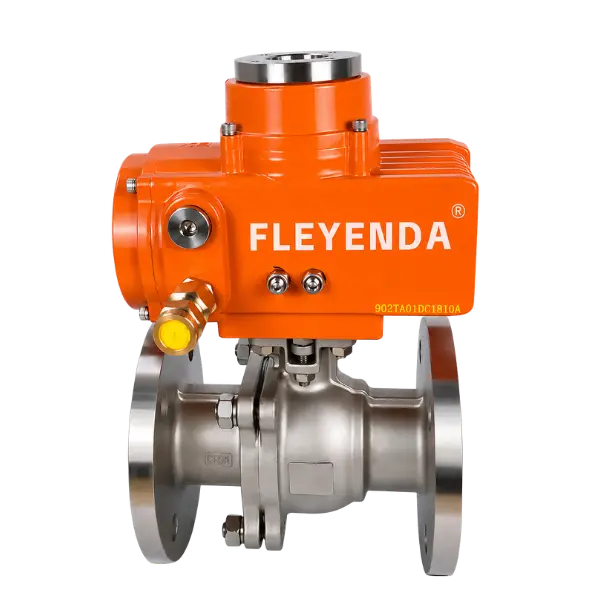
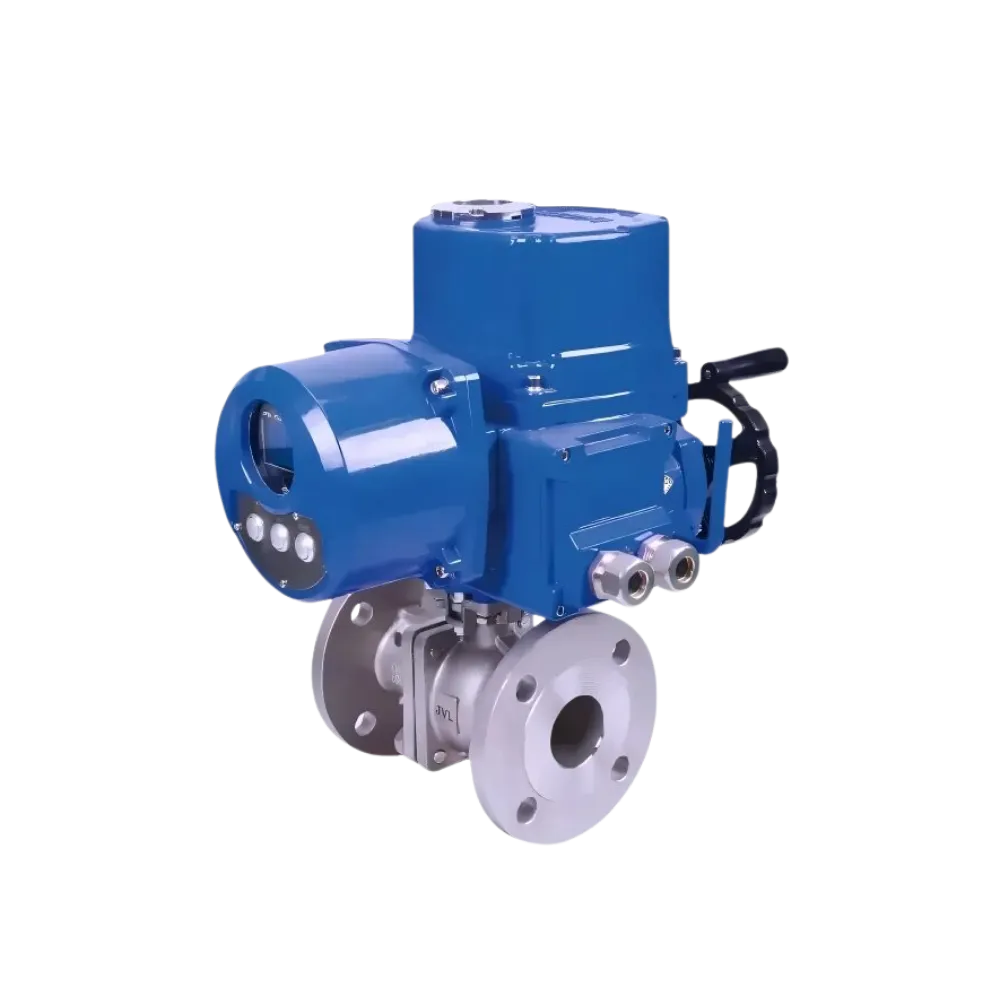
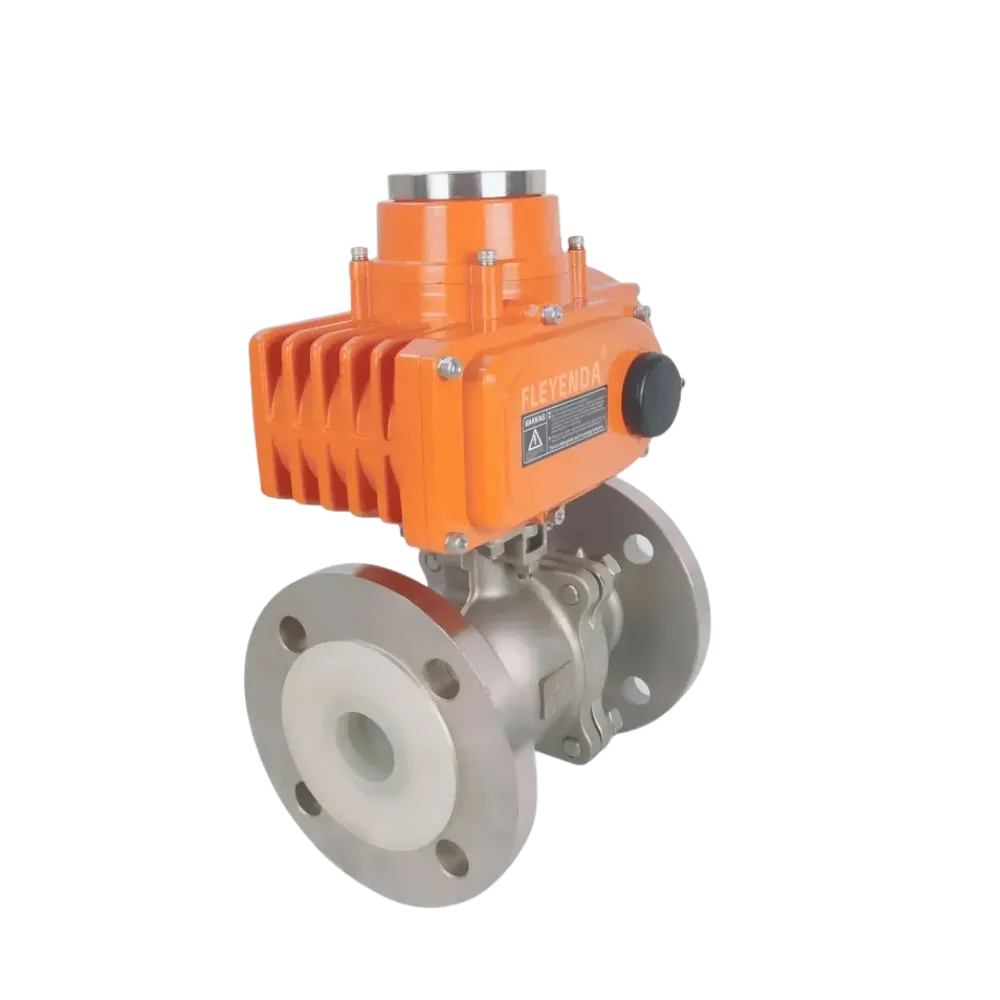
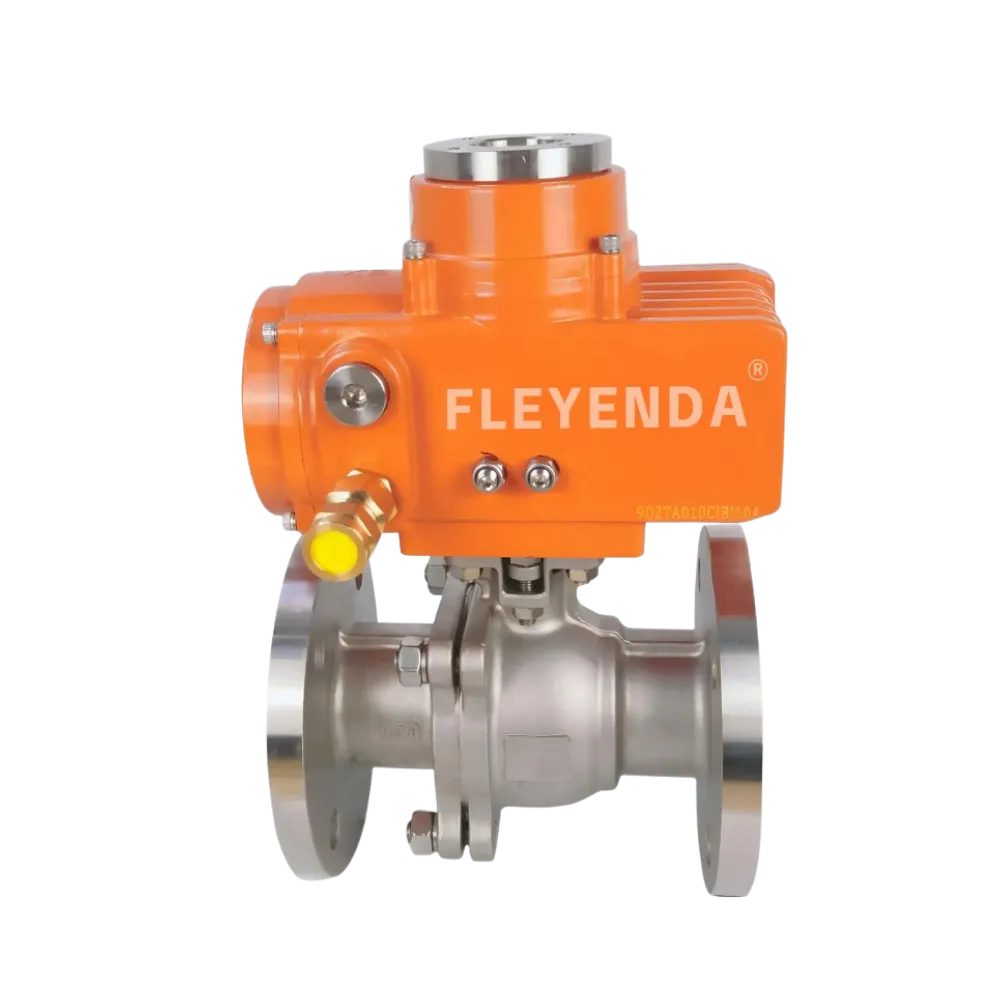
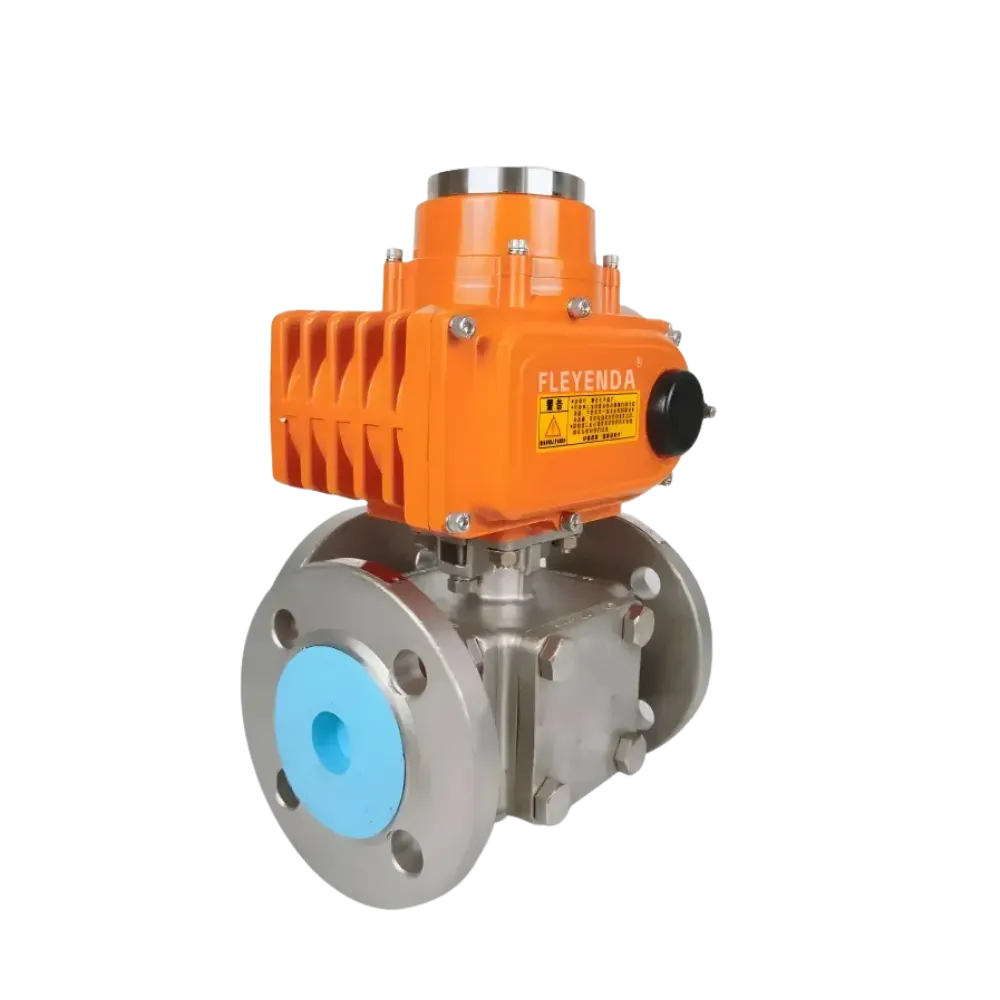
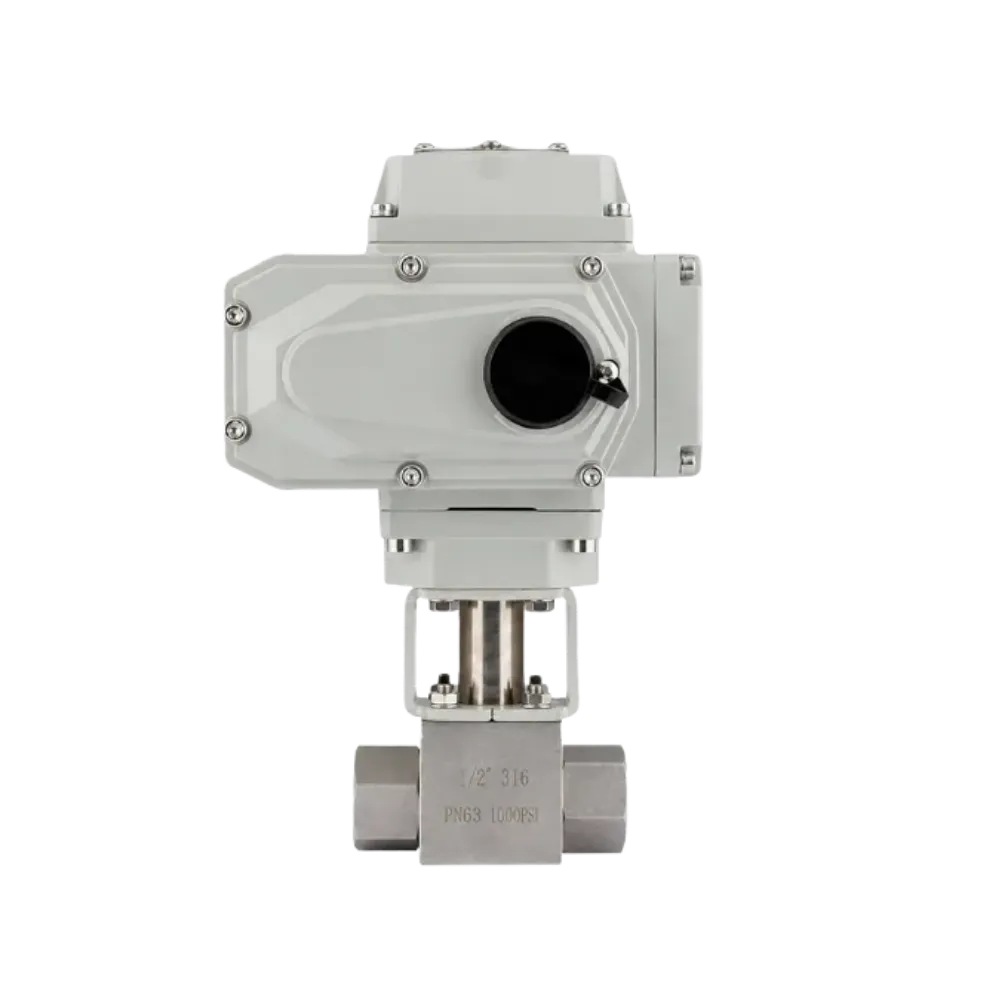
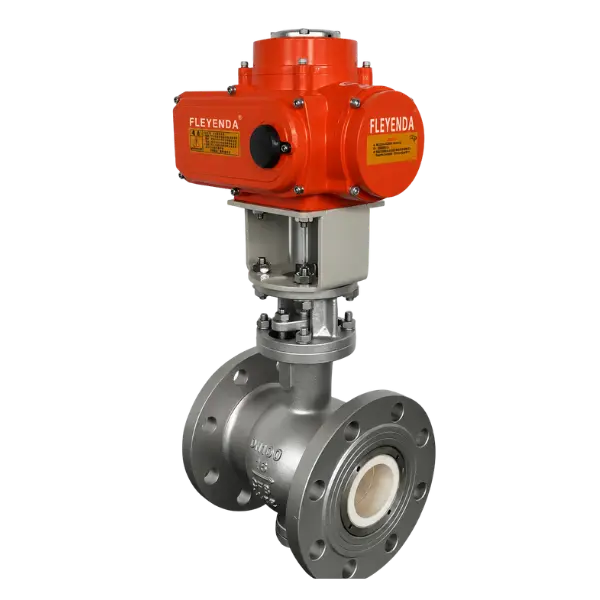
Fleyenda Electric 2 Way Flange Ball Valve
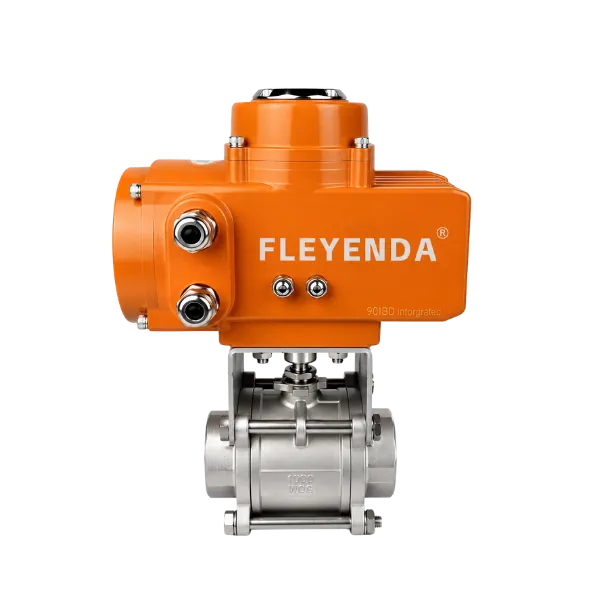
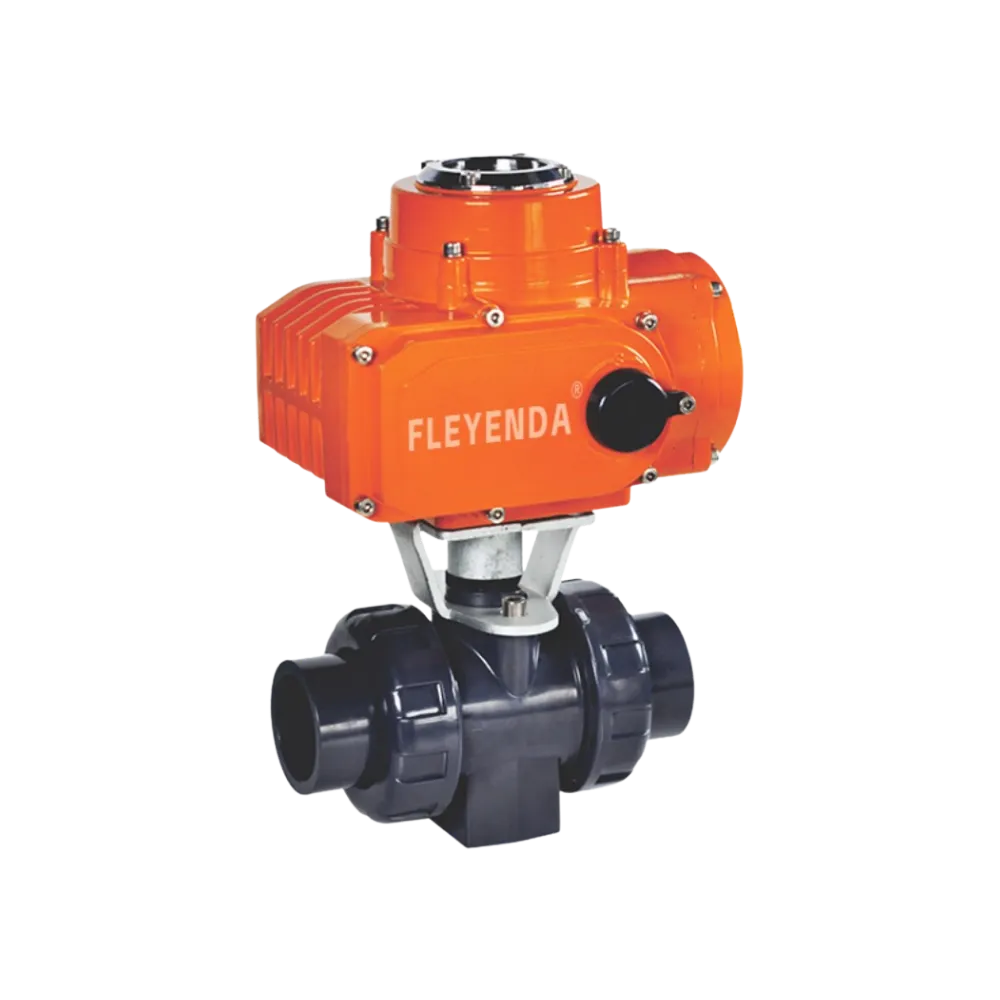
Fleyenda Electric 2-Way UPVC Ball Valve
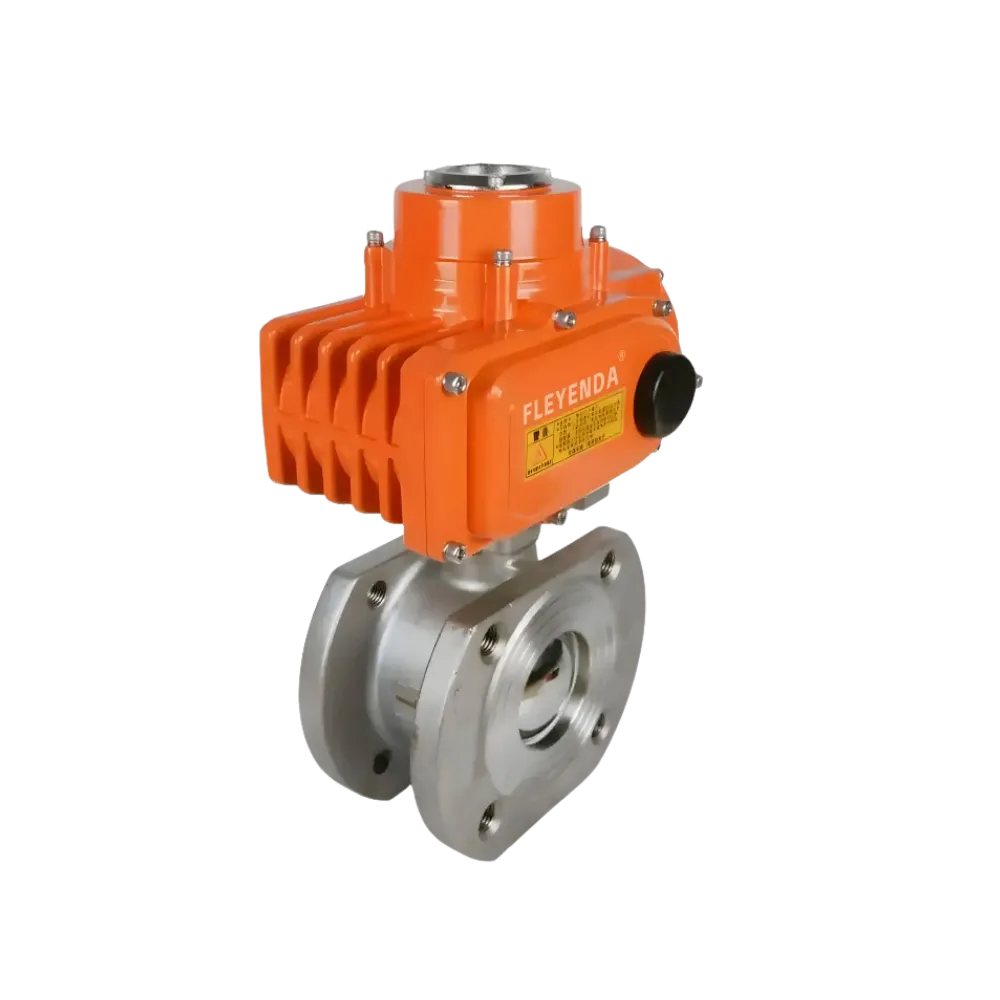
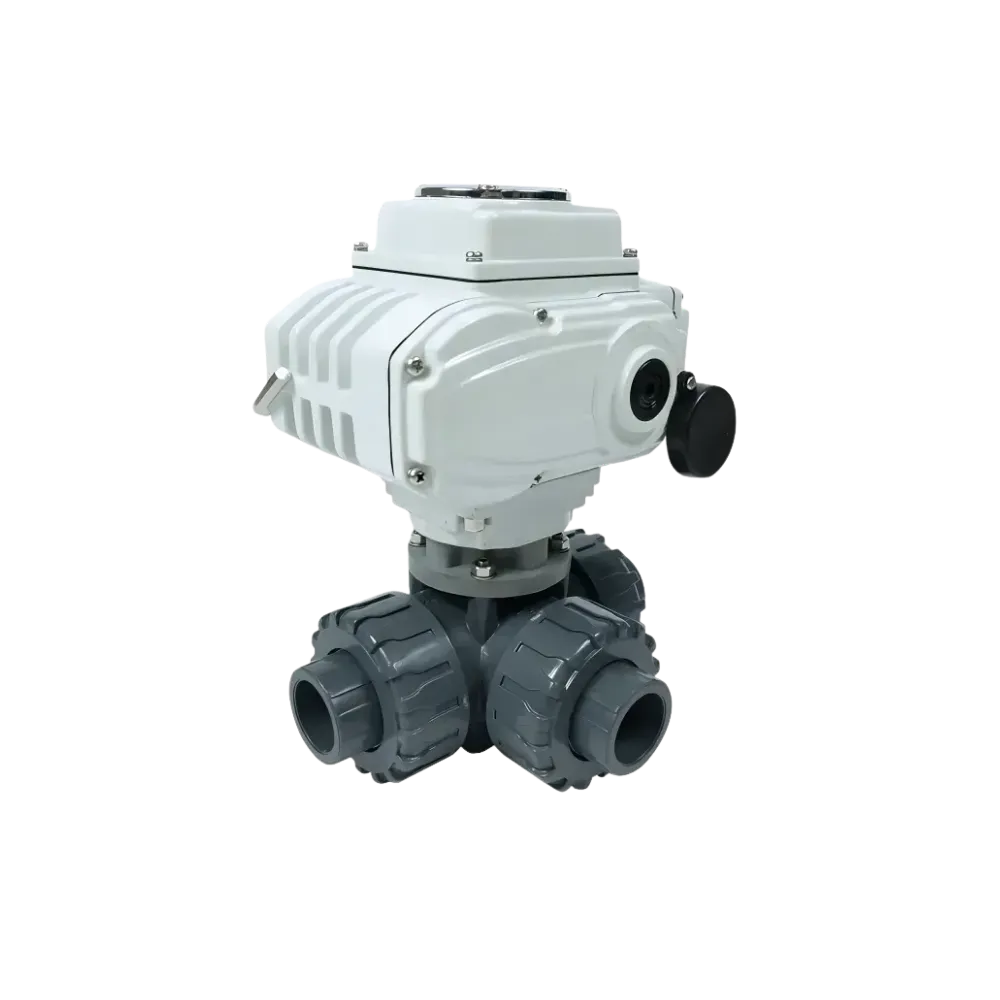
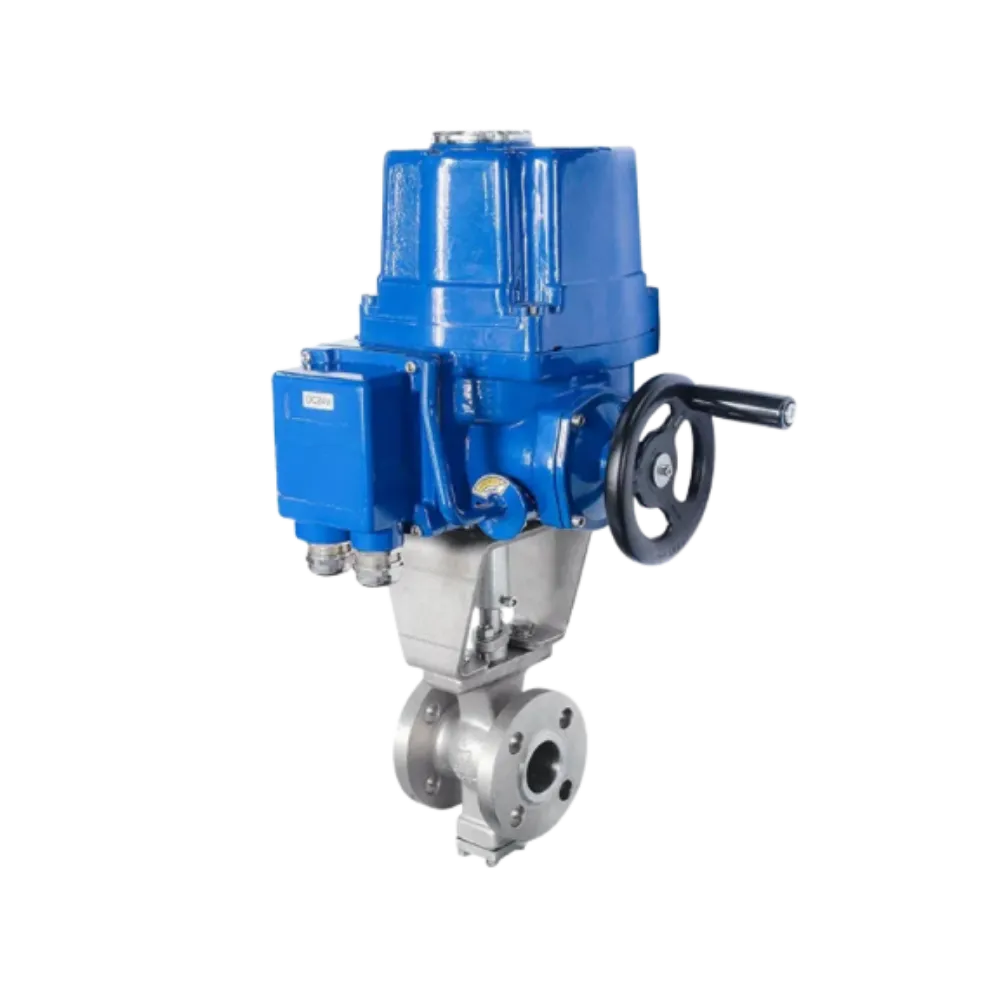
Fleyenda Motorized V-Port Segmented Ball Valve
Fast-Actuation Advantage

Shorter Switching Cycles When Response Time Matters

3–10s
Optional open / close time

Compatible motorized ball valve assemblies can be matched with fast electric actuator configurations for automation skids, equipment sequencing and process switching. Final speed depends on required torque, valve size, differential pressure and duty cycle.

0–90° quarter turn Torque-matched AC / DC options Project configurable
Hazardous-Area Option

Explosion-Proof Electric Actuation for Selected Configurations

BT4 / CT6
Selected Ex d II configurations

Selected Fleyenda actuator configurations list optional explosion-proof protection including Ex d II BT4 / CT4 / CT6 Gb . Final actuator selection must match the site hazardous-area classification, gas group, temperature class, supply and valve torque.

Ex d II BT4 CT6 IP67 / IP68 options
Quick Selection Guide

Specify the Valve by Process Conditions First

Voltage is only one part of the selection. Reliable performance starts with media, pressure, temperature, valve construction and required operating torque.

Flow Function 2-way isolation, 3-way divert / mix, or V-port control
Material da carroceria Stainless steel, WCB, UPVC or lined construction
Conexão Threaded, flanged, Tri-Clamp, union, wafer and more
Operating Speed Standard or optional 3–10s fast actuation
Control Mode On/off, feedback, modulating or intelligent control
Environment IP rating and BT4 / CT6 explosion-proof requirement
Valve Types 2-way, 3-way L/T port, standard round-port and V-port segmented control
Typical Voltages 12 V DC, 24 V DC/AC, 110 V AC, 220–240 V AC; selected 380 / 415 V configurations
Fast Actuation Optional 3–10 second opening / closing on compatible valve-actuator combinations
Control Signals On/off, feedback, selected 4–20 mA / 0–10 V and intelligent-control configurations
Proteção IP67, IP68 optional on selected configurations
Explosion Proof Selected configurations: Ex d II BT4 / CT4 / CT6 Gb
Mounting ISO 5211 on many industrial valve / actuator combinations
Testing Selected valve series specify API 598 / EN 12266-1; verify individual model data
How It Works

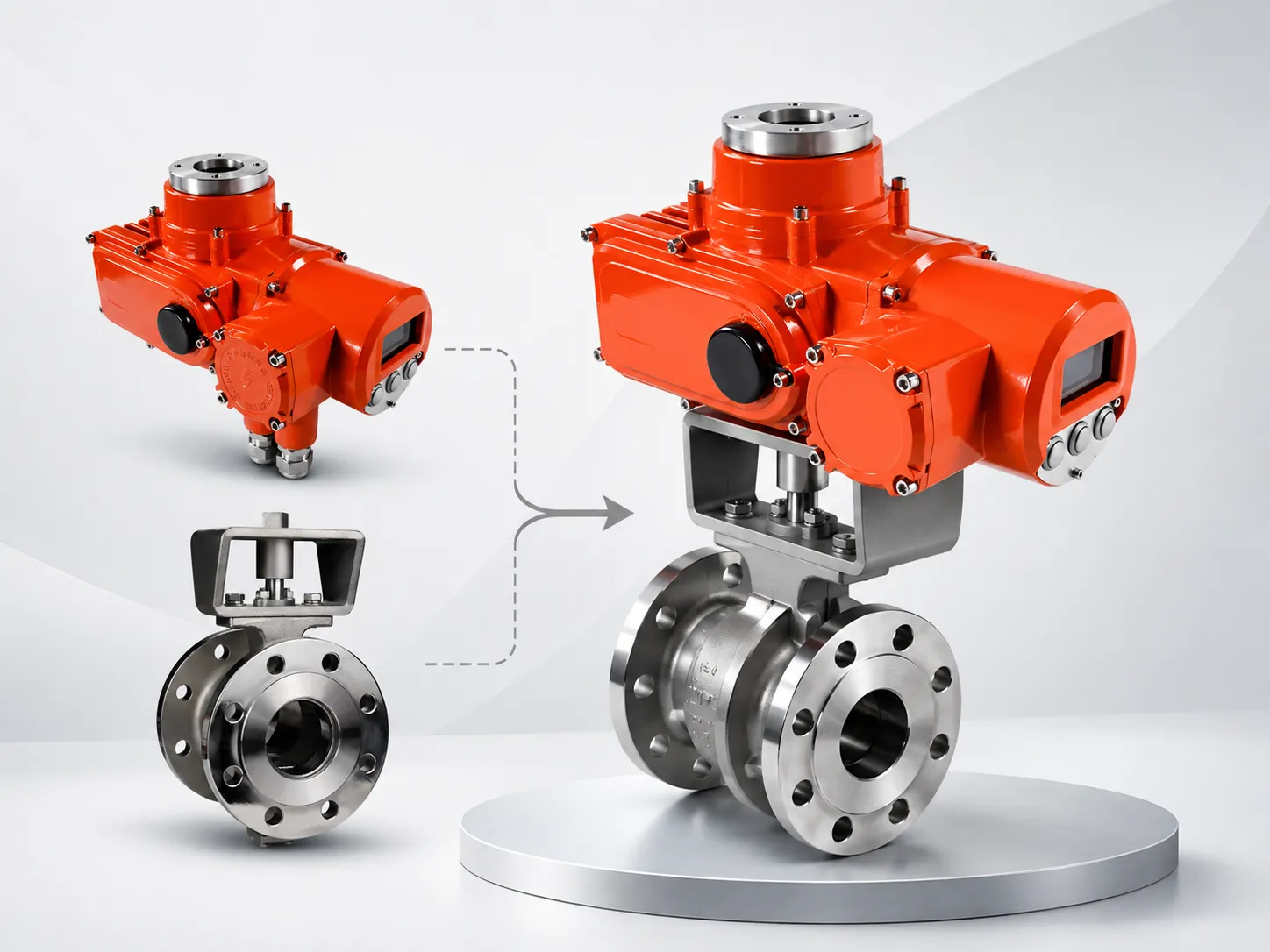
Ball Valve + Electric Actuator = Automated Quarter-Turn Control

A motorized ball valve uses an electric motor and reduction gearbox to rotate the valve stem. The ball turns through the required position—commonly 0–90°—to isolate, route or regulate process flow.

01
Control command Power, relay, PLC or DCS command reaches the actuator.
02
Motor & gearbox The actuator converts electrical power into controlled output torque.
03
Valve rotation The stem and ball rotate to the required position.
04
Flow result The process is isolated, diverted, mixed or modulated.
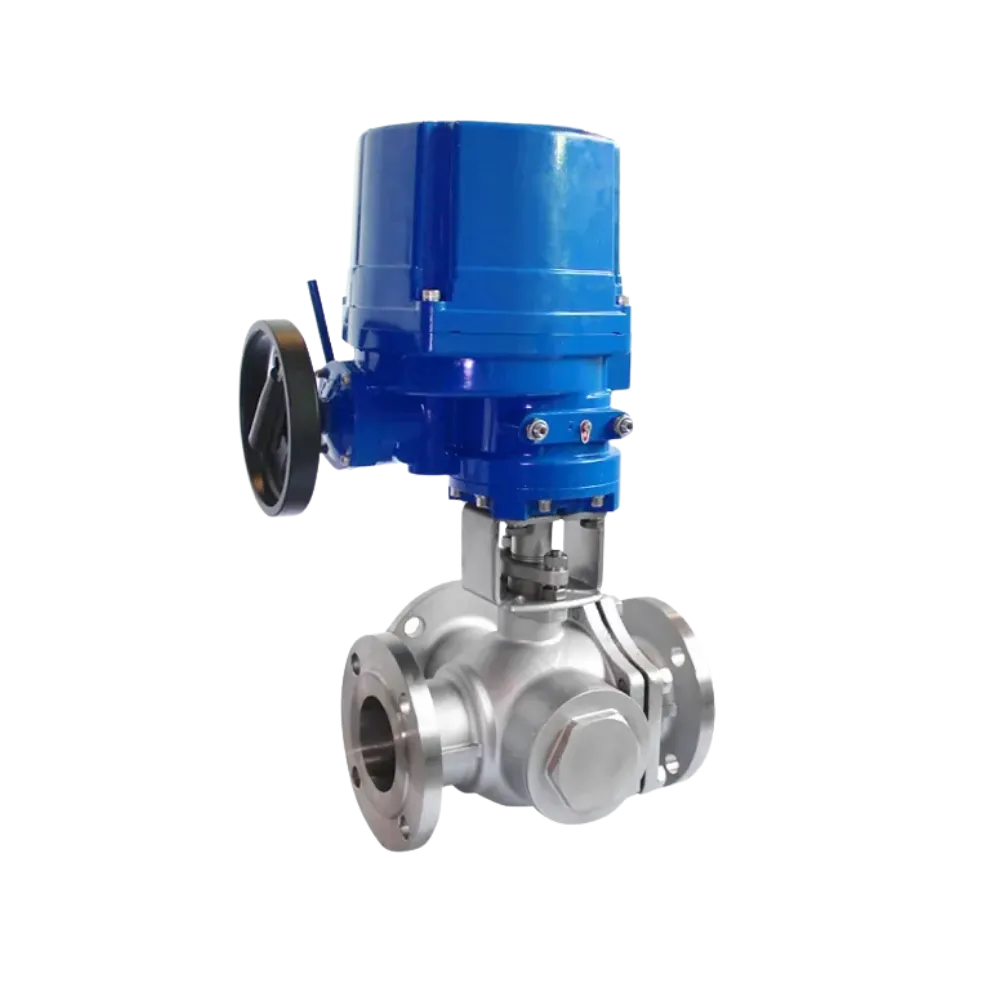
Electric 3-way flanged motorized ball valve technical drawing
2-Way vs 3-Way

Choose the Flow Path Before the Actuator

Both use electric quarter-turn actuation, but they solve different piping problems.

2-Way

Automatic Isolation

  • Ports: inlet + outlet
  • Main function: open / close shutoff
  • Typical use: water shutoff, metallurgical process lines, equipment isolation
  • Variants: threaded, flanged, sanitary, UPVC, high pressure
3-Way

Diverting, Mixing & Routing

  • Ports: three process ports
  • Ball: L-port or T-port
  • Typical use: bypass, branch switching, mixing circuits
  • Variants: flanged, threaded, sanitary and UPVC
Aplicações

Where Motorized Ball Valves Work

Application photography breaks up the technical content and shows the operating environments where electric ball valves are commonly integrated.

Water Treatment motorized ball valve application
Water · Wastewater · RO

Tratamento de Água

Automatic isolation, filtration, dosing and distribution control.

Metallurgical industry motorized ball valve application
Steel · Smelting · Process Utilities

Metallurgical Industry

Automated isolation and flow control for cooling water, process utilities, gas handling and auxiliary piping in metallurgical plants.

Chemical Processing motorized ball valve application
Chemical · Dosing · Process

Processamento Químico

Compatible stainless, lined and UPVC configurations for corrosive-fluid automation.

Oil, Gas & Energy motorized ball valve application
Oil · Gas · Power

Oil, Gas & Energy

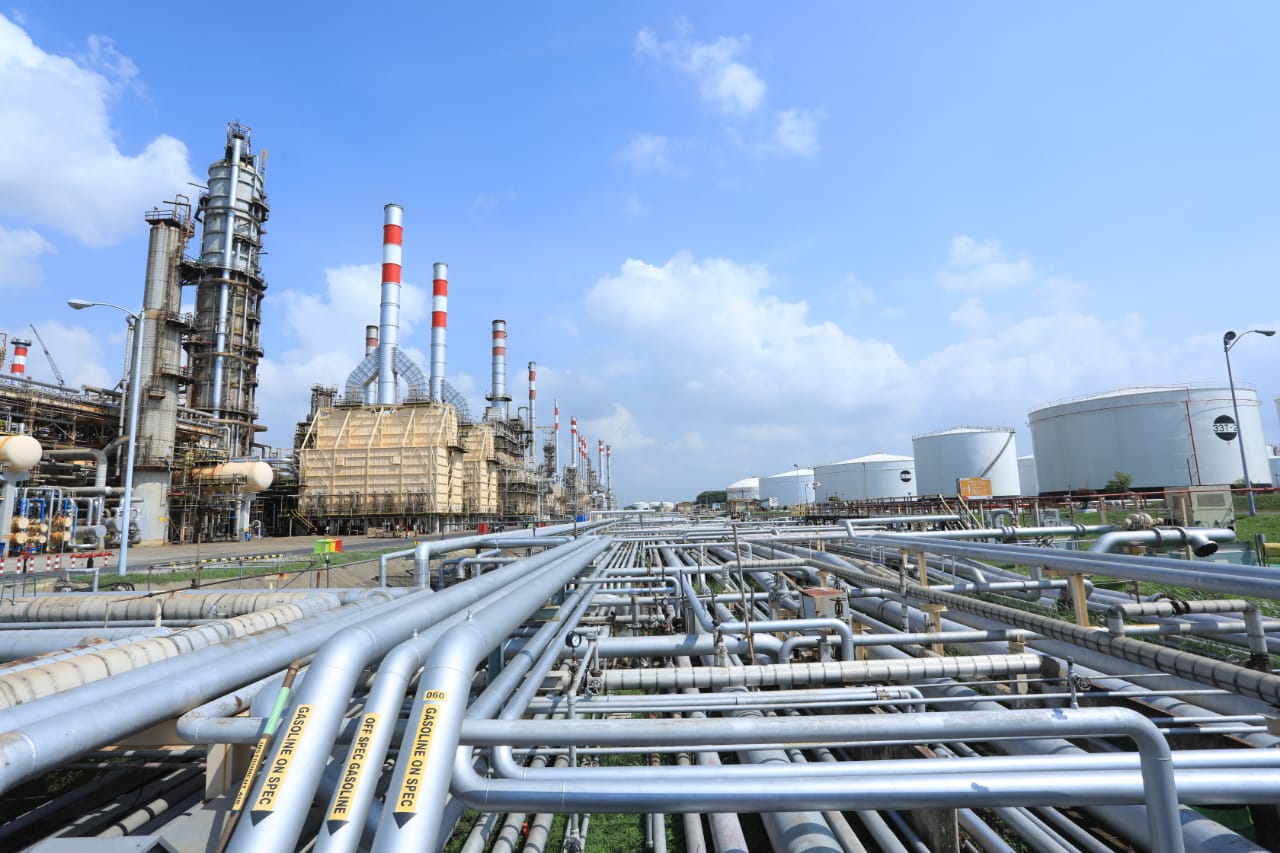
Remote isolation with selected high-pressure and explosion-proof configurations.

Food & Beverage motorized ball valve application
Food · Dairy · Beverage

Food & Beverage

Tri-Clamp sanitary valves for hygienic lines, CIP/SIP and clean-process equipment.

Industrial Automation motorized ball valve application
PLC · DCS · SCADA

Industrial Automation

On/off, feedback and modulating actuation for process and machine automation.

Motorized vs Solenoid

When a Motorized Ball Valve Is the Better Fit

The two technologies can both automate fluid control, but their mechanisms and best-fit applications differ.

Fator de seleção Válvula de esfera motorizada Válvula solenóide
Acionamento Electric motor + gearbox rotates a ball Electromagnetic coil moves a plunger / pilot mechanism
Flow Path Full-port designs can provide low flow restriction Depends strongly on valve construction
Switching Standard or optional 3–10s fast actuator configuration Often very fast switching
Best Fit Pipeline isolation, larger sizes, routing, V-port control and remote automation Frequent fast cycling and smaller-line applications suited to solenoid design
Control Options On/off, feedback, modulating, intelligent and selected fail-position options Primarily open/close, depending on valve type
Engineering Selection

How to Choose a Motorized Ball Valve

Define the process conditions first, then match the valve construction and electric actuator. This avoids oversizing the actuator or choosing electrical options before the real valve duty is known.

  1. 01
    Identify the medium Water, air, oil, chemical, food product, slurry or another process fluid.
  2. 02
    Confirm size, pressure & temperature Use actual operating and design conditions, not only nominal pipe size.
  3. 03
    Select body & seat materials Check corrosion, temperature and chemical compatibility.
  4. 04
    Choose 2-way, 3-way or V-port Match shutoff, diversion, mixing or proportional-control duty.
  5. 05
    Match the connection standard NPT, BSP, ANSI, DIN, JIS, Tri-Clamp, union or project-specific connection.
  6. 06
    Calculate operating torque Include differential pressure, service conditions and an engineering safety margin.
  7. 07
    Specify speed, voltage & signal Select standard or 3–10s actuation, power supply and control architecture.
  8. 08
    Confirm environmental protection Verify IP rating and BT4 / CT6 explosion-proof requirements where applicable.
Perguntas frequentes

Motorized Ball Valve FAQs

Technical answers focused on selection, actuator speed, explosion-proof options, control and integration.

What is a motorized ball valve?
A motorized ball valve combines a quarter-turn ball valve with an electric actuator. The actuator rotates the valve ball, normally through 90°, to open, close, divert or regulate flow.
How fast can a Fleyenda motorized ball valve open or close?
Compatible valve and actuator combinations can be configured for fast opening or closing in the 3–10 second range. Final speed should be matched to valve size, torque, pressure differential, media and operating duty.
Which explosion-proof options are available?
Selected Fleyenda electric actuator configurations list optional explosion-proof protection including Ex d II BT4 / CT4 / CT6 Gb. The required grade must be confirmed against the hazardous-area classification and selected actuator model.
What is the difference between a 2-way and 3-way motorized ball valve?
A 2-way valve is mainly used for isolation or shutoff. A 3-way valve uses three ports with an L-port or T-port ball to divert, distribute or mix flow.
Can a motorized ball valve provide modulating control?
Yes. Suitable regulating actuators can support signals such as 4–20 mA or 0–10 V. For more predictable proportional control, a V-port ball valve is generally preferred.
What voltage options are available?
Depending on actuator series, common choices include 12 V DC, 24 V DC/AC, 110 V AC, 220–240 V AC and selected 380 V or 415 V AC configurations.
Which body materials are available?
The current range includes stainless steel, carbon steel, UPVC and fluorine/PTFE-lined constructions. Material selection should be based on the actual medium, concentration, pressure and temperature.
Can these valves integrate with PLC or DCS systems?
Yes. Depending on actuator configuration, options can include on/off command, open/close feedback, regulating signals and intelligent actuator functions.
How should I size the electric actuator?
Start with the valve operating torque under actual pressure, temperature and media conditions, then apply an appropriate engineering safety margin. Also verify mounting, power supply, control signal, speed and environmental protection.
Este site utiliza cookies para melhorar sua experiência na web.