


FAT-D-CEW Pneumatic Cast Iron Wafer EPDM Butterfly Valve
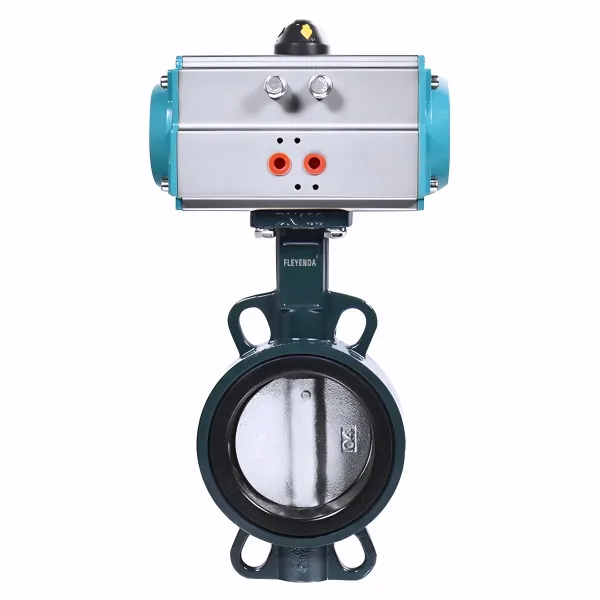
FAT-D-CEW Pneumatic Cast Iron Wafer EPDM Butterfly Valve
The Pneumatic Cast Iron Wafer EPDM Butterfly Valve features a corrosion-resistant EPDM liner and high-torque pneumatic actuator, providing precise shut-off, stable flow control, and minimal leakage in water, air, and chemical systems, proven by API 598 and EN 12266-1 testing for durability and sealing reliability.
| Faixa de tamanhos | DN50 – DN600 (2″ – 24″) |
| Faixa de pressão de trabalho: | PN10 / PN16 (150 PSI) |
| Faixa de temperatura de operação: | -10 °C a +120 °C |
| Material do corpo: | Ferro fundido |
| Tipo de conexão: | Wafer Type |
| Meio aplicável: | Water, Air, Steam (low pressure), Dilute Acids, Neutral Chemicals |
| Tipo de atuador: | Double-Acting or Spring-Return Pneumatic Actuator |
| Opções de tensão | 24V DC, 110V AC, 220V AC |
| Padrão de projeto | ISO 5211, MSS SP-67 |
| Norma de ensaio | API 598, EN 12266-1 |
| Projeto à prova de fogo | Optional |
| Certificação | CE / RoHS / ISO 9001 / IP65 (atuador) |
| Personalização | Acima estão exemplos de parâmetros padrão. Se você tiver parâmetros e materiais específicos, podemos personalizar todos eles. |
| Série | AT | AW | Linear | Cilindro pneumático | Sanitário |
|---|---|---|---|---|---|
| Corpo da válvula | Válvula de esfera, válvula borboleta, válvula de obturador | Válvula de guilhotina, Válvula Global | Válvula de guilhotina | Válvula borboleta sanitária | |
| Função | Dupla ação, ação simples (FO ou FC com reajuste em caso de falha) | ||||
| Acessórios de controle |
• Válvula solenóide, filtro-regulador-lubrificador (F.R.L.), posicionador, interruptor de fim de curso, volante • A válvula solenóide e o posicionador são do tipo à prova de explosão e com retorno de sinal, à escolha | ||||
| Meio de operação |
Ar limpo e seco ou lubrificado, ou gás inerte. Qualquer gás não corrosivo que seja compatível com as peças internas do atuador e com o lubrificante. A temperatura do ponto de orvalho do meio de operação é de -20 °C, e o tamanho das partículas de impurezas não ultrapassa 30 u. Ao selecionar um posicionador, o tamanho das partículas de impureza não deve ser superior a 5u. | ||||
| Pressão da fonte de ar | 3 bar a 8 bar | ||||
| Temperatura do ambiente de operação |
• Tipo padrão: -20 °C a +80 °C • Tipo para baixas temperaturas: -40 °C a +80 °C • Tipo para altas temperaturas: -20 °C a +160 °C | ||||
| Lubrificação |
Em condições normais de operação, o modelo padrão não requer lubrificante adicional. Para ambientes de baixa ou alta temperatura, são necessários lubrificantes especiais. | ||||
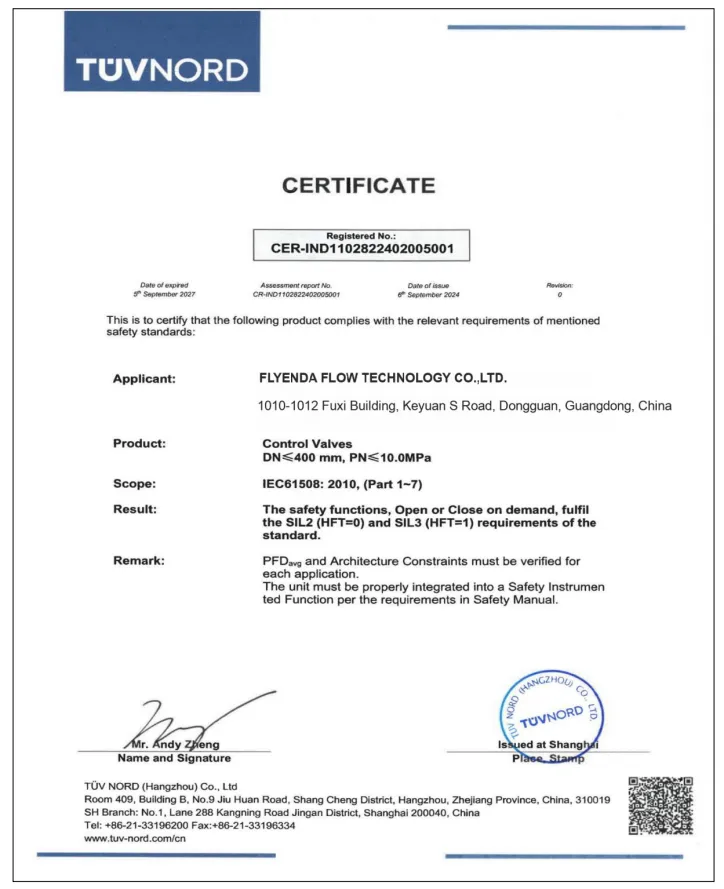
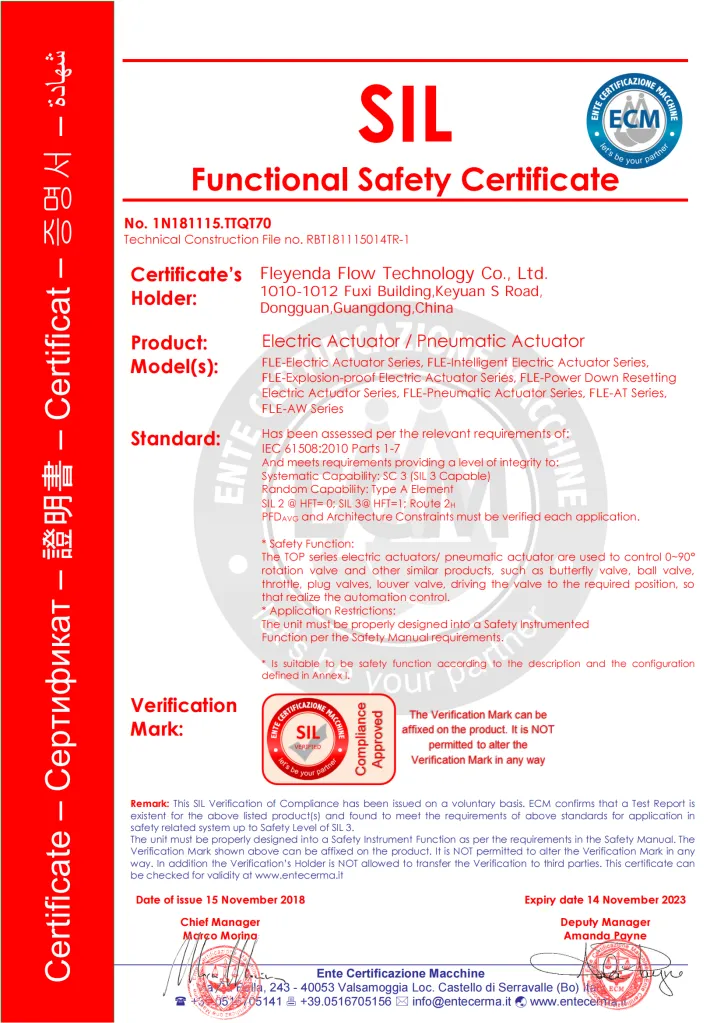
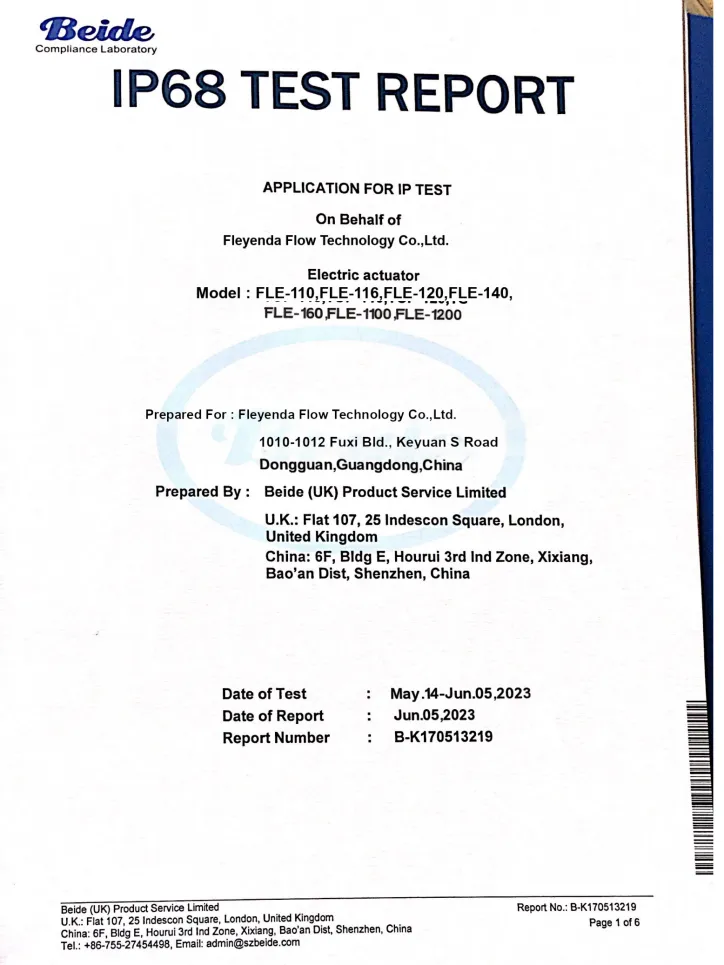
Qualidade certificada para aplicações em válvulas industriais
As válvulas e os atuadores elétricos da Fleyenda são projetados para oferecer desempenho estável, operação confiável e uso industrial de longo prazo. Com suporte de qualidade certificada, são adequados para tratamento de água, processamento químico, automação e sistemas de controle de processos industriais.
Perguntas frequentes que interessam aos usuários do 80%
1. What industries commonly use the Pneumatic Cast Iron Wafer EPDM Butterfly Valve and why?
• The pneumatic wafer butterfly valve is used in HVAC, water treatment, and chemical process pipelines for automated flow control.
• Its EPDM-lined air control valve provides tight sealing for water, steam, and alkaline media.
• The cast iron actuated butterfly valve offers a cost-effective and durable solution for large-diameter systems.
• Compact design and fast pneumatic actuation make it ideal for cooling and compressed air systems.
2. How does the EPDM liner improve performance in a pneumatic butterfly valve?
• The EPDM seat butterfly valve ensures reliable shut-off and resistance to chemical corrosion.
• The rubber-lined air actuated valve maintains flexibility and sealing under frequent cycling.
• EPDM performs well with water and light chemicals in non-oil applications.
• Compared with other liners, it offers better resistance to steam and alkaline media.
3. What maintenance steps help extend the life of a pneumatic wafer valve?
• Maintain proper air supply pressure to prevent actuator malfunction.
• Inspect the EPDM seat and disc for wear or swelling in chemical service.
• Clean pipelines before installation to protect sealing surfaces.
• Lubricate the stem and check fasteners to ensure smooth rotation.
4. How to choose between a pneumatic and an electric actuated butterfly valve?
• The pneumatic cast iron butterfly valve suits rapid cycling and fail-safe applications.
• The electric actuated butterfly valve fits precise flow control where air supply is unavailable.
• Pneumatic types handle harsh environments and fast response needs.
• Electric types integrate easily with digital control systems but cost more.