


Válvula de bola neumática de alta presión de 3 vías FAT-Q-TG
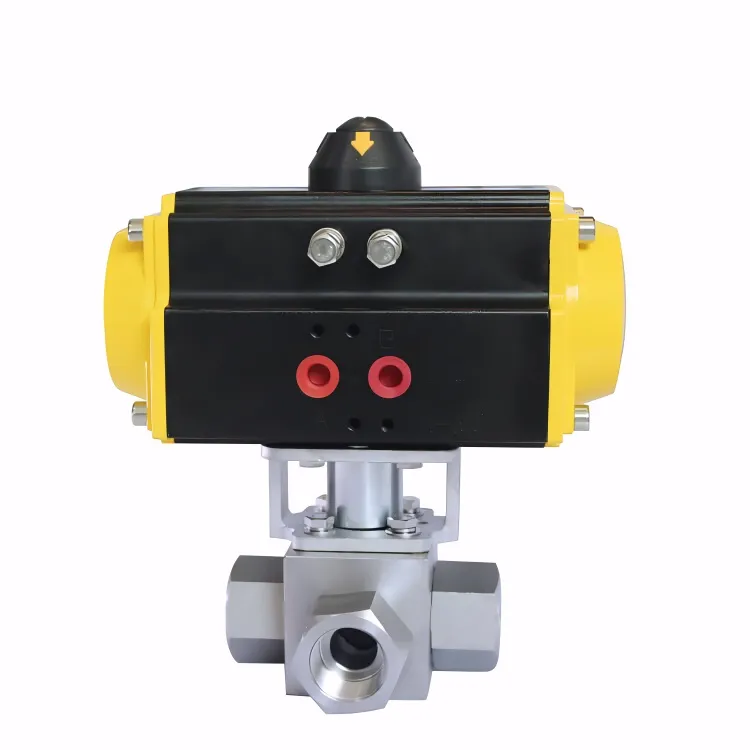
Válvula de bola neumática de alta presión de 3 vías FAT-Q-TG
The Pneumatic High-Pressure 3-Way Ball Valve features a stainless steel body and reinforced seal, ensuring leak-free control up to 1000 PSI; it provides reliable flow diversion or mixing in oil, gas, and chemical systems, reducing maintenance costs and downtime—verified by ISO 5211, API 598, and API 607 certifications.
| Gama de tallas | 1/4″–4″ (DN8–DN100) |
| Rango de presión de trabajo: | Hasta 1000 PSI (PN63) |
| Rango de temperatura de funcionamiento: | -20°C to +180°C |
| Material del cuerpo: | Stainless Steel (CF8M/SS316) |
| Tipo de conexión: | Female Thread (BSP/NPT), Flanged, or Welded Ends |
| Medio aplicable: | Water, Oil, Gas, Steam, Corrosive Fluids |
| Tipo de actuador: | Double Acting or Spring Return Pneumatic Actuator |
| Opciones de voltaje | 24V DC, 110V AC, 220V AC |
| Norma de diseño | ISO 5211, DIN 3357, ASME B16.34 |
| Norma de ensayo | API 598, EN 12266-1 |
| Diseño a prueba de incendios | API 607 / ISO 10497 Compliant |
| Certificación | CE / RoHS / ISO 9001 / IP65 (actuador) |
| Personalización | Las siguientes son muestras de parámetros estándar. Si tienes parámetros y materiales específicos, podemos personalizarlos todos. |
| Serie | AT | AW | Lineal | Cilindro neumático | Sanitario |
|---|---|---|---|---|---|
| Cuerpo de válvulas | Válvula de bola, válvula de mariposa, válvula de tapón | Válvula de compuerta, Válvula Global | Válvula de compuerta de cuchilla | Válvula de mariposa sanitaria | |
| Función | De doble efecto, de simple efecto (reposicionamiento automático en caso de falla FO o FC) | ||||
| Accesorios de control |
• Válvula solenoide, filtro-regulador-lubricador (F.R.L.), posicionador, interruptor de límite, volante • La válvula solenoide y el posicionador son de grado a prueba de explosiones y están disponibles en versión con retroalimentación de señal | ||||
| Medio de funcionamiento |
Aire limpio y seco, o aire lubricado, o gas inerte. Cualquier gas no corrosivo que sea compatible con las piezas internas del actuador y con el lubricante. La temperatura del punto de rocío del medio de operación es de -20 °C, y el tamaño de las partículas de impurezas no supera los 30u. Al seleccionar un posicionador, el tamaño de las partículas de impurezas no debe ser superior a 5u. | ||||
| Presión del aire de alimentación | De 3 bar a 8 bar | ||||
| Temperatura del entorno operativo |
• Tipo estándar: de -20 °C a +80 °C • Tipo de baja temperatura: de -40 °C a +80 °C • Tipo para altas temperaturas: de -20 °C a +160 °C | ||||
| Lubricación |
En condiciones normales de funcionamiento, el modelo estándar no requiere lubricante adicional. Para entornos de baja o alta temperatura, se requieren lubricantes especiales. | ||||
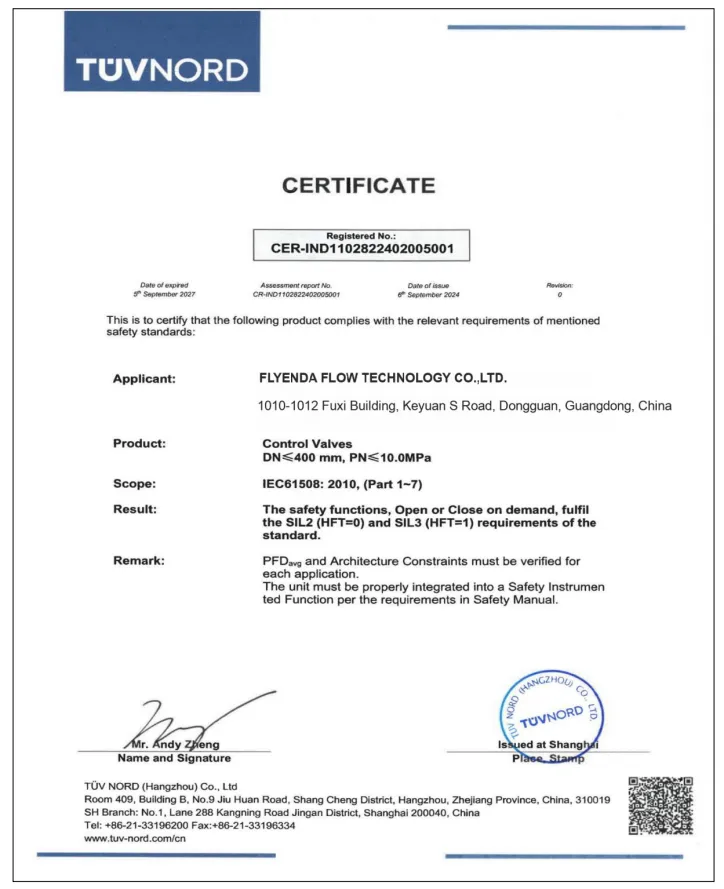
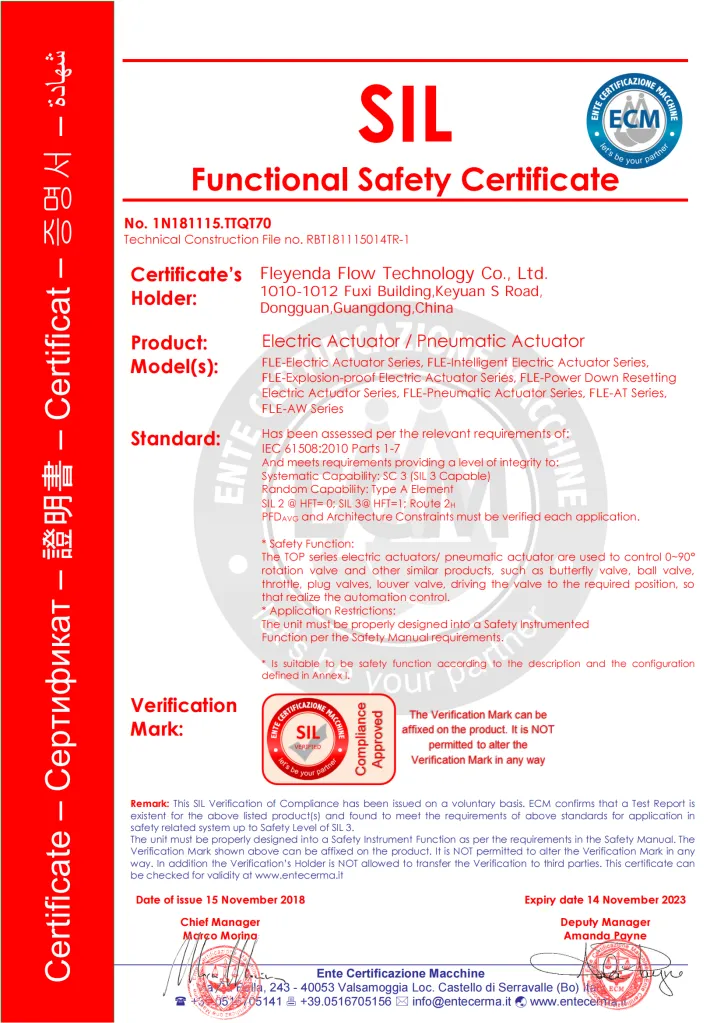
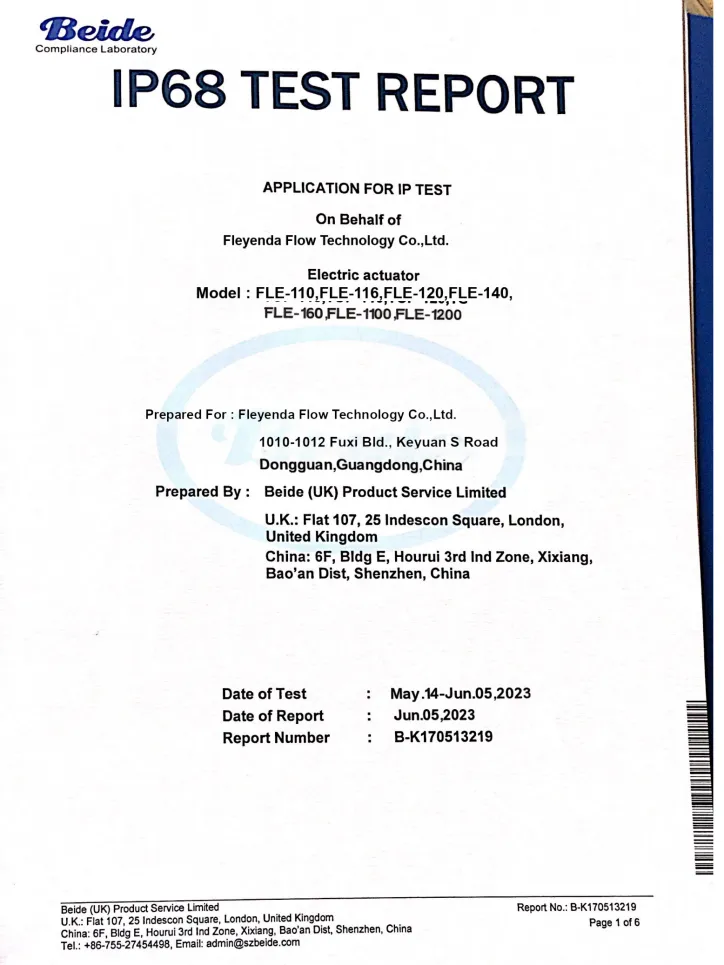
Calidad certificada para aplicaciones de válvulas industriales
Las válvulas y los actuadores eléctricos de Fleyenda están diseñados para ofrecer un rendimiento estable, un funcionamiento confiable y un uso industrial a largo plazo. Con un respaldo de calidad certificada, son adecuados para el tratamiento de agua, el procesamiento químico, la automatización y los sistemas de control de procesos industriales.
Preguntas frecuentes que interesan a los usuarios del 80%
1.What makes the Pneumatic High-Pressure 3-Way Ball Valve suitable for high-duty fluid systems?
• Designed for ultra-high operating pressures up to 5800 PSI, ensuring reliable sealing under extreme conditions.
• The 3-port configuration supports both mixing and diverting functions, reducing valve quantity in complex pipelines.
• Built with 304/316 stainless steel and PTFE/PFA seats for corrosion resistance in aggressive media.
• Compatible mounting interface allows quick pneumatic actuator installation and long cycle life.
2.How should I select the correct size and flow pattern (L-port vs T-port)?
• Use an L-port for diverting flow between two outlets or alternating inlets.
• Choose a T-port when mixing two sources or splitting one source into two destinations.
• Match valve diameter and flow coefficient to system pressure drop to avoid cavitation or loss of capacity.
• Select the connection type (threaded, flanged, welded) that fits existing pipeline standards.
3.What are common issues with a high-pressure 3-way valve and how to avoid them?
• Seat leakage occurs when using improper sealing materials or overpressure operation.
• Insufficient actuator air pressure can cause incomplete switching and partial flow.
• Wrong port orientation may lead to system imbalance or reverse flow.
• Impurities in the medium can damage the ball and seat; install filters before the valve.
4.How can I integrate this valve into an automated control system?
• The pneumatic actuator offers fast response and stable control for frequent switching.
• Add limit switches or feedback modules for remote status monitoring and system safety.
• Configure the control logic for mixing or diverting functions to prevent pressure shocks.
• Choose actuator components rated for air supply, temperature, and environmental conditions.