


FLE-Q-PD Electric 3-Way UPVC Ball Valve
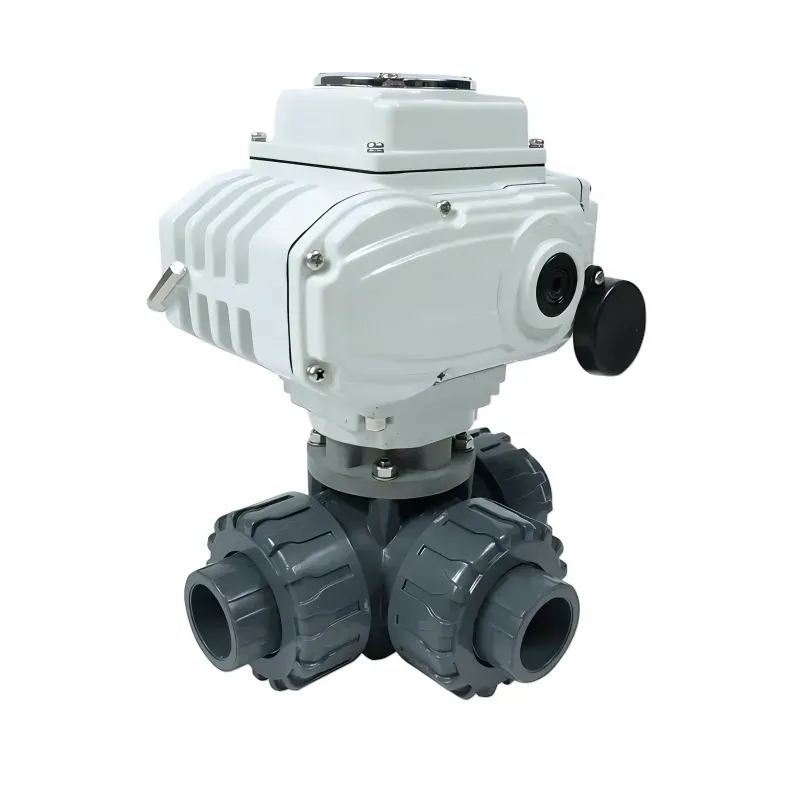
FLE-Q-PD Electric 3-Way UPVC Ball Valve
The Electric 3-Way UPVC Ball Valve combines a corrosion-resistant UPVC body and electric actuator for precise L- or T-port flow control, ensuring reliable chemical compatibility, leak-free operation, and long service life verified by CE, RoHS, and ISO9001 certifications.
| Size Range | DN15 – DN100 (1/2″ – 4″) |
| Working Pressure Range: | PN10 (≤1.0 MPa / 145 PSI) |
| Working Temperature Range: | 0°C to 60°C (32°F to 140°F) |
| Body Material: | UPVC |
| Connection Type: | Union Socket or Female Thread |
| Applicable Medium: | Water, Acid, Alkali, Salt Solution, Weak Chemical Liquids |
| Actuator Type: | Electric Quarter-Turn Actuator |
| Voltage Options | AC220V, AC110V, DC24V, DC12V |
| Design Standard | ISO 5211, DIN, JIS, ANSI |
| Testing Standard | ISO 9393, GB/T 17241.6, EN 12266-1 |
| Fire-Safe Design | Not Applicable |
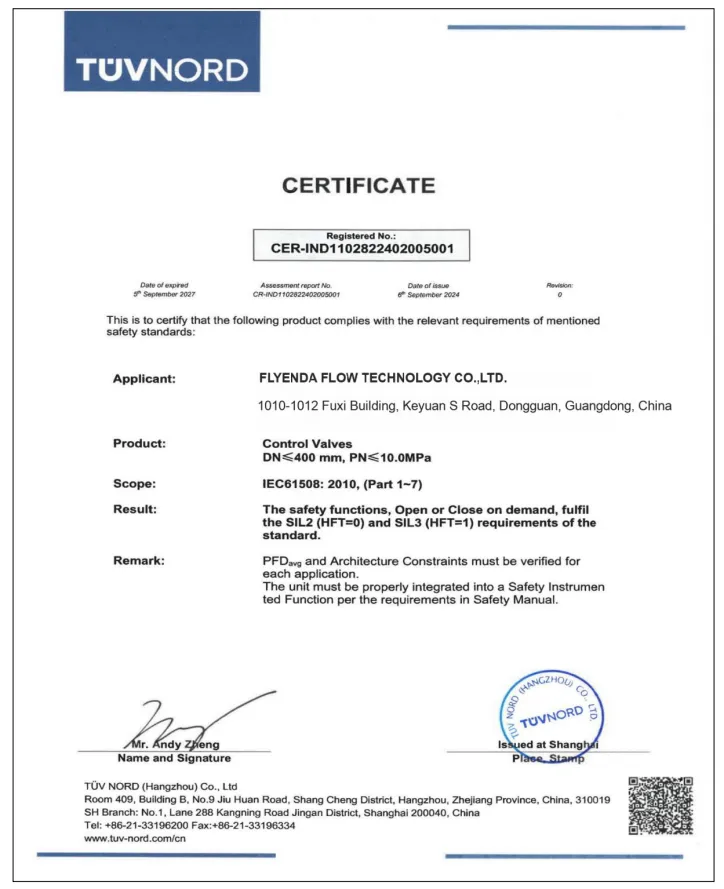
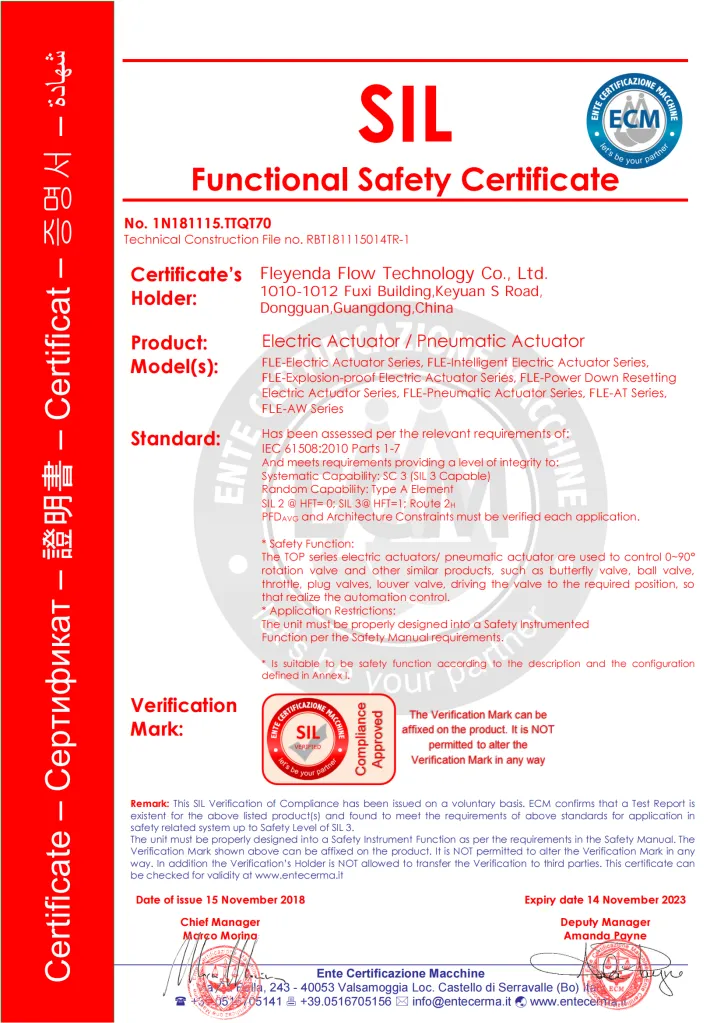
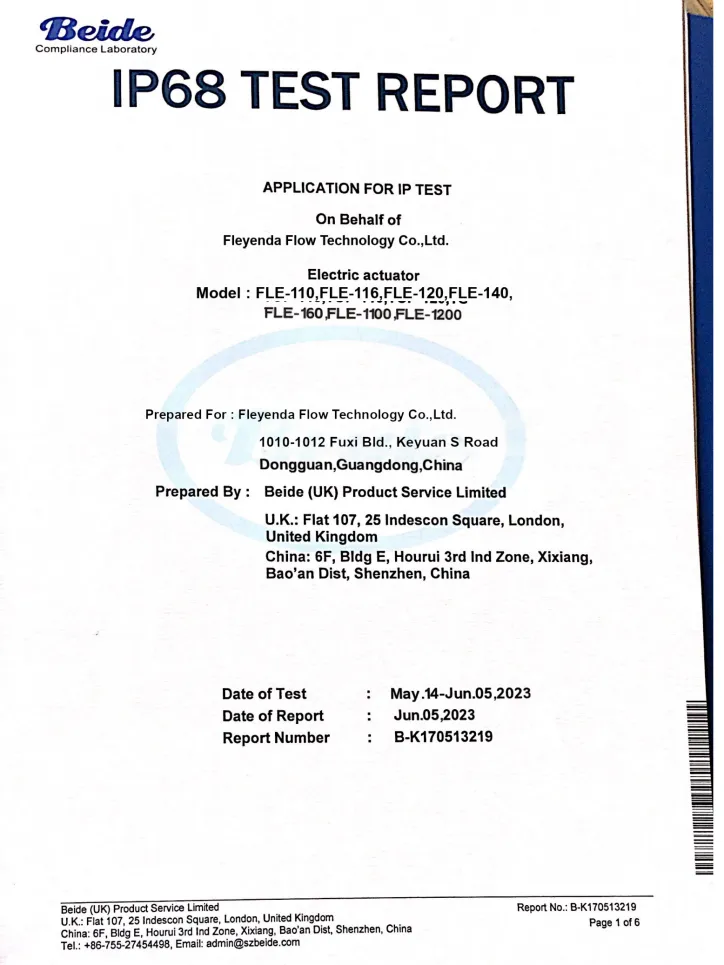
| Certification | CE / ROHS / ISO / SIL / TUV /IP68 Waterproof |
| Customization | Above Are Standard Parameter Samples. If You Have Specific Parameters And Materials, We Can Customize Them All. |
| Actuator Model | Standard Time/Torque | Optional Time/Torque | Rotation Angle Range | Actuator Weight | Power Supply | Optional Control Circuit |
|---|---|---|---|---|---|---|
| FLE-105 | 25S/50Nm | 4S/20Nm 10S/30Nm | 0-90° Adjustable | 2.2kg |
DC24V AC24V AC110V AC220V AC380V |
A type B type C type D type E type F type |
| FLE-110 | 25S/100Nm | 15S/50Nm | 5.1kg | |||
| FLE-116 | 25S/160Nm | 15S/80Nm | 5.1kg | |||
| FLE-120 | 25S/200Nm | 15S/100Nm | 7.5kg | |||
| FLE-140 | 25S/400Nm | 15S/200Nm | 7.5kg | |||
| FLE-160 | 25S/600Nm | 15S/300Nm | 8.1kg | |||
| FLE-1100 | 50S/1000Nm | 25S/500Nm | 12.7kg | |||
| FLE-1200 | 50S/2000Nm | 25S/1000Nm | 12.7kg | |||
| Type | ON/OFF, Regulating, Intelligent | |||||
| Insulation Resistance | 100MΩ/500VDC | |||||
| Dielectric Strength | 1500V AC 1min. | |||||
| Level of Protection | IP67 (IP68 optional) | |||||
| Installed Location | 360° Installation at any Angle | |||||
| Electrical Interface | 2-G1/2 Metal Fitting, the corresponding metal cable joints should be installed according to the selected cables | |||||
| Ambient temperature | -20°C to +60°C | |||||
| Optional Explosion Proof | Ex d II BT4 / CT4 / CT6 Gb | |||||
| Power-loss reset (fail-safe) function | Fail-open, Fail-closed or No-reset (factory-selectable) | |||||
| Optional functions | Overtorque protection, dehumidification heater, passive contact switch, operating handwheel | |||||
Certified Quality for Industrial Valve Applications
Fleyenda valves and electric actuators are built for stable performance, reliable operation, and long-term industrial use. With certified quality support, they are suitable for water treatment, chemical processing, automation, and industrial process control systems.
FAQs That 80% Users Interest
1. What’s the difference between an L-port and T-port in an Electric 3-Way UPVC Ball Valve and how do I know which one to choose?
• The Electric 3-Way UPVC Ball Valve offers L-port for flow diversion and T-port for flow mixing or distribution.
• Choose an L-port when directing one inlet to two outlets; use a T-port for blending or splitting flow.
• T-port types are preferred in chemical and water systems for smoother flow control.
• Confirm actuator position settings before installation to ensure correct flow direction.
2. How can I install an Electric 3-Way UPVC Ball Valve to prevent leaks and electrical issues?
• Flush pipelines to remove debris and protect the UPVC seats from damage.
• Verify actuator voltage compatibility and secure wiring according to IP67/IP68 protection.
• Hand-tighten unions before applying torque to avoid cracking the valve body.
• Perform pressure and insulation tests to ensure sealing and electrical reliability.
3. Why is the Electric 3-Way UPVC Ball Valve popular in water treatment and chemical dosing systems?
• UPVC body resists acids, alkalis, and saltwater, ensuring long-term chemical compatibility.
• Electric actuation enables automatic flow switching without manual operation.
• Lightweight and corrosion-proof design reduces installation effort and maintenance.
• Proven to offer longer service life and lower failure rates in chemical environments.
4. What should I do if my Electric 3-Way UPVC Ball Valve stops switching or shows actuator errors?
• Disconnect power and check wiring and overload protection.
• Inspect limit switches and confirm alignment with the valve stem.
• Clean internal debris that may jam the UPVC ball or seals.
• Lubricate O-rings and seats regularly to restore smooth operation.