


Industrial Valves Guide
Industrial valves are essential components used to start, stop, regulate, redirect or prevent the reverse flow of liquids, gases, steam and slurries in industrial piping systems. From oil and gas pipelines to chemical plants, power stations, water treatment facilities and manufacturing systems, the correct valve has a direct influence on process safety, flow efficiency, equipment reliability and maintenance cost.
Selecting an industrial valve is more complex than matching the nominal pipe size. Valve type, body material, pressure rating, temperature, process medium, flow characteristics, seat design, actuation and maintenance requirements must all be evaluated together.
This industrial valves guide explains the most common industrial valve types, how they work, where they are used, how different designs compare and what engineers and procurement teams should consider before ordering valves for a new project or replacement application.
The fastest way to begin industrial valve selection is to define the required function. If the application requires simple isolation, a ball valve or gate valve may be suitable. If flow must be regulated, a globe valve, butterfly control valve or characterized ball valve may be more appropriate. If reverse flow must be prevented, the system requires a correctly selected check valve.
Industrial Valves Product Range
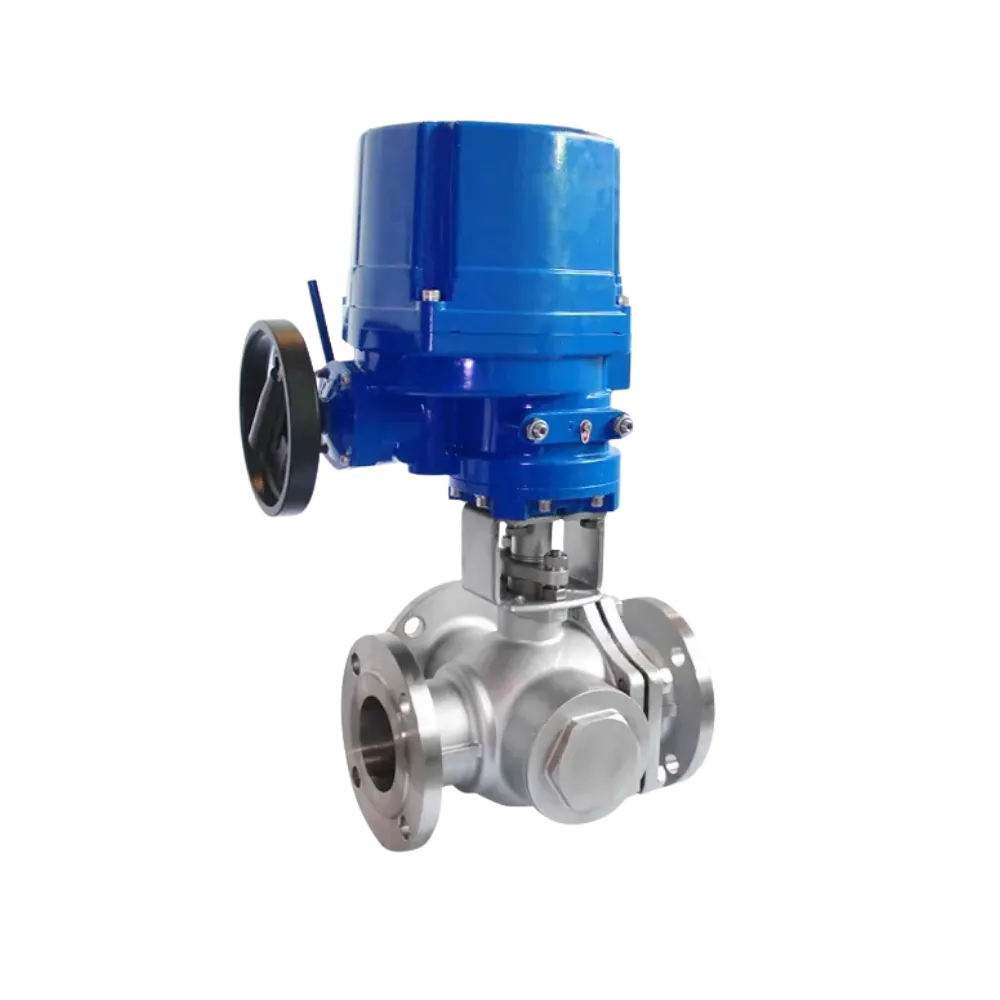
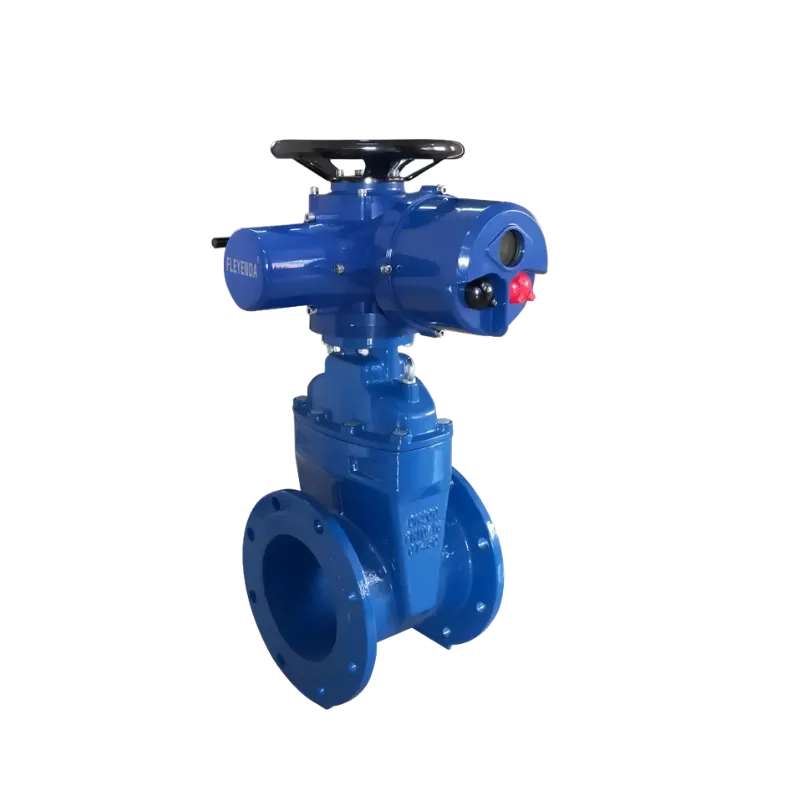
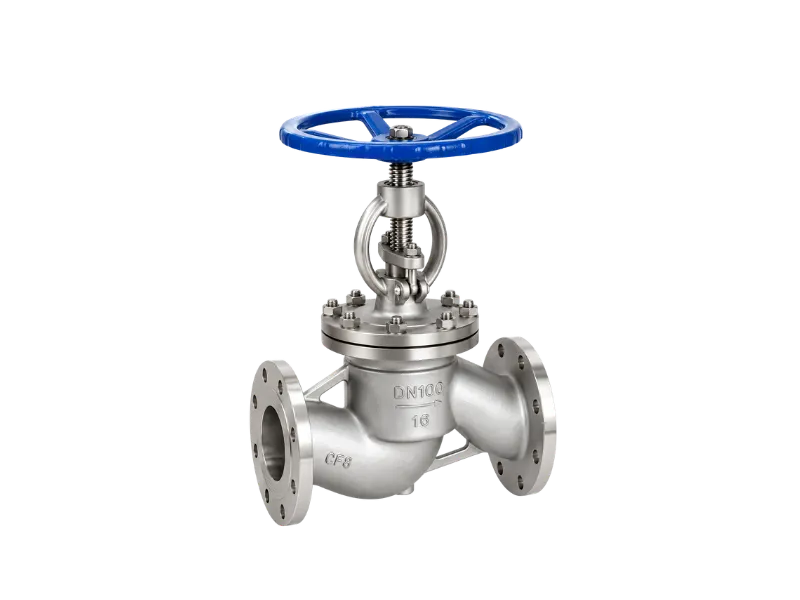
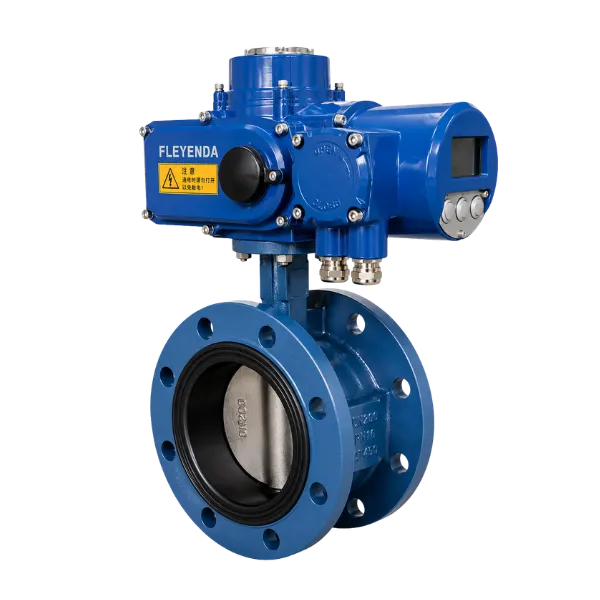
Industrial piping systems normally use several types of industrial valves to provide isolation, flow regulation and equipment protection. The following product categories represent the most common valve designs used in oil and gas, chemical processing, water treatment, power generation, marine systems and general industrial applications.
What Are Industrial Valves?
Industrial valves are mechanical devices installed in piping and process equipment to control fluid movement. Depending on the valve design, they can completely isolate flow, regulate the flow rate, redirect a process stream, prevent reverse flow or support the safe operation of connected equipment.
Although industrial valves all perform some form of fluid control, their internal mechanisms are very different. A ball valve rotates a spherical closure element, a gate valve raises or lowers a gate, a globe valve moves a disc or plug toward a stationary seat, and a butterfly valve rotates a circular disc within the pipeline.
These mechanical differences directly affect pressure drop, shutoff capability, throttling performance, operating torque, speed of operation and maintenance requirements. This is why valve selection should begin with the required process function rather than only with nominal pipe size.
Main Types of Industrial Valves
Ball Valves
Ball valves are among the most common industrial valves used for reliable on-off isolation. Their closure element is a spherical ball containing a circular bore. Rotating the ball approximately 90 degrees aligns the bore with the pipeline or turns the solid surface across the flow passage.
Full-port ball valves provide a relatively straight internal flow path when fully open. This produces low pressure loss and makes them suitable for systems where minimizing flow resistance is important.
Soft-seated ball valves can provide very tight shutoff in compatible applications. Metal-seated ball valves are used where elevated temperature, abrasive particles or severe operating conditions make polymer seats unsuitable.
Industrial ball valve designs include floating ball valves, trunnion-mounted ball valves, top-entry ball valves and side-entry ball valves. Depending on size and service conditions, they may use threaded, socket-weld, butt-weld or flanged end connections.
Common applications include oil and gas pipelines, chemical plants, fuel systems, process water, compressed air, tank isolation and automated shutdown service.
Gate Valves
Gate valves use a wedge, slab or parallel gate that moves vertically into or out of the flow path. When fully open, the gate is largely removed from the main pipeline opening.
This provides relatively low flow resistance and makes gate valves suitable for piping systems that operate for long periods with the valve completely open.
Gate valves are primarily designed for isolation rather than continuous throttling. Leaving a gate valve partially open can expose the gate and seating surfaces to high velocity, vibration and erosion.
Common designs include wedge gate valves, slab gate valves, expanding gate valves and parallel slide gate valves. High-pressure power and steam systems may use pressure-seal gate valves.
Globe Valves
Globe valves use a linear-moving disc or plug that moves toward or away from a stationary seat. The movement changes the effective flow area through the valve.
Because the internal passage changes fluid direction, globe valves normally create more pressure loss than fully open gate or ball valves. This controlled resistance, however, makes globe valves particularly useful for throttling and process regulation.
T-pattern, Y-pattern and angle-pattern bodies are available. Control versions may use specially designed plugs, cages and actuators to provide stable flow characteristics.
Globe valves are widely used in steam systems, boiler applications, bypass piping, pressure-control systems and automatic process control.
Válvulas de mariposa
Butterfly valves contain a circular disc mounted on a rotating shaft. Turning the shaft through approximately 90 degrees changes the disc position from open to closed.
Their compact construction and relatively low weight make butterfly valves particularly economical for medium- and large-diameter pipelines.
Concentric resilient-seated butterfly valves are common in water, HVAC and utility systems. Double-offset high-performance butterfly valves provide improved performance under more demanding pressure and temperature conditions.
Triple-offset butterfly valves use a more advanced sealing geometry and are widely selected for high-temperature, high-pressure and metal-seated industrial service.
Butterfly valves may also be used for throttling when the disc design, actuator and normal operating range are properly selected.
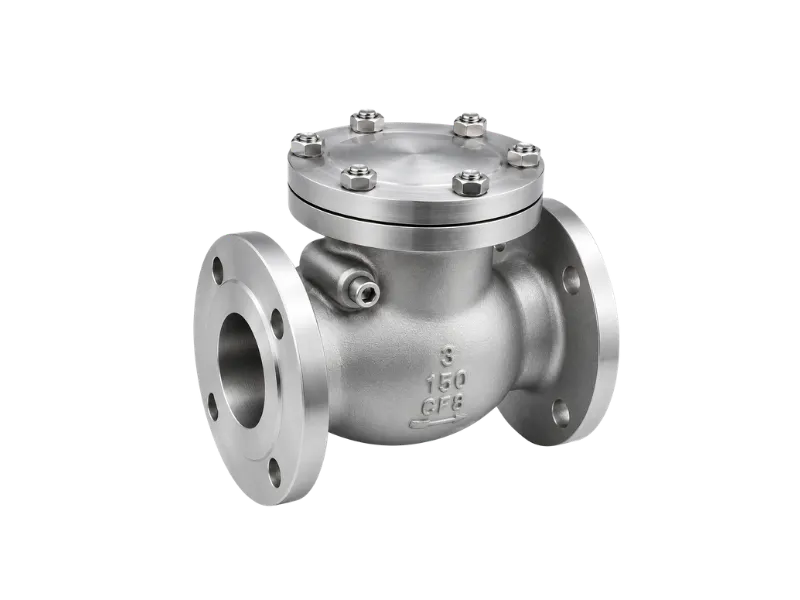
Check Valves
Check valves prevent reverse flow automatically. They open when sufficient forward differential pressure exists and close when forward flow decreases or begins to reverse.
They are commonly installed downstream of pumps and compressors and in process systems where reverse flow could damage equipment or disturb normal operation.
Swing check valves use a hinged disc, while lift and piston check valves move linearly. Dual-plate and axial check valves generally have shorter closure travel and can respond more quickly to changing flow conditions.
Check valve sizing should consider actual flow velocity and dynamic system behavior. An oversized check valve may operate with unstable disc movement, leading to noise, wear and poor closing response.
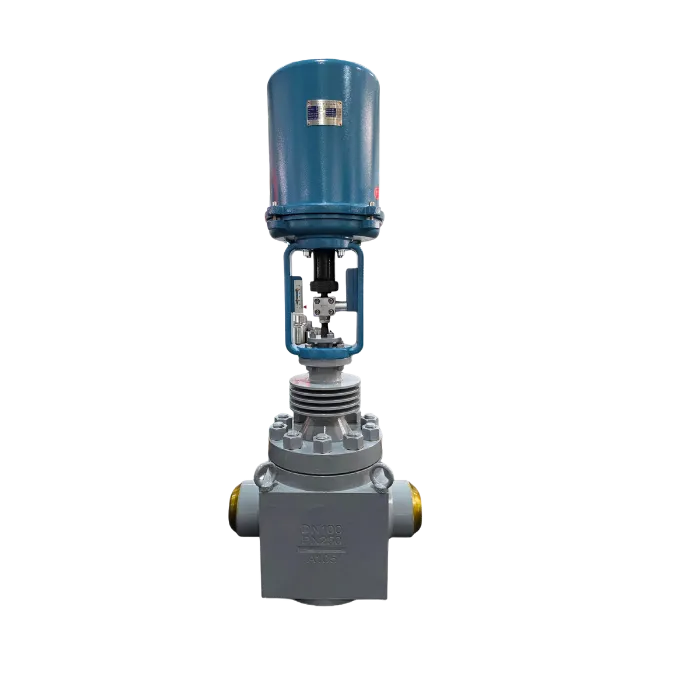
Control Valves
Industrial control valves automatically adjust their opening according to commands from a process control system.
They regulate variables such as flow rate, pipeline pressure, process temperature and tank level. The actuator may be pneumatic, electric or hydraulic.
Common control valve designs include globe control valves, V-port ball valves, segmented ball valves and butterfly control valves.
Control valves should be sized from actual minimum, normal and maximum process conditions rather than simply matching the nominal pipe diameter.
Plug Valves
Plug valves use a cylindrical or tapered plug containing an internal passage. Rotating the plug aligns the passage with the pipeline or blocks the flow.
These valves are used for isolation, diversion and selected dirty-fluid applications. Lubricated plug valves are common in oil and gas systems, while lined and sleeved designs may be used for chemical service.
Diaphragm Valves
Diaphragm valves use a flexible diaphragm that separates the process fluid from the valve stem and operating mechanism.
This construction is useful for corrosive, high-purity, sanitary and dirty-fluid applications where keeping the operating components away from the process fluid is beneficial.
Typical applications include water treatment, chemical dosing, pharmaceutical production and selected food-processing systems.
Industrial Valve Type Comparison
| Tipo de válvula | Función principal | Flow Resistance | Aplicaciones típicas |
|---|---|---|---|
| Válvula de bola | Isolation and automated shutoff | Low with full-port design | Oil, gas, chemicals, water and utilities |
| Válvula de compuerta | Full-open or full-closed isolation | Bajo cuando está completamente abierto | Pipelines, steam, oil and process service |
| Válvula de bola | Throttling and isolation | Más alto | Steam, bypass, pressure and flow control |
| Válvula de mariposa | Isolation and flow regulation | Bajo a moderado | Water, HVAC, cooling and large pipelines |
| Válvula de retención | Prevención del reflujo | Depende del diseño | Pump discharge and pipeline protection |
| Válvula de control | Automatic process regulation | Controlled pressure drop | Process, steam, chemical and utility control |
| Plug Valve | Aislamiento y desviación | Bajo a moderado | Oil, gas, chemical and dirty fluids |
| Válvula de diafragma | Isolation and selected regulation | Moderado | Chemical, sanitary and corrosive fluids |
Industrial Valve Materials
Material selection has a major influence on industrial valve corrosion resistance, mechanical strength, pressure capability, temperature capability and expected service life.
The body must be compatible with the process medium, but the internal trim, seats, packing and body seals are equally important.
Carbon Steel Valves
Carbon steel is widely used for industrial valves in oil and gas, petrochemical, steam and general process systems.
It provides strong mechanical performance and is readily available across many valve sizes and pressure classes. Internal corrosion must still be evaluated where water, acidic compounds or aggressive chemicals are present.
Stainless Steel Valves
Stainless steel industrial valves are commonly selected where improved corrosion resistance or cleaner process contact surfaces are required.
Cast stainless steel grades such as CF8 and CF8M are widely used for valve bodies. Stainless steel balls, stems and trim components are also commonly used.
Duplex Stainless Steel Valves
Duplex stainless steel combines high mechanical strength with improved resistance to several forms of chloride-related corrosion compared with conventional austenitic stainless steels.
Duplex industrial valves are commonly considered for offshore facilities, desalination plants, seawater systems and chemical applications.
Alloy Steel Valves
Alloy steel valves are commonly used in high-pressure and elevated-temperature steam, refinery and power generation systems.
The correct alloy grade depends on design pressure, temperature and long-term material strength requirements.
Special Alloy Valves
Highly corrosive industrial processes may require nickel alloys, titanium or other specialized materials.
Selection should be based on detailed fluid chemistry, concentration, pressure and temperature rather than a general corrosion-resistance description.
Material Selection Tip
Do not evaluate only the valve body material. The ball, disc, stem, seat, packing, gasket, fasteners and coatings must also be compatible with the process medium and operating temperature.
Soft-Seated vs Metal-Seated Industrial Valves
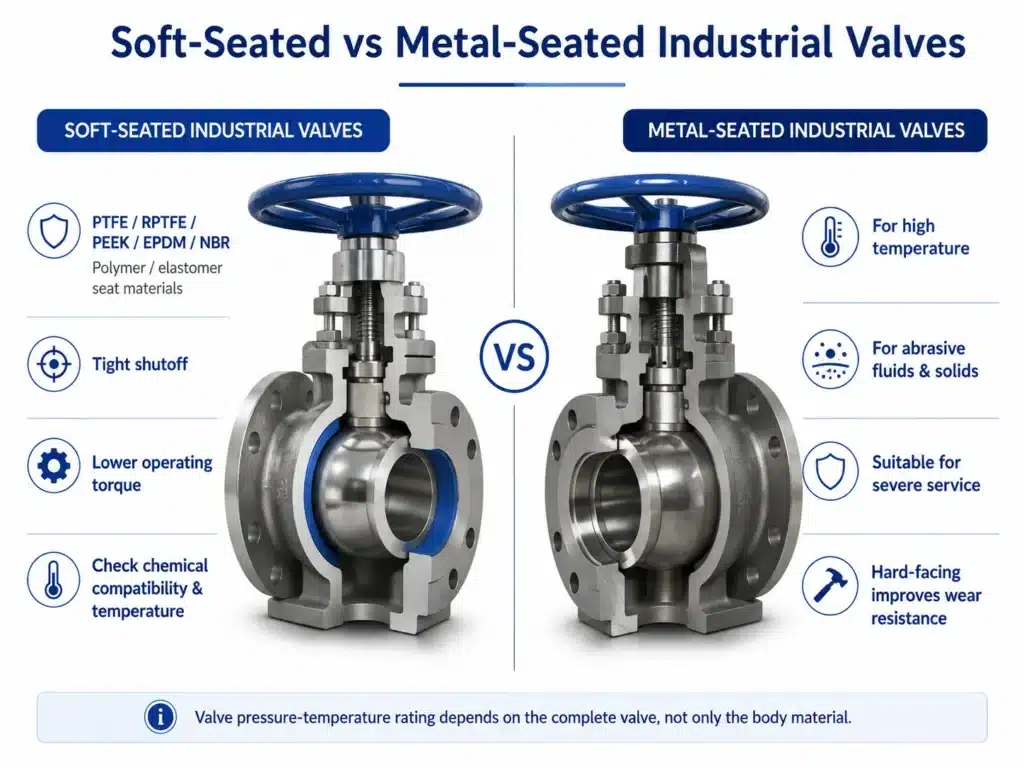
Soft-seated industrial valves use polymer or elastomer sealing materials such as PTFE, reinforced PTFE, PEEK, EPDM or NBR.
These materials can provide very good shutoff performance with relatively low operating torque. Their suitability depends on chemical compatibility, pressure and temperature.
A metal valve body may be able to tolerate a much higher temperature than the installed polymer seat. The complete valve pressure-temperature rating must therefore be checked.
Metal-seated industrial valves are commonly selected for high temperatures, abrasive fluids, suspended solids and severe operating conditions.
Hard-facing and specialized coatings can be used to increase resistance to erosion and wear.
Manual and Actuated Industrial Valves
Industrial valves can be operated manually or automatically depending on valve size, process requirements, operating frequency and installation location.
Manual Industrial Valves
Manual valves use levers, handwheels or gear operators. They are suitable for accessible locations where valve movement is relatively infrequent.
Pneumatic Actuated Valves
Pneumatic actuators use compressed air and are widely installed in chemical, petrochemical and general process plants.
Spring-return pneumatic actuators can move a valve to a defined fail-open or fail-closed position if air pressure is lost.
Electric Actuated Valves
Electric actuators use an electric motor and gearbox to operate the valve. They are common in water treatment, remote pipelines, utility systems and facilities without instrument air.
Electric actuators can also provide position feedback, local control and modulating operation where required.
Hydraulic Actuated Valves
Hydraulic actuators can provide high torque or thrust and are used on large pipeline valves and specialized emergency shutdown systems.
Industrial Valve Applications
Petróleo y gas
Oil and gas facilities use industrial ball valves, gate valves, check valves and control valves throughout production, processing, transportation, storage and terminal systems.
Pipeline valves may require full-bore construction, fire-safe design, anti-static protection, emergency sealing features and remote actuation.
Chemical and Petrochemical Processing
Chemical plants handle corrosive liquids, solvents, gases and high-temperature fluids. Stainless steel, lined valve construction and special alloys are frequently required.
Material compatibility, external leakage, seat design and actuator fail position should be carefully evaluated.
Tratamiento de agua y aguas residuales
Water treatment systems use butterfly valves, gate valves, ball valves, check valves and control valves for pumping, filtration, chemical dosing and distribution.
Butterfly valves are particularly common in large-diameter water pipelines because of their compact body and relatively low weight.
Generación de energía
Power plants use industrial valves in steam, feedwater, cooling water, condensate, fuel and auxiliary systems.
High-pressure and high-temperature service may require pressure-seal gate valves, globe valves and check valves with alloy steel bodies and specialized trim.
Alimentos y bebidas
Stainless steel valves are widely used for water, ingredients, cleaning fluids and product handling in food and beverage facilities.
Hygienic applications may require polished surfaces, sanitary end connections and internal geometries designed for effective cleaning.
Marítimo y en alta mar
Offshore and marine systems require industrial valves that combine reliable shutoff with strong resistance to corrosive external and internal environments.
Stainless steel, duplex stainless steel and protective coatings are frequently considered for these installations.
Mining and Slurry Systems
Mining operations often handle abrasive slurries containing suspended solids. Valve selection must account for erosion, seat wear, solids accumulation and maintenance requirements.
How to Select Industrial Valves
Correct industrial valve selection begins with the required function. Isolation, throttling, automatic regulation and reverse-flow prevention all require different internal valve designs.
The process medium should then be identified in detail. Fluid composition, chemical concentration, corrosiveness, solids content, toxicity and cleanliness requirements can all influence valve material and construction.
Normal and maximum process pressures must be defined together with minimum and maximum temperatures. Startup, shutdown and cleaning conditions should also be evaluated.
Differential pressure is especially important for control valves, check valves and actuator sizing.
After selecting the valve type, engineers should define the body material, trim materials, seat design, end connections, shutoff performance and method of operation.
Lista de verificación para la selección de válvulas industriales
- Required valve function
- Tamaño nominal de tuberías y válvulas
- Pressure rating or pressure class
- Process medium and chemical composition
- Temperatura mínima y máxima
- Normal and maximum operating pressure
- Maximum differential pressure
- Caudal mínimo, normal y máximo
- Materiales de la carrocería y los acabados
- Soft seat or metal seat
- Required shutoff leakage
- Full-port or reduced-port requirement
- Flanged, threaded or welded ends
- Manual, pneumatic, electric or hydraulic operator
- Requisito de apertura en caso de falla, cierre en caso de falla o mantenimiento de la posición en caso de falla
- Fire-safe requirements
- Anti-static requirements
- Requisitos sobre emisiones fugitivas
- Inspection and testing scope
- Material certification and traceability
Industrial Valve Pressure Ratings
Industrial valves are manufactured in different pressure classes and pressure ratings. The correct rating must accommodate the maximum expected pressure at the actual operating temperature.
Valve pressure capability can decrease as temperature increases. Buyers should therefore review the pressure-temperature rating of the complete valve instead of evaluating only its nominal pressure class.
The connected pipeline, flanges and fittings must also have compatible ratings. Installing a higher-class valve does not increase the allowable pressure of lower-rated piping components.
Industrial Valve End Connections
Flanged industrial valves are common because they can be removed from a pipeline for maintenance without cutting the pipe. Flange standard, pressure class and facing must match the piping specification.
Threaded valves are frequently used in smaller utility and process systems. The thread standard should be stated clearly because NPT, BSP and other thread types are not interchangeable.
Socket-weld valves are commonly used in smaller high-integrity process lines, while butt-weld industrial valves create a permanent welded pressure boundary suitable for critical pipeline and high-pressure service.
What Industrial Valve Buyers Should Compare
Industrial valve quotations should first be compared for technical compliance rather than price. Two valves with the same nominal size and type may have very different body materials, seats, trim, internal construction and testing scope.
Confirm that each supplier has quoted the same pressure class, material specifications, seat design, end connection and shutoff requirement.
Automated valve quotations should include actuator torque or thrust calculations. The actuator must be capable of operating the valve under the maximum specified process differential pressure.
Pneumatic actuator sizing should use the minimum available air pressure. Electric actuator selection should consider power supply, torque, duty cycle and operating time.
Buyers should also compare accessories, testing, documentation, spare parts and factory assembly because these items may create significant additional project cost.
Procurement Tip
When ordering automated industrial valves, purchasing the valve, actuator, mounting kit and control accessories as one factory-assembled and tested package generally provides clearer responsibility for sizing, compatibility and warranty.
Industrial Valve Testing and Quality Control
Industrial valve quality depends on material control, casting or forging quality, machining, assembly and final testing.
Pressure-containing valve bodies are normally subjected to shell pressure testing. Seat leakage testing verifies the ability of the valve to isolate the flow.
Depending on project requirements, additional inspection can include dimensional inspection, material analysis, positive material identification and nondestructive examination.
Automated valves should be functionally tested before shipment. The supplier should verify actuator travel, position indication, limit switches, operating time and required fail action.
If material traceability is required, certificates and heat-number identification should be specified before manufacturing begins.
Mantenimiento de válvulas industriales
Maintenance requirements vary according to valve design, fluid conditions and operating frequency.
Operators should monitor external leakage, increasing operating torque, unusual vibration, actuator alarms and deterioration in seat shutoff.
A valve that becomes unusually difficult to operate should be inspected rather than forced. Excessive operating force can damage stems, seats, gearboxes and actuators.
Replacement seats, packing and seals should correspond to the exact valve model. Similar-looking components are not always interchangeable.
Critical industrial valves should have appropriate spare parts available before the first major maintenance period.
Choosing an Industrial Valve Supplier
A reliable industrial valve supplier should be able to recommend a valve based on actual process conditions instead of only nominal pipe size.
Technical quotations should clearly identify valve construction, body and trim materials, pressure rating, seat design, end connection and operator.
Suppliers should also be able to provide drawings, pressure-test reports, material certificates and actuator sizing information where required.
For project procurement, manufacturing capability, quality control, technical documentation, delivery, spare-parts availability and after-sales support should be evaluated alongside unit price.
The lowest-priced valve is not always the lowest-cost solution if incorrect selection leads to leakage, premature wear, actuator replacement or piping modification after installation.
Preguntas frecuentes sobre válvulas industriales
What are industrial valves?
Industrial valves are mechanical devices used to isolate, regulate, redirect or prevent reverse flow of liquids, gases, steam and slurries in industrial piping systems.
What are the main types of industrial valves?
Common industrial valve types include ball valves, gate valves, globe valves, butterfly valves, check valves, control valves, plug valves and diaphragm valves.
¿Qué válvula industrial es la más adecuada para el aislamiento?
Ball valves and gate valves are widely used for isolation. The correct choice depends on process fluid, pressure, temperature, pipe size, pressure loss and shutoff requirements.
Which industrial valve is best for throttling?
Globe valves are widely used for throttling. Properly sized butterfly valves, V-port ball valves and dedicated control valves can also regulate flow effectively.
What is the difference between a ball valve and a gate valve?
A ball valve uses a rotating spherical closure element and normally operates through approximately 90 degrees. A gate valve uses a linear-moving gate and normally requires multiple turns to open or close.
¿Qué materiales se utilizan para fabricar válvulas industriales?
Common materials include cast iron, ductile iron, carbon steel, stainless steel, alloy steel, duplex stainless steel and specialized corrosion-resistant alloys.
Can industrial valves be automated?
Yes. Ball, butterfly, gate, globe and other industrial valves can use pneumatic, electric or hydraulic actuators for automatic and remote operation.
How do I select an industrial valve?
Define the valve function, fluid, pressure, temperature, flow conditions, materials, shutoff requirements, end connection and operating method before choosing the final valve design.
What information should be sent to an industrial valve manufacturer?
Provide valve size, pressure class, process medium, temperature, operating pressure, differential pressure, materials, end connections, seat requirements, actuator requirements and required inspection or testing.
¿Con qué frecuencia se debe realizar el mantenimiento de las válvulas industriales?
Maintenance frequency depends on the valve type, process fluid, pressure, temperature, operating cycles and service criticality. Inspection intervals should be based on manufacturer guidance and actual operating history.
Conclusión
Industrial valves perform essential isolation, regulation and equipment-protection functions throughout oil and gas, chemical processing, water treatment, power generation, food production, marine facilities and general industrial piping systems.
Ball valves provide fast and reliable isolation, gate valves provide low flow resistance in full-open service, globe valves offer controlled throttling, butterfly valves provide compact solutions for large pipelines, and check valves protect pumps and piping against reverse flow.
Reliable industrial valve selection depends on far more than nominal pipe size. Process medium, pressure, temperature, flow conditions, materials, seat design, actuator requirements, leakage performance and maintenance strategy should be evaluated together.
For procurement teams, complete technical specifications make it easier to compare industrial valve manufacturers and reduce the risk of incorrect selection. A properly engineered valve provides safer operation, lower lifecycle cost and more reliable long-term performance.