Links überspringen
Sulfuric Acid Valves | PTFE-Lined & Corrosion-Resistant Valve Solutions | Fleyenda

Sulfuric acid service

Valves for Sulfuric Acid Service

Sulfuric acid valve selection is driven by the actual H2SO4 concentration, temperature, flow velocity, valve duty, contaminants and upset conditions. Fleyenda supports isolation, transfer, circulation, dosing and process-control duties with metallic and fluoropolymer-lined valve constructions selected for the specified service.

ConcentrationDilute, intermediate or concentrated acid
TemperatureNormal operation and maximum upset temperature
Valve dutyIsolation, transfer, throttling, check or control
Wetted constructionMetallic alloy or fluoropolymer-lined design
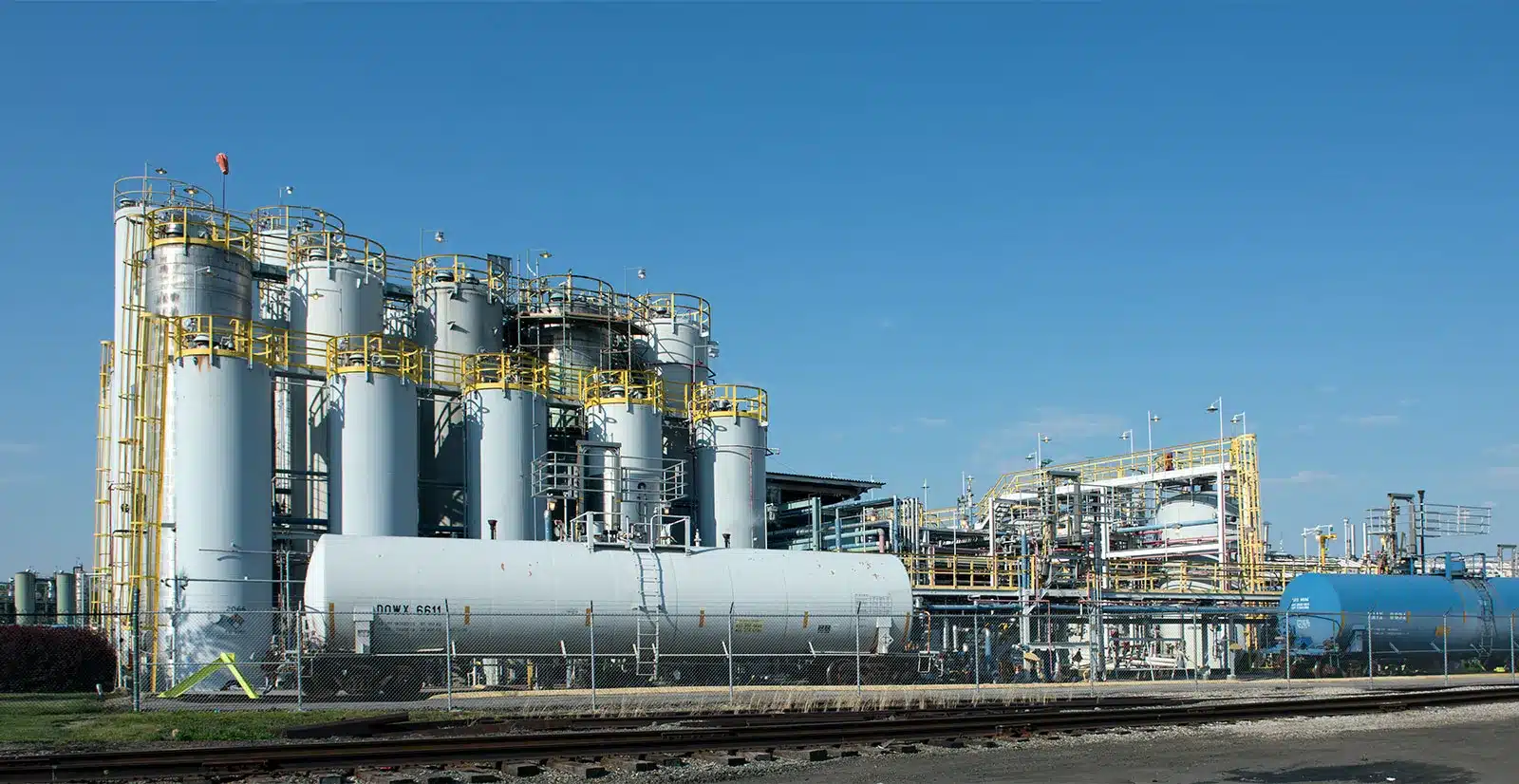
Industrial chemical piping system for sulfuric acid valve service
The same acid can create very different valve conditions.Storage, transfer, throttling and dilution should not be treated as one generic corrosion service.

Start with the real process condition

Sulfuric acid is not one corrosion condition.

A valve that performs acceptably on a cold concentrated-acid storage line may not be suitable on a hot process line, a high-velocity transfer loop or a dilution point. For sulfuric acid, small changes in operating conditions can change the corrosion mechanism and the acceptable wetted materials.

That is why a sulfuric acid valve should be reviewed as a complete wetted system: body or liner, closure element, seats, stem protection, packing, gaskets and any exposed fasteners or springs. The valve mechanism and the material system must be considered together.

H2SO4 concentrationMaterial behavior can change substantially across dilute, intermediate and concentrated acid ranges.
TemperatureHigher temperature often narrows the safe operating window of a material or lining system.
Velocity & turbulenceHigh velocity, throttling and local turbulence can accelerate attack and damage protective surface films.
Water ingress & dilutionMixing water with concentrated acid changes both heat release and corrosion conditions at the valve.
ContaminantsChlorides, oxidizing species, solids and process carryover can change expected material performance.
Pressure / vacuumPressure class, vacuum exposure and cycling affect both metallic and lined valve construction.

Where the valve sits matters

Four common valve duties inside a sulfuric acid system

These duties can exist in the same plant but expose the valve to different combinations of concentration, velocity, pressure, cycling and contamination.

01

Storage & tank isolation

Tank outlet, inlet and recirculation isolation can involve concentrated sulfuric acid at comparatively steady conditions. The valve must still be checked for temperature, static head, nozzle arrangement, drainage and maintenance exposure.

02

Loading, unloading & transfer

A sulfuric acid transfer valve can see higher line velocity, pump discharge pressure, frequent operation and hose or tanker connections. Erosion-corrosion and transient conditions may become more important than in static storage.

03

Dilution, dosing & control

At dosing and dilution points, the acid concentration can change locally and heat can be generated by mixing. Control-valve trim, seats, stems and lining limits require closer review than a simple on/off isolation point.

04

Process acid & spent acid

Process lines can carry contaminants, dissolved metals, solids or reaction products. A valve selected for clean fresh acid should not automatically be assumed suitable for contaminated or spent sulfuric acid.

Valve type by function

Choose the valve mechanism for the duty first.

Ball, butterfly, globe, check and gate valves describe how the valve works. Corrosion resistance comes from the actual wetted construction selected for the sulfuric acid conditions.

Ball valve for sulfuric acid isolation service
Isolation / transfer

Ball Valves

Common for positive shutoff in transfer, loading, unloading and process isolation. For corrosive acid duty, body, ball, seats, stem and seals must be evaluated as one wetted assembly.

View details →
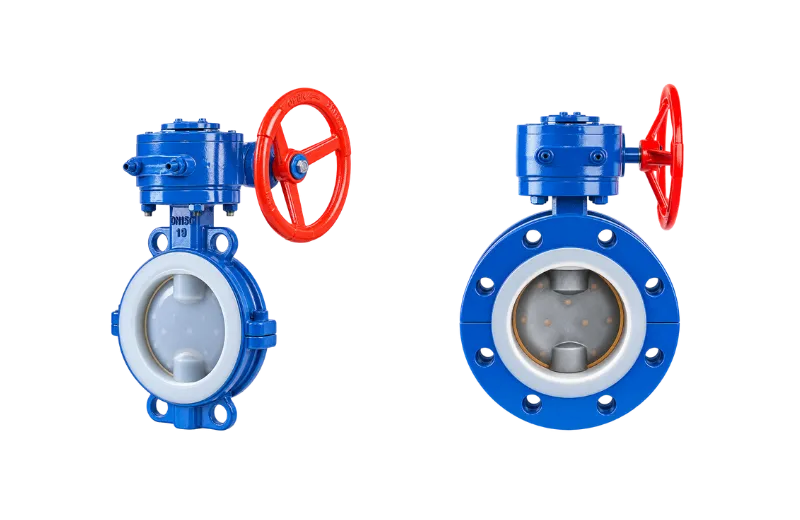
Butterfly valve for sulfuric acid service
Large line isolation

Butterfly Valves

Useful where compact installation, larger sizes and automation are important. PTFE-lined and PFA-lined butterfly valve constructions can be considered for suitable corrosive sulfuric acid duties.

View details →
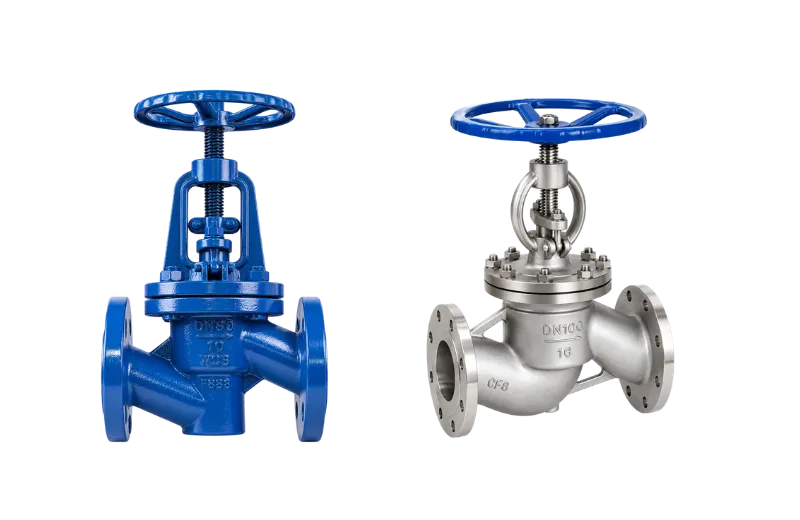
Globe or control valve for sulfuric acid dosing
Throttling / control

Globe & Control Valves

Used where flow regulation is required. High local velocity across the trim makes material and erosion-corrosion review especially important.

View details →
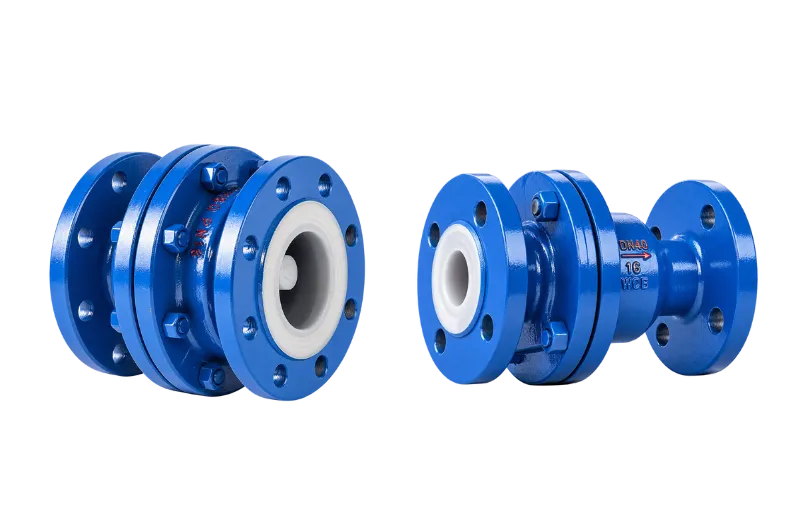
Check valve for sulfuric acid process line
Backflow prevention

Check Valves

Protect pumps and process lines from reverse flow. Internal springs, discs, seats and hinge components must be compatible with the acid service.

View details →
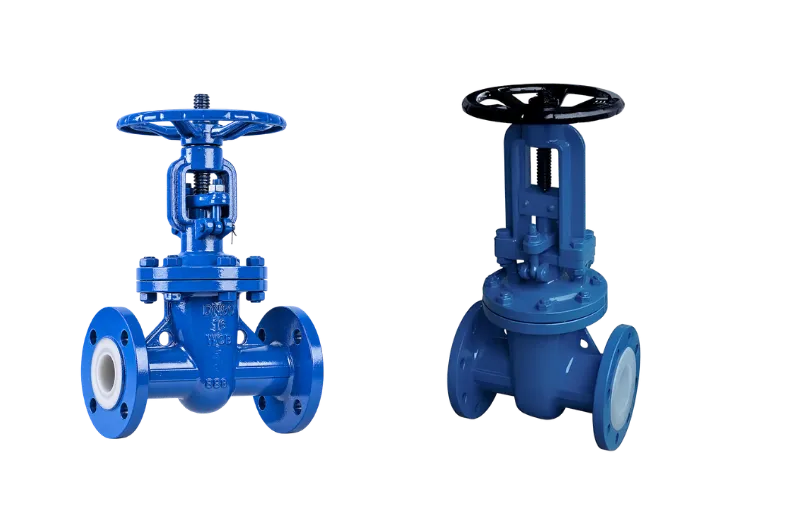
Gate valve for sulfuric acid isolation
Full-bore isolation

Gate Valves

Can be considered for specific isolation duties where full bore and low pressure drop are required, subject to the correct material system and operating practice.

View details →

Fluoropolymer-lined construction

What “PTFE-lined” actually means inside the valve.

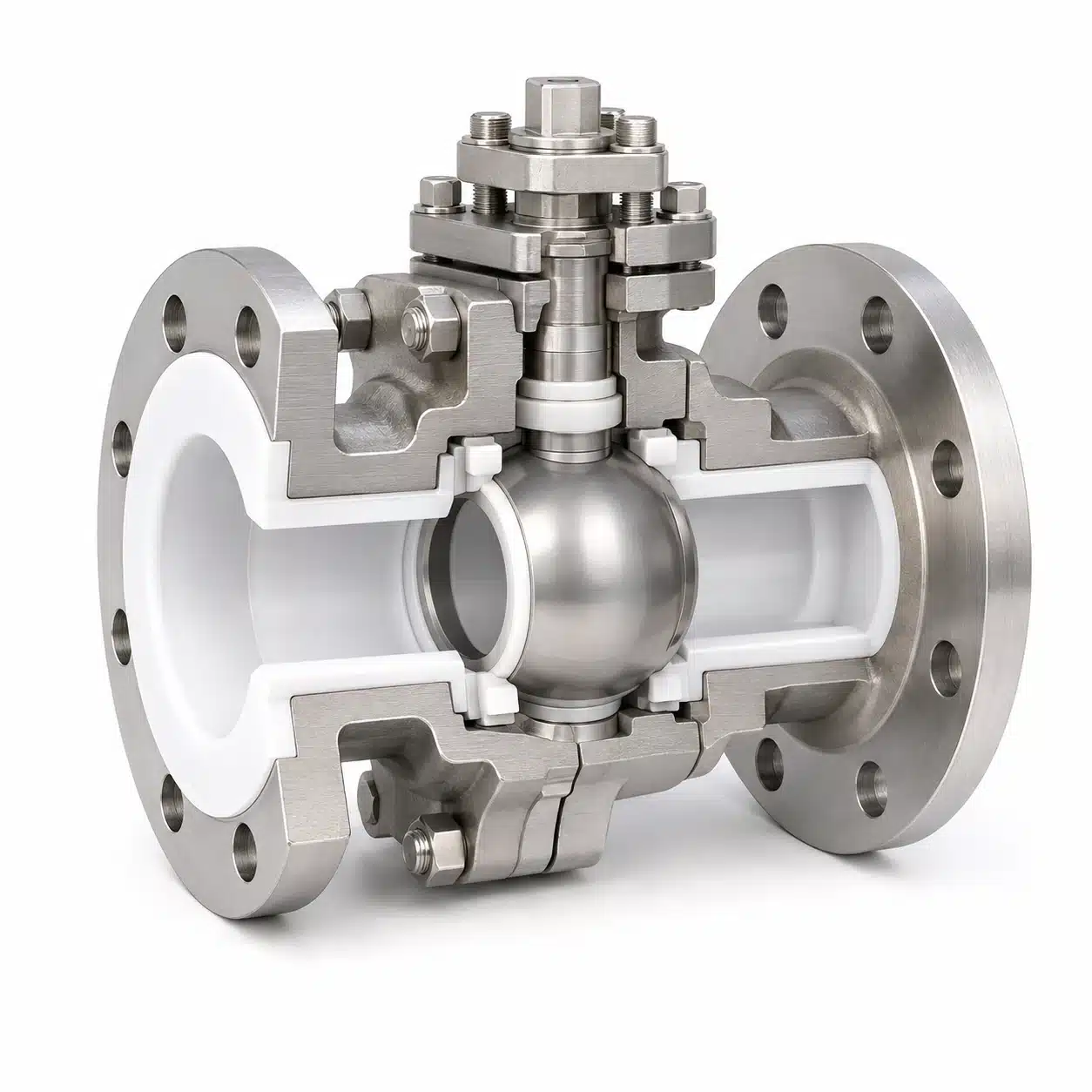
The pressure-containing body and the corrosion barrier are two different layers. In a lined valve, sulfuric acid is intended to contact the PTFE, PFA or other approved fluoropolymer lining rather than the underlying metal shell on the protected wetted surfaces.

Fleyenda PTFE-lined ball valve Cutaway view · lining highlighted in white
Cutaway view of a Fleyenda PTFE-lined flanged ball valve showing the metal pressure body, PTFE lining, ball and seat structure
01Metal body
02PTFE lining
03Ball + seat
01

Metal pressure bodyThe metallic outer shell provides mechanical strength and contains line pressure.

02

PTFE corrosion barrierThe visible white lining covers the protected bore and flange-face wetted surfaces, separating sulfuric acid from the metal body.

03

Ball, seat & sealing zoneThe closure element, seats and stem sealing must also be checked as part of the complete sulfuric-acid wetted path.

What you are seeing: the white inner layer is the PTFE lining. It is a separate corrosion-resistant layer inside the metal pressure body—not simply a coating painted on the outside.
Important material caution

Do not treat common 304 / 316 stainless steel—or carbon steel—as universal sulfuric acid valve materials.

304 / 316 stainless steel

Standard 304 and 316 stainless steels have a limited corrosion-resistance window in sulfuric acid and can suffer rapid general attack or perforation under unfavorable concentration and temperature combinations. They should not be specified by default for valve trim, closure elements or other directly wetted parts without service-specific corrosion data and engineering verification.

Carbon steel / cast iron

Carbon steel and some ferrous constructions may perform in certain cold, concentrated, static or slow-moving sulfuric acid conditions where a protective surface film is maintained. High flow velocity, throttling turbulence, dilution, water ingress, temperature changes or process upset can damage that protection and sharply increase corrosion, so high-velocity wetted valve parts require particular caution.

Material selection must be based on the actual H2SO4 concentration, temperature, velocity, contaminants, aeration and upset conditions. A material that is acceptable in a storage tank or static pipeline is not automatically acceptable for a throttling valve or continuously cycled high-velocity duty.

Industrial applications

Where sulfuric acid valves are used

Sulfuric acid is involved in major chemical and process industries. The valve requirement changes with the acid concentration, process stage and contaminants present in each industry.

Fertilizer and phosphate production sulfuric acid valve application
01 · Fertilizer & phosphate

Phosphate acidulation and fertilizer production

Sulfuric acid is central to phosphate processing and fertilizer manufacture. Valves may be required on acid storage, transfer, metering, reactor feed and utility lines, where solids, slurry carryover and process contamination can influence the final construction.

Metallurgy pickling electrowinning sulfuric acid valve application
02 · Metallurgy

Pickling, leaching and electrowinning

Metallurgical plants use sulfuric acid in metal surface treatment, leaching and electrolyte systems. Dissolved metals, temperature, suspended solids and acid regeneration can make the duty materially different from clean bulk-acid storage.

Petroleum refining sulfuric acid valve application
03 · Refining & petrochemical

Acid handling and refinery chemical service

Refining and petrochemical operations can involve sulfuric acid in process treatment, alkylation support, chemical preparation and spent-acid handling. Hydrocarbon contamination and process temperature should be included in valve-material review.

Chemical manufacturing sulfuric acid valve application
04 · Chemical manufacturing

Inorganic and organic chemical production

Sulfuric acid is used as a reactant, catalyst, dehydrating agent or pH-control chemical across many chemical processes. PTFE-lined valves, PFA-lined valves and corrosion-resistant metallic valves may all be considered depending on the actual chemistry and operating window.

Battery manufacturing sulfuric acid electrolyte valve application
05 · Battery industry

Electrolyte preparation and acid transfer

Lead-acid battery production uses diluted sulfuric acid electrolyte. Valve duties can include bulk-acid receipt, dilution, day tanks, dosing and filling systems, with cleanliness and concentration control adding to the corrosion requirements.

Pulp and paper mill sulfuric acid valve application
06 · Pulp & paper

Acid dosing and chemical preparation

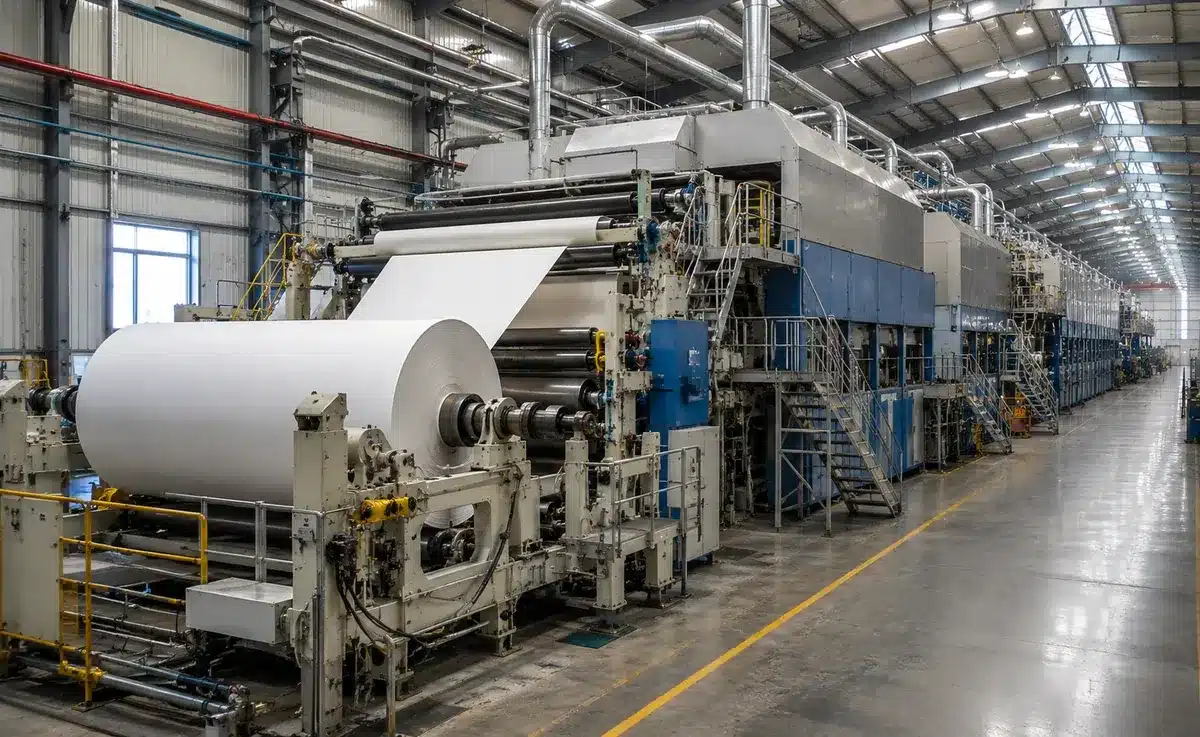
Depending on the mill process, sulfuric acid can be used for pH adjustment, chemical preparation and supporting process duties. Valve selection should account for concentration changes, chemical carryover and the surrounding bleach or recovery chemistry.

Concentration is only the beginning

Concentrated and dilute sulfuric acid should not be reduced to a single “more corrosive / less corrosive” rule.

Corrosion behavior is non-linear. The correct valve construction depends on concentration together with temperature, velocity, water ingress, contaminants and the physical duty of the valve.

01 · ConcentrationUse the actual operating range

Specify normal, minimum and maximum acid concentration—not only the nominal value.

02 · TemperatureInclude upset conditions

Startup, cleaning, reaction heat and dilution can expose the valve to temperatures above the normal process value.

03 · HydraulicsIdentify high-velocity zones

Pump discharge, throttling, small trim passages and recirculation loops can create local conditions more severe than the main pipeline.

04 · ChemistryList contaminants and solids

Chlorides, dissolved metals, oxidizers, hydrocarbons or suspended solids may change the expected corrosion behavior.

Technical quotation data

What we need to review a sulfuric acid valve

Providing the actual process information helps avoid selecting a valve from pressure class or body material alone.

Send Service Data
01Acid compositionH2SO4 concentration range, contaminants, dissolved metals, solids and whether the acid is fresh, process or spent.
02TemperatureNormal operating temperature, minimum/maximum values, startup conditions and possible dilution or reaction heat.
03Pressure & vacuumNormal pressure, design pressure, differential pressure and any vacuum or pump-suction condition.
04Valve dutyIsolation, transfer, throttling, dosing, backflow prevention, emergency shutoff or frequent automated cycling.
05Size & standardDN/NPS, pressure class, flange or end connection, face-to-face requirement and applicable project standards.
06ConstructionRequired or preferred body alloy, PTFE/PFA lining, seats, packing, stem materials and any project material restrictions.
07ActuationManual, pneumatic or electric actuation; fail position; accessories; control signal; area classification and power supply.
08Project detailsQuantity, destination, inspection/testing requirements, documentation, tagging and required delivery schedule.

Sulfuric acid valve FAQ

Common engineering questions

What is the best valve for sulfuric acid?

There is no single best sulfuric acid valve. The valve type is selected for the required function, while the wetted construction is selected for concentration, temperature, velocity, contaminants, pressure and operating duty. A ball valve, butterfly valve, globe/control valve, check valve or gate valve may all be appropriate in different parts of the same sulfuric acid system.

Can PTFE-lined valves be used for sulfuric acid?

PTFE-lined valves are widely used in corrosive chemical service and can be considered for many sulfuric acid duties. The final selection still has to respect the specific valve design, liner thickness and coverage, temperature, pressure, vacuum, permeation, cycling, solids and the materials of seats, stems and other exposed internals.

What is the difference between a PTFE valve and a PTFE-lined valve?

In practical purchasing language, “PTFE valve” often refers to a valve using PTFE as the corrosion-resistant wetted barrier. The technically clearer description is the valve type plus the construction—for example, a PTFE-lined ball valve or PTFE-lined butterfly valve.

Can 316 stainless steel be used for sulfuric acid?

316 stainless steel has only a limited suitable window in sulfuric acid and should not be treated as a general-purpose sulfuric acid valve material. Suitability depends strongly on concentration and temperature, and service-specific corrosion data should be reviewed before using it for directly wetted components.

Why can a storage valve and a transfer valve need different materials?

A storage valve may see relatively static conditions, while a transfer valve can experience higher velocity, pump pressure, frequent operation and turbulence. Those hydraulic differences can change corrosion rate and can disturb protective films that may exist under static conditions.

What information should be included in a sulfuric acid valve RFQ?

Provide acid concentration range, temperature, pressure, valve duty, flow or line velocity where available, contaminants, solids, size, pressure class, preferred materials or lining, actuation, standards, quantity and destination.

Sulfuric acid service review

Send the process conditions before selecting the valve.

Share your H2SO4 concentration, temperature, pressure, duty, valve size, contaminants, lining or material requirements and actuation. Fleyenda can review the application and prepare a project quotation.

Diese Website verwendet Cookies, um Ihr Nutzererlebnis zu verbessern.