Links überspringen

FLE-ZZYP self-operated pressure control valve

FLE-ZZYP self-operated pressure control valve

The Self-Operated Pressure Control Valve uses a self-driven diaphragm to control pressure without external power, ensuring stable flow and efficiency for steam, gas, and liquid systems, reducing maintenance costs, and offering reliability under 6.4 MPa and 350 °C with API 598 and ISO 9001 certification.

GrößenauswahlDN15–DN300 (½”–12″)
Betriebsdruckbereich:0.1–6.4 MPa
Betriebstemperaturbereich:-20°C to +350°C
Material des Gehäuses:Cast Steel / Stainless Steel (CF8, CF8M, WCB)
Verbindungstyp:Flanged
Geeignetes Medium:Steam, Air, Water, Gas, Oil
Antriebstyp:Self-operated diaphragm actuator
SpannungsoptionenNot applicable
DesignstandardGB/T 12246, ANSI/API 520, DIN EN 334
PrüfnormGB/T 13927, API 598, EN 12266-1
BrandschutzkonzeptionOptional per API 607
ZertifizierungCE / RoHS / ISO 9001 / IP65 (Antrieb)
AnpassungOben finden Sie Beispiele für Standardparameter. Wenn Sie bestimmte Parameter und Materialien haben, können wir diese individuell anpassen.
Qualitätssicherung

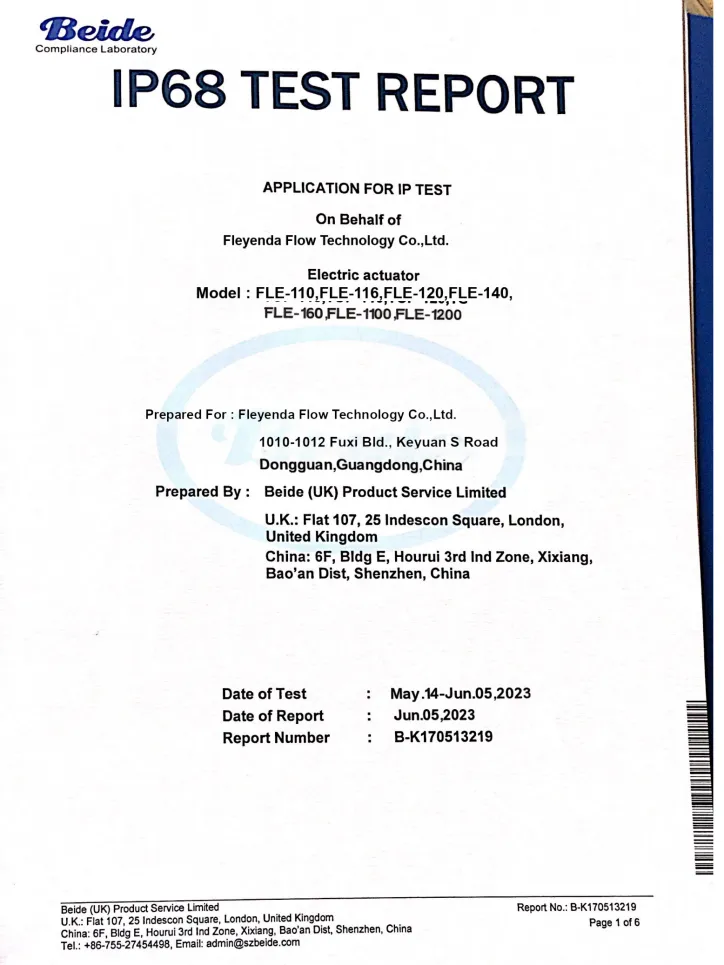
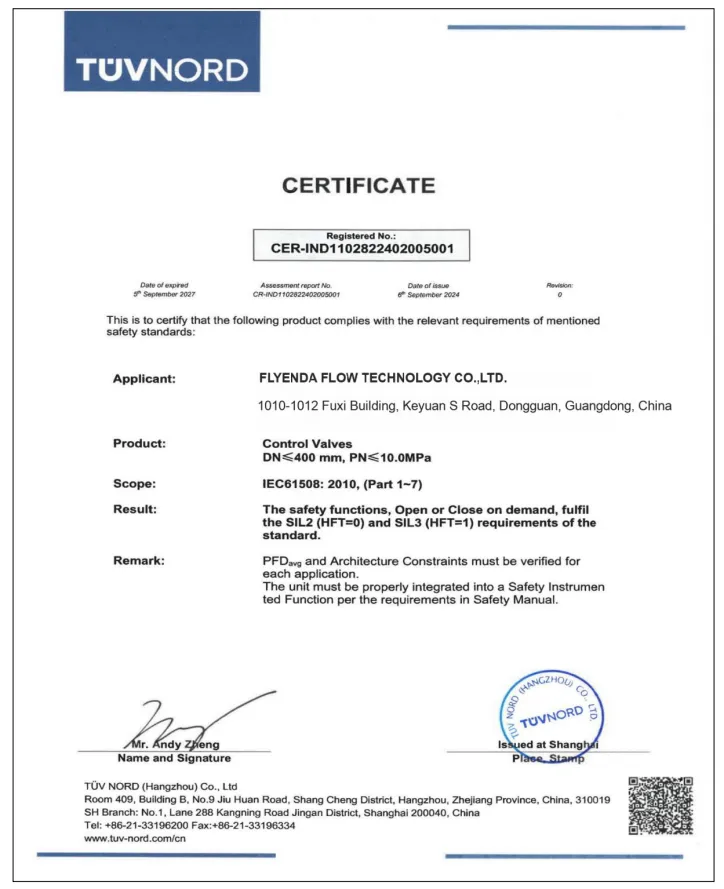
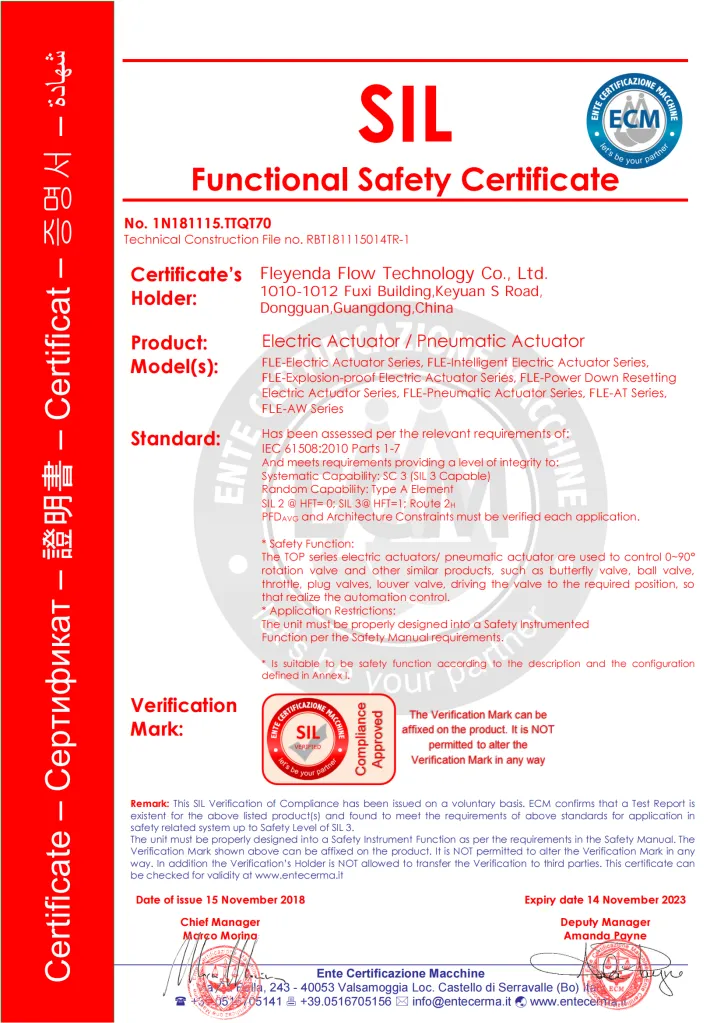
Zertifizierte Qualität für industrielle Ventilanwendungen

Ventile und elektrische Stellantriebe von Fleyenda sind auf stabile Leistung, zuverlässigen Betrieb und den langfristigen industriellen Einsatz ausgelegt. Dank zertifizierter Qualitätssicherung eignen sie sich für die Wasseraufbereitung, die chemische Verarbeitung, die Automatisierung sowie industrielle Prozessleitsysteme.
Häufig gestellte Fragen, die für Nutzer des 80% von Interesse sind

• The Self-Operated Pressure Control Valve uses medium energy to regulate outlet pressure automatically.
• Its automatic pressure regulating system balances downstream pressure through a diaphragm mechanism.
• Suitable for remote sites and energy-saving plants, it maintains accuracy under fluctuating inlet conditions.
• This self-acting pressure regulator ensures reliable control for steam, gas, and water systems.

• Analyze inlet pressure, outlet pressure, and flow to size the automatic pressure control valve correctly.
• Choose corrosion-resistant materials like stainless steel self-operated valves for steam or gas.
• Ensure the pressure reducing valve supports a proper turndown ratio to avoid instability.
• Match flange standards such as ANSI, DIN, or JIS to existing pipelines.

• High-grade self-operating control valves withstand up to 350 °C and 6.4 MPa.
• A stainless steel pressure control valve resists corrosion in chemical or steam systems.
• Reinforced diaphragms maintain sealing accuracy under temperature changes.
• Suitable for boilers, chemical plants, and industrial steam lines requiring stable pressure.

• Common issues include diaphragm wear, spring fatigue, and pilot blockage.
• Use filters to protect the self-acting valve body from debris.
• Inspect sealing parts regularly to prevent leakage and maintain response accuracy.
• Perform periodic calibration to ensure consistent regulation.

Diese Website verwendet Cookies, um Ihr Nutzererlebnis zu verbessern.