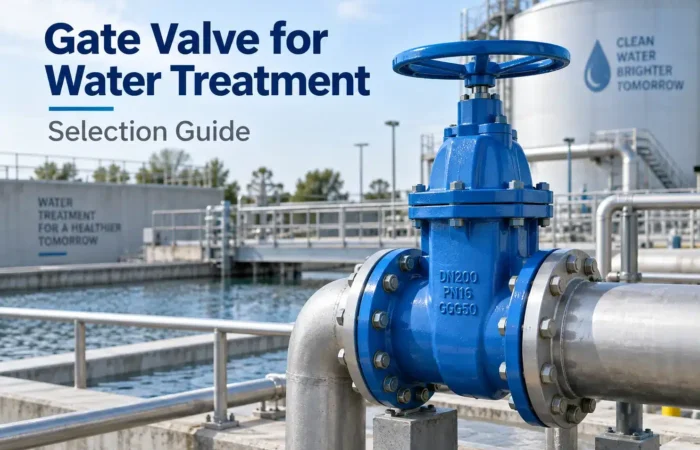
Author Fleyenda Published on: 8 September, 2026 Gate Valve for Water Treatment: Selection Guide Gate Valve for Water Treatment: Selection Guide A gate valve is one of the most widely used isolation valves in
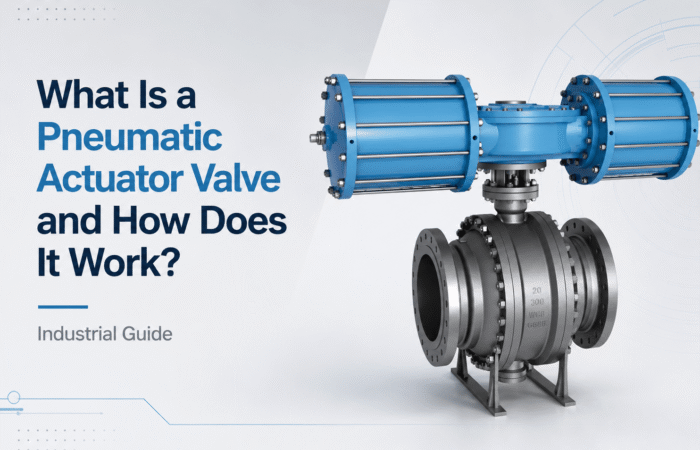
Author Fleyenda Published on: 1 September, 2026 What Is a Pneumatic Actuator Valve and How Does It Work? What Is a Pneumatic Actuator Valve and How Does It Work? A pneumatic actuator valve is an automated valve that
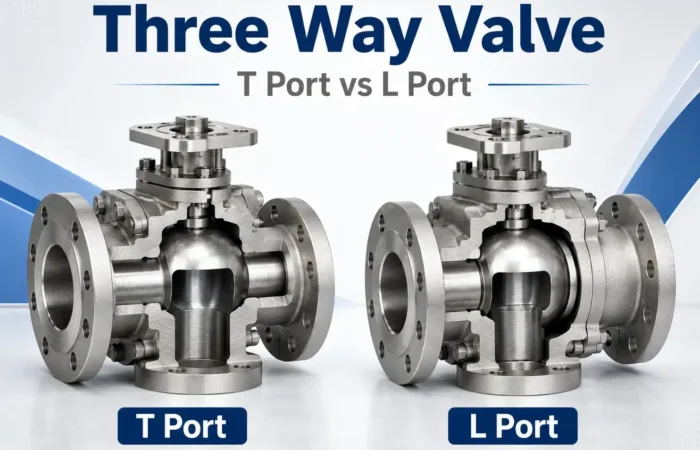
Author Fleyenda Published on: 27 August, 2026 Three Way Valve: T Port vs L Port Three Way Valve: T Port vs L Port A three way valve is used when a piping system needs to
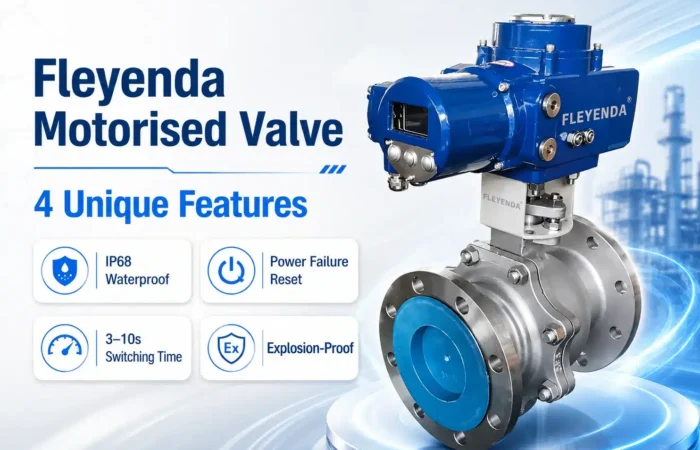
Author Fleyenda Published on: 27 August, 2026 Fleyenda Motorised Valve: 4 Unique Features Fleyenda Motorised Valve: 4 Unique Features A motorised valve is no longer simply a valve fitted with an electric actuator.
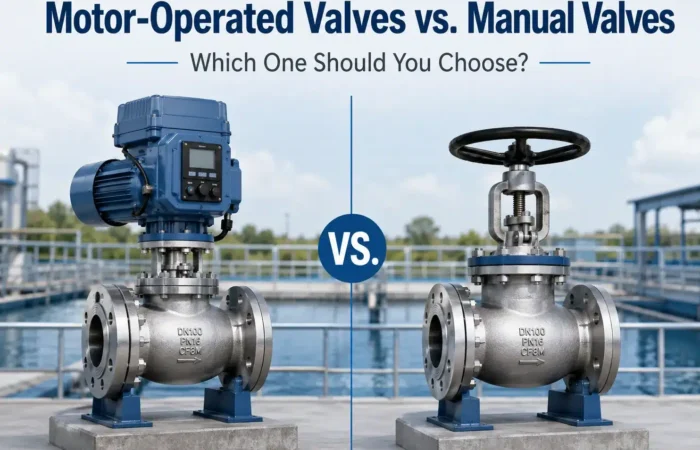
Author Fleyenda Published on: 25 August, 2026 Motor-Operated Valves vs. Manual Valves: Which One Should You Choose? Motor-Operated Valves vs. Manual Valves: Which One Should You Choose? Motor-Operated Valves are increasingly used in industrial piping systems where
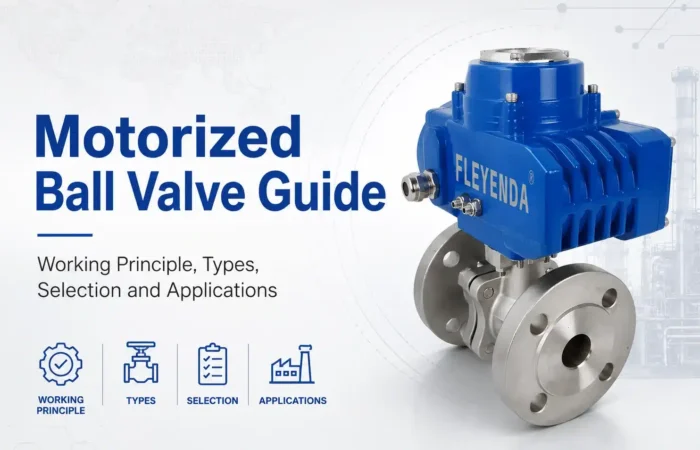
Author Fleyenda Published on: 21 August, 2026 Motorized Ball Valve Guide Motorized Ball Valve Guide A motorized ball valve is an automated valve solution that combines a ball valve with an
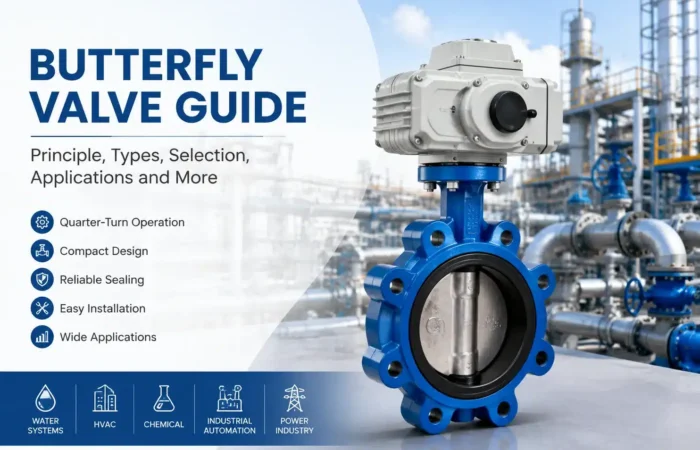
Author Fleyenda Published on: 21 August, 2026 Butterfly Valve Selection Guide Butterfly Valve Guide Butterfly valves are compact quarter-turn valves used to isolate, start, stop, and regulate fluid flow in industrial
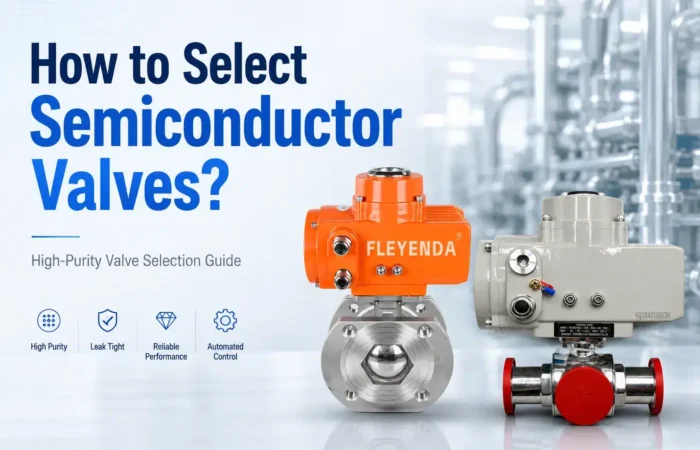
Author Fleyenda Published on: 13 August, 2026 How to Select Semiconductor Valves? How to Select Semiconductor Valves? Semiconductor valves are critical fluid-control components used in high-purity and ultra-high-purity gas systems, wet chemical
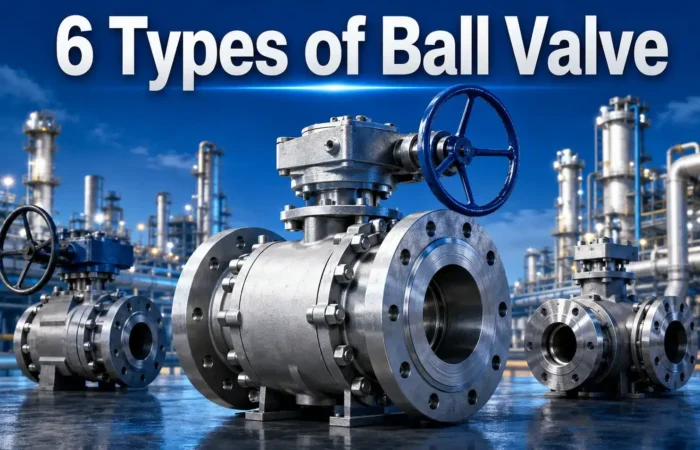
Author Fleyenda Published on: 13 August, 2026 6 Types of Ball Valve 6 Types of Ball Valve A ball valve is one of the most important isolation and flow-control devices used in
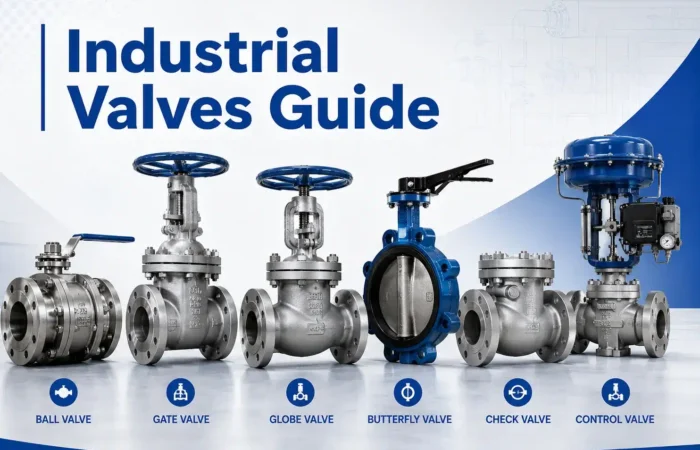
Author Fleyenda Published on: 13 August, 2026 Industrial Valves Guide Industrial Valves Guide Industrial valves are essential components used to start, stop, regulate, redirect or prevent the reverse flow of