


QT-Q-TF Electric Actuator 3 Way Flange Ball Valve
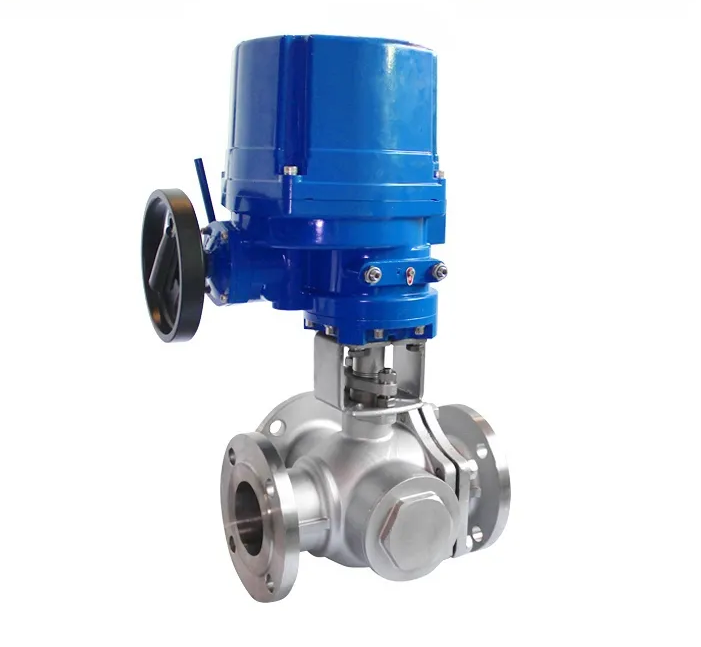
QT-Q-TF Electric Actuator 3 Way Flange Ball Valve
The Electric Actuator 3 Way Flange Ball Valve combines a full-bore flanged body and high-torque electric drive for precise flow diversion or mixing, providing stable control under 40 bar and 180 °C, verified by API 598, ISO 5211, and CE certifications.
| Size Range | DN15–DN200 (½”–8″) |
| Working Pressure Range: | PN10–PN40 (Class 150–300) |
| Working Temperature Range: | -20°C to +180°C |
| Body Material: | Stainless Steel (CF8 / CF8M) or Carbon Steel (WCB) |
| Connection Type: | Flanged End (ANSI, JIS, DIN) |
| Applicable Medium: | Water, Air, Oil, Steam, Acid, Alkali |
| نوع المشغل: | Electric Quarter-Turn Actuator |
| خيارات الجهد الكهربائي | AC220V, AC110V, AC380V, DC24V |
| معايير التصميم | ISO 5211, GB/T 12237, ASME B16.34 |
| معيار الاختبار | API 598, EN 12266-1 |
| تصميم مقاوم للحريق | API 607 / ISO 10497 (Optional) |
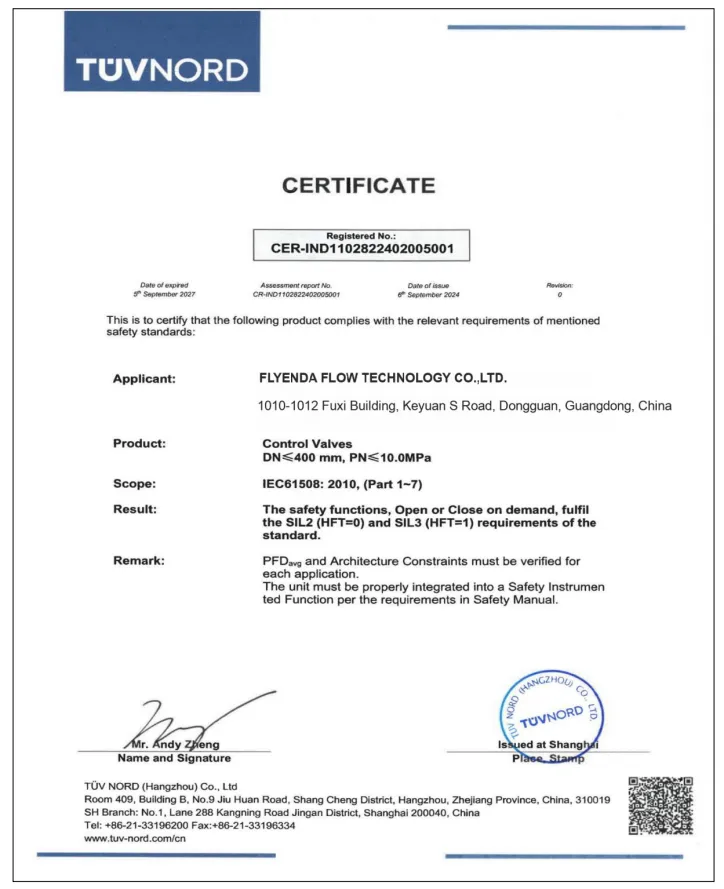
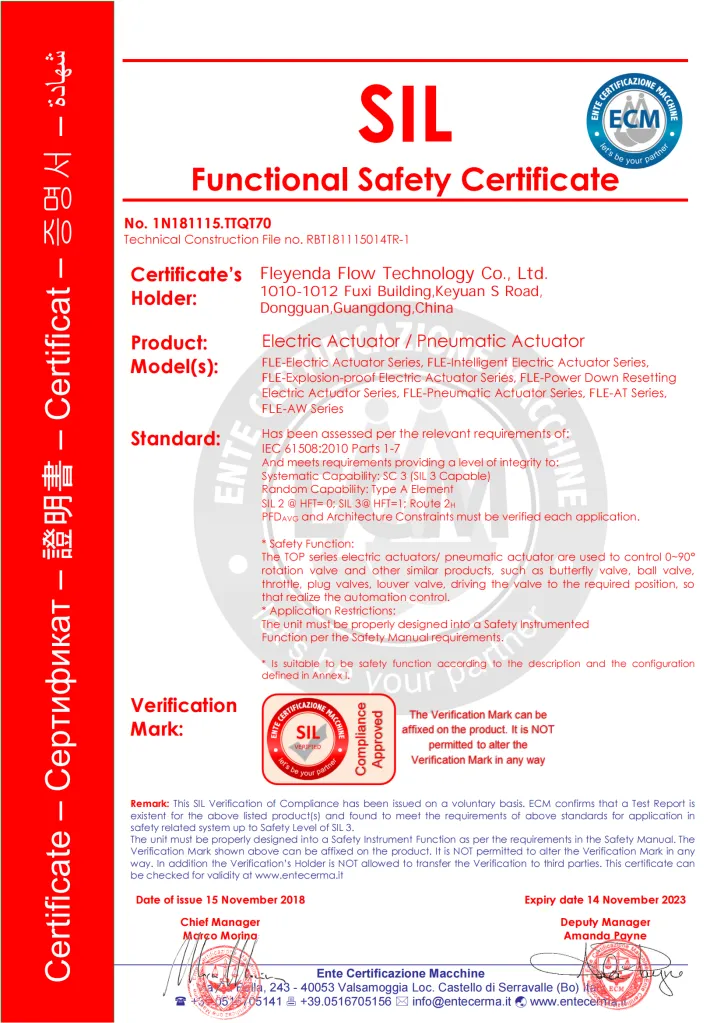
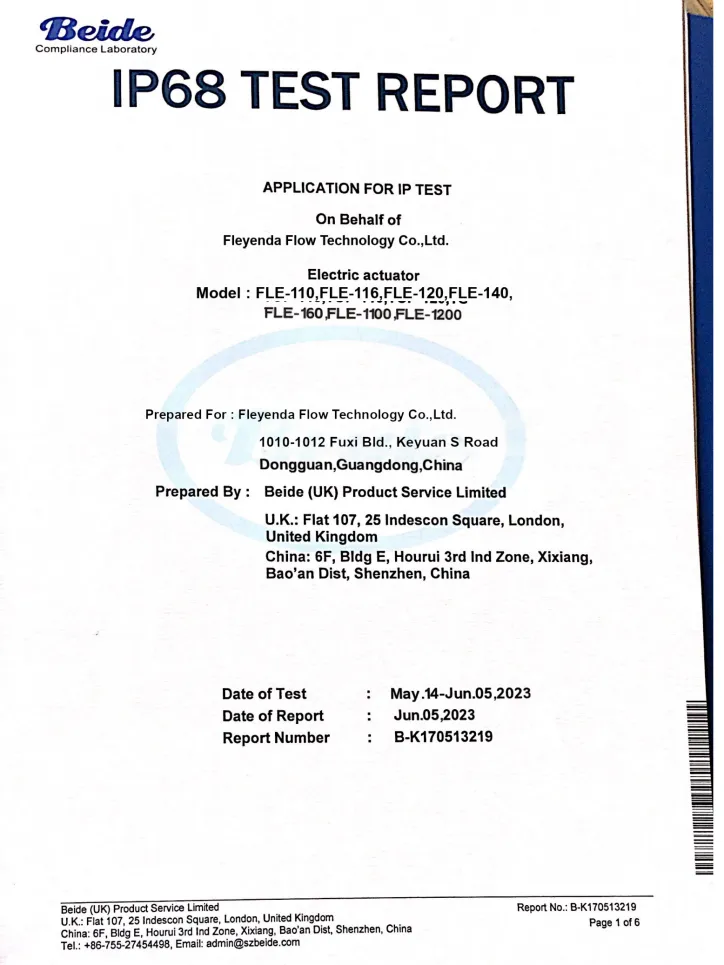
| الشهادة | CE / ROHS / ISO / SIL / TUV /IP68 Waterproof |
| التخصيص | ما ورد أعلاه عبارة عن أمثلة للمعلمات القياسية. إذا كانت لديك معلمات ومواد محددة، فيمكننا تخصيصها جميعًا. |
| Actuator Model | Standard Time/Torque | Optional Time/Torque | Rotation Angle Range | Actuator Weight | Power Supply | Optional Control Circuit |
|---|---|---|---|---|---|---|
| FLE-105 | 25S/50Nm | 4S/20Nm 10S/30Nm | 0-90° Adjustable | 2.2kg | DC24V AC24V AC110V AC220V AC380V | A type B type C type D type E type F type |
| FLE-110 | 25S/100Nm | 15S/50Nm | 5.1kg | |||
| FLE-116 | 25S/160Nm | 15S/80Nm | 5.1kg | |||
| FLE-120 | 25S/200Nm | 15S/100Nm | 7.5kg | |||
| FLE-140 | 25S/400Nm | 15S/200Nm | 7.5kg | |||
| FLE-160 | 25S/600Nm | 15S/300Nm | 8.1kg | |||
| FLE-1100 | 50S/1000Nm | 25S/500Nm | 12.7kg | |||
| FLE-1200 | 50S/2000Nm | 25S/1000Nm | 12.7kg | |||
| Type | ON/OFF, Regulating, Intelligent | |||||
| Insulation Resistance | 100MΩ/500VDC | |||||
| Dielectric Strength | 1500V AC 1min. | |||||
| Level of Protection | IP67 (IP68 optional) | |||||
| Installed Location | 360° Installation at any Angle | |||||
| Electrical Interface | 2-G1/2 Metal Fitting, the corresponding metal cable joints should be installed according to the selected cables | |||||
| Ambient temperature | -20°C to +60°C | |||||
| Optional Explosion Proof | Ex d II BT4 / CT4 / CT6 Gb | |||||
| Power-loss reset (fail-safe) function | Fail-open, Fail-closed or No-reset (factory-selectable) | |||||
| Optional functions | Overtorque protection, dehumidification heater, passive contact switch, operating handwheel | |||||
جودة معتمدة لتطبيقات الصمامات الصناعية
صُممت صمامات ومشغلات كهربائية «فلييندا» لتوفير أداء مستقر، وتشغيل موثوق، واستخدام صناعي طويل الأمد. وبفضل الدعم المعتمد في مجال الجودة، فهي مناسبة لمعالجة المياه، والمعالجة الكيميائية، والأتمتة، وأنظمة التحكم في العمليات الصناعية.
الأسئلة الشائعة التي تهم مستخدمي طراز 80%
1. Which flow-path configuration (L-port or T-port) is suitable for a motorized three-way flanged ball valve?
• L-port is used for flow diversion, while T-port supports mixing or distribution.
• Check the valve’s flow diagram and port labeling before installation.
• Ensure the actuator rotation matches the selected flow path.
• Choose a convertible design if both diversion and mixing may be required.
2. How to integrate an electric actuator on a flanged three-way ball valve into an automation system?
• Use an ISO 5211 mounting interface for direct alignment.
• Match voltage and control signals with PLC or DCS systems.
• Include limit switch or torque feedback for position monitoring.
• Plan wiring to keep connections accessible and protected from vibration.
3. What maintenance and environmental factors ensure long-term reliability?
• Confirm actuator protection level (IP67/IP68) fits the installation environment.
• Inspect bolts, seals, and body regularly for corrosion or leaks.
• Keep operation within rated pressure and temperature limits.
• Use compatible materials and clean components handling corrosive media.
4. How to select the right size and pressure rating for a flanged electric three-way valve?
• Match the nominal size and flange standard to existing piping.
• Ensure rated temperature and pressure exceed system conditions.
• Choose materials and seat types suitable for the controlled fluid.
• Consider flow coefficient (Cv) and actuator torque when sizing.