


صمام التحكم في الضغط ذاتي التشغيل FLE-ZZYP

صمام التحكم في الضغط ذاتي التشغيل FLE-ZZYP
The Self-Operated Pressure Control Valve uses a self-driven diaphragm to control pressure without external power, ensuring stable flow and efficiency for steam, gas, and liquid systems, reducing maintenance costs, and offering reliability under 6.4 MPa and 350 °C with API 598 and ISO 9001 certification.
| Size Range | DN15–DN300 (½”–12″) |
| Working Pressure Range: | 0.1–6.4 MPa |
| Working Temperature Range: | -20°C to +350°C |
| Body Material: | Cast Steel / Stainless Steel (CF8, CF8M, WCB) |
| Connection Type: | Flanged |
| Applicable Medium: | Steam, Air, Water, Gas, Oil |
| نوع المشغل: | Self-operated diaphragm actuator |
| خيارات الجهد الكهربائي | Not applicable |
| معايير التصميم | GB/T 12246, ANSI/API 520, DIN EN 334 |
| معيار الاختبار | GB/T 13927, API 598, EN 12266-1 |
| تصميم مقاوم للحريق | Optional per API 607 |
| الشهادة | CE / RoHS / ISO 9001 / IP65 (المشغل) |
| التخصيص | ما ورد أعلاه عبارة عن أمثلة للمعلمات القياسية. إذا كانت لديك معلمات ومواد محددة، فيمكننا تخصيصها جميعًا. |
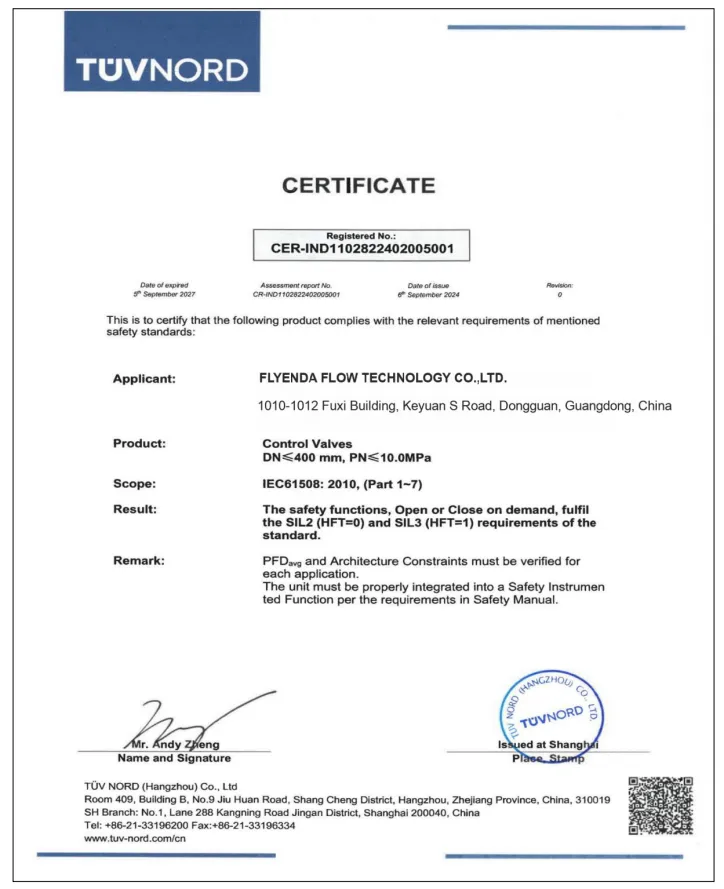
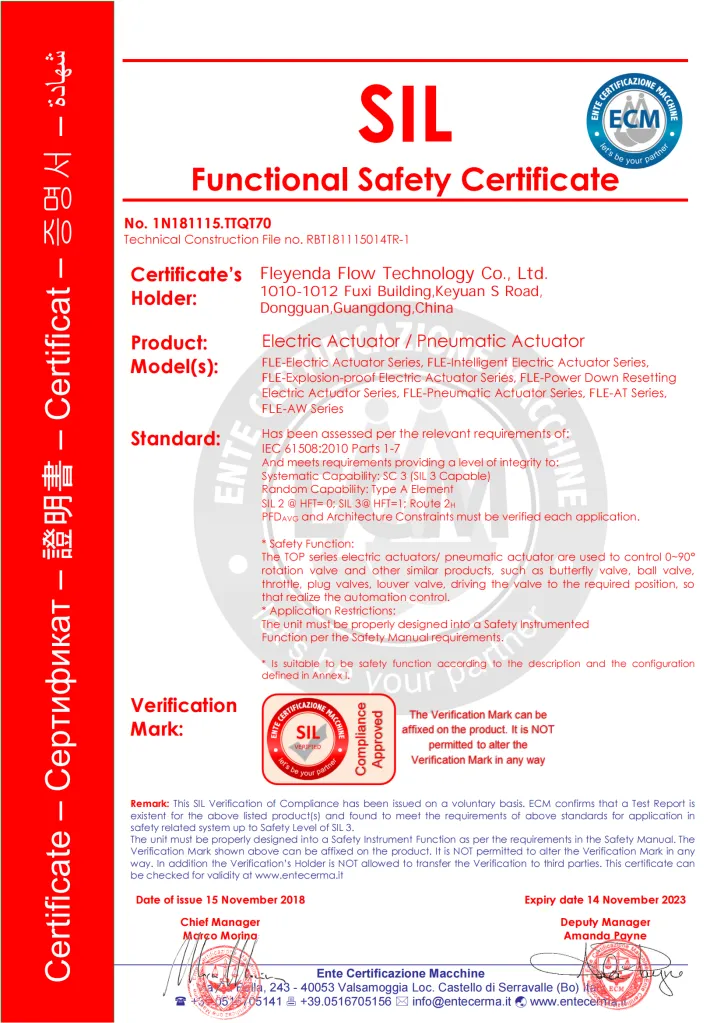
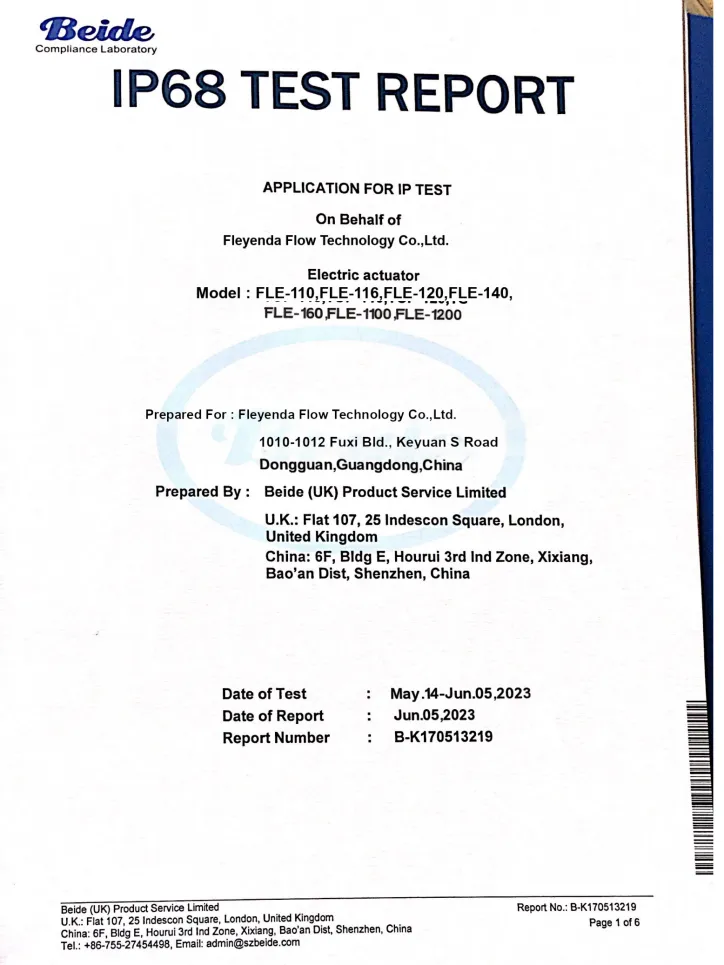
جودة معتمدة لتطبيقات الصمامات الصناعية
صُممت صمامات ومشغلات كهربائية «فلييندا» لتوفير أداء مستقر، وتشغيل موثوق، واستخدام صناعي طويل الأمد. وبفضل الدعم المعتمد في مجال الجودة، فهي مناسبة لمعالجة المياه، والمعالجة الكيميائية، والأتمتة، وأنظمة التحكم في العمليات الصناعية.
الأسئلة الشائعة التي تهم مستخدمي طراز 80%
1. How does a Self-Operated Pressure Control Valve maintain stable performance without power or air supply?
• The Self-Operated Pressure Control Valve uses medium energy to regulate outlet pressure automatically.
• Its automatic pressure regulating system balances downstream pressure through a diaphragm mechanism.
• Suitable for remote sites and energy-saving plants, it maintains accuracy under fluctuating inlet conditions.
• This self-acting pressure regulator ensures reliable control for steam, gas, and water systems.
2. How do I select the right model and capacity for a Self-Acting Pressure Regulator?
• Analyze inlet pressure, outlet pressure, and flow to size the automatic pressure control valve correctly.
• Choose corrosion-resistant materials like stainless steel self-operated valves for steam or gas.
• Ensure the pressure reducing valve supports a proper turndown ratio to avoid instability.
• Match flange standards such as ANSI, DIN, or JIS to existing pipelines.
3. Can a Self-Operated Pressure Regulator handle high-temperature or corrosive media?
• High-grade self-operating control valves withstand up to 350 °C and 6.4 MPa.
• A stainless steel pressure control valve resists corrosion in chemical or steam systems.
• Reinforced diaphragms maintain sealing accuracy under temperature changes.
• Suitable for boilers, chemical plants, and industrial steam lines requiring stable pressure.
4. What are common maintenance issues with Automatic Pressure Regulating Valves and how to prevent them?
• Common issues include diaphragm wear, spring fatigue, and pilot blockage.
• Use filters to protect the self-acting valve body from debris.
• Inspect sealing parts regularly to prevent leakage and maintain response accuracy.
• Perform periodic calibration to ensure consistent regulation.