


كيفية اختيار الصمامات شبه الموصلة؟
Semiconductor valves are critical fluid-control components used in high-purity and ultra-high-purity gas systems, wet chemical distribution, ultrapure water systems, vacuum equipment and semiconductor manufacturing tools. Unlike conventional industrial valves, a semiconductor valve must not only control flow reliably but also minimize the risk of particles, metallic contamination, moisture, organics and trapped process fluid.
This makes semiconductor valve selection fundamentally different from general industrial valve selection. Pressure and nominal size remain important, but engineers must also consider wetted materials, internal surface condition, dead volume, sealing technology, particle contribution, leakage performance, connections, actuation and cleanliness requirements.
The correct valve depends heavily on the process medium. A valve selected for an ultra-high-purity gas line may use a completely different material and internal structure from a valve handling concentrated chemicals or ultrapure water.
The most reliable selection method is to begin with the process itself. Define the medium, purity level, pressure, temperature, required flow, contamination limits and operating function before selecting the semiconductor valve type and construction.
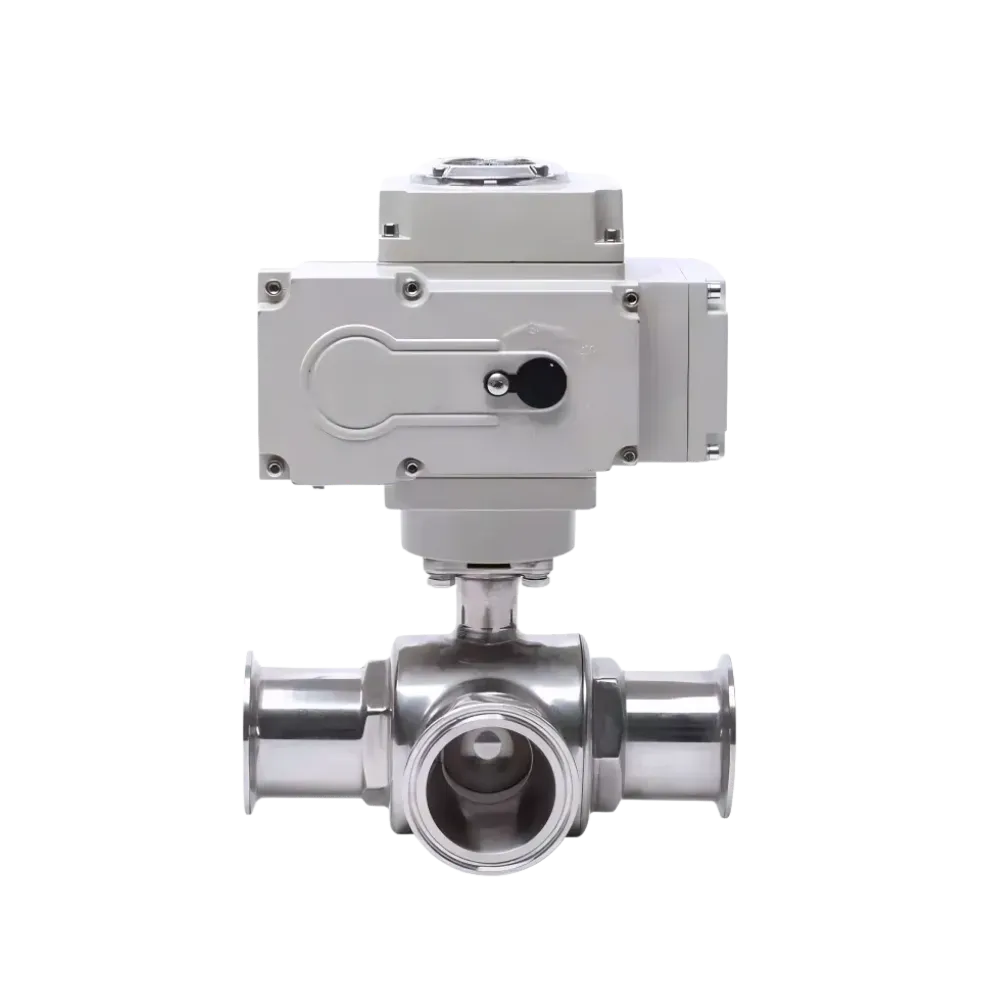
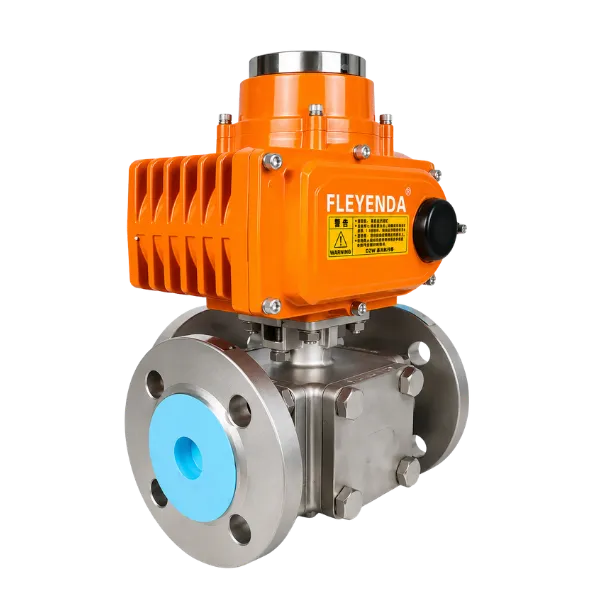
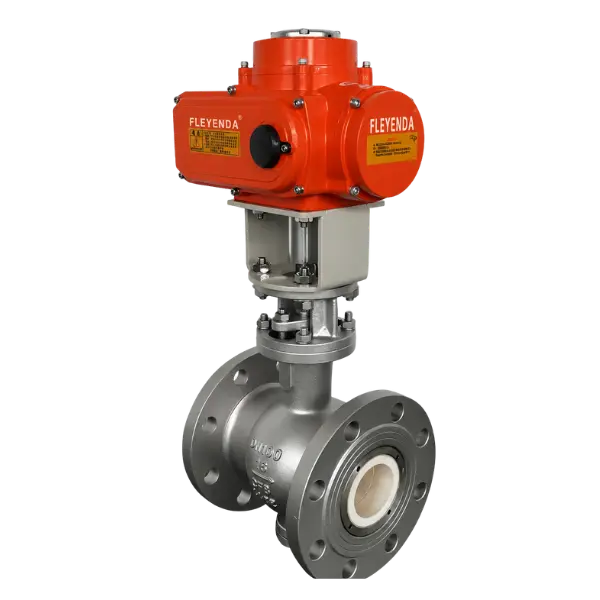
Semiconductor Valve Products
What Are Semiconductor Valves?
Semiconductor valves are fluid-control components designed or qualified for the demanding cleanliness requirements of semiconductor manufacturing. They may be installed in gas cabinets, valve manifold boxes, chemical delivery systems, bulk specialty gas systems, ultrapure water systems, process tools and vacuum equipment.
The term semiconductor valves does not describe only one valve design. Depending on the process, semiconductor systems may use diaphragm valves, bellows valves, high-purity polymer valves, high-purity ball valves, metering valves, check valves and specialized vacuum valves.
The key difference from conventional industrial valves is contamination control. Materials and internal surfaces that come into contact with the process must be carefully selected so that the valve does not become a significant source of particles, ions, metals or other unwanted contaminants.
Internal geometry is also important. Low dead volume, smooth flow paths and effective purge characteristics can help reduce the amount of process gas or liquid that remains trapped during system transitions.
Start with the Process Medium
The first step in selecting semiconductor valves is to determine exactly what the valve will handle. Semiconductor facilities contain several fluid systems with very different material, cleanliness and operating requirements.
| Process Service | Main Selection Concerns | Typical Valve Direction |
|---|---|---|
| UHP Gas | Leak integrity, purgeability, low particle generation and high-purity wetted surfaces | UHP diaphragm or bellows valve |
| Wet Chemicals | Chemical resistance, purity, extractables and particle control | High-purity polymer valve |
| Ultrapure Water | Low ionic contamination, cleanliness and compatible wetted materials | High-purity diaphragm or polymer valve |
| Vacuum Service | Low outgassing, vacuum integrity and conductance | Vacuum isolation or control valve |
| High-Purity Utility | Reliability, flow capacity, compatibility and cleanliness | Application-specific valve |
A valve should therefore not be selected simply because it is marketed for semiconductor service. The actual process medium, purity requirement and operating conditions should determine the final valve specification.
Choose the Correct Semiconductor Valve Type
Diaphragm Valves
The diaphragm valve is one of the most common designs used in high-purity and ultra-high-purity semiconductor gas systems. A metal diaphragm separates the process gas from much of the operating mechanism, reducing the number of dynamic sealing components directly exposed to the process.
Semiconductor diaphragm valves can also be designed with compact internal geometry and relatively low internal volume. These characteristics make them suitable for gas systems where cleanliness, purge performance and leakage control are important.
They are commonly installed in gas cabinets, gas panels, valve manifold boxes and semiconductor production equipment. Pneumatic actuation is widely used where the valve must operate automatically as part of gas delivery, purge or shutdown sequences.
Bellows Valves
Bellows valves use a metallic bellows to separate the process medium from the stem sealing mechanism. This construction can provide reliable isolation in high-purity gas, vacuum and other applications where external leakage control is especially important.
Bellows cycle life should be considered during selection because the bellows repeatedly flexes during valve operation. Required pressure, temperature and operating frequency should therefore be included in the specification.
High-Purity Polymer Valves
Wet chemical distribution and ultrapure water systems frequently use PFA and other high-purity polymer valves because of their resistance to aggressive chemicals and suitability for contamination-sensitive fluid handling.
Chemical compatibility alone is not sufficient. Engineers should also consider extractables, particle contribution, temperature capability, pressure capability and the purity of every component exposed to the fluid.
The valve body, diaphragm, seats, seals and connections should therefore be evaluated as one complete wetted flow path.
High-Purity Ball Valves
High-purity ball valves may be used in selected semiconductor liquid, utility and isolation applications where quarter-turn operation and relatively unrestricted flow are advantageous.
A conventional industrial ball valve should not automatically be considered suitable for semiconductor service. The ball surface, seats, internal cavity, stem sealing system, manufacturing process and final cleanliness must all be evaluated.
In extremely contamination-sensitive UHP gas systems, diaphragm valve designs are often preferred because of their compact wetted geometry and reduced internal cavities.
Needle and Metering Valves
Needle and metering valves are useful when fine manual adjustment of relatively small flow rates is required. Their tapered flow-control element allows gradual changes in the effective flow area.
For semiconductor applications, flow resolution should be evaluated together with wetted material, surface quality, dead volume and contamination performance.
Check Valves
Semiconductor check valves prevent unwanted reverse flow in gas and liquid systems. Their cracking pressure, internal materials, flow capacity and closing response should match the application.
An incorrectly selected check valve can introduce unnecessary pressure loss or provide unstable closing behavior at low flow rates.
Wetted Material Is a Critical Selection Factor
Wetted material is one of the most important specifications when selecting semiconductor valves. The valve body alone does not determine compatibility or purity.
Internal components such as diaphragms, seats, springs, stem tips, seals and gaskets may also come into contact with the process fluid. A complete wetted-material list should therefore be reviewed before purchasing.
316L Stainless Steel
316L stainless steel is widely used for semiconductor high-purity and UHP gas components because it combines good corrosion resistance, weldability and the ability to achieve highly controlled internal surfaces.
In semiconductor service, specifying only “316L” may not provide enough information. Material chemistry, manufacturing route, metallurgical quality and internal surface condition may also be controlled by the project or equipment specification.
PFA and Other High-Purity Polymers
PFA is widely used in semiconductor wet chemical and ultrapure water systems because of its chemical resistance and suitability for high-purity fluid handling.
Operating pressure and temperature must remain within the allowable range of the selected material. Chemical concentration should also be checked because compatibility can vary significantly between fluids and process conditions.
Do not select semiconductor valves from the body material alone. Always confirm all wetted components, including diaphragms, seats, seals, springs and internal surface treatments.
Evaluate Wetted Surface Quality
Wetted surface condition is especially important in high-purity and UHP gas systems. Rough or poorly controlled internal surfaces provide additional locations where moisture and contaminants can remain attached.
Stainless steel semiconductor components may use mechanically polished, bright-annealed or electropolished surfaces depending on the required purity level and application specification.
Electropolishing can improve surface smoothness and remove microscopic surface irregularities, but surface roughness should not be evaluated independently from material quality, manufacturing control and cleaning.
Buyers should review the complete wetted-surface specification and understand how the valve is processed before final assembly.
Minimize Dead Volume
Dead volume is internal space in which process gas or liquid can remain after the main flow path is purged, evacuated or changed.
Excessive dead volume can increase purge time and create a greater risk of cross-contamination when a semiconductor process changes between process gas, purge gas and vacuum conditions.
Compact semiconductor valve geometry can therefore improve process efficiency, particularly in gas panels and point-of-use systems that require frequent purge cycles.
Engineers should consider seat location, internal cavities and connection geometry rather than judging dead volume only from external valve dimensions.
Particle and Contamination Performance
Semiconductor manufacturing processes are highly sensitive to particles and other contamination. A valve contains moving and sealing components, so unsuitable materials or poor internal finishes can potentially contribute contamination during operation.
Depending on the fluid system, component evaluation may include particle contribution, metallic contamination, extractables, moisture or organic contamination.
The required cleanliness level should therefore be established by the process or equipment specification before valve selection.
Specify Leak Performance
Semiconductor valve leakage should be considered in two ways: leakage through the closed seat and leakage from the pressure boundary to the surrounding environment.
Seat leakage determines how effectively the valve isolates upstream and downstream sections of the fluid system.
External leakage concerns body joints, diaphragms, bellows assemblies and other pressure-containing boundaries.
UHP gas and vacuum components may require highly sensitive leak testing. The required acceptance limit should be specified according to the actual system requirement rather than assumed from a general product category.
Pressure, Temperature and Flow Capacity
Semiconductor valves must still satisfy conventional fluid-engineering requirements. The valve must safely withstand the maximum pressure and temperature expected during normal operation, startup, shutdown and maintenance.
Required flow capacity should also be determined from actual process conditions. An undersized valve may cause excessive pressure loss, while an unnecessarily large valve can increase internal volume and cost.
Where defined flow performance is required, the valve Cv should be evaluated against minimum, normal and maximum process conditions.
Select the Correct Connection
Semiconductor valve connections influence cleanliness, installation, internal volume and maintenance.
High-purity stainless steel gas systems commonly use welded connections, metal-gasket face-seal connections or surface-mount configurations.
Welded connections minimize the number of mechanical joints but require controlled installation practices. Face-seal connections provide removable joints and simplify component replacement or equipment maintenance.
Surface-mount valves are particularly useful in compact gas panels and manifolds because they can reduce tubing runs and overall internal volume.
High-purity polymer chemical systems require compatible tubing and connection technologies suitable for the selected process medium.
Manual or Pneumatic Operation?
Manual semiconductor valves are suitable for maintenance isolation and applications that operate relatively infrequently.
Pneumatically actuated valves are widely used in automated gas and chemical delivery equipment. They allow remote operation and can be incorporated into purge, process and emergency shutdown sequences.
Actuator selection should consider available air pressure, operating frequency, required opening and closing speed and fail position.
Cycle life is particularly important where a valve operates repeatedly during every semiconductor production process.
Cleanroom Assembly and Packaging
Semiconductor valve cleanliness can be compromised after machining if cleaning, assembly and packaging are poorly controlled.
Buyers should understand how the manufacturer cleans and dries wetted components, where final assembly takes place and how completed valves are protected before shipment.
Packaging should protect high-purity connections and internal surfaces from particles, moisture and handling contamination during transportation and storage.
Semiconductor Valve Selection Table
| Selection Factor | What to Define | Why It Matters |
|---|---|---|
| Process Medium | Gas, chemical, UPW or vacuum | Determines valve design and materials |
| Purity Requirement | High purity or UHP | Defines contamination-control requirements |
| Wetted Material | 316L, PFA or another compatible material | Affects corrosion and contamination performance |
| Surface Condition | Required finish and treatment | Influences cleanliness and purgeability |
| Flow Capacity | Flow rate or required Cv | Prevents excessive pressure drop |
| الضغط | Normal and maximum pressure | Determines mechanical rating |
| درجة الحرارة | Minimum and maximum temperature | Affects material and seal selection |
| Leak Requirement | Seat and external leakage | Protects process integrity |
| Dead Volume | Internal volume and purge requirement | Affects process transition time |
| Actuation | Manual or pneumatic | Determines automation capability |
| الاتصال | Weld, face seal, surface mount or polymer connection | Affects installation and cleanliness |
| Packaging | Clean packaging requirements | Protects the valve before installation |
What Information Should Be Sent to the Supplier?
A semiconductor valve quotation should be based on complete process information rather than only size and material.
The RFQ should identify the process medium, purity requirement, valve function, flow rate or Cv, pressure, temperature, wetted materials, connection, actuation, leak requirement and cleanliness requirements.
For corrosive chemicals, the exact chemical name and concentration should be provided so material compatibility can be evaluated correctly.
Project-specific testing, documentation and packaging requirements should also be stated before the supplier prepares the quotation.
Common Semiconductor Valve Selection Mistakes
One common mistake is selecting semiconductor valves only by nominal size and pressure. A valve may satisfy mechanical requirements while still being unsuitable for the required purity level.
Another mistake is assuming that all 316L stainless steel components provide the same high-purity performance. Material quality, internal finish, cleaning and manufacturing controls can differ significantly.
Oversizing should also be avoided. A larger valve can increase internal volume and cost without improving process performance.
Finally, valve and connection selection should be considered together because the complete fluid path determines system cleanliness and purge performance.
How to Compare Semiconductor Valve Suppliers
Semiconductor valve suppliers should be compared on technical capability rather than only purchase price.
The quotation should clearly identify valve construction, wetted materials, internal surface condition, connections, pressure rating, actuator and cleanliness requirements.
Buyers should also understand the supplier’s cleaning, assembly, testing and packaging procedures.
For production equipment and repeat orders, manufacturing consistency and traceability are particularly important because the same valve specification may be purchased over many production cycles.
The best semiconductor valve is not simply the valve with the highest pressure rating or the lowest published leak rate. The correct valve is the one that meets the required purity, chemical compatibility, flow, reliability and installation requirements without adding unnecessary dead volume or complexity.
Frequently Asked Questions About Semiconductor Valves
What valves are commonly used in semiconductor manufacturing?
Semiconductor systems commonly use high-purity diaphragm valves, bellows valves, high-purity polymer valves, selected ball valves, metering valves, check valves and specialized vacuum valves.
Why are diaphragm valves used in semiconductor gas systems?
Diaphragm valves provide compact wetted geometry and separate the process fluid from much of the operating mechanism, making them suitable for high-purity and ultra-high-purity gas delivery.
Why is 316L stainless steel used for semiconductor valves?
316L stainless steel provides corrosion resistance, good weldability and the ability to achieve controlled high-quality wetted surfaces.
What are high-purity polymer semiconductor valves used for?
High-purity polymer valves are commonly used for wet chemical and ultrapure water applications where chemical resistance and contamination control are important.
What does UHP mean for semiconductor valves?
UHP means ultra-high purity. UHP valve selection requires tighter control over wetted materials, internal surfaces, contamination, leakage, cleaning and packaging.
How do I select a valve for corrosive semiconductor chemicals?
Define the exact chemical, concentration, pressure and temperature first. Then evaluate every wetted component for chemical compatibility and high-purity performance.
What information should I request from a semiconductor valve manufacturer?
Request wetted materials, pressure and temperature ratings, flow capacity, surface condition, leak performance, connections, actuation details, cleaning procedures and packaging information.
الخلاصة
Selecting semiconductor valves requires greater attention to purity and contamination control than conventional industrial valve selection.
The selection process should begin with the process medium and purity requirement. Engineers can then evaluate valve type, wetted materials, internal surface quality, dead volume, leakage, flow capacity, pressure, temperature, connections and actuation.
UHP gas systems commonly use high-purity diaphragm or bellows valve designs, while wet chemical and ultrapure water systems frequently use high-purity polymer valves. Selected utility and liquid systems may also use other valve designs when their construction and cleanliness are suitable for the process.
A complete technical specification gives semiconductor valve manufacturers the information required to recommend the correct product and allows procurement teams to compare suppliers on a consistent basis.