


Electric Thin Type Wafer Ball Valve
The FLE-Q-B electric wafer ball valve combines a slim stainless-steel wafer body with a quarter-turn electric actuator for automated isolation where installation space and valve weight matter. Its compact face-to-face design fits between compatible pipeline flanges, helping equipment builders and plant engineers reduce occupied space without giving up reliable electric shutoff.
- Body
- SS304 / 304L / 316 / 316L
- Temperature
- −20°C to +180°C
- Connection
- Wafer Between Flanges
- Protection
- IP67 / IP68 Option
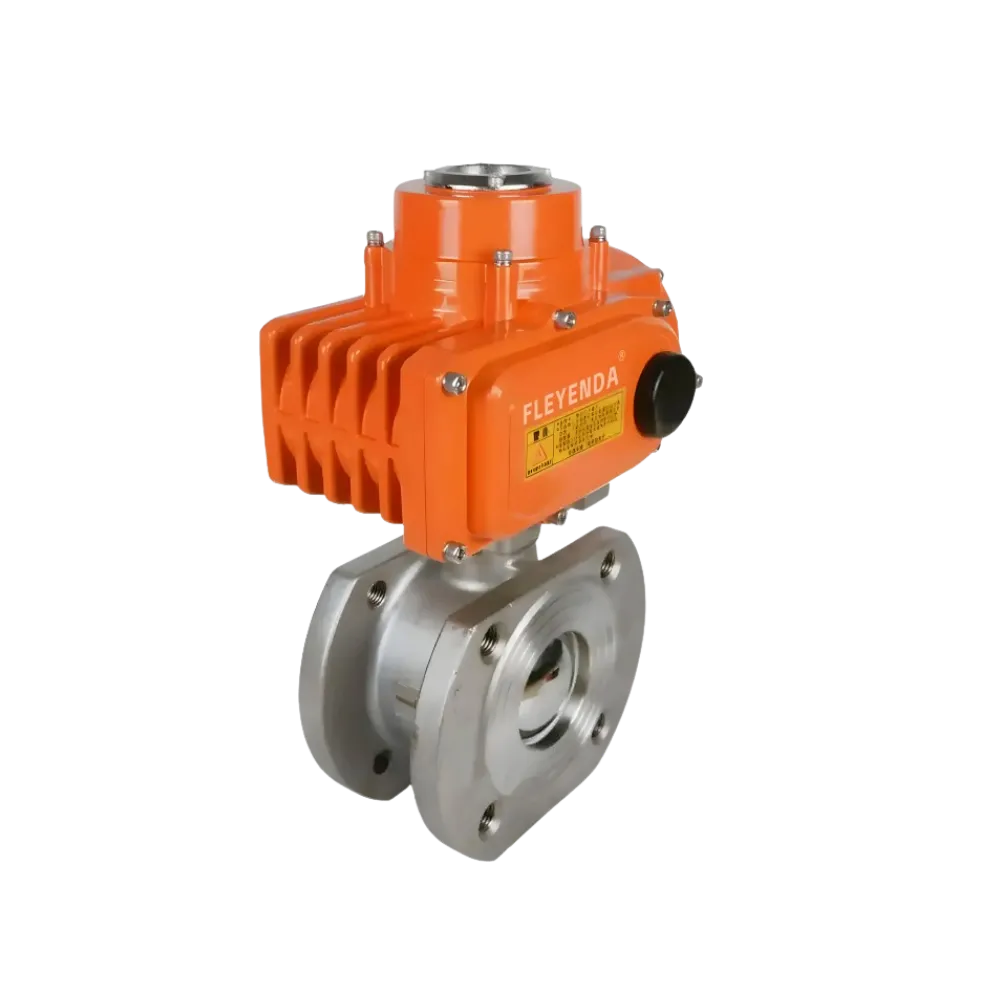
Save piping space without moving away from automated ball-valve shutoff
The main advantage of a thin type electric wafer ball valve is not simply smaller appearance—it is reduced installation length between pipe flanges.
In packaged equipment, dense piping manifolds and retrofit projects, a conventional full-body flanged valve can consume valuable face-to-face space. The FLE-Q-B uses a wafer body to keep the valve assembly compact while retaining quarter-turn ball-valve operation and electric automation.
- 01Short body length supports compact equipment layouts and crowded pipe racks.
- 02Lower valve-body mass can simplify handling and support requirements.
- 03Wafer mounting works between compatible flange standards without full end flanges on the valve body.
- 04Electric actuation enables remote isolation, feedback and selected modulating functions.
Electric wafer ball valve specifications
Standard configurations cover common industrial sizes, stainless-steel body materials, electric actuator voltages and control options. Final selection should match the actual flange, media and process conditions.
| Model | FLE-Q-B |
|---|---|
| Size range | DN15–DN300 (½″–12″) |
| Working pressure | PN16–PN40 (16–40 bar) |
| Working temperature | −20°C to +180°C, subject to seat and media compatibility |
| Body material | Stainless Steel 304 / 304L / 316 / 316L |
| Connection | Wafer type, mounted between compatible pipeline flanges |
| Applicable media | Water, oil, gas, steam and compatible corrosive / non-corrosive chemicals |
| Actuator type | Electric quarter-turn actuator; on/off or selected modulating / intelligent control |
| Voltage options | DC24V, AC24V, AC110V, AC220V, AC380V |
| Design references | ISO 5211; EN 1092-1 flange interface reference |
| Testing | API 598 valve inspection and testing |
| Fire-safe option | API 607 / ISO 10497 on applicable configurations |
| Protection | IP67 standard on selected actuators; IP68 optional |
| Explosion-proof option | Selected Ex d II BT4 / CT4 / CT6 Gb actuator configurations |
Compact mounting for space-constrained piping systems
A wafer electric ball valve is selected when the project needs ball-valve isolation but the installation envelope, total weight or retrofit spacing makes a conventional full-body flanged valve less attractive.
Wafer vs full-body flanged electric ball valve
Both provide automated quarter-turn shutoff. The main difference is installation architecture: wafer construction prioritizes compactness, while a conventional flanged body prioritizes a self-contained bolted end connection.
Remote shutoff, feedback and selected regulating control
Actuator selection should be based on valve size, differential pressure, cycle frequency, required operating speed and control architecture rather than voltage alone.
| Actuator | Standard time / torque | Optional time / torque | Weight |
|---|---|---|---|
| FLE-105 | 25s / 50Nm | 4s / 20Nm; 10s / 30Nm | 2.2kg |
| FLE-110 | 25s / 100Nm | 15s / 50Nm | 5.1kg |
| FLE-116 | 25s / 160Nm | 15s / 80Nm | 5.1kg |
| FLE-120 | 25s / 200Nm | 15s / 100Nm | 7.5kg |
| FLE-140 | 25s / 400Nm | 15s / 200Nm | 7.5kg |
| FLE-160 | 25s / 600Nm | 15s / 300Nm | 8.1kg |
| FLE-1100 | 50s / 1000Nm | 25s / 500Nm | 12.7kg |
| FLE-1200 | 50s / 2000Nm | 25s / 1000Nm | 12.7kg |
Where compact motorized wafer ball valves fit best
The FLE-Q-B is strongest where automated 2-way isolation is required but the available piping envelope, equipment footprint or retrofit spacing is limited.
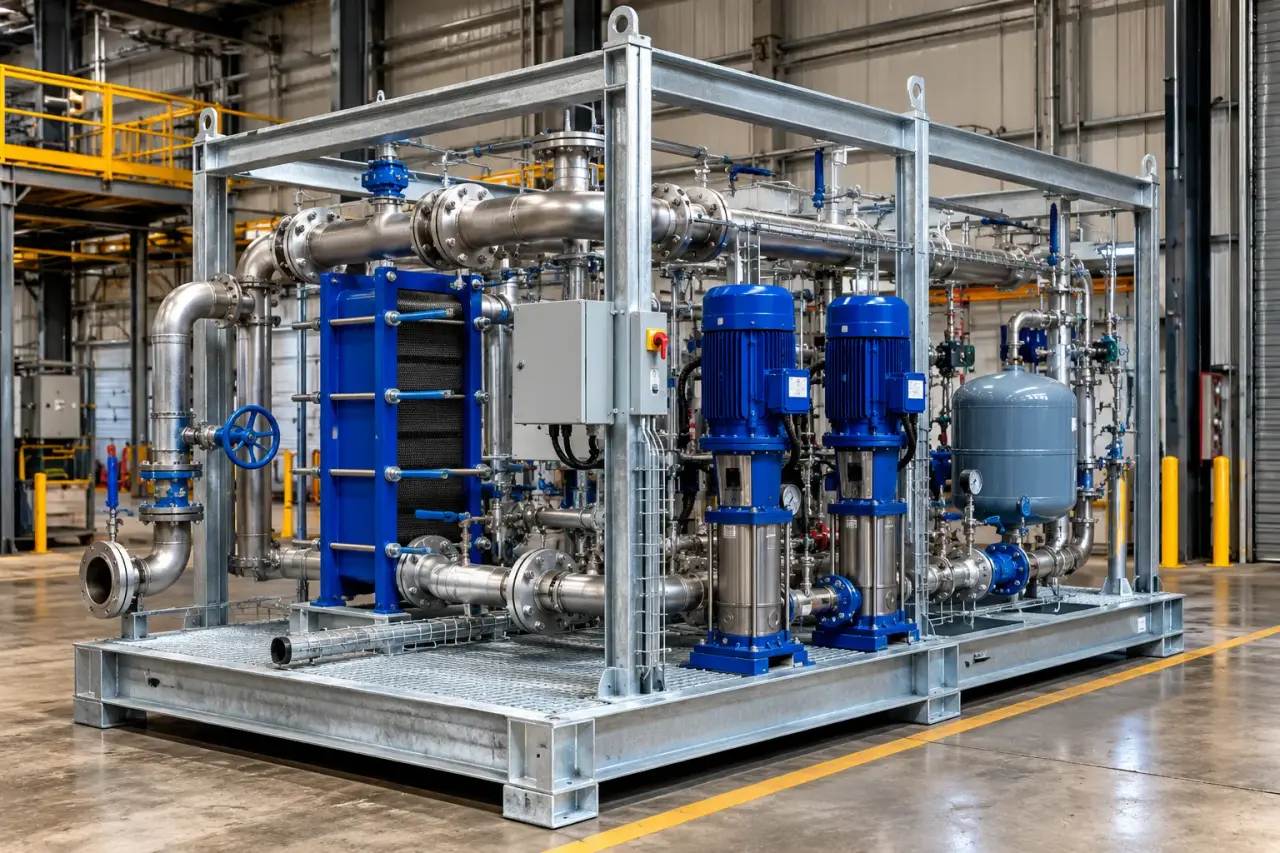
Compact shutoff for packaged process equipment, pump skids and machinery with limited piping space.
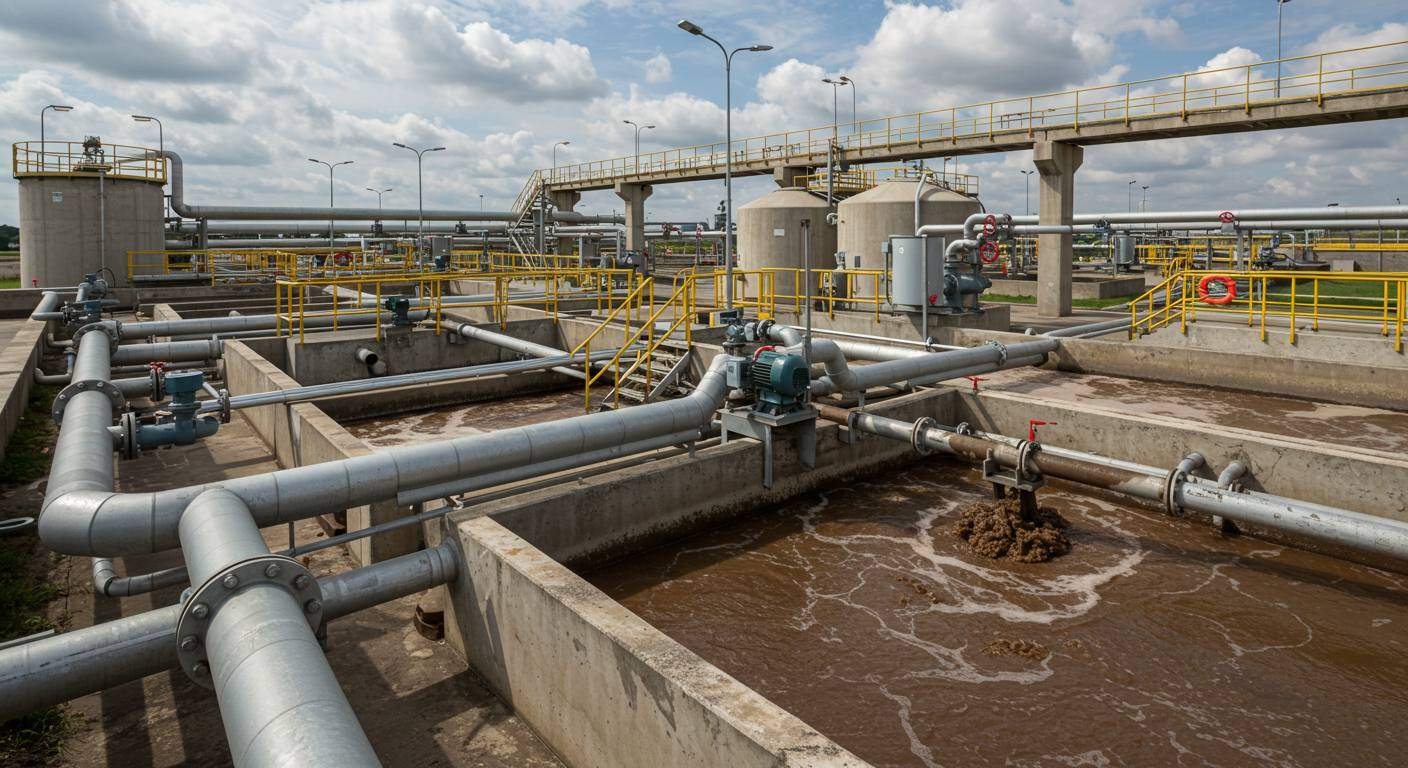
Space-saving automated isolation around filters, dosing systems, pumps and treatment modules.
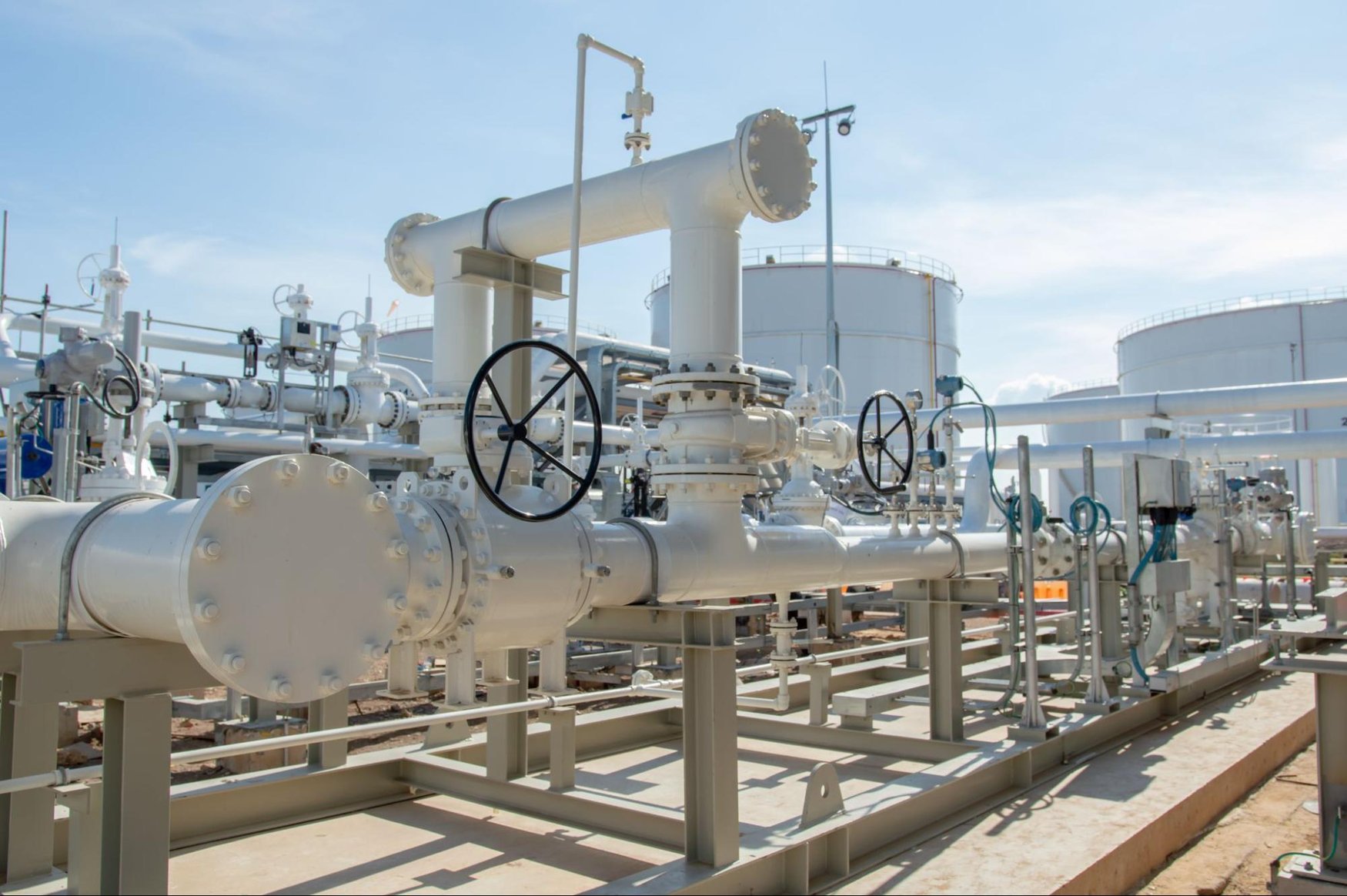
Remote isolation in compatible water, steam and utility circuits where compact installation is useful.

Compact stainless-steel isolation for compatible process fluids after material and seal review.
Check flange fit and available space before actuator options
Because the main value of a wafer valve is compact installation, correct selection starts with the physical piping interface—not just pressure and voltage.
Confirm available face-to-face space
Measure the existing or planned installation envelope between mating pipe flanges.
Confirm flange standard
Provide DN / inch size, flange standard, PN / pressure class and bolt pattern requirements.
Check pressure and temperature
Use actual operating and design conditions rather than nominal pipe ratings alone.
Check media compatibility
Match body, ball, stem and seat materials to the real medium, concentration and temperature.
Size actuator torque
Consider valve size, pressure differential, seat friction, cycle frequency and engineering safety margin.
Define electrical control
Specify voltage, on/off or regulating control, feedback, fail position, IP rating and explosion-proof requirement.
Compact body, industrial-duty automation
API 598 testing references, electric actuator protection options and project-specific control configurations support reliable wafer-valve automation in industrial systems.
Electric wafer ball valve FAQs
Common questions from equipment builders and industrial buyers comparing compact wafer construction with conventional electric ball valves.
What is an electric wafer ball valve?
What is the main advantage of a thin type wafer ball valve?
Can a wafer ball valve replace a flanged ball valve?
Is the FLE-Q-B suitable for modulating flow control?
What information is needed to select the correct electric wafer ball valve?
Can the electric actuator be supplied with IP68 or explosion-proof protection?
Need a compact electric ball valve for a tight installation?
Send the flange standard, size, pressure, medium, temperature, available face-to-face length and control requirement.