


High Pressure 2-Way Threaded Electric Ball Valve
The FLE-Q-G high pressure 2-way threaded electric ball valve is designed for compact automated shutoff where line pressure is significantly higher than standard utility service. A stainless-steel threaded valve body, selectable seat materials and quarter-turn electric actuator make it suited to high-pressure water, oil, gas, compressed-air and equipment piping.
- Pressure
- Up to 64 bar
- Temperature
- −40°C to +180°C
- Seats
- PTFE / Nylon / PPL
- Actuation
- 0–90° Electric
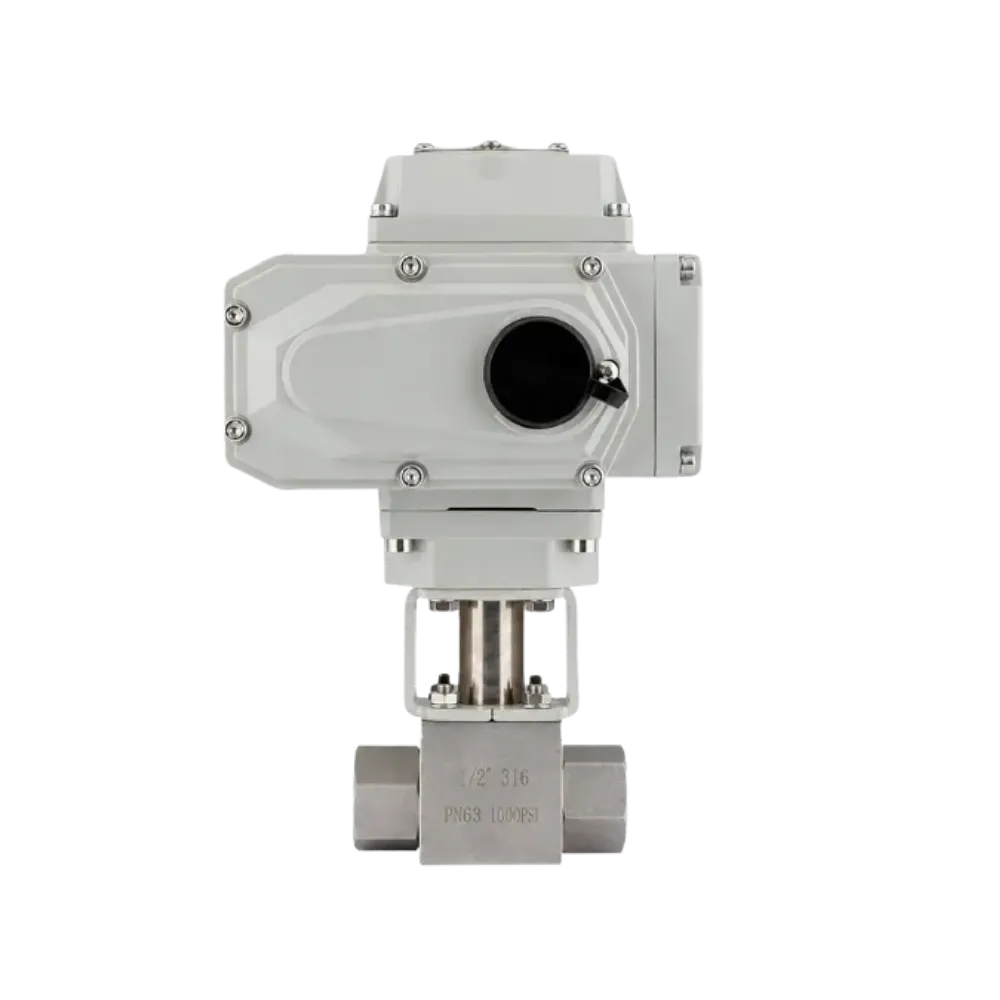
Compact electric isolation for demanding pressure service
The key difference from a standard threaded motorized ball valve is the pressure envelope. FLE-Q-G is intended for small-bore lines where a compact connection is required without giving up high-pressure capability.
Its stainless-steel body and full-flow ball construction support low restriction when fully open, while the electric actuator provides repeatable remote opening and closing for equipment sequencing, unmanned stations and automated process skids.
- 01Pressure rating up to 64 bar / 928 psi for suitable configurations.
- 02Compact threaded ends reduce installation space compared with flanged assemblies.
- 03Stainless-steel 304/304L/316/316L body options for strength and corrosion resistance.
- 04Electric actuation enables remote shutoff without a compressed-air supply.
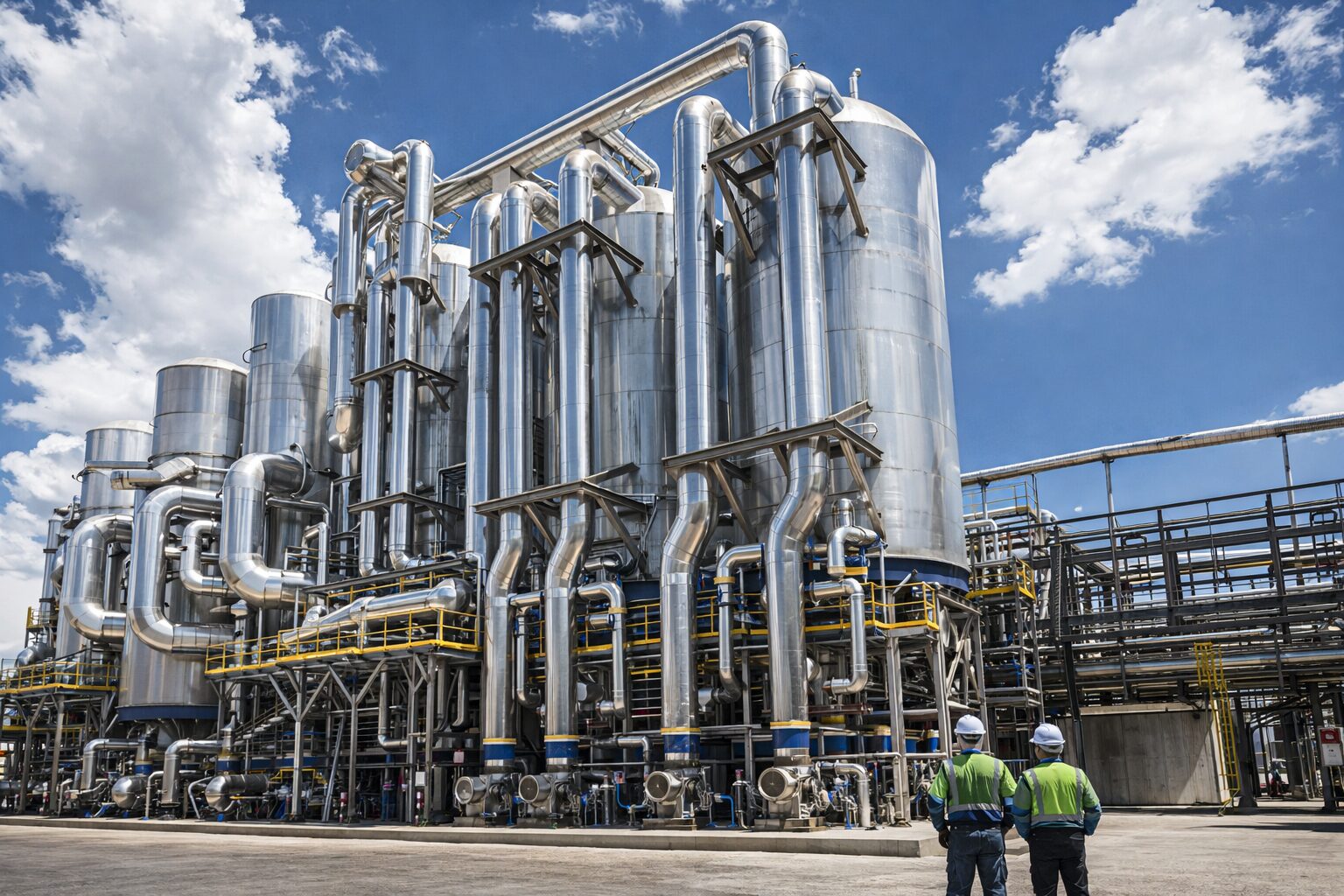
FLE-Q-G high pressure threaded ball valve specifications
Selection should be based on actual pressure, temperature, medium, thread standard, seat material and actuator requirements rather than nominal pipe size alone.
| Model | FLE-Q-G |
|---|---|
| Size range | ¼″–2″ / DN8–DN50 |
| Pressure rating | Up to 64 bar / 928 psi, configuration dependent |
| Working temperature | −40°C to +180°C, depending on seat material and medium |
| Body / ball material | Stainless Steel 304 / 304L / 316 / 316L |
| Seat material | PTFE / Nylon / PPL |
| O-ring | PTFE |
| Connection | Female / male threaded options; NPT, BSP, BSPT or project standard where applicable |
| Flow function | 2-way open / close isolation |
| Actuator | Electric quarter-turn actuator; on/off, selected regulating / intelligent options |
| Typical voltage | DC24V, AC24V, AC110V, AC220V; selected higher-voltage options by actuator |
| Typical media | Water, oil, gas, compressed air, steam and compatible process fluids |
| Mounting | ISO 5211 actuator interface on suitable configurations |
| Options | Manual override, feedback, fast actuation, fail-safe and explosion-proof actuator configurations where specified |
Pressure rating is only one part of high-pressure valve selection
A 64-bar nameplate does not replace engineering selection. Pressure, temperature, media, seat material, thread engagement and actuator torque must be checked together.
PTFE, Nylon or PPL: match the seat to the duty
The seat is a critical part of pressure retention and operating torque. Final selection should consider medium compatibility, temperature and required pressure rating.
Broad chemical compatibility and low friction for many general fluid services. Verify pressure-temperature limits for the actual valve design.
Often considered where higher mechanical strength is needed in pressure service. Confirm chemical and temperature compatibility.
Selected for higher-temperature or more demanding process conditions where the specific valve configuration supports it.
High-pressure threaded vs flanged electric ball valve
Both can provide automated isolation, but small-bore threaded construction is most valuable where compactness, pressure and installation space are the priorities.
Match actuator torque to high-pressure shutoff duty
Actuator selection starts with actual valve break torque under pressure, then adds speed, voltage, feedback, fail position and environmental protection.
| Actuator | Standard time / torque | Optional time / torque | Weight |
|---|---|---|---|
| FLE-105 | 25s / 50Nm | 4s / 20Nm; 10s / 30Nm | 2.2kg |
| FLE-110 | 25s / 100Nm | 15s / 50Nm | 5.1kg |
| FLE-116 | 25s / 160Nm | 15s / 80Nm | 5.1kg |
| FLE-120 | 25s / 200Nm | 15s / 100Nm | 7.5kg |
| FLE-140 | 25s / 400Nm | 15s / 200Nm | 7.5kg |
| FLE-160 | 25s / 600Nm | 15s / 300Nm | 8.1kg |
Where high-pressure threaded electric ball valves fit best
The FLE-Q-G is most useful in compact small-bore systems where pressure capability, remote shutoff and threaded installation are required together.
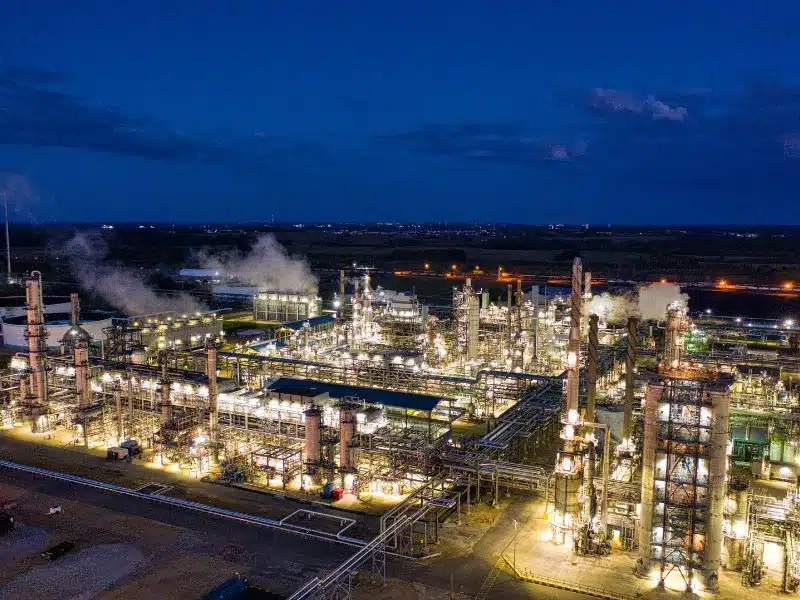
Remote isolation for compact utility, sampling and auxiliary high-pressure lines.
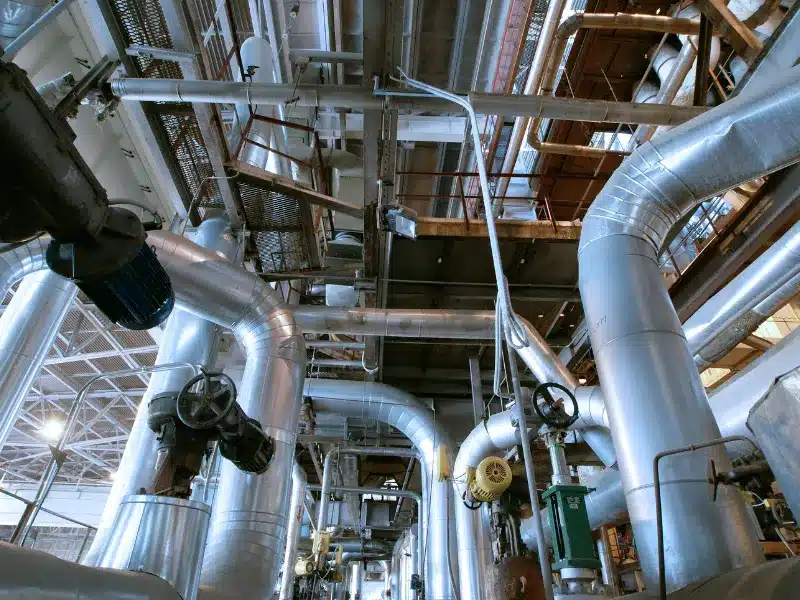
Electric shutoff for high-pressure air and compatible gas distribution equipment.
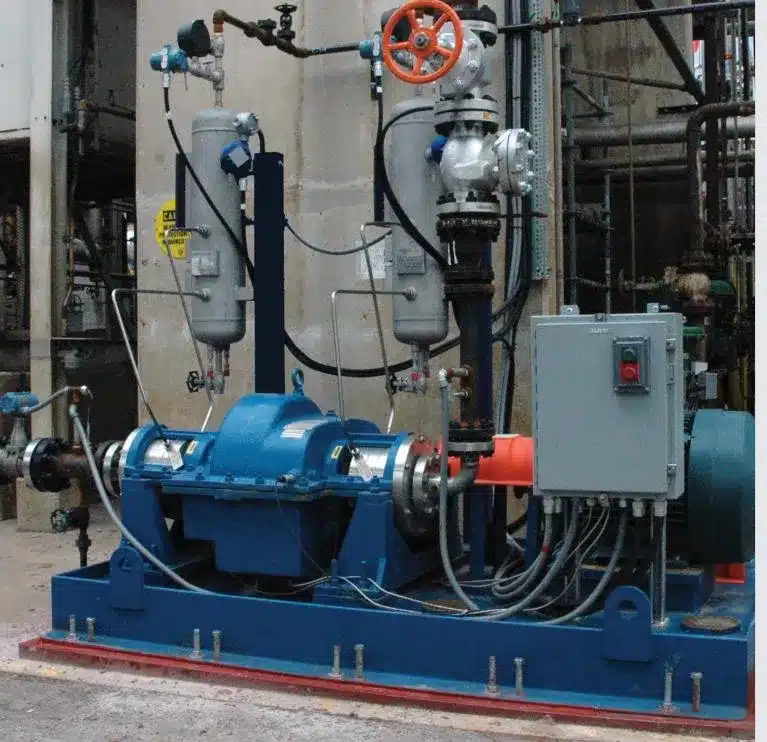
Compact threaded automation for packaged systems with limited installation space.
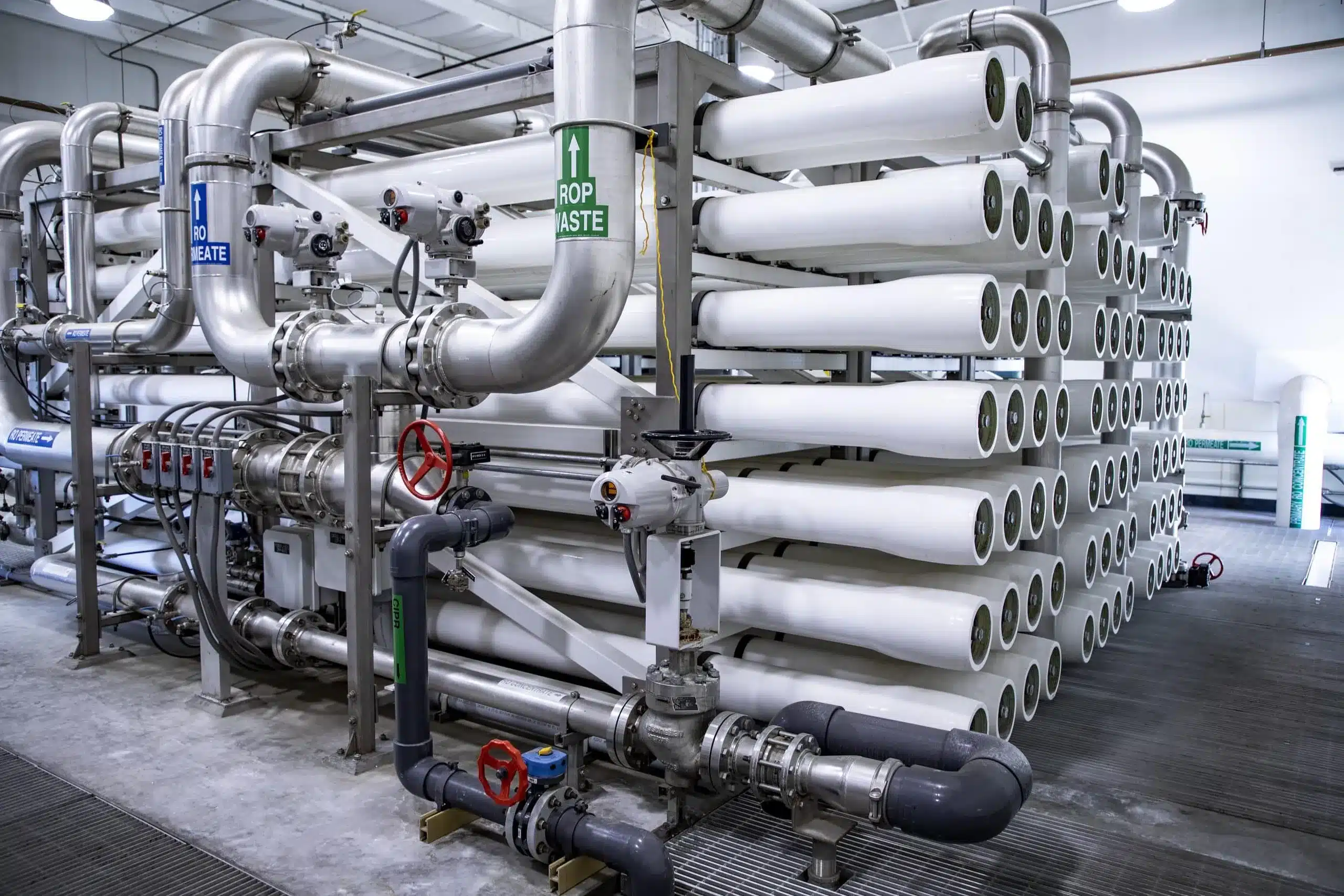
Automated isolation for compatible high-pressure water, test rigs and process utilities.
Specify pressure service before choosing electrical options
For a high-pressure threaded motorized ball valve, the valve body, seat and connection must be correct before actuator voltage or control logic is finalized.
Define the medium
Identify fluid or gas, concentration, cleanliness, corrosiveness and any solids or contaminants.
Confirm pressure envelope
Provide normal, maximum and design pressure plus any pressure spikes or test pressure.
Confirm temperature
Use minimum and maximum process temperature so the body and seat can be checked together.
Select thread standard
Specify NPT, BSP, BSPT or project standard, plus female / male connection requirements.
Choose seat material
Match PTFE, Nylon or PPL to media compatibility, temperature and pressure duty.
Size the actuator
Match required torque with a safety margin, then specify voltage, speed, feedback and protection.
High pressure threaded electric ball valve FAQs
Questions focused on pressure, threads, seat materials, actuator sizing and equipment integration.
What makes FLE-Q-G different from a standard electric threaded ball valve?
What thread types are available?
Which seat material should I choose: PTFE, Nylon or PPL?
Can the valve be used for oil, gas or compressed air?
Can I use this valve for continuous flow regulation?
What information is needed to size the electric actuator?
Need a compact electric valve for high-pressure service?
Send the pressure, temperature, medium, thread, size and control requirement. Fleyenda can match the valve body, seat and electric actuator to the operating duty.